Dog-Day Cicada Identification Guide
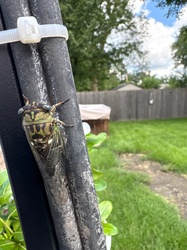
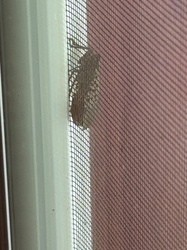
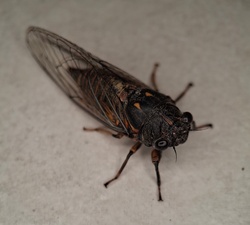
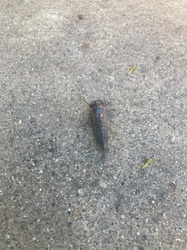
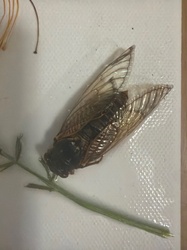
Identify dog-day cicadas by their large green-and-black mottled bodies and dark eyes, common every summer.
Read the full Dog-Day Cicada encyclopedia entry →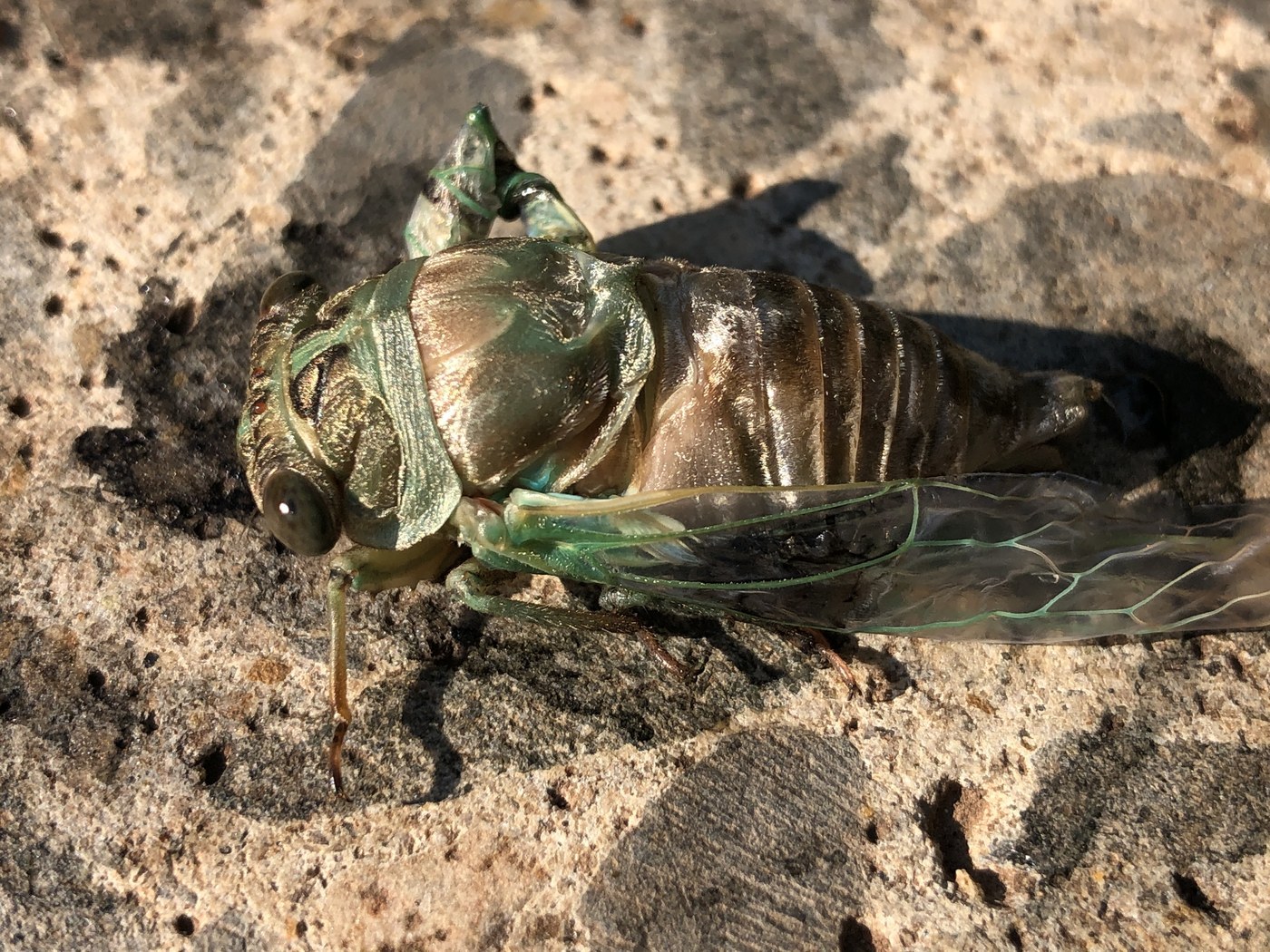
Key Visual Features
Dog-day cicadas (also called annual cicadas) are the large, green-tinted cicadas most people associate with the buzzing soundtrack of hot summer afternoons.
- Size: Larger and stockier than periodical cicadas, often 1.5 to 2 inches long.
- Color: A mottled pattern of green, black, and sometimes brown across the body, giving a camouflaged, mossy look compared to the plain black of periodical cicadas.
- Eyes: Dark eyes, not red, a key distinguishing feature from their periodical relatives.
- Wings: Clear wings with greenish veins, held tent-like over the back.
- Sound: Produces a loud, sustained buzzing or whirring call, especially prominent during the hottest part of the day.
Where and When You'll See Them
Dog-day cicadas appear every year without a synchronized multi-year cycle, which is why they're called "annual" cicadas. Adults emerge from mid-to-late summer, typically July through September, calling loudly from the canopy of trees during the hottest daytime hours—hence the "dog days" name, referencing the sweltering peak of summer. They're common in yards, parks, and woodlands with mature trees across a broad range of habitats.
Similar-Looking Bugs
- Periodical cicada: Smaller, black-bodied, with bright red eyes and orange wing veins, and appears in massive synchronized emergences on a 13- or 17-year cycle rather than every summer.
- Other regional cicada species: Some annual cicadas vary in exact color pattern by region, but the general combination of large size, green-black mottling, and dark eyes reliably points to a dog-day type cicada.
- Large moths: Occasionally confused at a glance due to size, but cicadas have a stout body, short antennae, and clear, veined wings rather than the broad, scaled wings of a moth.
Quick ID Checklist
- Large body with green-and-black mottled coloring
- Dark eyes (not red)
- Clear wings with greenish veins
- Loud, sustained buzzing call during hot summer afternoons
- Appears every year, not tied to a multi-year emergence cycle
Frequently asked questions
Why are they called dog-day cicadas?
They emerge and call loudest during the hottest stretch of summer, traditionally referred to as the "dog days," which gave this annual cicada its common name.
How are dog-day cicadas different from periodical cicadas?
Dog-day cicadas are larger, greener, and dark-eyed, and appear every summer, while periodical cicadas are smaller, black-bodied, red-eyed, and emerge in huge synchronized numbers only every 13 or 17 years.
When during the year are dog-day cicadas most active?
They're most commonly heard and seen from mid-summer into early fall, roughly July through September, depending on region.
Do dog-day cicadas emerge in large synchronized groups like periodical cicadas?
No, they emerge in more modest, staggered numbers every single year, without the massive multi-year synchronized emergence seen in periodical cicadas.
Dog-Day Cicada identified by the community
Recent Dog-Day Cicada finds identified with Bug Identifier.