
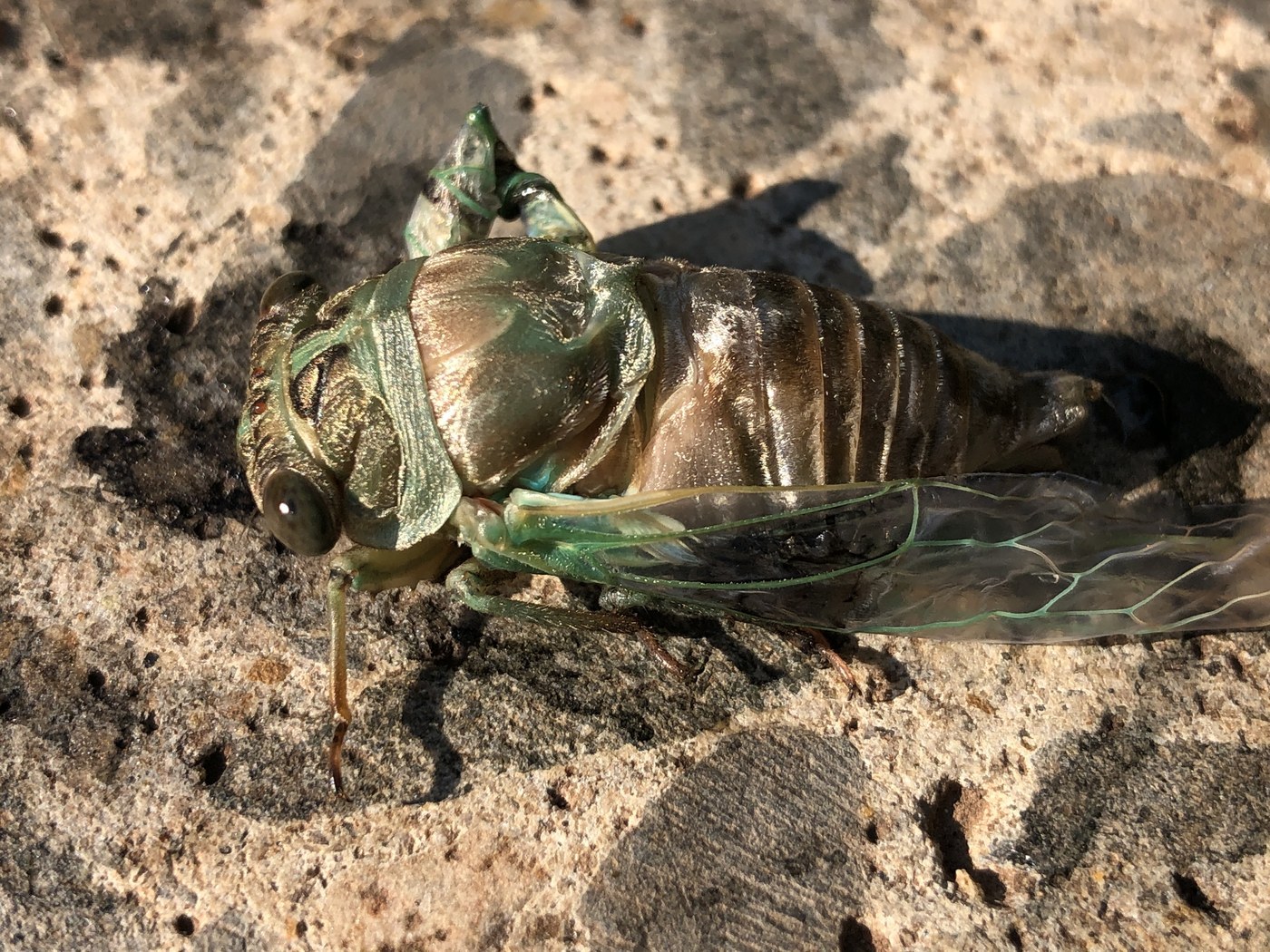
Dog-Day Cicada
Neotibicen canicularis
A stout, thick-bodied cicada with mottled green and brown camouflage patterning, named for its loud droning calls heard during the hot "dog days" of late summer.
- Size
- 25–33 mm body length
- Habitat
- Deciduous trees in woodlands, parks, and suburban yards
- Danger
- Harmless
Spotted a bug like this?
Identify any bug or insect from a photo, free.
Overview
The dog-day cicada, genus Neotibicen, is a true bug (Hemiptera) and one of the most familiar "annual" cicadas across North America, so named because adults appear every year during mid to late summer rather than in synchronized multi-year broods like periodical cicadas. Its loud, sustained buzzing calls are one of the defining background sounds of hot summer afternoons.
Dog-day cicadas are robust-bodied insects with mottled green, brown, and black patterning that provides effective camouflage against tree bark. Although each individual cicada's life cycle spans a few years underground, populations overlap so that adults are seen annually rather than in mass emergence events.
As with other cicadas, they serve an ecological role both as root-fluid feeders during their long nymphal stage and as a food source for birds, mammals, and predatory insects once they emerge as adults.
How to Identify
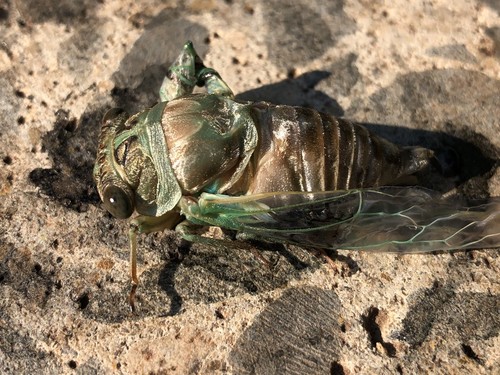
- Robust body with mottled green, brown, and black coloring on the thorax, offering camouflage against bark.
- Compound eyes are typically dark, unlike the bright red eyes of periodical cicadas.
- Wings are clear with greenish or brownish veining, held roof-like over the abdomen at rest.
- Similar in size to periodical cicadas but more heavily built, with a broader head and thorax.
- Distinguished from periodical cicadas by annual, scattered emergence (not synchronized mass broods) and by darker eyes and greener, mottled body coloring.
Habitat & Range
Dog-day cicadas are found in deciduous woodlands, tree-lined suburban neighborhoods, and parks across the northeastern and north-central United States and southern Canada, wherever mature trees provide both feeding sites for nymphs and calling perches for adults. Adults are most active and vocal during the hottest weeks of summer, typically July through September, giving rise to their common name referencing the "dog days." Nymphs live in the soil near tree roots for the duration of their multi-year development.
Behavior & Diet
Nymphs feed underground on xylem fluid drawn from tree roots using piercing-sucking mouthparts, growing slowly over a period of a few years before emerging. Adult males produce loud, sustained, buzzing or whining calls using tymbal organs on the abdomen to attract females, often calling from high in tree canopies during the heat of the day. After mating, females insert eggs into slits cut into twigs with their ovipositor. Adults are typically strong fliers and are preyed upon by birds and by specialized predators such as cicada killer wasps.
Life Cycle
Dog-day cicadas undergo incomplete metamorphosis (egg, nymph, adult). Eggs hatch and the nymphs drop to the ground to burrow and begin feeding on root fluids, typically taking two to five years to mature depending on the species and local conditions. Because populations are not synchronized on a fixed cycle, nymphs of different ages are present in the soil simultaneously, resulting in adults emerging every year rather than in mass broods. Mature nymphs tunnel to the surface, climb a vertical surface, molt into winged adults, and live for several weeks to mate and lay eggs.
Frequently asked questions
Is the dog-day cicada the same as the 17-year cicada?
No. Dog-day cicadas are annual cicadas that appear every summer because their populations overlap in age, while periodical cicadas emerge in synchronized broods only every 13 or 17 years.
Why is it called a dog-day cicada?
It is named for its peak calling activity during the hot "dog days" of mid to late summer.
What does a dog-day cicada sound like?
Males produce a loud, sustained buzzing or whining drone from tree canopies, often heard as background noise on hot afternoons.
How can I tell a dog-day cicada from a periodical cicada by sight?
Dog-day cicadas have mottled green-brown coloring and dark eyes, while periodical cicadas have black bodies, orange wing veins, and bright red eyes.
Dog-Day Cicada guides
In-depth guides for identifying, understanding, and living alongside Dog-Day Cicada.
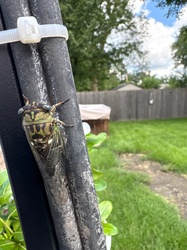
Dog-Day Cicada identified by the community
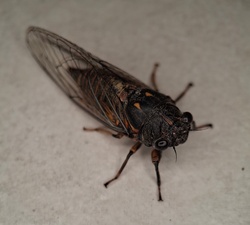
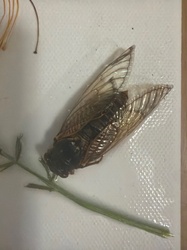
Real finds identified with Bug Identifier.
Other bugs you may enjoy
Bagrada Bug
Arid gardens, crucifer fields, desert-adjacent croplands
Assassin Bug
Gardens, meadows, and vegetation worldwide
Water Boatman Bug
Ponds, lakes, and slow-moving freshwater
Water Stick Insect
Still and slow-moving water with dense submerged vegetation
Rough Stink Bug
Tree bark, woodlands, orchards, and shrubby vegetation
Stink Bug
Gardens, crop fields, and woodlands across temperate and subtropical regions
Squash Bug
Vegetable gardens and farm fields growing squash, pumpkin, and other cucurbits
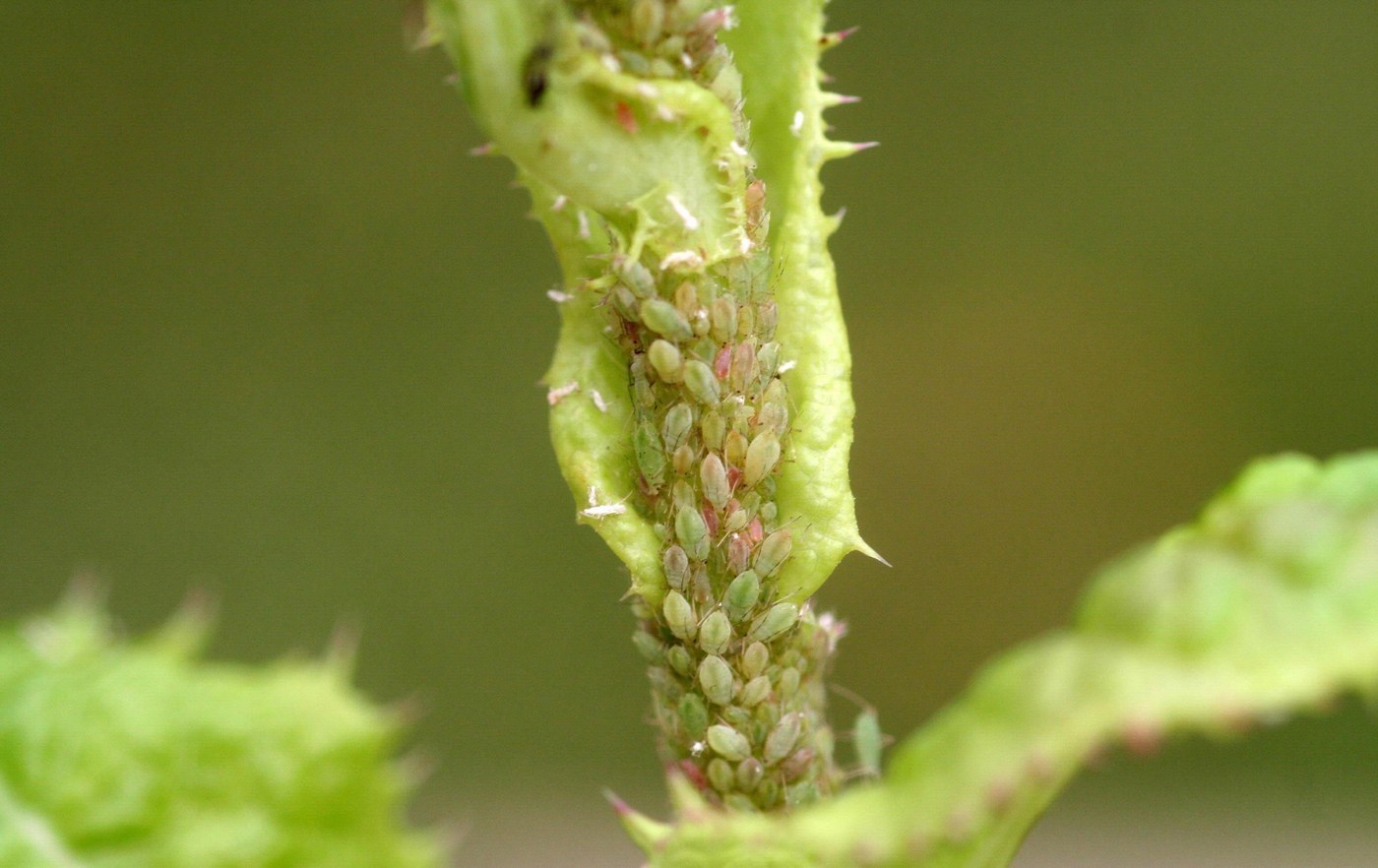
Aphid
On stems, leaves, and buds of a very wide range of host plants
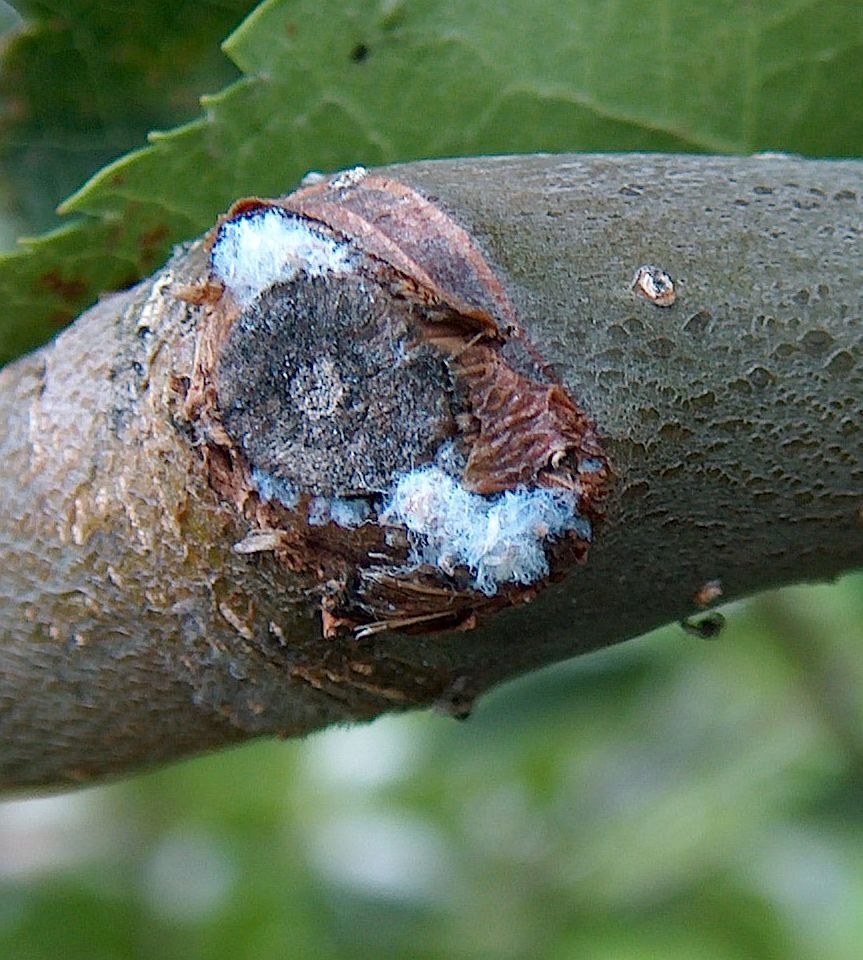
Woolly Aphid
Bark crevices, root collars, and twigs of apple, elm, and alder trees
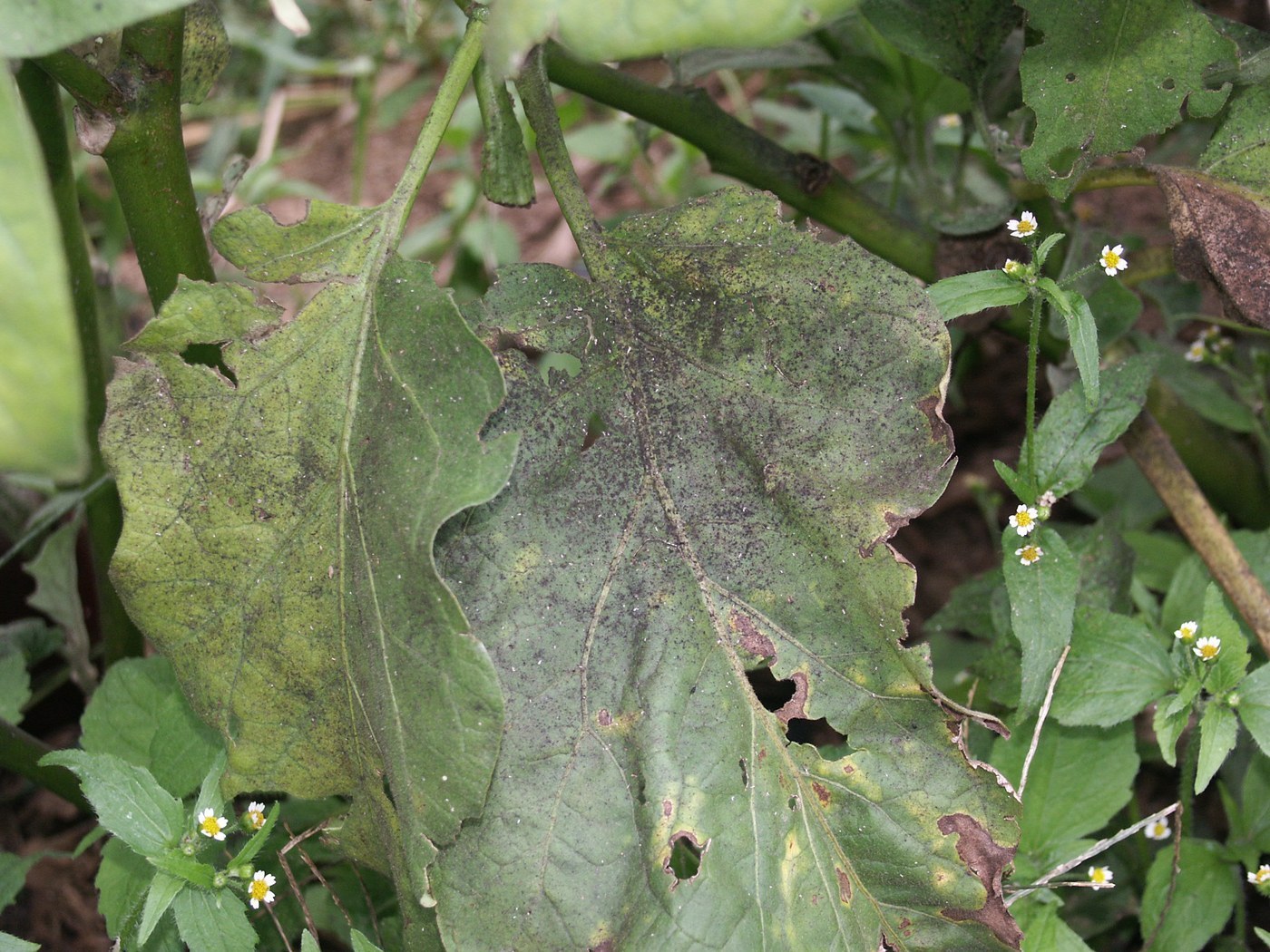
Whitefly
Greenhouses, gardens, and undersides of leaves on host plants
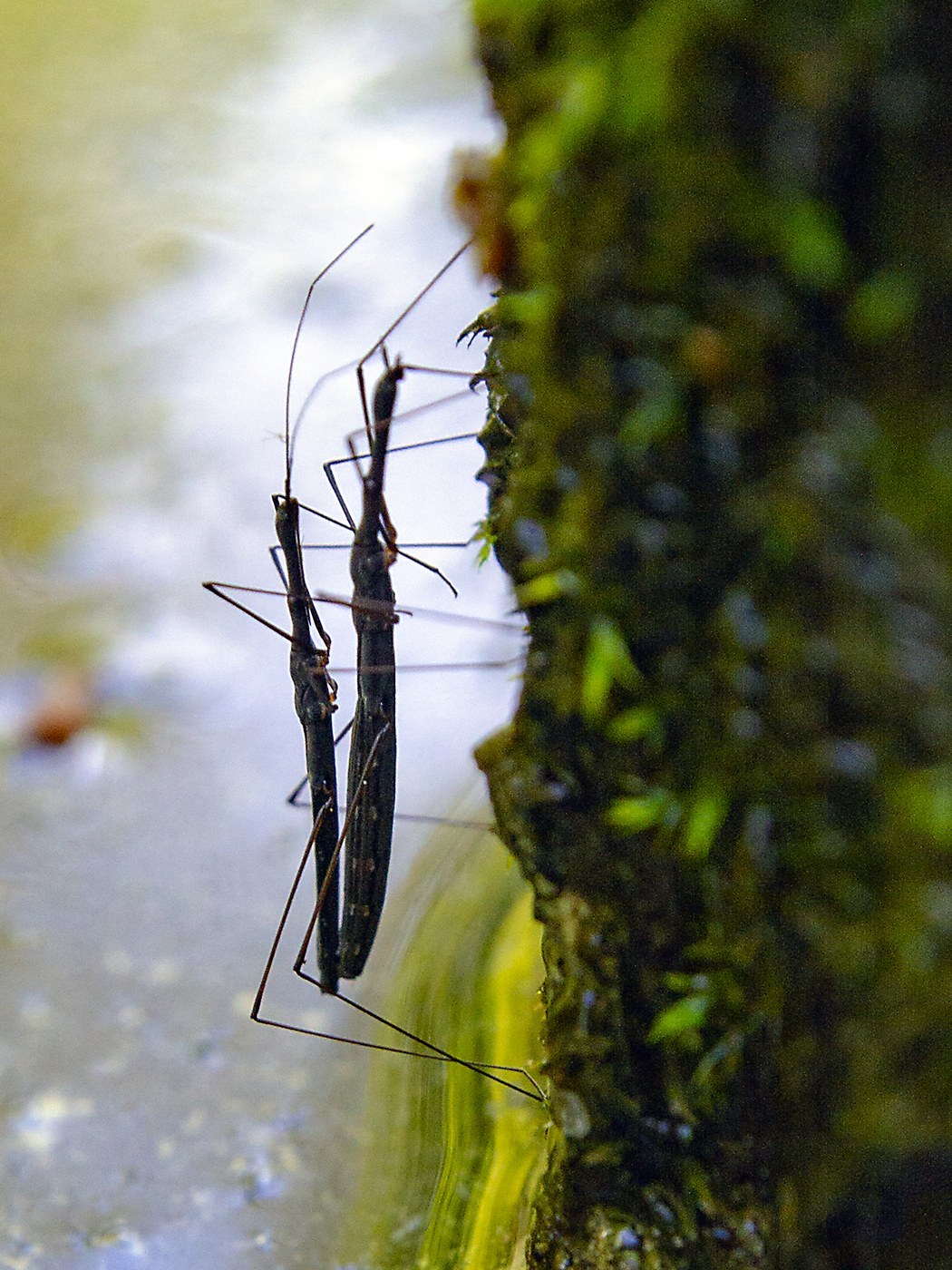
Water Measurer
Quiet edges of ponds, marshes, and slow streams
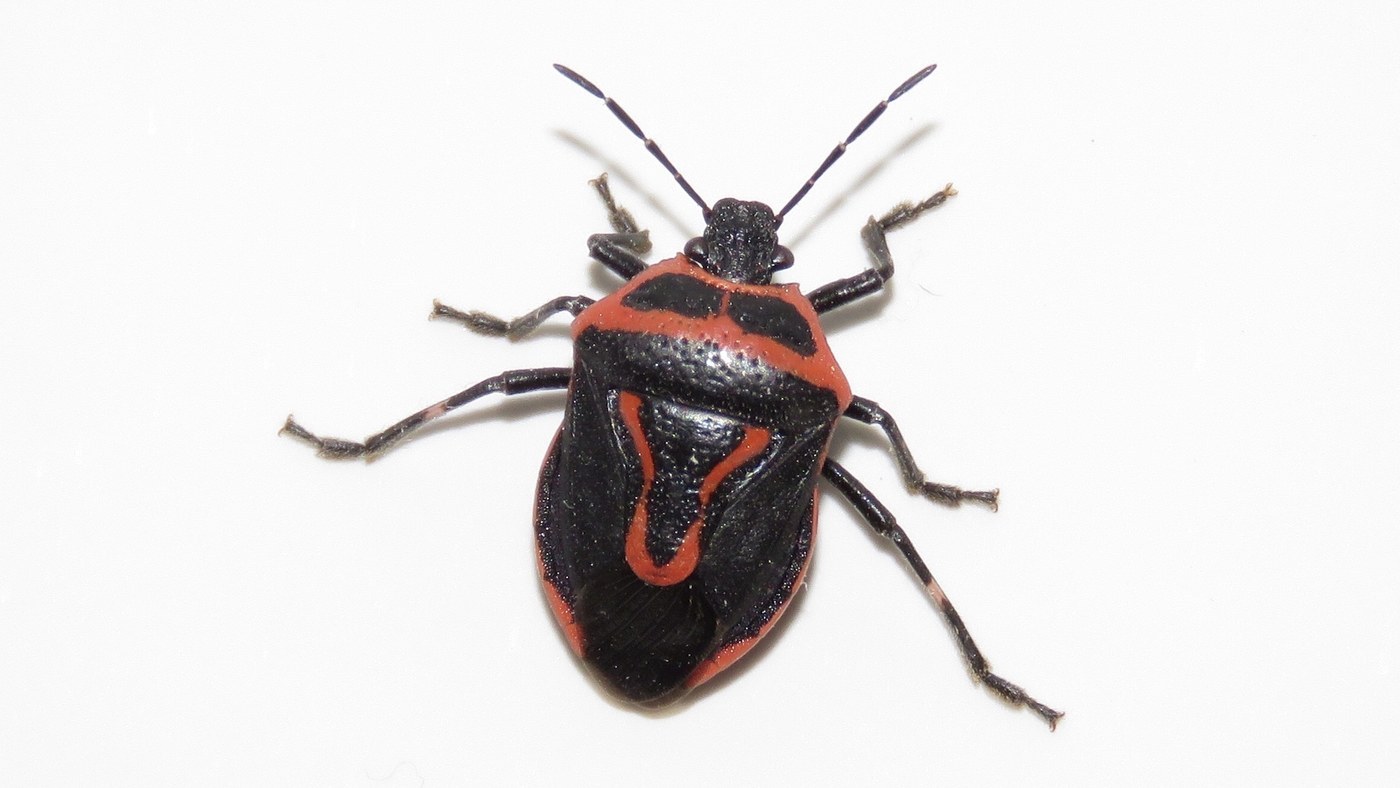
Two-Spotted Stink Bug
Gardens and fields with potato and nightshade-family plants