Earthworm Identification Guide
Learn how to recognize the common earthworm by its segmented body, moist skin, and burrowing habits.
Read the full Earthworm encyclopedia entry →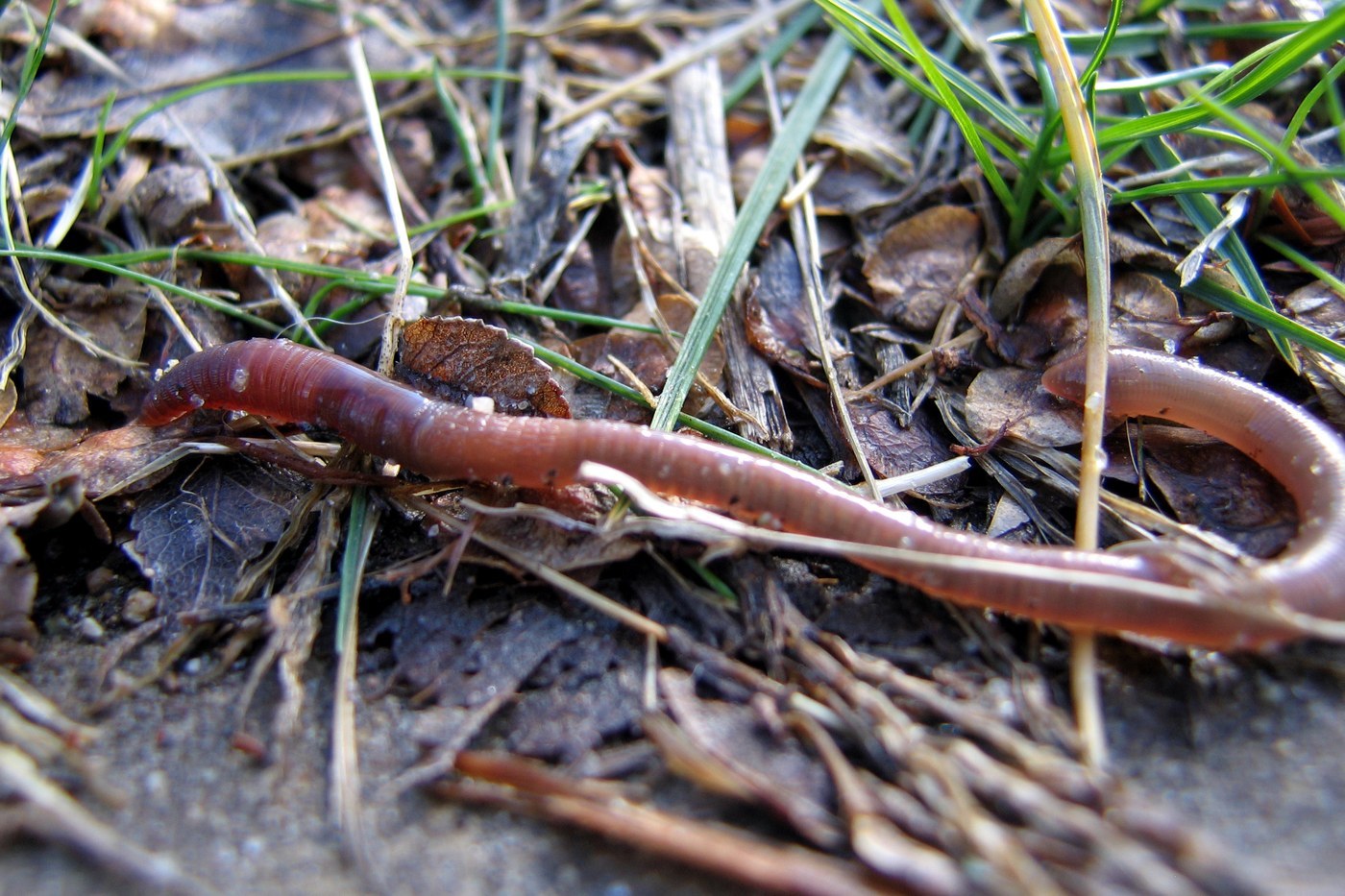
Key Visual Features
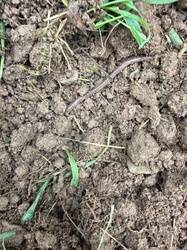
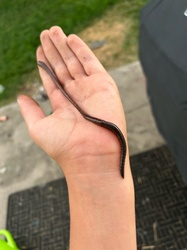
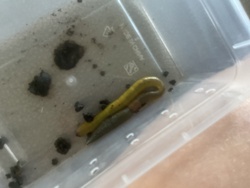
- Body shape: Long, cylindrical, and tapered slightly at both ends, with no legs, wings, or antennae.
- Segmentation: The body is divided into dozens to over a hundred visible ring-like segments (annuli).
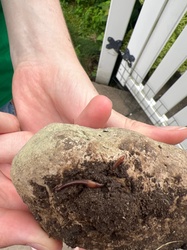
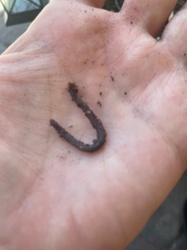
- Color: Ranges from pale pink to reddish-brown or purplish-brown, often darker on the upper (dorsal) side and paler underneath.
- Size: Most common garden species run 3-10 inches long, though some species can be considerably longer or shorter.
- Clitellum: A smooth, thickened, saddle-like band located roughly a third of the way down the body in mature individuals; it is usually a different color or texture than the rest of the segments.
- Skin: Moist, glistening, and covered in a thin layer of mucus that helps it move through soil and breathe.
- Movement: Moves by alternately contracting and stretching its segments, using tiny bristle-like structures called setae on each segment to grip the surface it is crawling over.
Where and When You'd See One
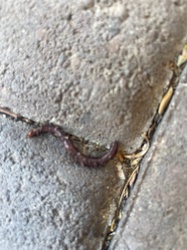
Earthworms live in soil, leaf litter, compost piles, and under logs, rocks, or mulch, favoring damp, organic-rich ground. They are most visible after heavy rain, when they surface onto sidewalks and lawns, and during cool, humid mornings or nights when they extend from their burrows. During dry or very cold periods they retreat deeper into the soil.
Similar-Looking Creatures
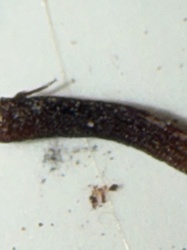
- Slugs: Lack segmentation entirely and have a distinct head with tentacles; their bodies look smooth and unbroken rather than ringed.
- Millipedes: Have a hardened, many-legged body with a clear head and short antennae, unlike the legless earthworm.
- Horsehair worms: Extremely thin, hair-like, and often found in water rather than soil, lacking the earthworm's thicker, segmented form.
- Other worm species (e.g., pot worms): Similar shape but usually much smaller, thinner, and whitish, without a prominent clitellum.
Quick ID Checklist
- Long, legless, cylindrical body made of many ring-like segments.
- Pinkish to reddish-brown coloring with moist, mucus-covered skin.
- A smooth, band-like clitellum partway down the body in adults.
- Found in damp soil, compost, or on pavement after rain.
- No head appendages, eyes, or legs visible.
Frequently asked questions
What is the clitellum and why does it help with identification?
The clitellum is the smooth, saddle-shaped band found on mature earthworms about a third of the way from the head end. It stands out from the surrounding segments in color and texture, making it a reliable feature for confirming an earthworm and distinguishing an adult from a juvenile.
How can I tell an earthworm from a similar-looking worm in the yard?
Look closely at the body: earthworms have clear, repeating segmentation along their entire length and a distinct clitellum, while other yard worms are often thinner, lack a visible clitellum, or are a different color such as white or translucent.
Why do earthworms appear on sidewalks after rain?
Heavy rain saturates the soil, and earthworms move to the surface where oxygen is more available, which is why they are commonly spotted on pavement and lawns during and after rainfall.
Does earthworm color vary between individuals?
Yes, color can range from pale pink to deep reddish-brown or purplish tones depending on the species, age, and how much light exposure the worm has had, but the segmented body plan stays consistent across all common types.
Earthworm identified by the community
Recent Earthworm finds identified with Bug Identifier.