
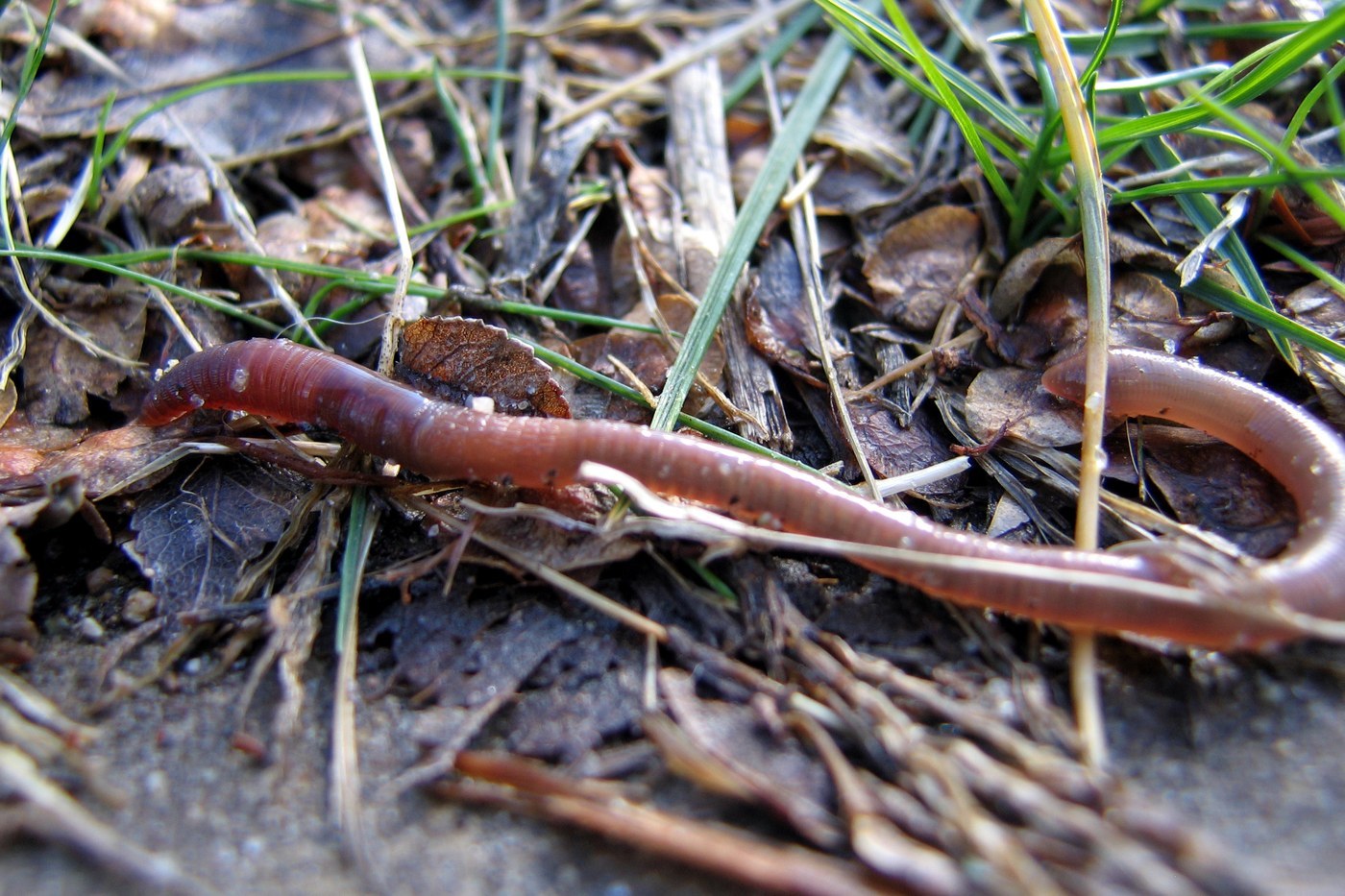
Earthworm
Lumbricus terrestris
A long, smooth, segmented soil-dweller with no legs, eyes, or shell, best recognized by its ringed body and the pale saddle-like band (clitellum) found on mature individuals.
- Size
- 90–300 mm
- Habitat
- Moist garden soil, lawns, leaf litter, and compost
- Danger
- Harmless
Spotted a bug like this?
Identify any bug or insect from a photo, free.
Overview
The earthworm, exemplified by the widespread common earthworm or nightcrawler, is not an insect or arthropod at all but a segmented worm belonging to the phylum Annelida, class Clitellata. It is included in general bug and garden-life references because it is one of the most commonly encountered soil-dwelling invertebrates, frequently unearthed alongside true insects while digging or gardening.
Earthworms are built from dozens of ring-like segments, each equipped with tiny bristles called setae that grip the soil and enable locomotion through alternating muscle contractions. A key identifying feature on mature individuals is the clitellum, a smooth, thickened, saddle-like band encircling several segments roughly a third of the way down the body, which is used in reproduction.
Ecologically, earthworms are considered foundational "ecosystem engineers" of soil habitats: their burrowing aerates and mixes soil layers, and their feeding on organic matter produces nutrient-rich castings, processes that significantly influence soil structure and fertility in gardens, farmland, and natural areas alike.
How to Identify
- Long, cylindrical, segmented body without legs, eyes, or any hard exoskeleton, covered in moist, mucus-coated skin.
- Body divided into many ring-like segments, each bearing tiny, barely visible bristles (setae) used for gripping soil.
- A smooth, raised, band-like clitellum encircling several segments roughly one-third of the way from the head end, present on sexually mature individuals.
- Color typically pinkish-brown to reddish-brown, darker on the upper (dorsal) side and paler underneath; length roughly 90–300 mm in common large species such as the nightcrawler.
- Lookalikes: other soil-dwelling worms such as certain fly larvae can superficially resemble small earthworms but lack true body segmentation and a clitellum.
Habitat & Range
Earthworms are found across temperate regions worldwide (with some species introduced far beyond their native ranges) in moist, organically rich soils, including garden beds, lawns, forest leaf litter, and compost piles. They are most active near the soil surface after rain or during cool, damp conditions, retreating to deeper, more stable soil layers during dry spells or cold winter periods.
Behavior & Diet
Earthworms move through soil by burrowing, alternately contracting and relaxing body segments while their setae grip the surrounding substrate, and they surface at night or after heavy rain when the risk of drying out is lower. They feed on decomposing organic matter, dead plant material, and soil microorganisms, ingesting soil as they burrow and excreting nutrient-enriched castings. Their tunneling significantly improves soil aeration, drainage, and structure, making them important contributors to soil health in gardens and natural ecosystems, and they serve as a common food source for birds and other predators that forage in soil and leaf litter.
Life Cycle
Earthworms are hermaphroditic but typically still mate with a partner, exchanging sperm before each individual's clitellum secretes a protective cocoon in which fertilized eggs develop. Juveniles hatch directly from the cocoon resembling small, translucent versions of adults, with no larval or pupal stage, and grow through repeated molts of their outer cuticle. Depending on species, soil conditions, and temperature, an earthworm may live one to several years, with reproduction occurring repeatedly during favorable moist seasons.
Frequently asked questions
Is an earthworm an insect?
No — earthworms are segmented worms in the phylum Annelida, entirely unrelated to insects, though they are commonly encountered alongside insects in garden soil.
What is the pale band near the front of an earthworm's body?
That band, called the clitellum, is a reproductive structure found on sexually mature earthworms and is used to secrete the protective cocoon in which eggs develop.
Why do earthworms come to the surface after rain?
Rain saturates soil and can reduce the oxygen available in burrows, prompting earthworms to move to or above the surface, where damp conditions also reduce their risk of drying out while moving.
What do earthworms eat?
They feed primarily on decomposing organic matter, dead plant material, and microorganisms found in soil, ingesting soil as they tunnel and excreting nutrient-rich castings.
Earthworm guides
In-depth guides for identifying, understanding, and living alongside Earthworm.
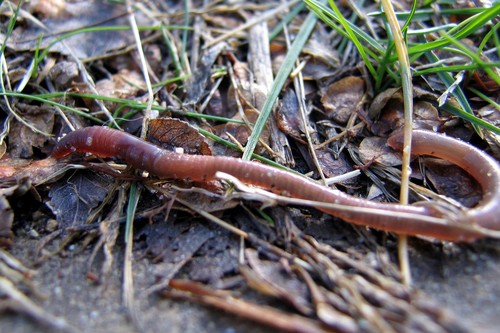
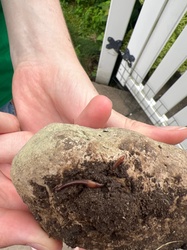
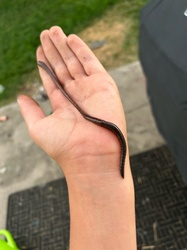
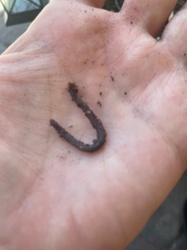
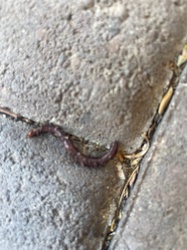
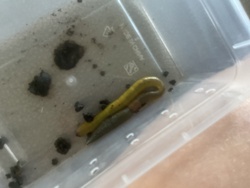
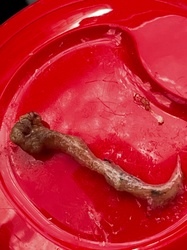
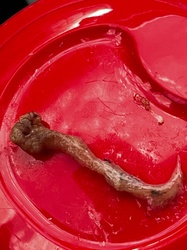
Earthworm identified by the community
Real finds identified with Bug Identifier.
Other bugs you may enjoy
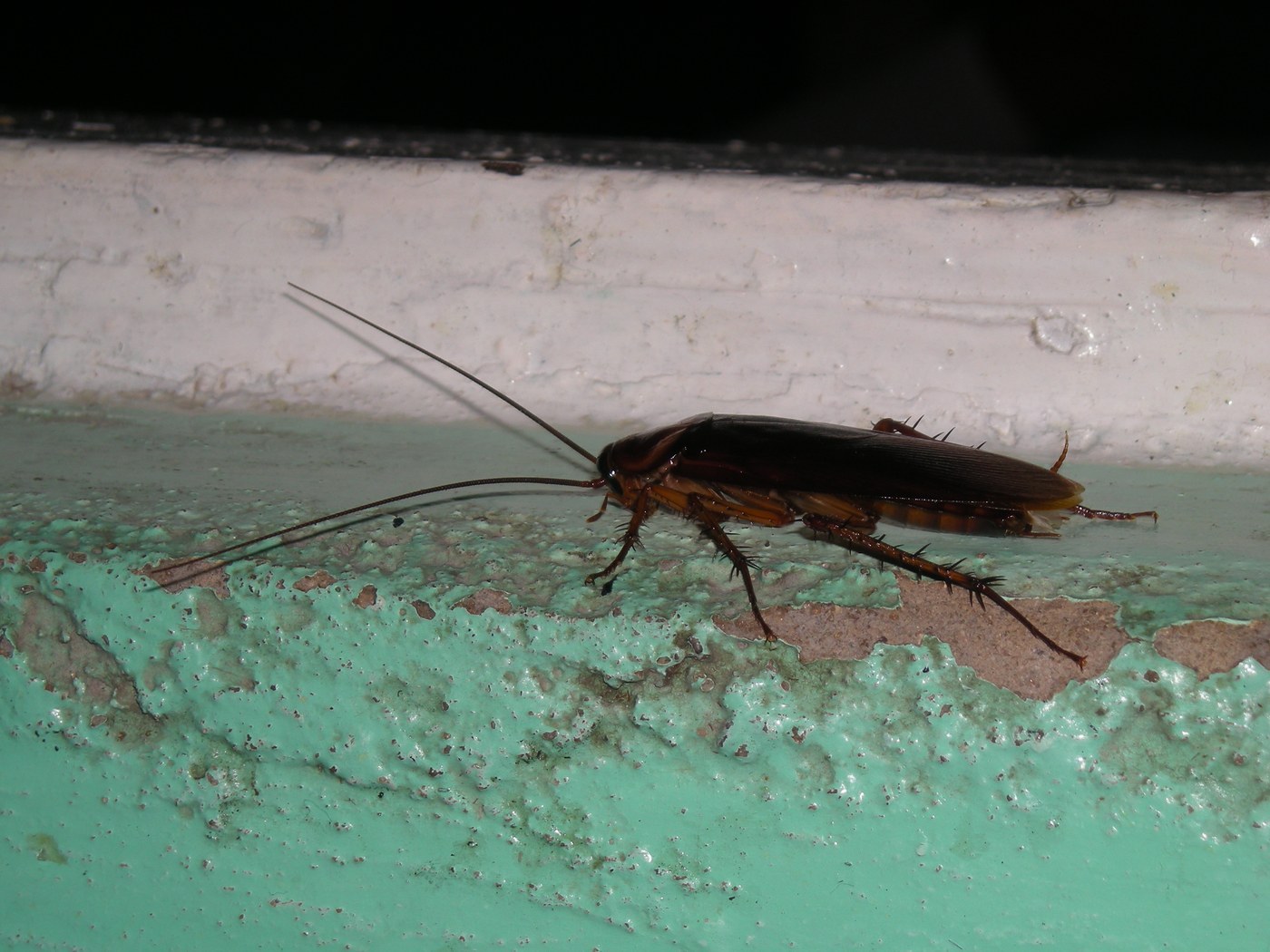
American Cockroach
Warm, humid environments such as basements, sewers, drains, and tropical outdoor settings
Thrips
Flowers, foliage, gardens, greenhouses, crop fields
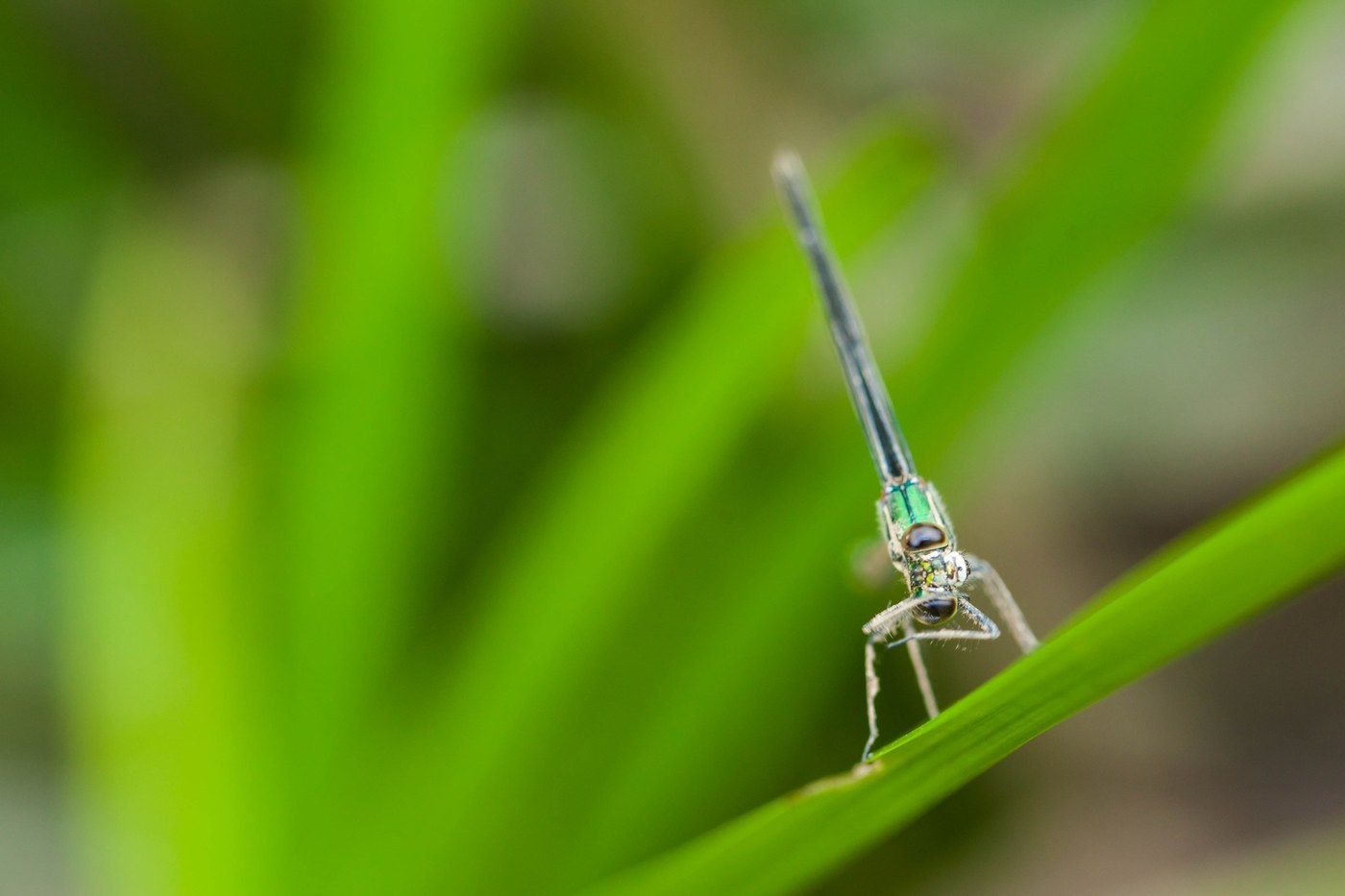
American Rubyspot
Sunny rivers and streams with moderate current
Springtail
Moist soil, leaf litter, decaying organic matter, and damp indoor areas
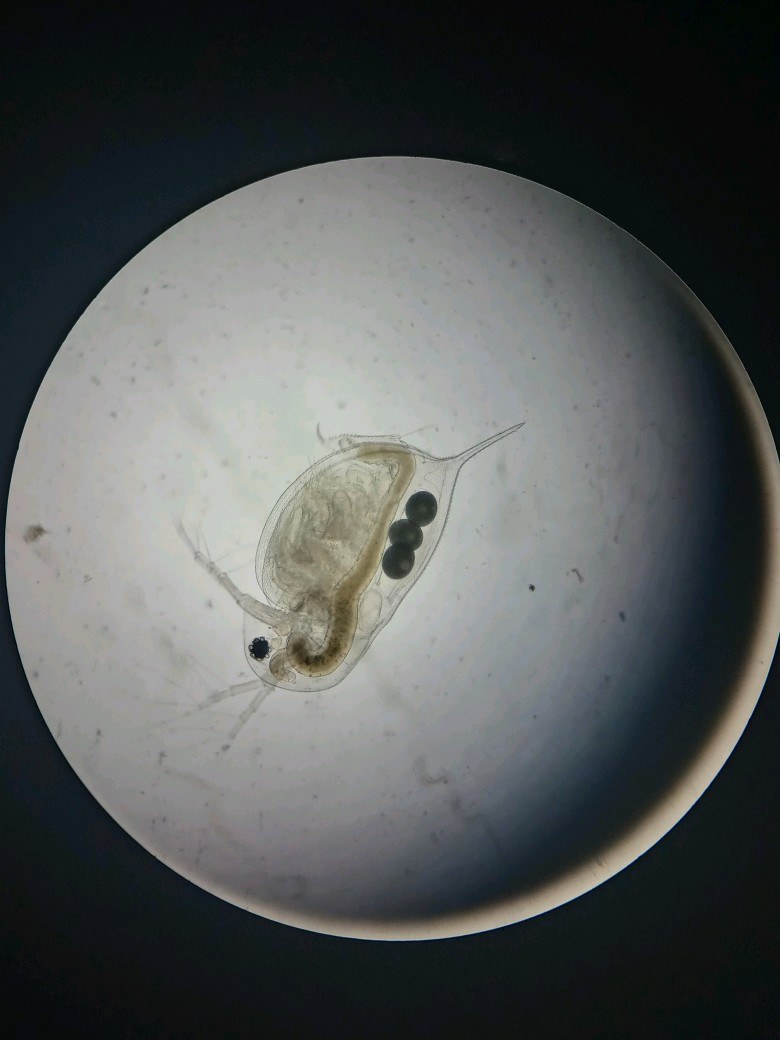
Water Flea
Ponds, lakes, and slow streams as free-floating plankton
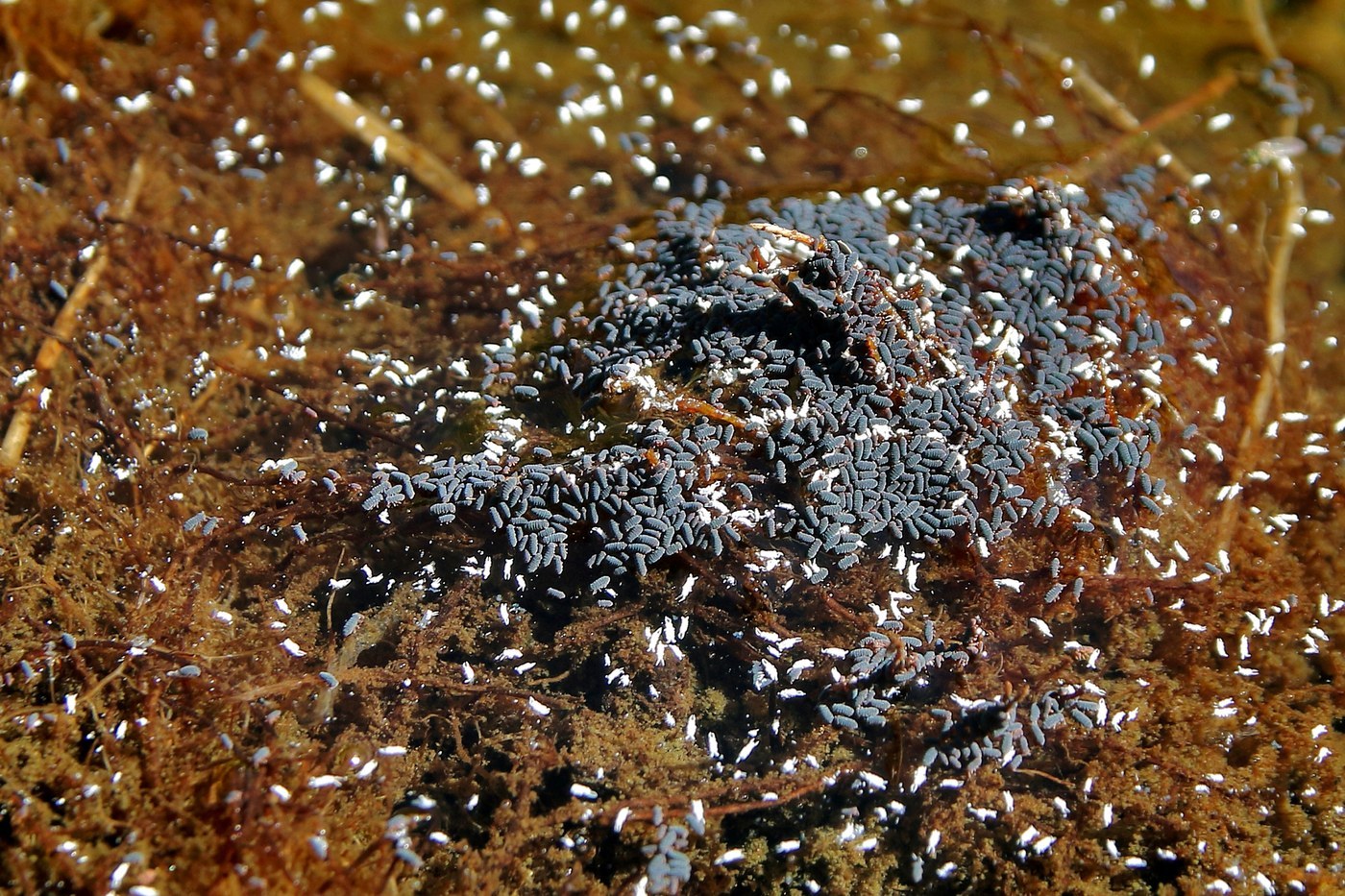
Water Springtail
Surface film of ponds, puddles, and slow ditches
Slug
Gardens, damp soil, leaf litter, greenhouses
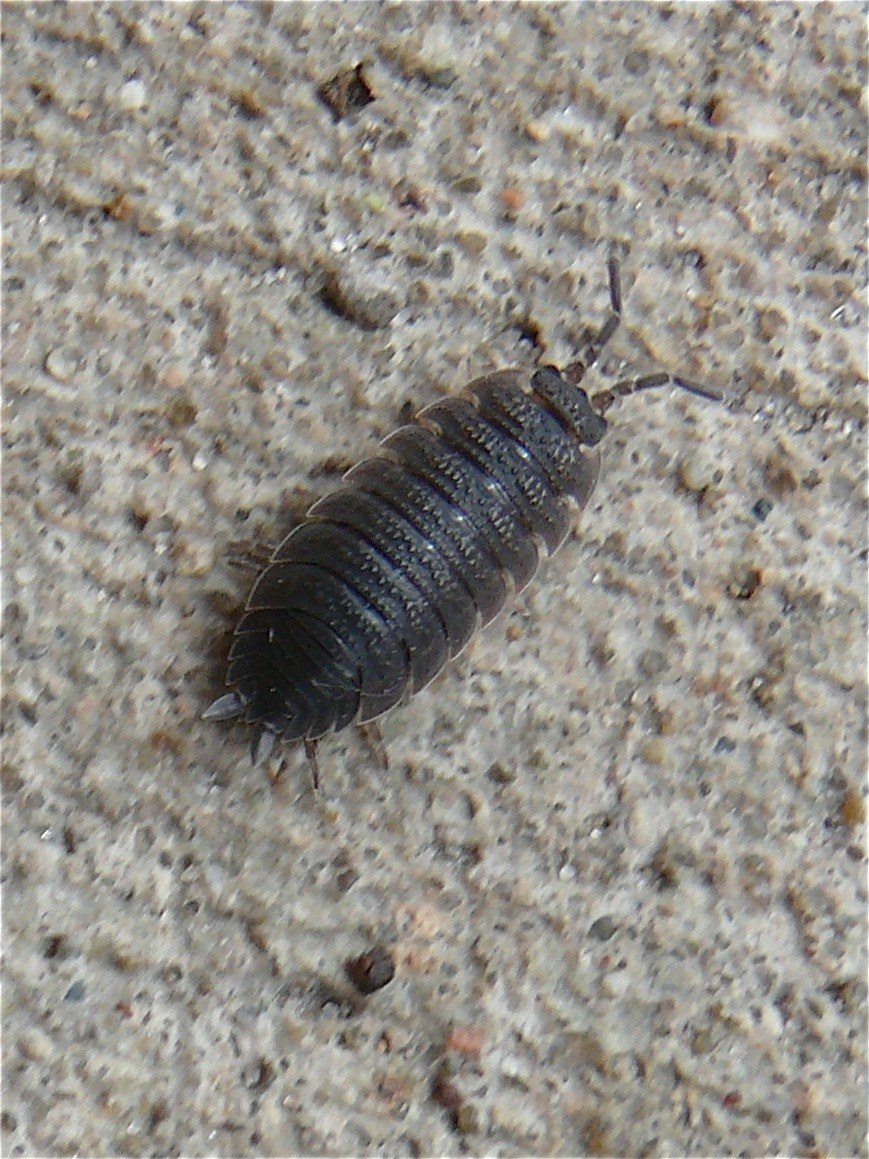
Sowbug
Leaf litter, under rocks/logs, damp garden soil, basements
Pill Bug
Damp soil, leaf litter, under rocks and logs, garden beds
Termite
Soil, decaying wood, tree stumps, and wooden structures
Termite Swarmer
Emerges from underground or wood-nesting colonies, often near structures and moist soil
Silverfish
Damp basements, bathrooms, closets, and dark indoor crevices