European Mantis Identification Guide
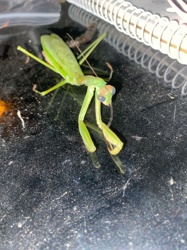
Spot this introduced mantis by the telltale bullseye mark on the inside of its front legs.
Read the full European Mantis encyclopedia entry →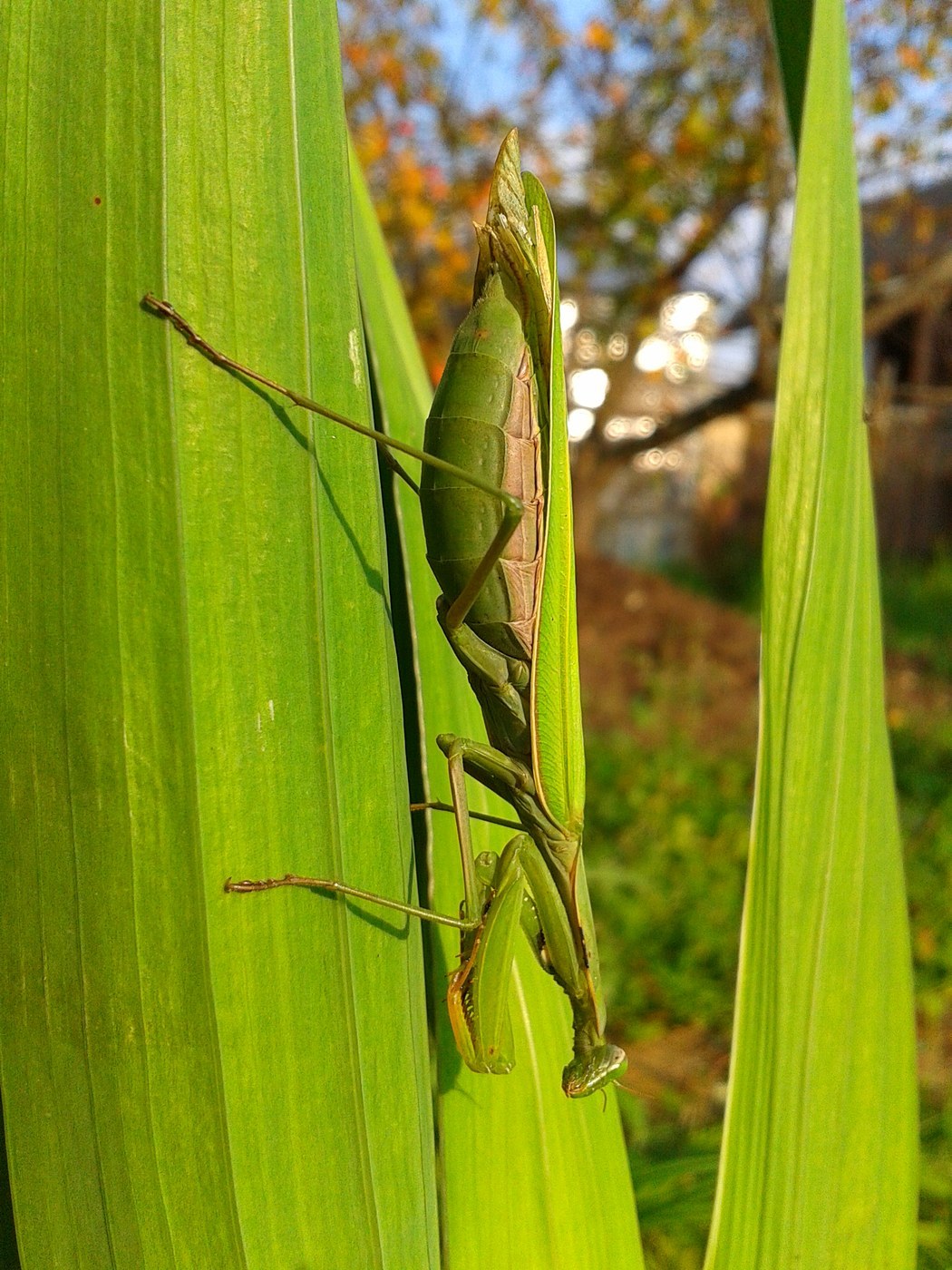
Key Visual Features
The European mantis (Mantis religiosa) is a slender, medium-to-large mantis, typically 2 to 3 inches long as an adult.
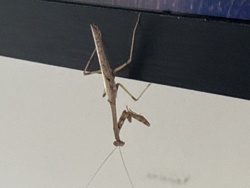
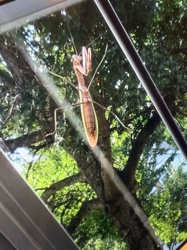
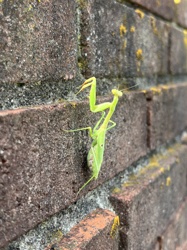
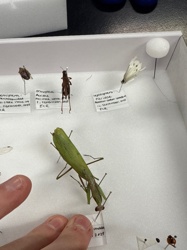
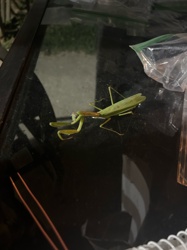
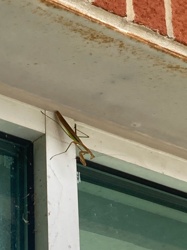
- Color: Usually bright green, though tan or brown individuals also occur; coloring can vary within the same population.
- Body shape: Long and narrow, with an elongated thorax and a triangular head capable of rotating to follow movement.
- Diagnostic marking: A distinctive dark "bullseye" or target spot ringed in white (sometimes with a hint of yellow or black) on the inside of the base of each raptorial foreleg, near where the leg bends. This spot is the single most reliable feature for identifying this species.
- Forelegs: Long, spined, and held folded in the classic "praying" posture.
- Wings: Both sexes have wings reaching or nearly reaching the tip of the abdomen, though females fly less readily than males.
- Antennae: Thin and thread-like, shorter than the body.
Where and When You'll See It
European mantises are found in meadows, fields, roadsides, and grassy or shrubby open habitats. Originally native to Europe, they are now established in parts of North America, especially the northeastern and midwestern United States. Adults are most often observed from late summer through fall, usually perched motionless on grass stems or low vegetation waiting for prey to pass, active mainly during the day.
Similar-Looking Species
- Chinese mantis: Larger overall, usually tan-brown to green with a pale green stripe along the wing edges, and lacks the bullseye leg spot.
- Carolina mantis: Smaller and more mottled gray-brown, blending with bark and dry vegetation rather than green foliage; also lacks the bullseye marking.
- Other green mantis nymphs: Young mantises of several species look similar when small; checking for the developing bullseye spot on the front legs is the most dependable way to confirm a European mantis.
Quick ID Checklist
- Bright green (occasionally tan/brown) slender body
- White-ringed bullseye spot on the inner base of each front leg
- Narrow triangular head with large eyes
- Wings reaching near the tip of the abdomen
- Found in meadows and grassy fields, late summer into fall
Frequently asked questions
What is the easiest way to identify a European mantis?
Look for the dark spot ringed in white on the inside of the front legs near the joint — this bullseye mark is unique to this species among common mantises.
Is the European mantis always green?
No, while green is most common, some individuals are tan or brown; the bullseye leg marking remains the most reliable identifying feature regardless of body color.
Where do European mantises live?
They favor open, grassy habitats such as meadows, fields, and roadsides, and are found across Europe as well as introduced populations in parts of North America.
How can I distinguish a European mantis from a Chinese mantis?
The European mantis is smaller with a bullseye spot on its front legs, while the Chinese mantis is larger, often has a pale stripe along its wing edges, and lacks that leg marking.
European Mantis identified by the community
Recent European Mantis finds identified with Bug Identifier.