
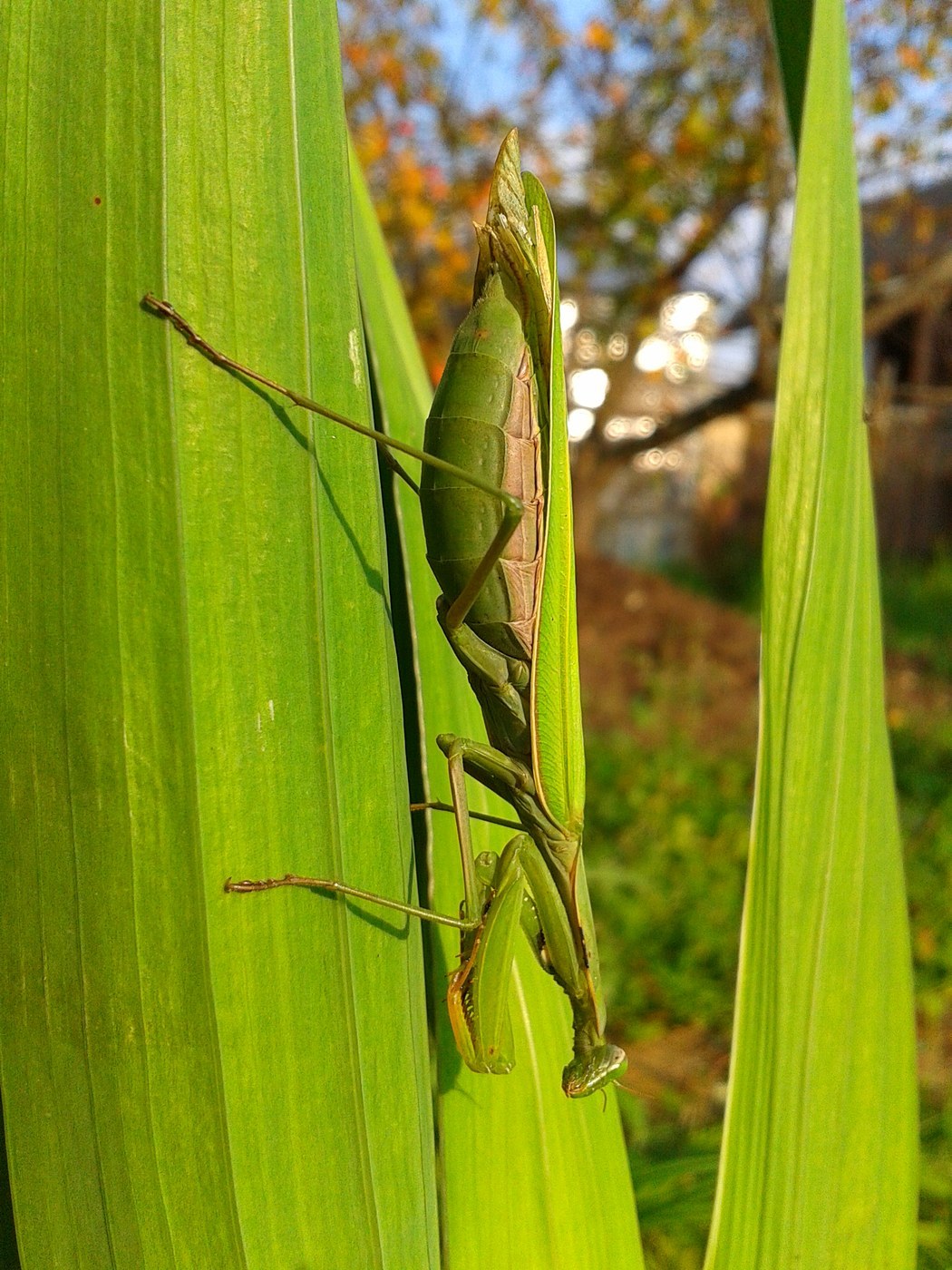
European Mantis
Mantis religiosa
A slender, typically bright green mantis native to Europe, Africa, and Asia, now widely established in North America, easily recognized by a small dark bullseye mark on the inside of its front legs.
- Size
- 50–75 mm
- Habitat
- grasslands, gardens, and shrubby open areas
- Danger
- Harmless
Spotted a bug like this?
Identify any bug or insect from a photo, free.
Overview
The European mantis, Mantis religiosa, is the type species of the mantis order and among the most widespread mantis species globally, native to a broad swath of Europe, Africa, and Asia. It was accidentally introduced to North America around 1899 near Rochester, New York, likely arriving on imported nursery stock, and has since spread across much of the northeastern and midwestern United States and adjacent Canada.
Adults are typically a bright, uniform green, though brown color forms also occur, with a slender body and a characteristic triangular head that can swivel to follow movement. One of the most reliable identifying features is a small dark spot, often described as a bullseye or target mark, located on the inner surface of each front coxa, visible when the raptorial forelegs are extended.
As a widespread ambush predator, the European mantis feeds on a variety of insects it encounters in grassy and shrubby habitats, and its introduction to North America has made it one of the most commonly observed mantis species across a large part of the continent alongside the Chinese mantis.
How to Identify
- Slender body, 50–75 mm, typically bright green, occasionally brown
- Small dark bullseye or target spot visible on the inner base of each front leg
- Triangular head with prominent eyes capable of tracking movement
- Long, spined forelegs folded in the classic 'praying' posture
- Lookalikes: Chinese mantis is larger and lacks the bullseye leg mark; Carolina mantis is smaller and mottled brown-gray
Habitat & Range
Native across much of Europe, Africa, and Asia, the European mantis has become established in the northeastern and midwestern United States and parts of southern Canada since its introduction around 1899. It favors open, sunny habitats with abundant grasses and shrubs, including meadows, roadside verges, gardens, and old fields.
Behavior & Diet
The European mantis is a patient ambush hunter, relying on stillness and green camouflage before striking rapidly with its spined forelegs to seize passing insects. Its diet includes flies, moths, grasshoppers, and other insects encountered while perched motionless on vegetation. As with other mantises, it plays a natural role in regulating local insect populations, while itself being vulnerable to predation by birds and other larger animals, particularly during the earlier, wingless nymphal stages.
Life Cycle
Females produce a frothy, papery egg case, or ootheca, attached to plant stems or other supports in late summer or autumn, which hardens and protects the eggs through the winter months. Nymphs hatch in spring as small, wingless versions of the adult form and undergo a series of molts through summer, gaining functional wings only at the final molt into adulthood. Adults mate and lay eggs before dying with the arrival of cold weather, completing a single generation each year.
Frequently asked questions
How can I identify a European mantis?
Look for a slender, usually bright green mantis with a small dark bullseye mark on the inside base of each front leg, visible when the legs are extended.
Is the European mantis native to North America?
No, it was accidentally introduced near Rochester, New York, around 1899 and has since spread across much of the northeastern and midwestern United States.
What do European mantises eat?
They are ambush predators that feed on a variety of insects, including flies, moths, and grasshoppers encountered in grassy or shrubby habitat.
How does the European mantis survive winter?
Adults die with the onset of cold weather, and the species overwinters as eggs protected inside a hardened egg case attached to vegetation.
European Mantis guides
In-depth guides for identifying, understanding, and living alongside European Mantis.
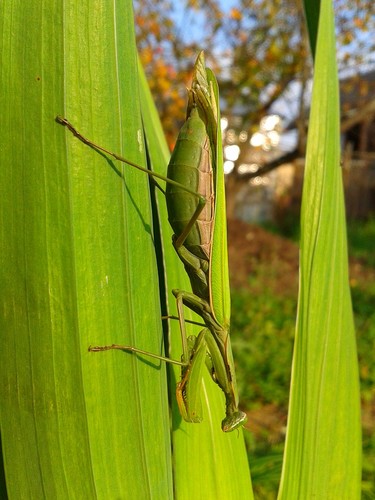
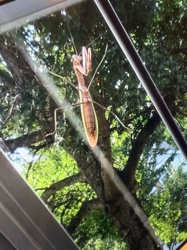
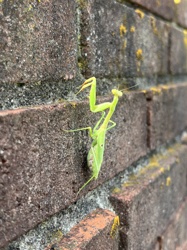
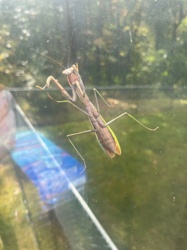
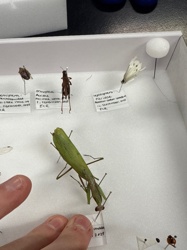
European Mantis identified by the community
Real finds identified with Bug Identifier.

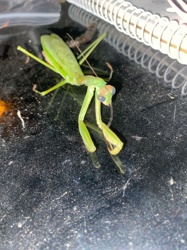
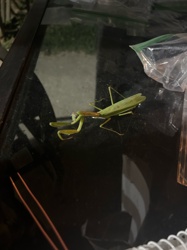
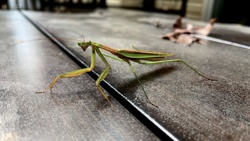
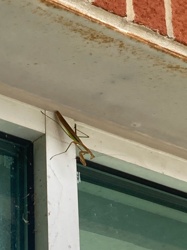
Other bugs you may enjoy
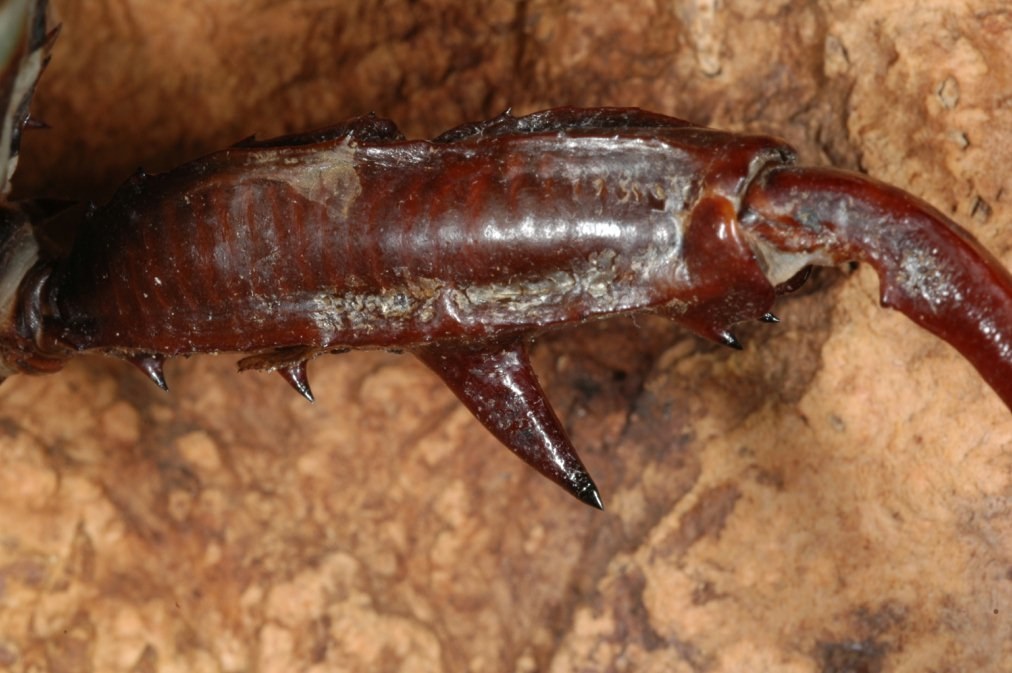
Walking Stick Insect
Trees, shrubs and leaf litter in forests, woodlands and gardens
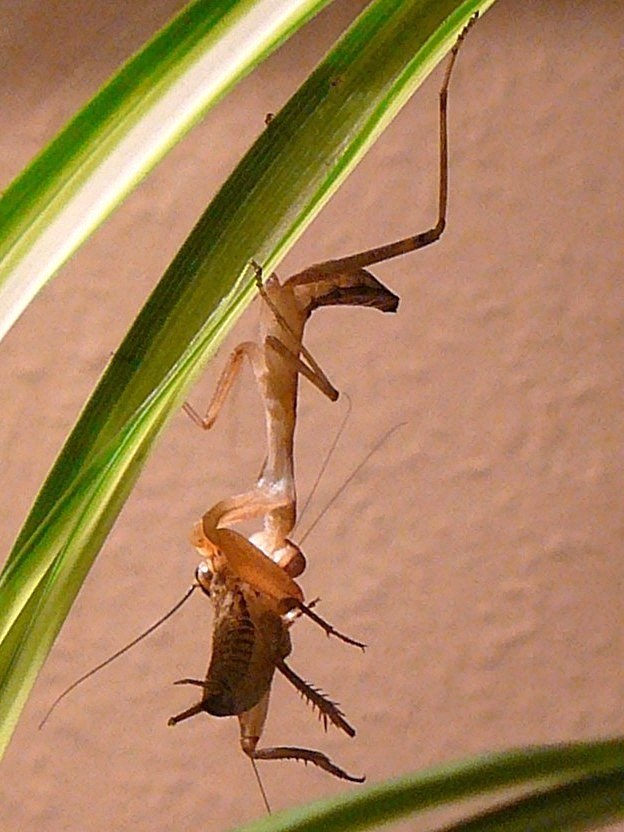
African Mantis
grasslands, shrubs, and gardens across sub-Saharan Africa
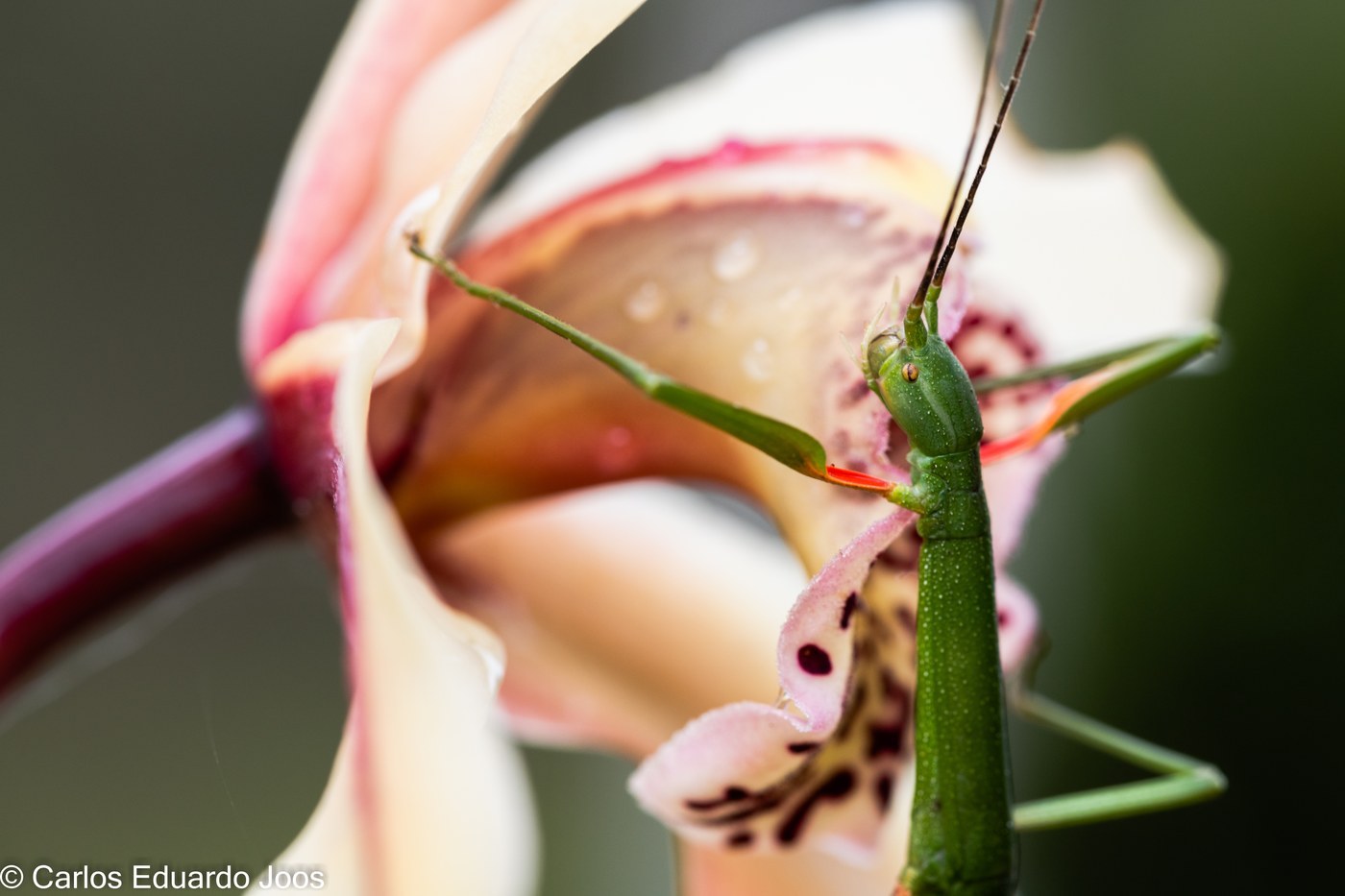
Walking Stick
Deciduous woodlands, forest edges, and shrubby vegetation
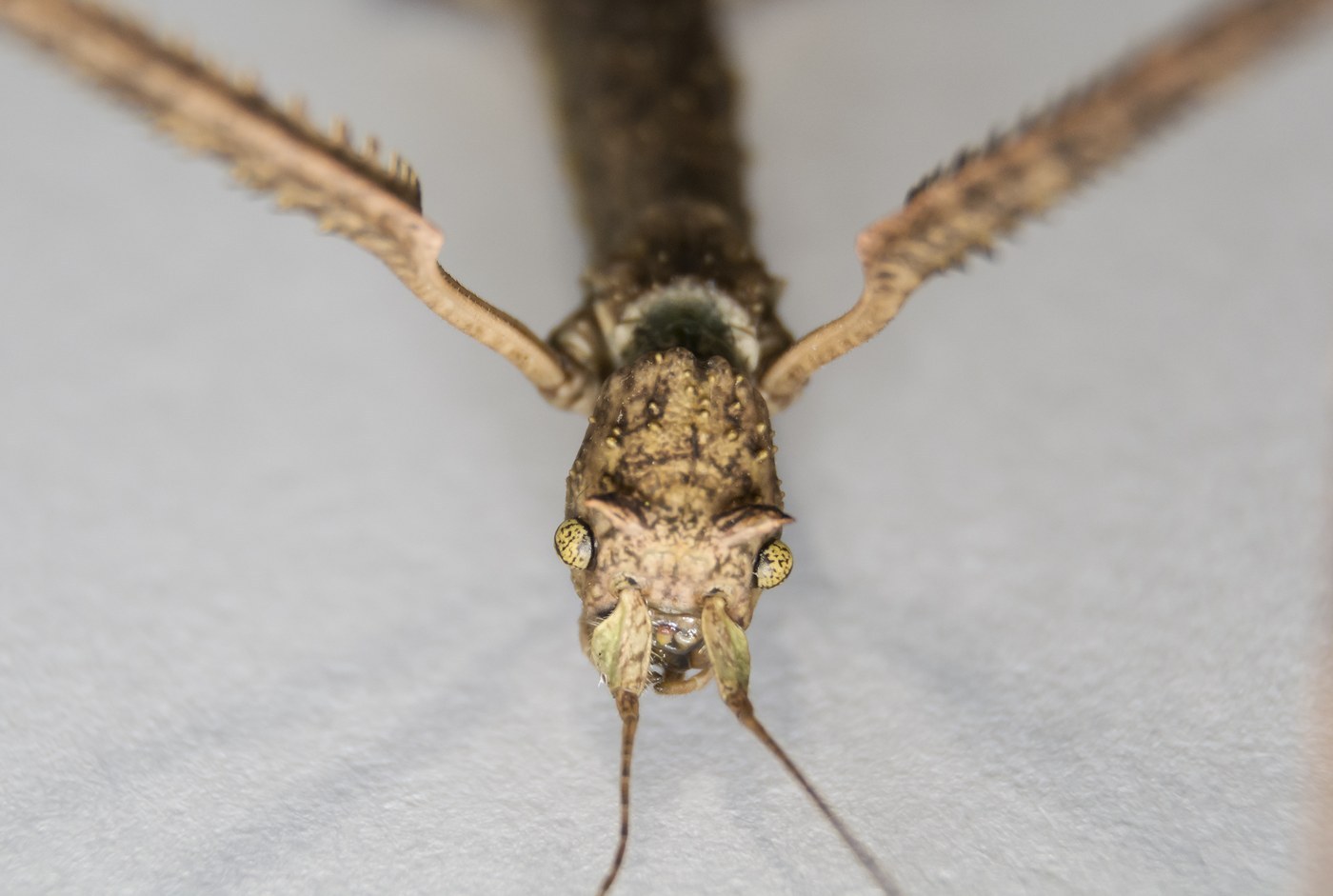
Vietnamese Walking Stick
tropical forests of Vietnam; widely kept in captivity worldwide
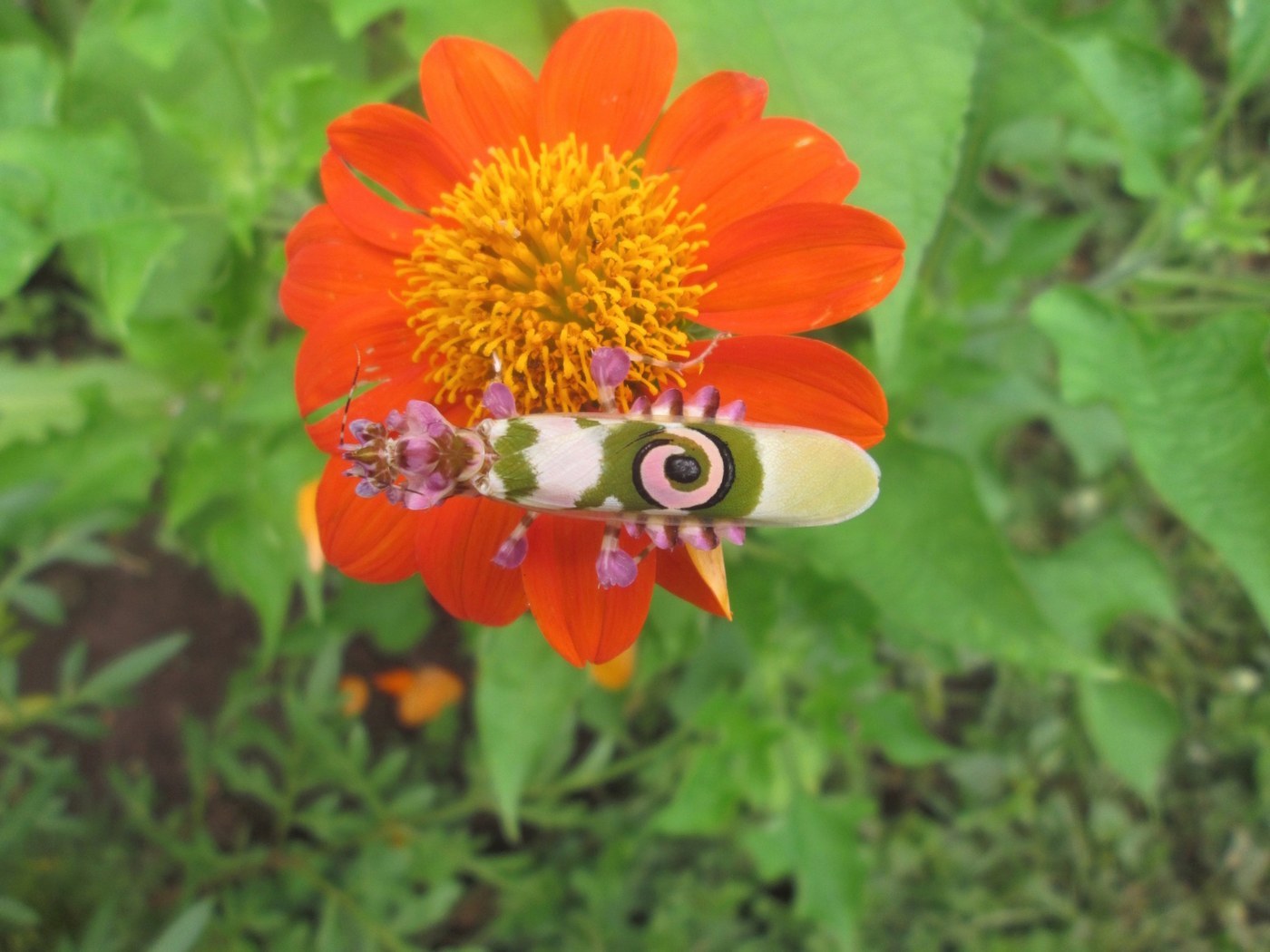
Spiny Flower Mantis
African savanna and woodland shrubs and flowering plants
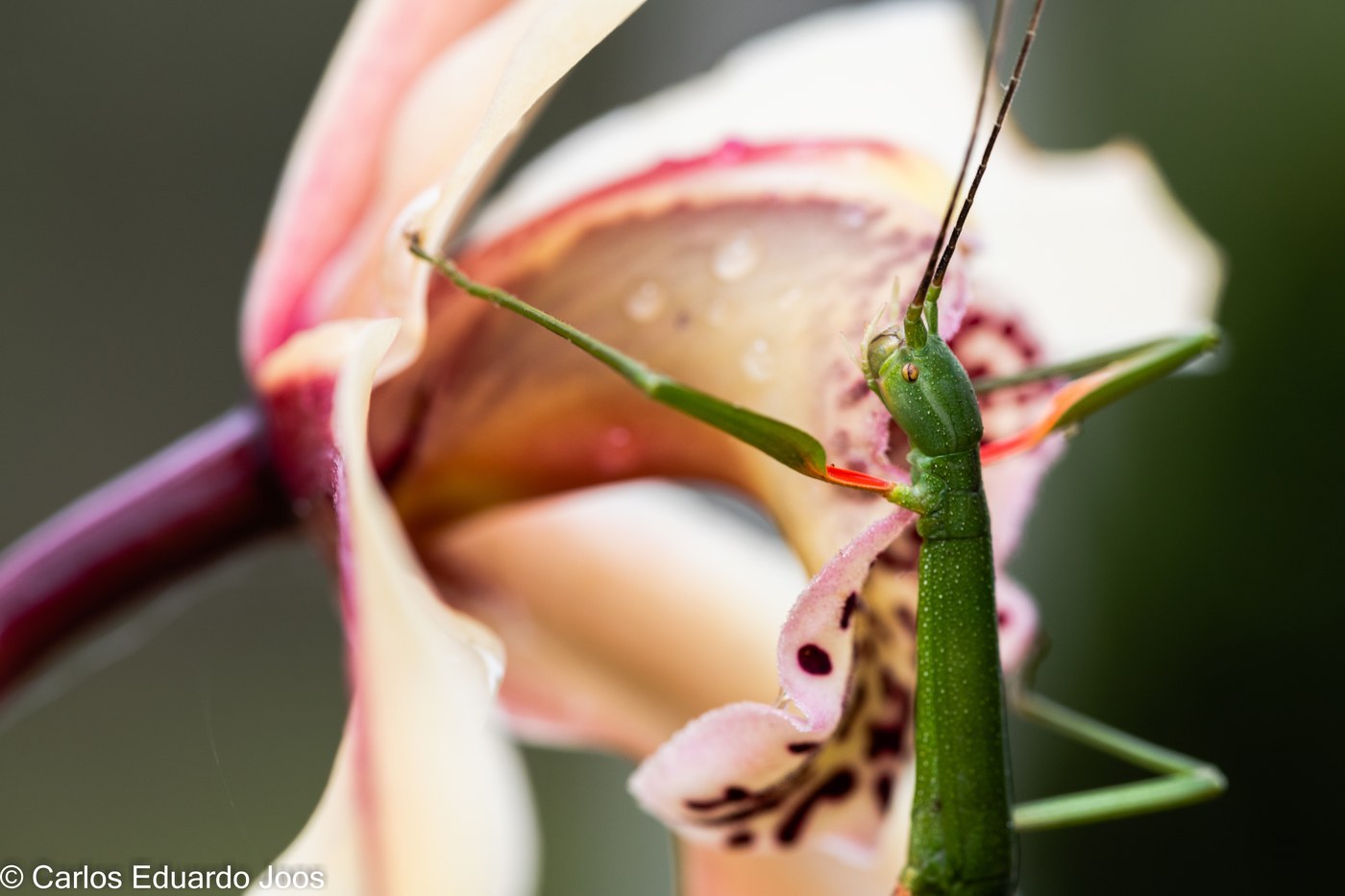
Northern Walkingstick
deciduous forests and woodland edges of the eastern and central United States and southern Canada
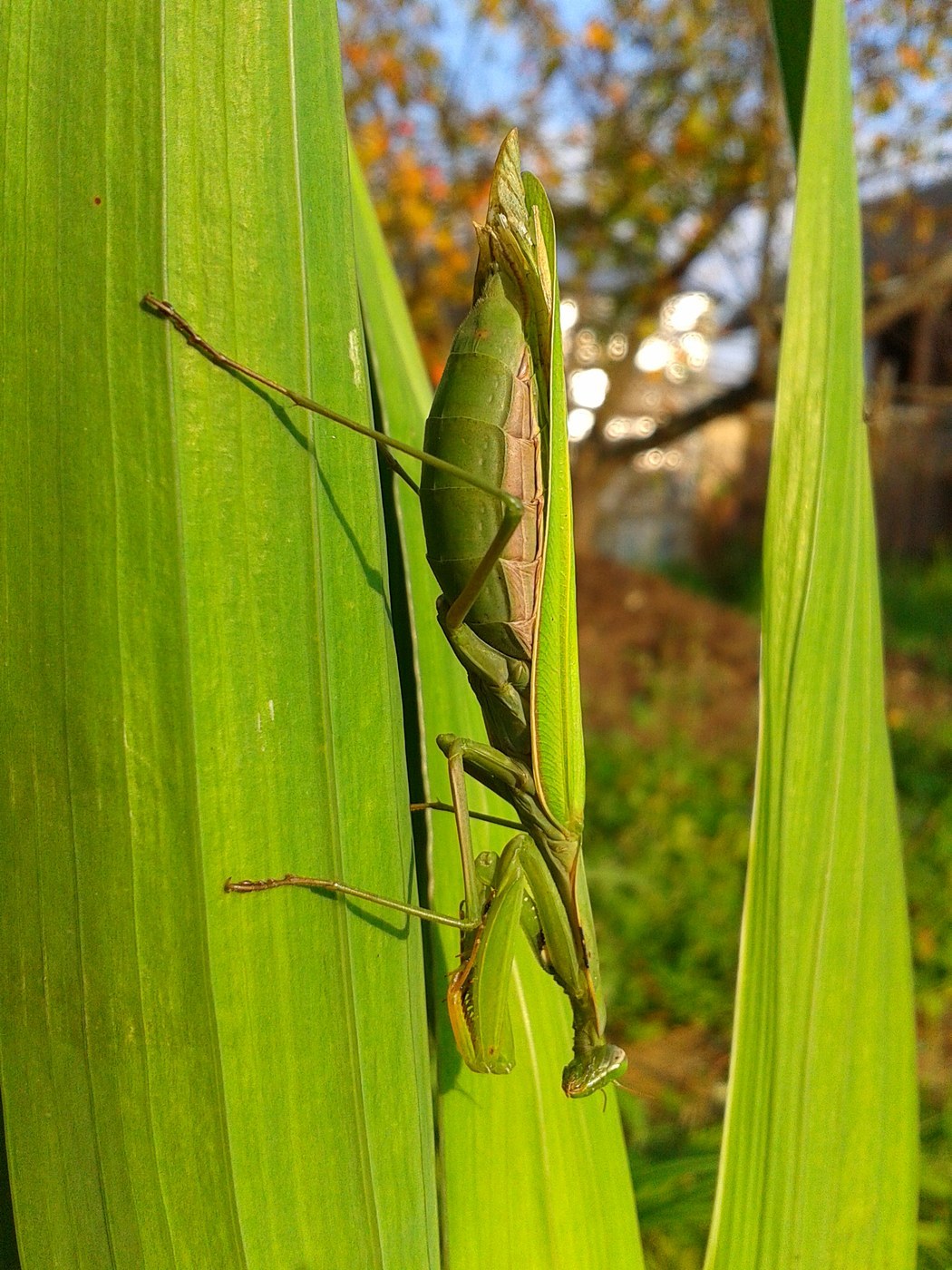
Praying Mantis
Gardens, meadows, shrubs, and tall grass
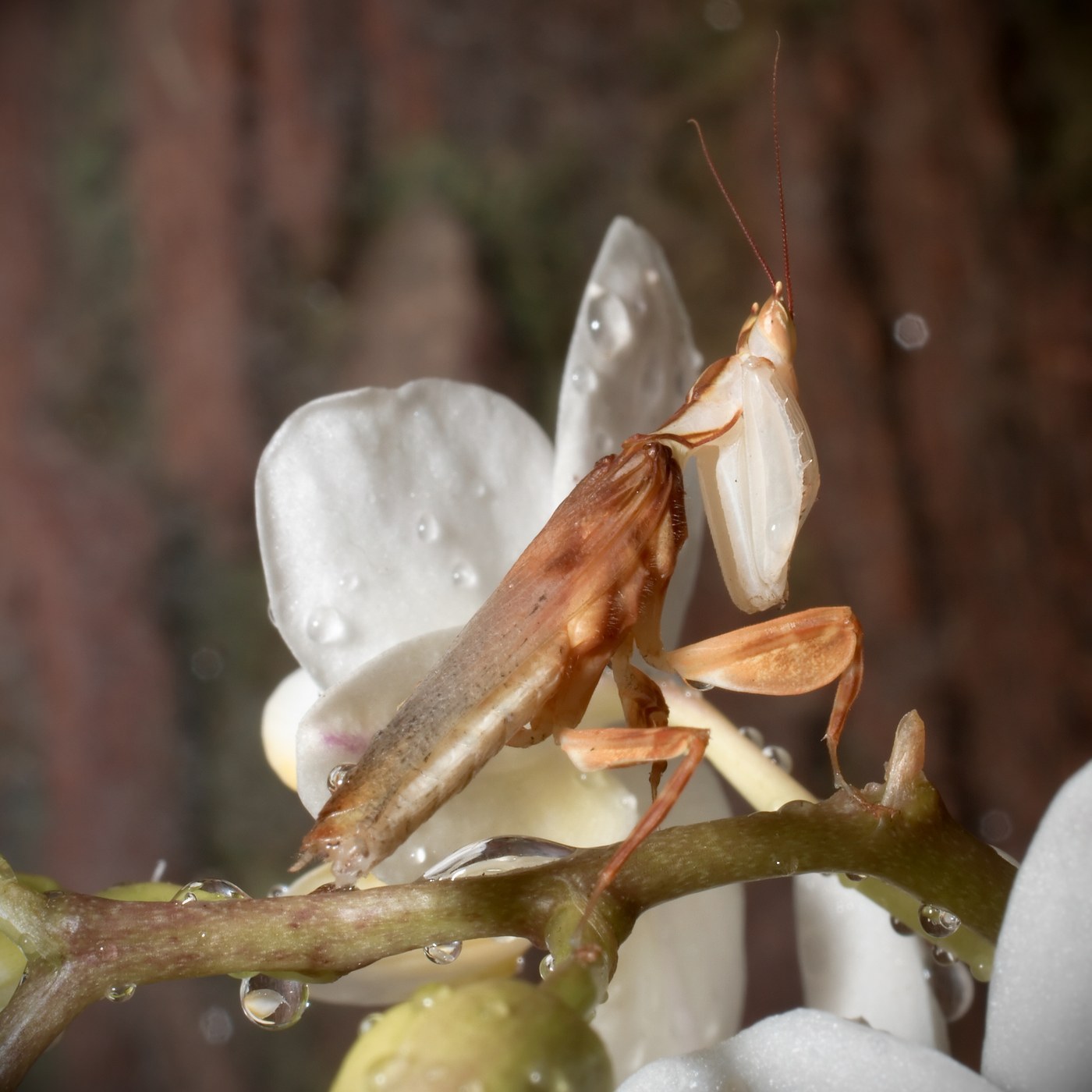
Orchid Mantis
tropical rainforests and flowering shrubs of Southeast Asia
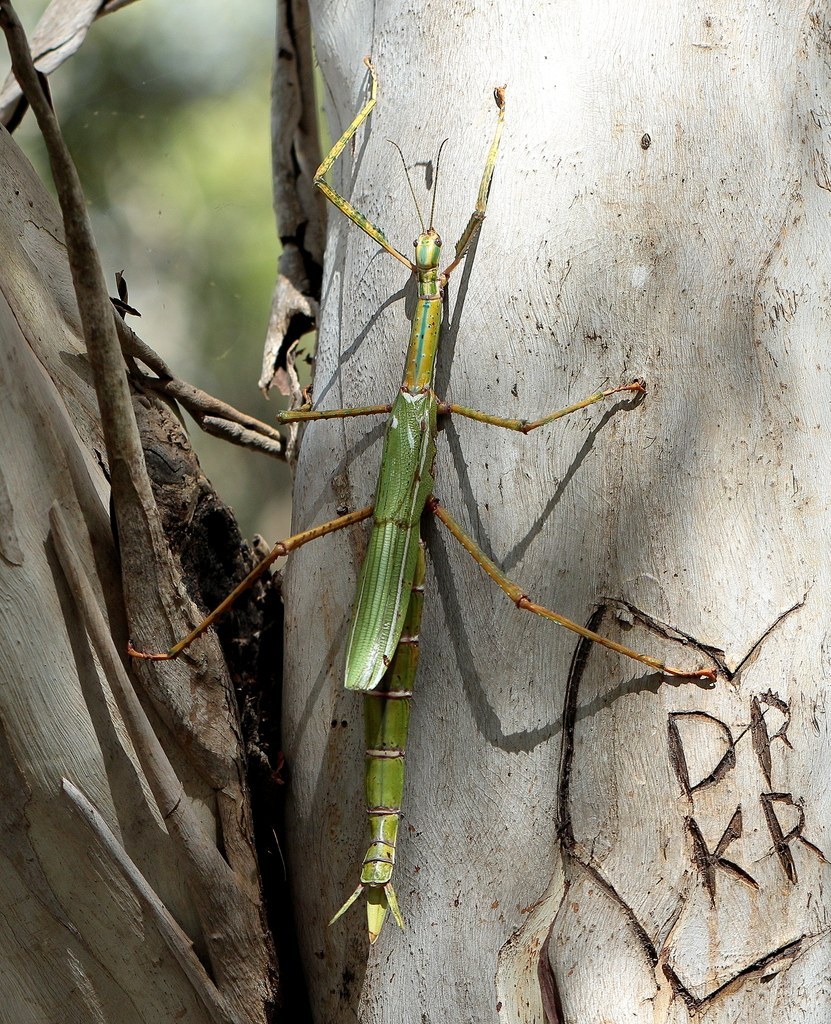
Goliath Stick Insect
Tropical and subtropical eucalypt forests and woodland canopy
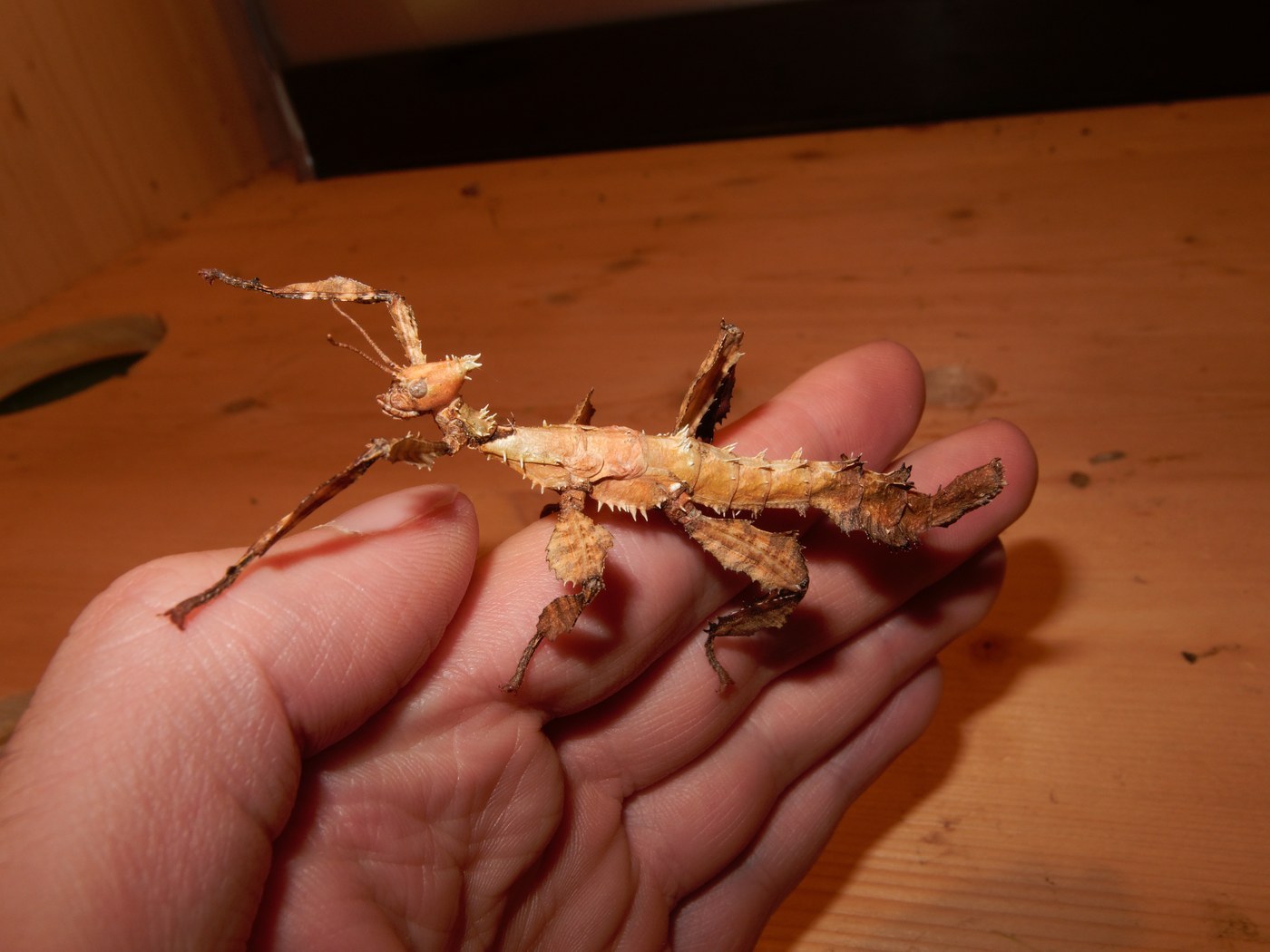
Giant Prickly Stick Insect
eucalyptus forests and shrubland of eastern Australia and New Guinea
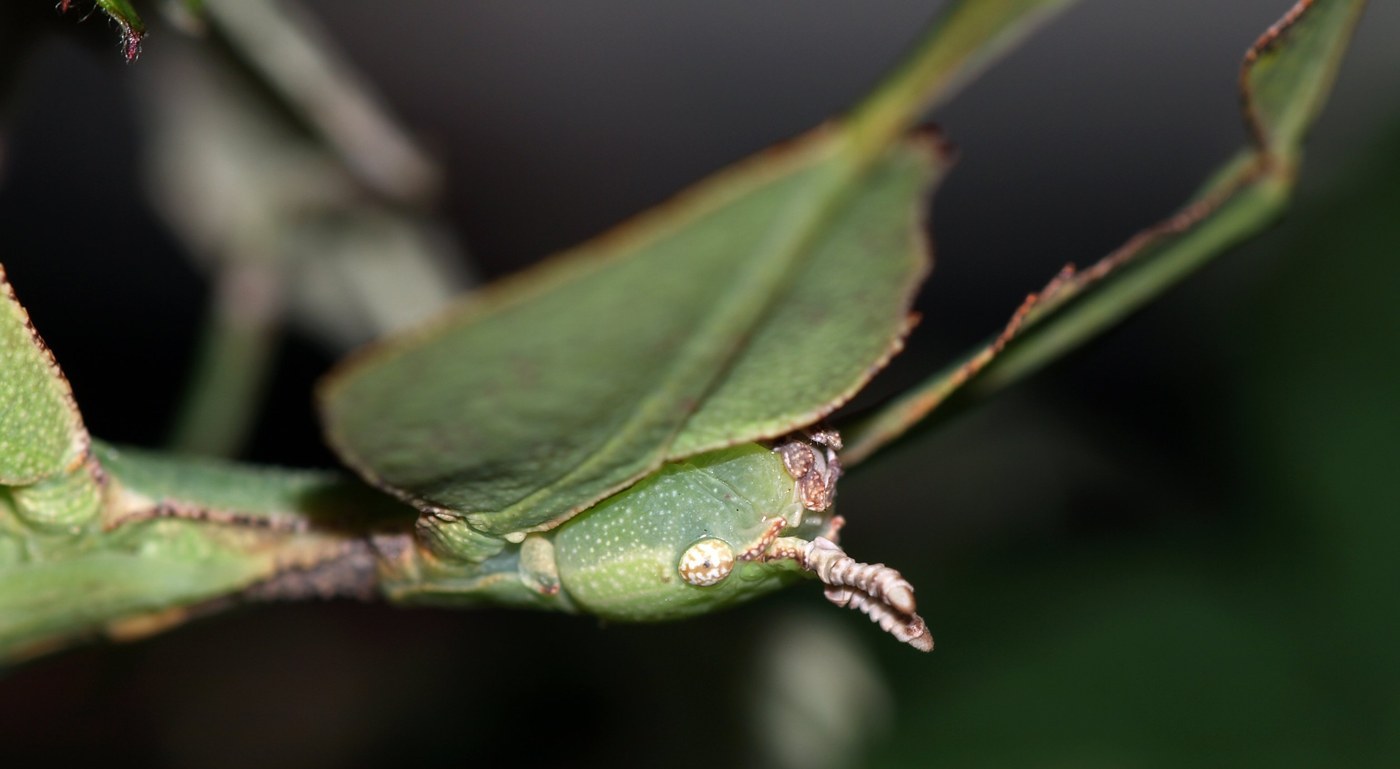
Javanese Leaf Insect
Tropical lowland and montane forest foliage
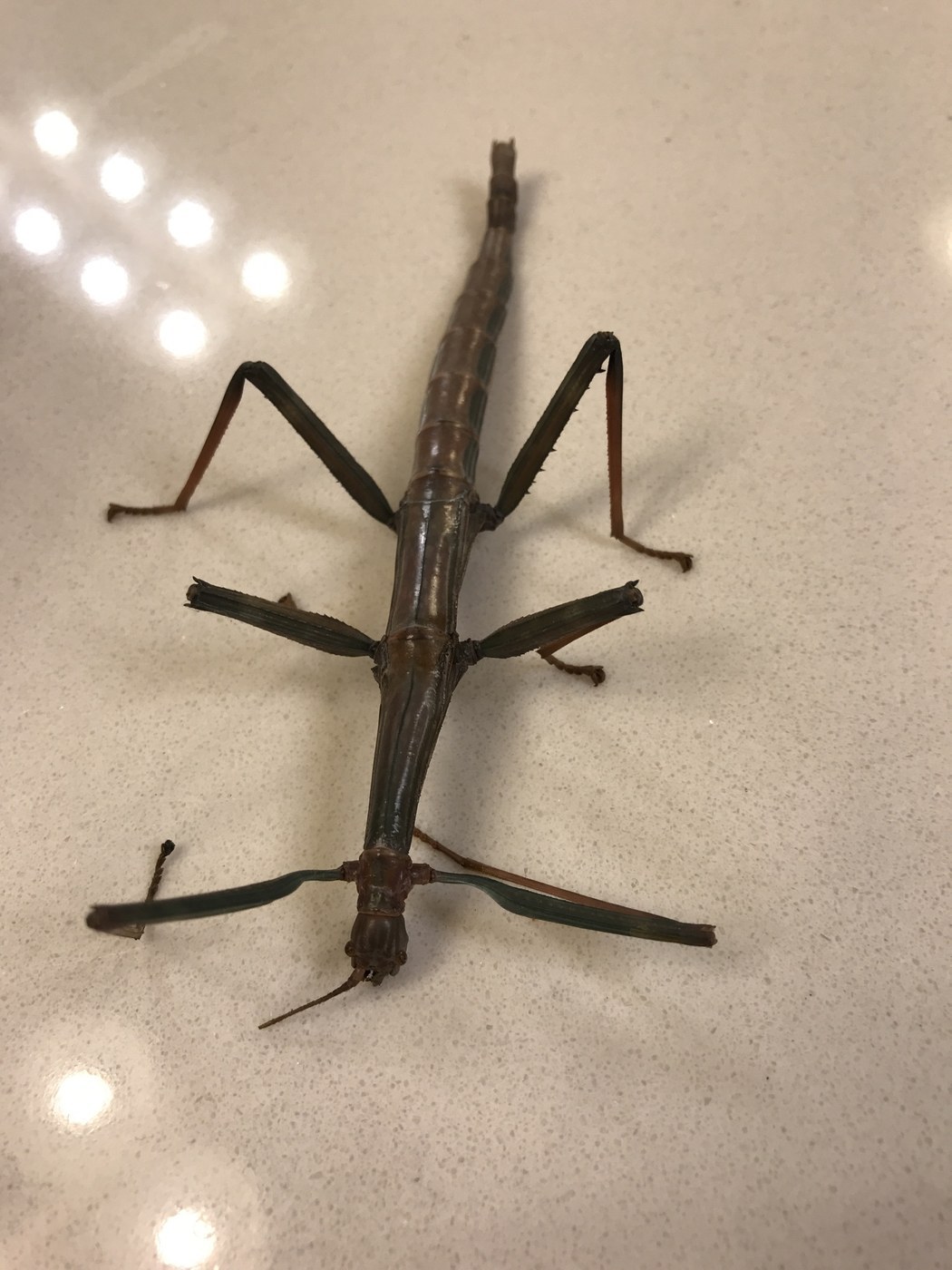
Giant Walking Stick
Deciduous woodlands, forest edges, and shrubby thickets