Grape Leaffolder Caterpillar Identification Guide
Spot this small pale-green grapevine caterpillar by the folded or rolled leaf shelters it spins with silk.
Read the full Grape Leaffolder Caterpillar encyclopedia entry →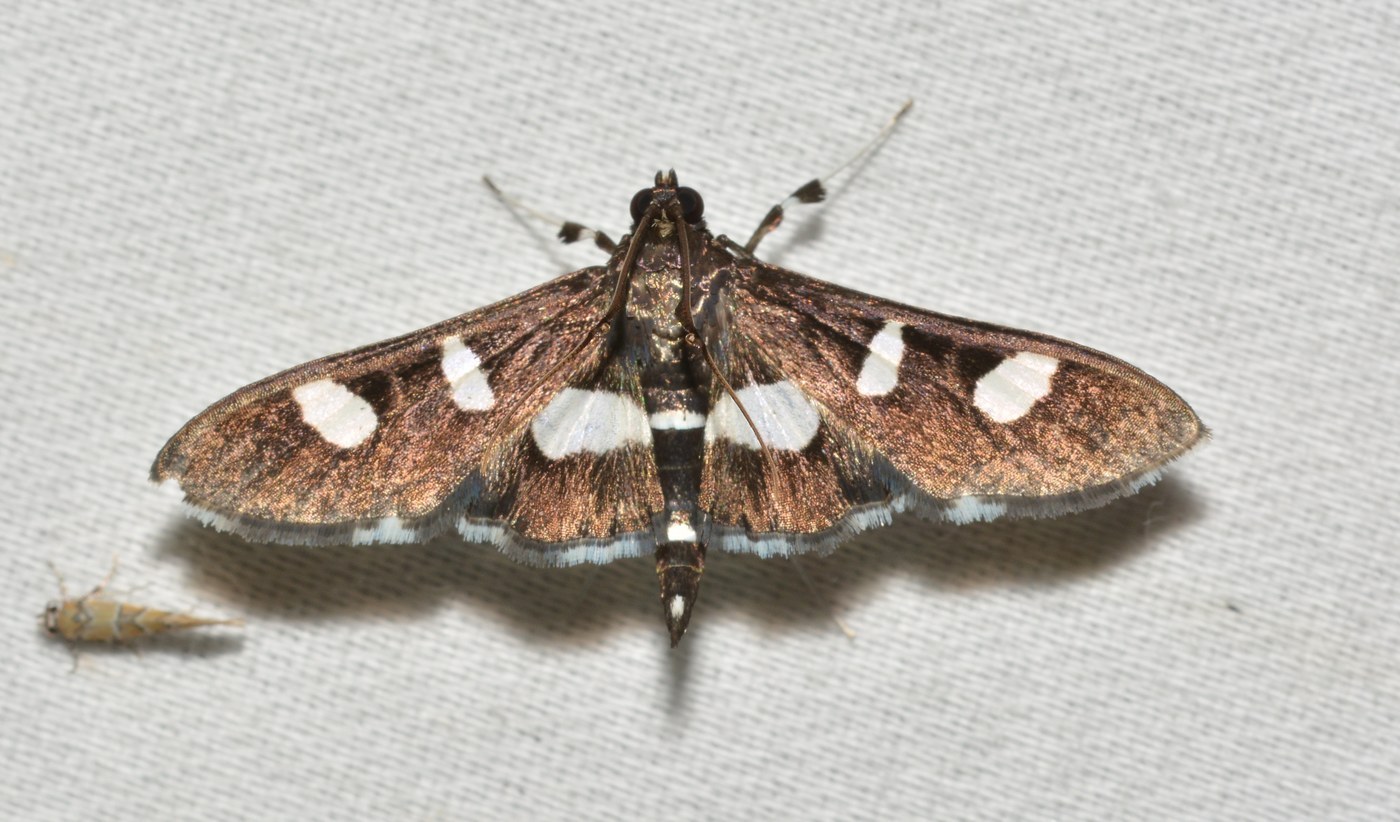
Key Visual Features
The grape leaffolder caterpillar is a small, slender larva best identified as much by its distinctive shelter-building behavior as by its body markings.
- Body color: Pale yellow-green to translucent green, often allowing internal structures to be faintly visible through the skin.
- Head: Small and black or dark brown, standing out clearly against the pale body.
- Body shape: Slender and elongated, tapering slightly toward the rear, with fine, sparse hairs.
- Size: Small, typically under an inch (around 2 cm) at maturity.
- Silk shelters: Rather than feeding openly, the larva folds or rolls a section of grape leaf and binds it with silk threads, creating a tube-like shelter in which it rests and feeds, skeletonizing the leaf tissue from within.
Where and When You'll See It
Grape leaffolder caterpillars are found wherever grapevines grow, including both wild and cultivated grapes, across much of North America. They are most commonly noticed in summer, when folded or rolled sections of grape leaves stand out against the surrounding foliage. Multiple generations can occur in a single growing season in warmer regions.
Similar-Looking Caterpillars
- Other leafroller/leaftier caterpillars: Many small moth larvae fold or roll leaves in a similar way; the grape leaffolder is distinguished primarily by its restriction to grapevine leaves and its pale green body with a contrasting black head.
- Grape berry moth larva: Also feeds on grapevines but targets the fruit clusters and flower buds rather than folding leaves, and has a more uniformly colored head.
- Achemon sphinx or other grapevine caterpillars: Larger, smoother-bodied caterpillars with a horn near the rear, feeding openly on leaves rather than building folded shelters.
Quick ID Checklist
- Small, slender, pale yellow-green body under 2 cm long
- Small black head contrasting with the pale body
- Found inside folded or rolled sections of grape leaves bound with silk
- Restricted to grapevine (wild or cultivated) as a host plant
- Most visible in summer when leaf folds appear on vines
Frequently asked questions
How do I know a folded grape leaf contains a leaffolder caterpillar?
Look for a section of grape leaf rolled or folded over and held together with fine silk threads; gently unrolling it may reveal the pale green larva with a black head resting inside.
What plants does the grape leaffolder caterpillar feed on?
It feeds specifically on grapevine leaves, including both wild and cultivated grape varieties.
How can I tell a grape leaffolder from a grape berry moth larva?
The leaffolder folds leaves into shelters and feeds on leaf tissue, while the berry moth larva targets flower clusters and developing fruit rather than folding leaves.
What does the adult grape leaffolder moth look like?
The adult is a small moth with dark brown to black wings marked with pale bands, quite different from the pale green larval stage.
Grape Leaffolder Caterpillar identified by the community
Recent Grape Leaffolder Caterpillar finds identified with Bug Identifier.