Gypsy Moth Caterpillar (Spongy Moth) Identification Guide
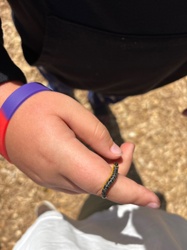
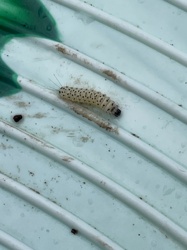
Identify the spongy moth caterpillar by its rows of paired blue and red dots running down a dark, hairy body.
Read the full Gypsy Moth Caterpillar (Spongy Moth) encyclopedia entry →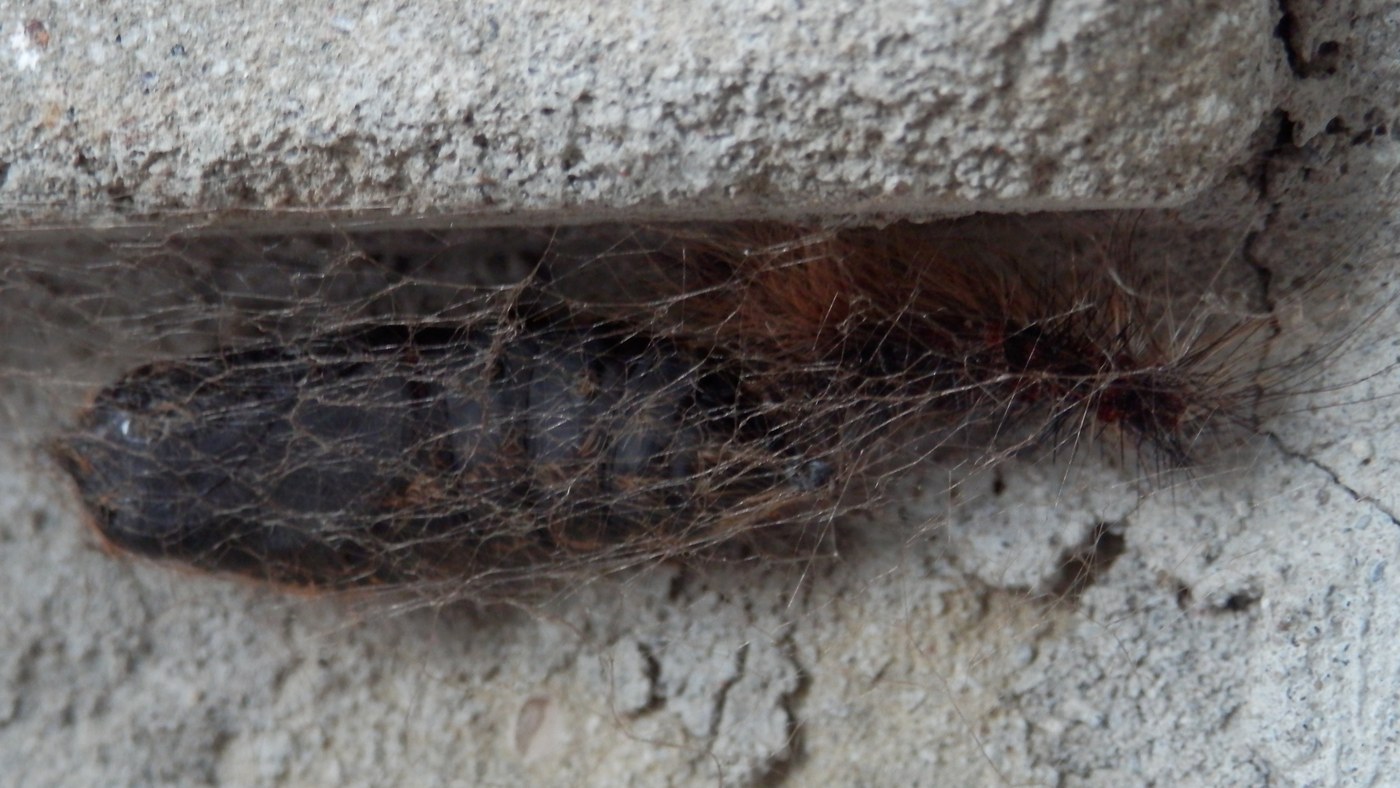
Key Visual Features
- Dark gray to nearly black body covered in tufts of long, bristly hairs
- Distinctive double row of raised colored dots down the back: five pairs of blue dots toward the front, followed by six pairs of red dots toward the rear
- Grows to about 2 to 2.5 inches long at full size, among the larger common caterpillars
- Head is typically mottled yellow and black or dark gray, often with a speckled pattern
- Body appears somewhat flattened and broad, with hair tufts radiating outward from each segment
- No silk tent or web is built by this species, unlike some other communal caterpillars
Where and When You'd See Them
- Found on a very wide range of trees, especially oak, but also many other hardwoods and even some conifers
- Active from spring into early summer, typically hatching as trees leaf out and finishing feeding by early-to-mid summer
- Young caterpillars may be found in loose groups near egg masses, while older caterpillars tend to disperse and feed individually
- Often seen resting on tree trunks or bark during the day and moving to feed on foliage at night
Similar-Looking Bugs
- Eastern tent caterpillars have a solid white stripe down the back and rows of blue spots, but lack the gypsy moth's paired red dots and build an obvious silk tent, which gypsy moth caterpillars do not.
- Forest tent caterpillars show pale keyhole-shaped spots in a single row rather than the gypsy moth's two-toned double row of blue-then-red dots.
- Tussock moth caterpillars have dense, brush-like hair tufts and often a fuzzy "toothbrush" cluster on the back, differing from the gypsy moth's smoother rows of colored dots.
- Woolly bear caterpillars have uniform banded black and reddish-brown bristles without the gypsy moth's distinct blue-then-red dot pattern.
Quick ID Checklist
- Dark, hairy body with rows of raised dots: blue toward the head, red toward the tail
- Mottled yellow-and-dark head pattern
- Grows up to about 2.5 inches long
- Found on oak and many other hardwood trees, spring through early summer
- No communal silk tent built, unlike some other caterpillars
Frequently asked questions
What is the clearest way to identify a gypsy moth (spongy moth) caterpillar?
Look for the two-tone row of raised dots down its back — five pairs of blue dots near the head followed by six pairs of red dots toward the tail — a pattern unique among common hairy caterpillars.
Does the gypsy moth caterpillar build a silk tent like other caterpillars?
No, unlike eastern tent caterpillars, gypsy moth (spongy moth) caterpillars do not construct a communal silk tent; older larvae typically disperse and feed individually.
What trees are gypsy moth caterpillars most associated with?
They feed on a very broad range of hardwood trees but show a strong preference for oak, while also using many other tree species.
When during the year would I see gypsy moth caterpillars?
They are active from spring through early summer, hatching as new leaves emerge and finishing their larval feeding stage by early-to-mid summer.
Gypsy Moth Caterpillar (Spongy Moth) identified by the community
Recent Gypsy Moth Caterpillar (Spongy Moth) finds identified with Bug Identifier.