Lacewing Identification Guide
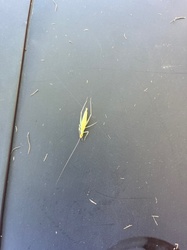
Identify this delicate, pale green insect by its lacy, transparent wings and slender, thread-like antennae.
Read the full Lacewing encyclopedia entry →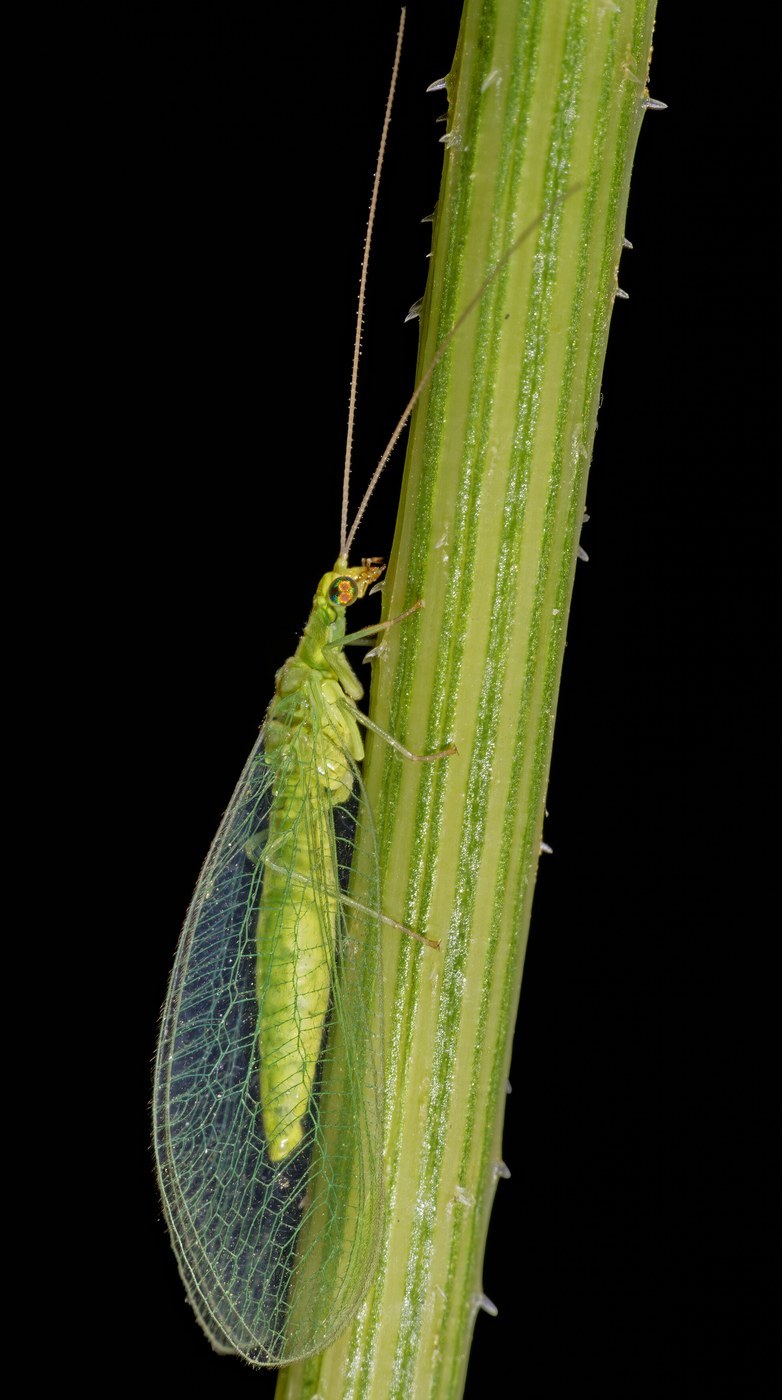
Key Visual Features
Lacewings are named for the intricate, net-like venation visible in their large, transparent wings, which is one of the clearest identifying features in the group.
- Size: Adults typically measure 1.2 to 2 centimeters in body length, with a wingspan somewhat larger.
- Body shape: Slender, elongated, and delicate, with a soft, narrow abdomen.
- Color: Most common species are pale green or light brown, though some are more yellowish; the body often has a slightly translucent quality.
- Wings: Two pairs of large, clear, membranous wings held roof-like (tent-shaped) over the body at rest, crossed with a fine, lace-like network of veins that gives the group its name.
- Eyes: Large, prominent, often coppery or golden-colored compound eyes.
- Antennae: Long, thin, thread-like antennae, often as long as or longer than the body.
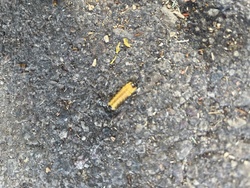
- Larvae: Very different from the adult — flattened, tapering, alligator-like grubs with large, curved, pincer-like jaws, mottled brown or gray, and sometimes covered in debris they carry as camouflage.
Where and When You'd See Them
Lacewings are found in gardens, meadows, woodlands, and agricultural areas from spring through fall, wherever soft-bodied prey insects such as aphids are abundant. Adults are primarily active at dusk and after dark, often attracted to porch lights and windows at night, while during the day they tend to rest quietly on the undersides of leaves. Larvae are found crawling on foliage in daylight, actively hunting prey.
Similar-Looking Bugs
- Antlions (adult form): Adult antlions can look superficially similar with clear, veined wings and a slender body, but antlions have shorter, clubbed antennae compared to a lacewing's long, thread-like antennae.
- Mayflies: Also have delicate, veined wings, but mayflies hold their wings upright rather than tent-like, and have two or three long tail filaments that lacewings lack.
- Caddisflies: Similarly soft-bodied with wings held tent-like over the back, but caddisfly wings are often hairy or scaled rather than clear and lace-veined, and their antennae, while long, are typically held differently at rest.
- Green lacewing larvae vs. ladybird larvae: Both are alligator-shaped predators found on the same plants, but lacewing larvae have prominent, sickle-shaped, forward-pointing jaws, while ladybird larvae have shorter mouthparts and a more spotted or ridged body pattern.
Quick ID Checklist
- Slender, pale green or light brown body, 1.2–2 cm long
- Large, clear, finely veined wings held tent-like over the back
- Long, thread-like antennae, often as long as the body
- Prominent coppery or golden eyes
- Larvae are flattened, alligator-like, with large curved pincer jaws
Frequently asked questions
What gives the lacewing its name?
The fine, net-like pattern of veins running through its large, transparent wings, which resemble delicate lace.
How can I tell an adult lacewing from a mayfly?
Lacewings hold their wings tent-like over the body and lack tail filaments, while mayflies hold their wings upright and have two or three long tail filaments.
Do lacewing larvae look like the adults?
No, larvae are flattened, alligator-shaped grubs with large curved pincer jaws, quite different from the delicate, winged adult form.
When are adult lacewings most active?
Mostly at dusk and after dark, when they are often drawn to lights, while resting quietly on leaf undersides during the day.
Lacewing identified by the community
Recent Lacewing finds identified with Bug Identifier.