
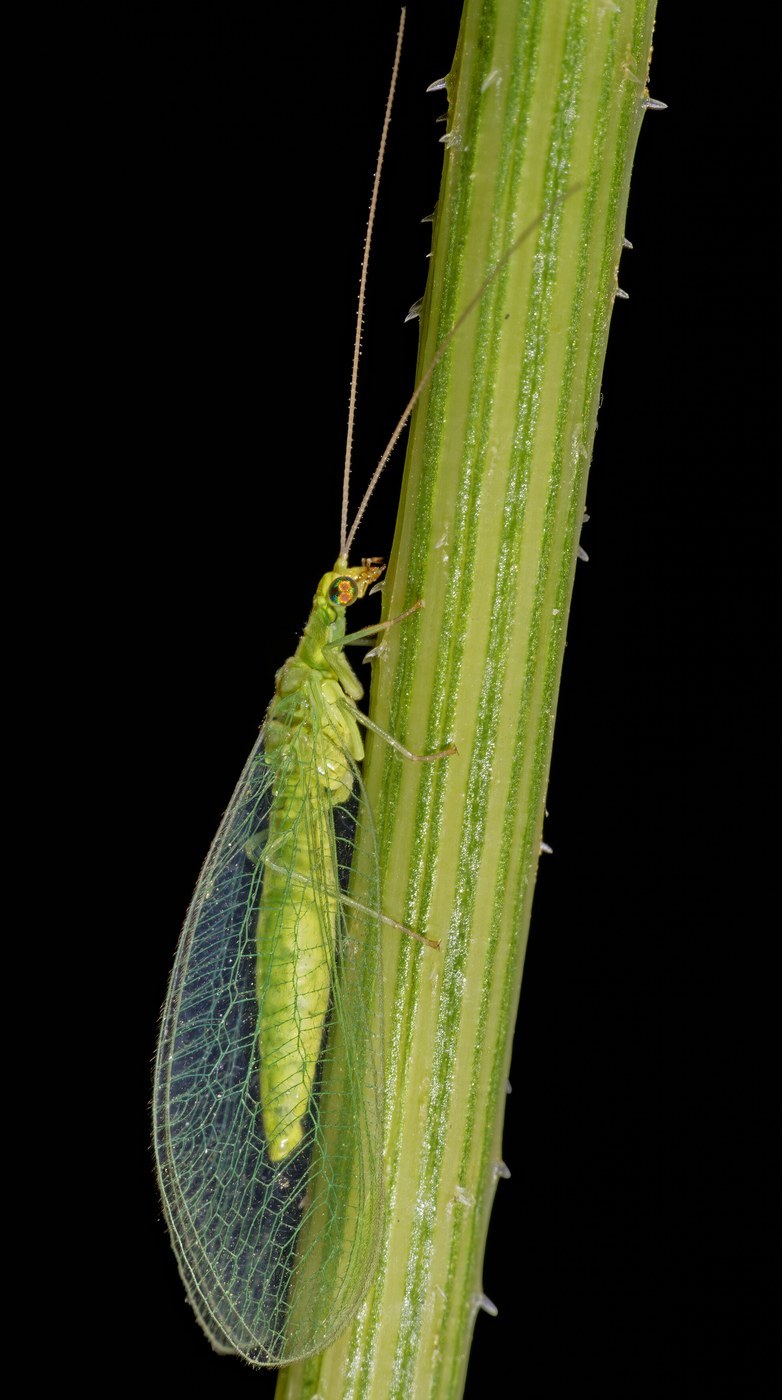
Lacewing
Chrysoperla carnea
A delicate, pale green insect with large, transparent, intricately veined wings and shining golden or copper-colored eyes, valued as a natural predator of aphids in its larval form.
- Size
- 12–20 mm body, ~25–35 mm wingspan
- Habitat
- Gardens, meadows, woodland edges, and agricultural fields
- Danger
- Harmless
Spotted a bug like this?
Identify any bug or insect from a photo, free.
Overview
The green lacewing is a member of the order Neuroptera, a group of insects known for their finely netted, lace-like wing venation. Common green lacewings in the genus Chrysoperla are among the most familiar and widespread lacewings found in gardens and agricultural areas across much of the world.
Adults have slender, elongated pale green bodies and two pairs of large, transparent, delicately veined wings held roof-like over the back at rest, along with distinctive metallic gold or copper-colored compound eyes. Their long, thread-like antennae and gentle, fluttering flight give them a fragile, ethereal appearance.
Lacewings are particularly notable in the natural world for the ferocious predatory habits of their larvae, sometimes called aphid lions, which are voracious feeders on aphids and other small soft-bodied insects, making the species ecologically important as a natural check on many plant-feeding pest insects.
How to Identify
- Adult body is slender and elongated, pale green to yellowish-green, roughly 12–20 mm long, with a somewhat translucent, delicate appearance.
- Wings are large relative to the body, transparent to pale green, and marked with a dense network of fine veins resembling lace; wings are held tent-like over the back when at rest.
- Eyes are large and often strikingly metallic gold or coppery in color, a key identification feature.
- Antennae are long, thin, and thread-like, extending well beyond the head.
- Larvae look entirely different from adults: elongated, tapered, brownish or mottled grubs with prominent sickle-shaped, pincer-like jaws used to seize prey, sometimes camouflaged with debris carried on their backs.
Habitat & Range
Lacewings are found across much of the world in a wide range of vegetated habitats, including gardens, meadows, hedgerows, woodland edges, and agricultural fields, wherever aphids and other small soft-bodied insects are available as prey for their larvae. Adults are commonly attracted to flowering plants and areas with abundant foliage.
Adults are most active during warm months, from spring through fall in temperate regions, and are frequently active at dusk and night, often drawn to porch lights and other artificial light sources. In colder climates, adults may overwinter in sheltered locations such as leaf litter, bark crevices, or structures, becoming active again in spring.
Behavior & Diet
Adult lacewings feed on nectar, pollen, and honeydew in many species, while some also consume small soft-bodied insects; it is the larval stage that is most significant as a predator. Lacewing larvae actively hunt and consume large numbers of aphids, mites, small caterpillars, and other soft-bodied insect prey, using their curved, hollow jaws to pierce prey and withdraw body fluids.
Adults have a fluttering, somewhat weak flight and are often seen resting on foliage with wings folded tent-like over the body. Some lacewing species produce a mildly unpleasant odor when disturbed, a possible defensive trait. Because of their larvae's predatory habits, lacewings are widely recognized as beneficial insects that help naturally regulate populations of aphids and other small plant-feeding pests within garden and agricultural ecosystems.
Life Cycle
Lacewings undergo complete metamorphosis with egg, larva, pupa, and adult stages. Females lay distinctive eggs, each suspended at the tip of a slender silken stalk attached to a leaf or twig, an adaptation thought to help protect eggs from predation, including by other lacewing larvae.
Larvae emerge and immediately begin actively hunting soft-bodied prey, passing through three instars over a period of a few weeks while consuming substantial numbers of aphids and similar insects. Mature larvae spin a round silken cocoon in which they pupate, emerging as winged adults after one to two weeks. Multiple generations can occur per year in warm climates, and adults or late-stage individuals overwinter in sheltered locations in colder regions.
Frequently asked questions
What is an 'aphid lion'?
It is the common nickname for the lacewing larva, reflecting its aggressive, active hunting behavior as it seeks out and consumes large numbers of aphids and other small soft-bodied insects.
Why do lacewing eggs look like they're on tiny stalks?
Females attach each egg to the tip of a thin silken thread, which is thought to help keep the eggs out of reach of predators, including hungry lacewing larvae from other egg batches.
Are lacewings harmful to garden plants?
No, adult lacewings mainly feed on nectar, pollen, and honeydew, while their larvae are predatory on pest insects, making the species broadly considered beneficial rather than harmful to plants.
Why are lacewings attracted to lights at night?
Like many night-flying insects, adult lacewings are drawn to artificial light sources, which is why they are commonly seen near porch lights or windows after dark.
Lacewing guides
In-depth guides for identifying, understanding, and living alongside Lacewing.
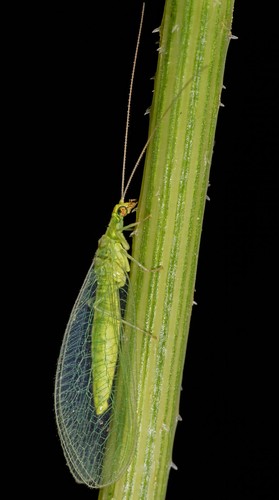
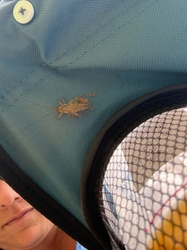
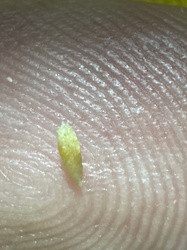
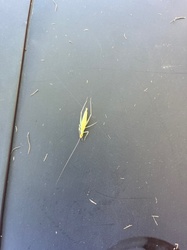
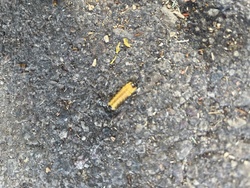
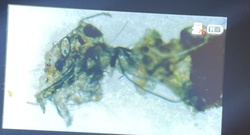
Lacewing identified by the community
Real finds identified with Bug Identifier.
Other bugs you may enjoy
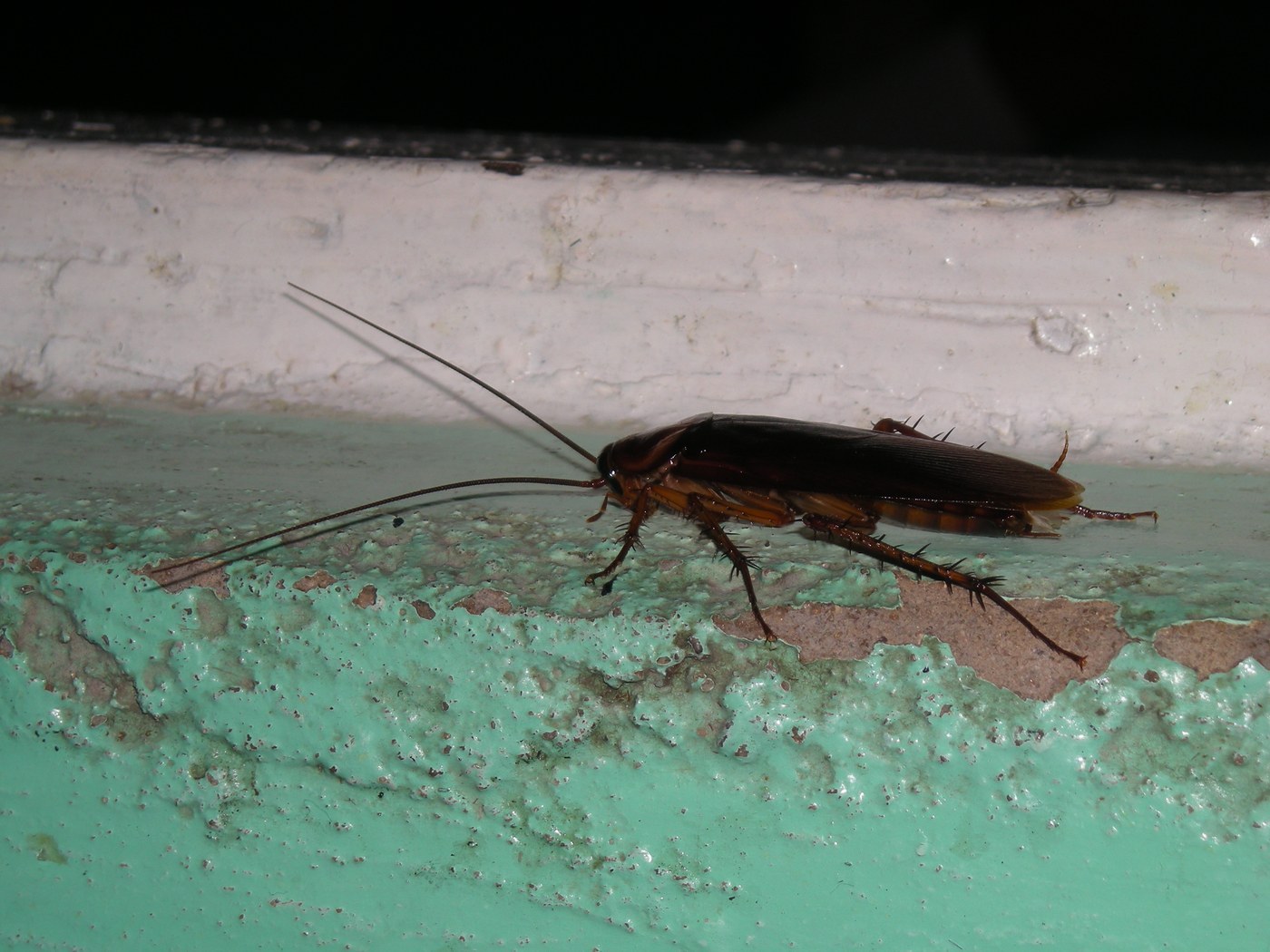
American Cockroach
Warm, humid environments such as basements, sewers, drains, and tropical outdoor settings
Thrips
Flowers, foliage, gardens, greenhouses, crop fields
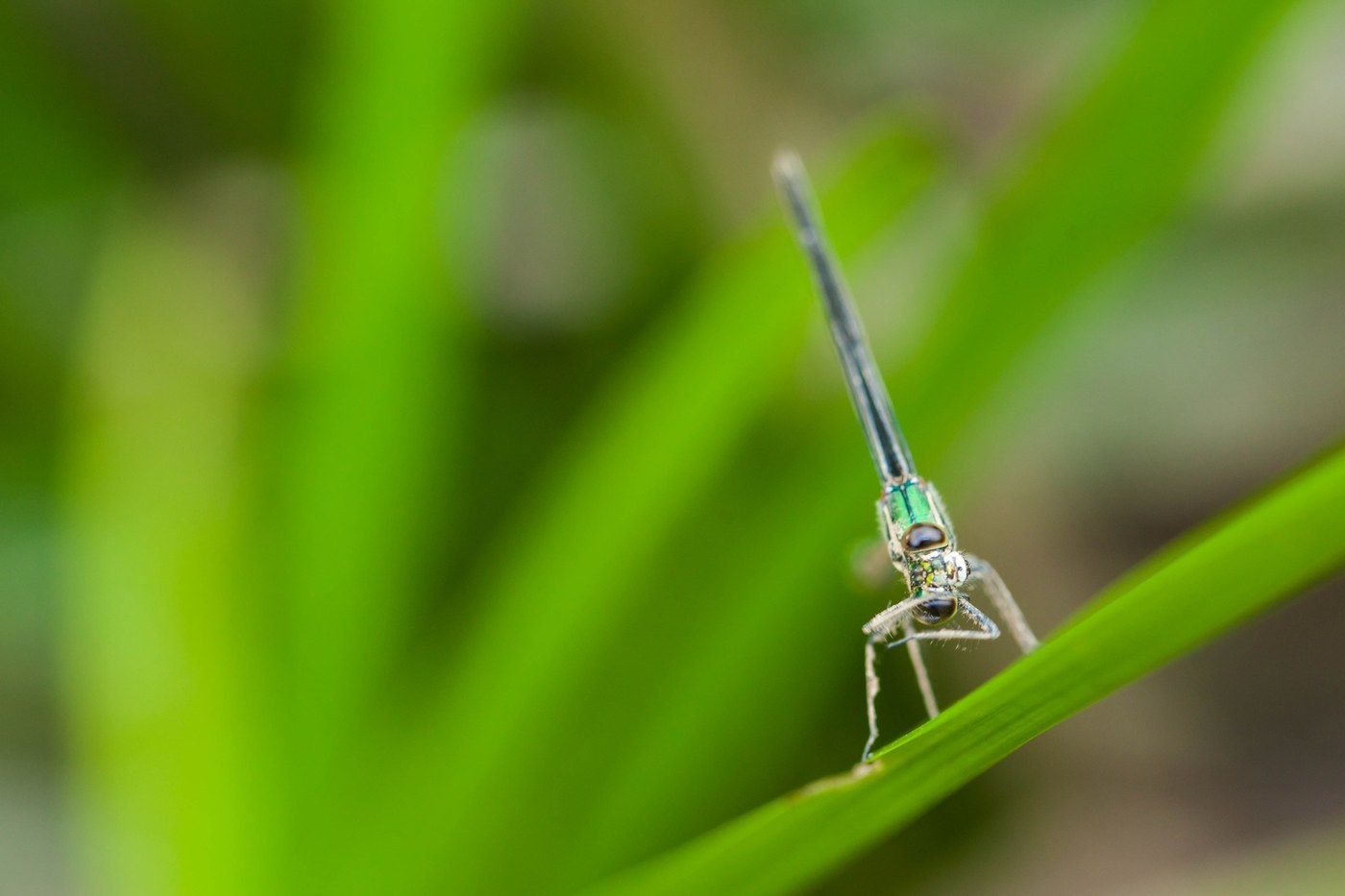
American Rubyspot
Sunny rivers and streams with moderate current
Springtail
Moist soil, leaf litter, decaying organic matter, and damp indoor areas
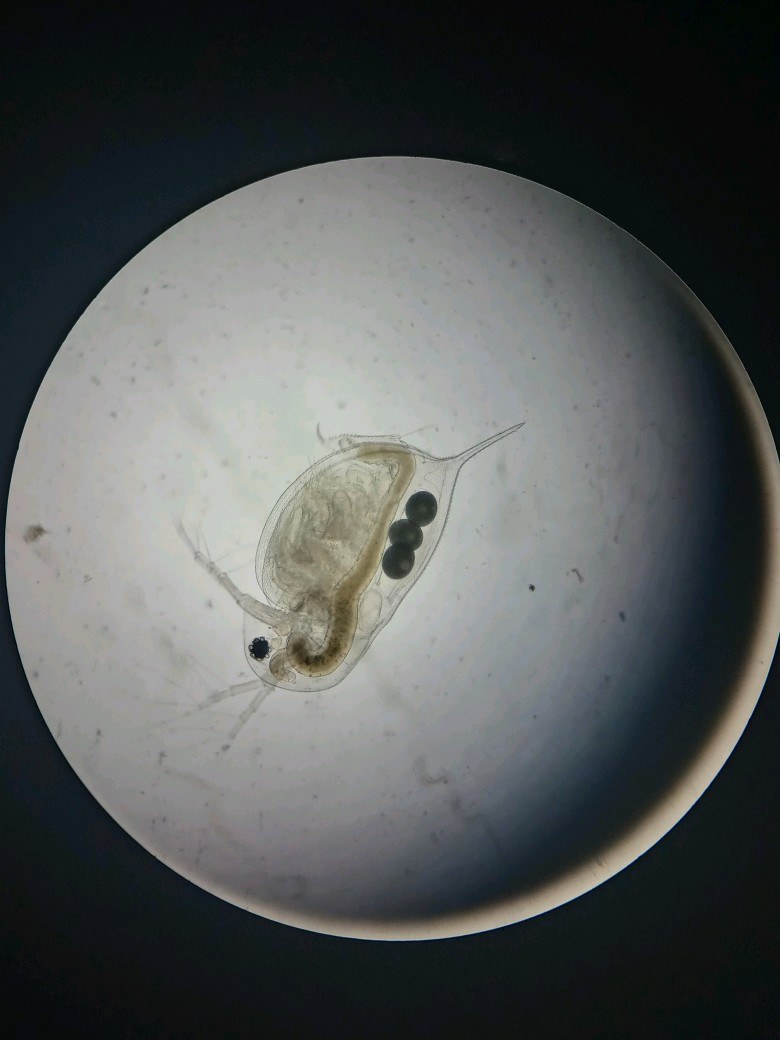
Water Flea
Ponds, lakes, and slow streams as free-floating plankton
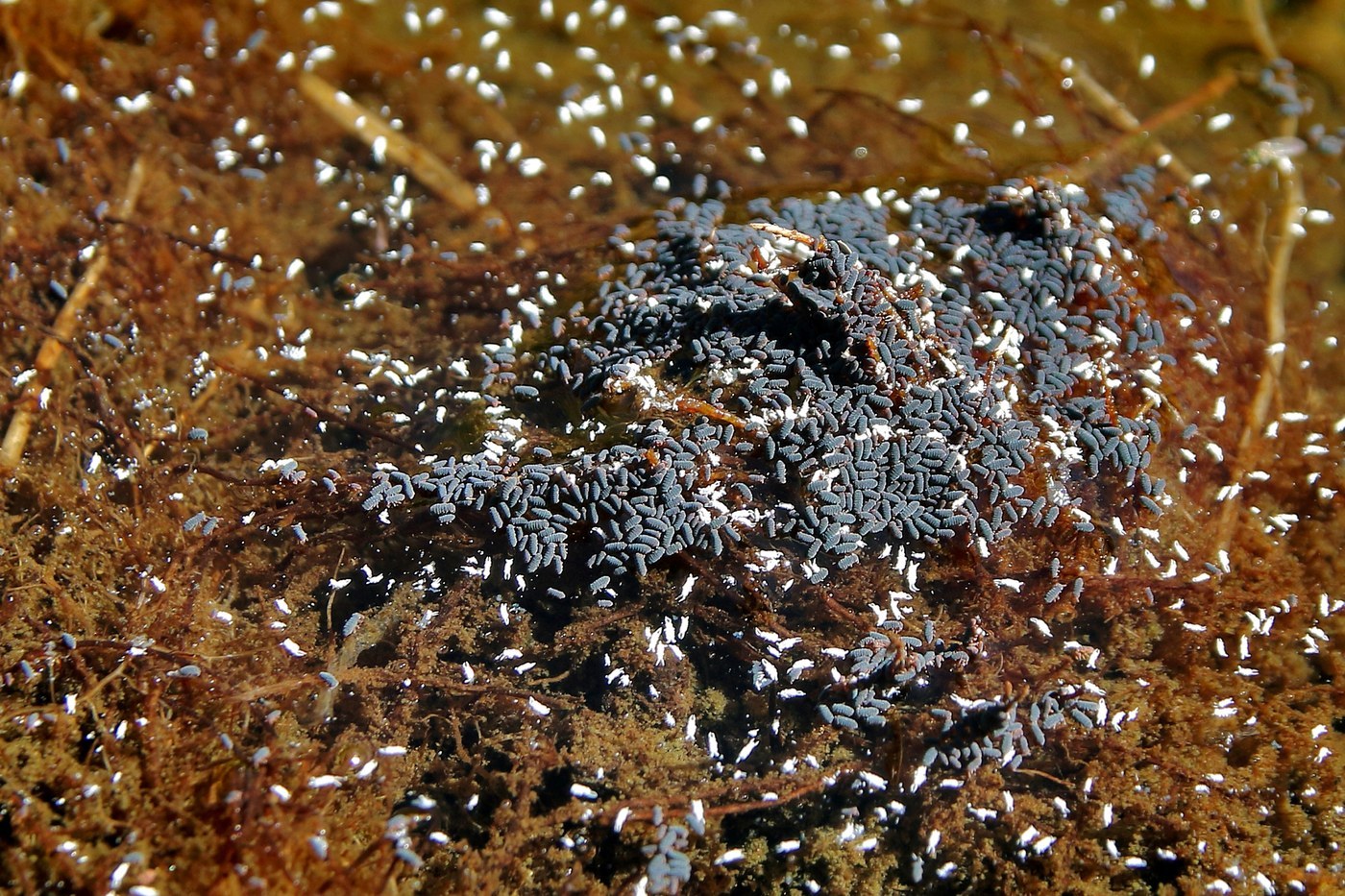
Water Springtail
Surface film of ponds, puddles, and slow ditches
Slug
Gardens, damp soil, leaf litter, greenhouses
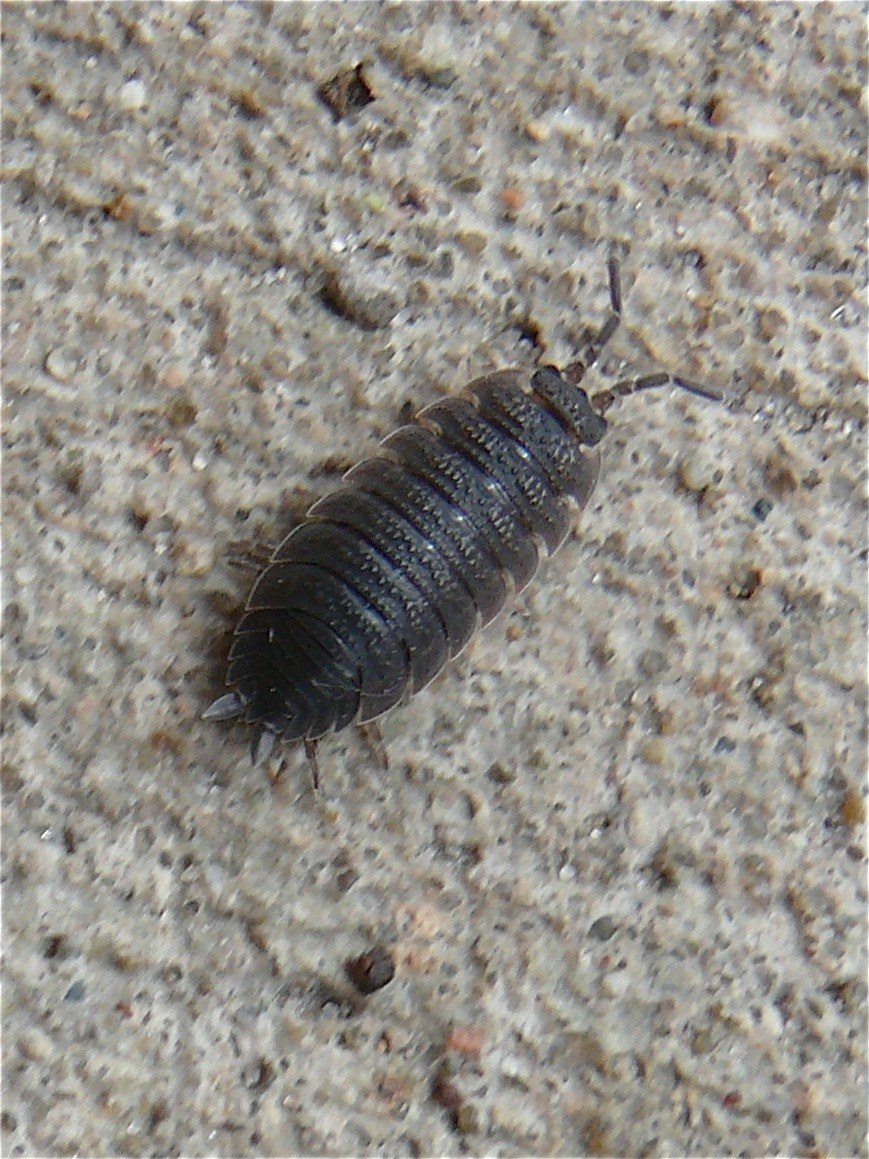
Sowbug
Leaf litter, under rocks/logs, damp garden soil, basements
Pill Bug
Damp soil, leaf litter, under rocks and logs, garden beds

Termite
Soil, decaying wood, tree stumps, and wooden structures
Termite Swarmer
Emerges from underground or wood-nesting colonies, often near structures and moist soil
Silverfish
Damp basements, bathrooms, closets, and dark indoor crevices