Midge Identification Guide
Tiny, mosquito-shaped, non-biting midges swarm near water at dusk and are easy to mistake for mosquitoes until you look closely.
Read the full Midge encyclopedia entry →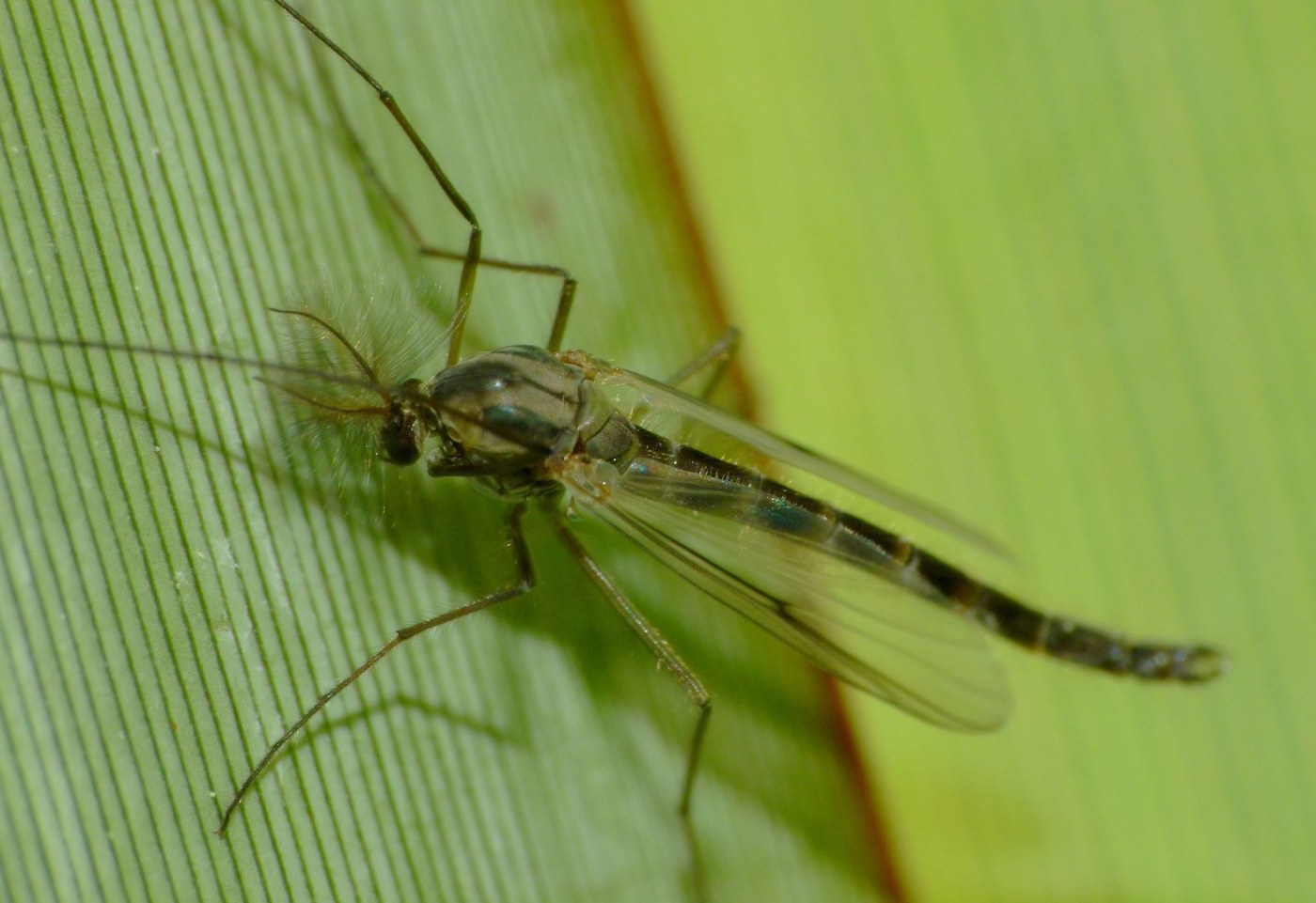
Key Visual Features
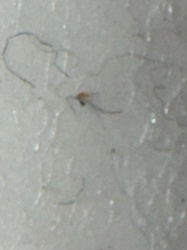
Midges (family Chironomidae, among others) are small, delicate flies that closely resemble miniature mosquitoes.
- Size: Usually 2-10 mm long, often smaller than a mosquito.
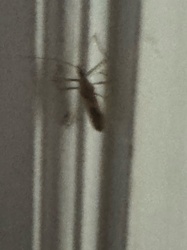
- Body shape: Slender, elongated body with a humpbacked thorax when viewed from the side.
- Color: Ranges from pale tan and green to gray, brown, or black depending on the species.
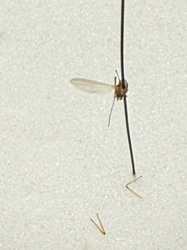
- Wings: Clear or lightly patterned wings held roof-like or flat over the body at rest; unlike mosquitoes, midge wings lack obvious scales.
- Antennae: Males often have prominent, feathery (plumose) antennae used to detect mates in a swarm; females have thinner, less bushy antennae.
- Mouthparts: No elongated piercing proboscis extending forward, which is the clearest way to separate midges from mosquitoes.
- Legs: Long, thin legs, often held out during flight or when resting on surfaces.
Where and When You'll See It
- Found near lakes, ponds, slow rivers, and wetlands, since larvae develop in water or wet mud.
- Most conspicuous at dusk and dawn, when large mating swarms ("bug clouds") form over water or near lights.
- Adults are drawn to porch lights, streetlights, and windows in the evening, especially in humid or warm seasons.
- Populations peak in spring through summer near freshwater habitats.
Similar-Looking Bugs
- Mosquito: Has a long, forward-pointing proboscis for piercing and scaled wings; midges lack both features.
- Crane fly: Much larger, with very long legs and a single pair of narrow wings; midges are far smaller and stouter.
- Fungus gnat: Similar tiny size but with a more compact body and shorter antennae, and larvae develop in soil or fungi rather than water.
Quick ID Checklist
- Small, slender, mosquito-like silhouette without a piercing proboscis
- Males show feathery, plumose antennae
- Wings held flat or roof-like, no scales
- Found swarming near water at dusk
- Humpbacked thorax profile when seen from the side
Frequently asked questions
How do I tell a midge apart from a mosquito?
Look at the head: midges lack the long, forward-pointing proboscis mosquitoes use to pierce skin, and midge wings do not have the tiny scales found on mosquito wings.
Why do midges form huge swarms in the evening?
Male midges gather in large mating swarms near landmarks such as water, trees, or lights, and females fly into the swarm to find a mate.
Do midges look different between males and females?
Yes, males typically have bushy, feathery antennae used to sense the swarm, while females have thinner, plainer antennae.
Why are midges so common near lakes and ponds?
Their larvae are aquatic, developing in the mud, sediment, or water of lakes, ponds, and slow-moving streams before emerging as flying adults.
Midge identified by the community
Recent Midge finds identified with Bug Identifier.