
Midge
Chironomus spp.
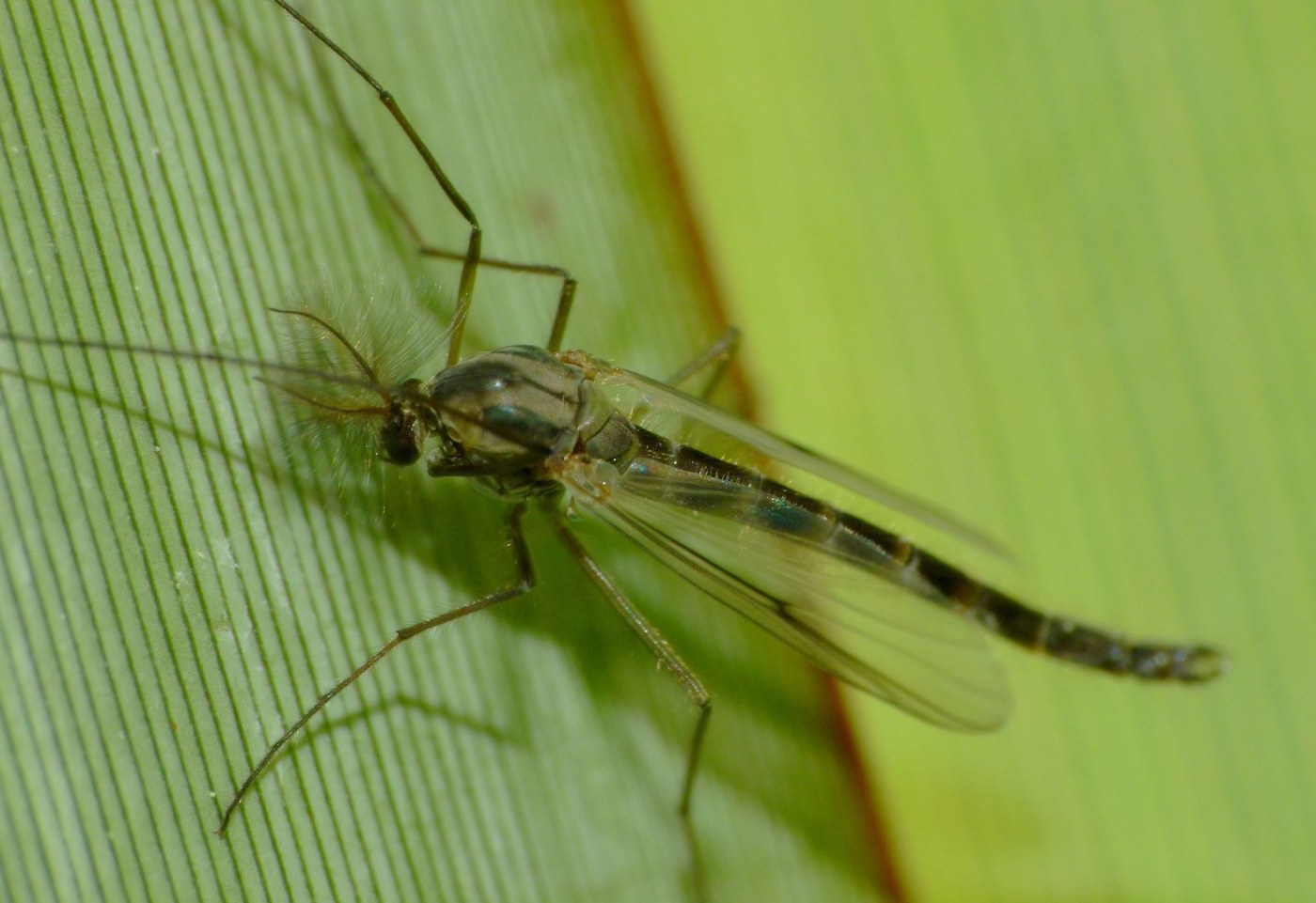
A slender, mosquito-like fly that forms dense swarms near water at dusk, easily mistaken for a mosquito but lacking any biting mouthparts.
- Size
- 2-10 mm long
- Habitat
- Near ponds, lakes, and slow-moving rivers worldwide, wherever larvae develop in bottom sediment
- Danger
- Nuisance pest
Spotted a bug like this?
Identify any bug or insect from a photo, free.
Overview
Midges of the family Chironomidae are among the most abundant and widely distributed insects on Earth, with larvae found in nearly every type of freshwater habitat, from clean mountain lakes to low-oxygen ponds and even brackish water. Despite their mosquito-like appearance, adult midges do not bite and have no functional mouthparts for feeding.
The larvae, often called bloodworms for the reddish hemoglobin that lets them survive in oxygen-poor sediment, are a foundational part of aquatic food webs, providing food for fish, amphibians, and countless invertebrates. Their tolerance of pollution and low oxygen also makes certain species useful indicators of water quality.
Adult midges are best known for the large mating swarms they form, often over water or nearby structures at dusk, a spectacle that can appear as a shimmering column of insects and is sometimes mistaken for a cloud of biting mosquitoes.
How to Identify
- Slender, mosquito-like body 2-10 mm long, but without scales on the wings
- No piercing mouthparts; adults cannot bite
- Males have distinctive plumose (feathery) antennae used to detect the wingbeat frequency of females in swarms
- Front legs often held forward or upward when perched
- Body color ranges from pale green to tan, brown, or black depending on species
- Lookalikes: mosquitoes have scaled wings, a piercing proboscis, and a more upright resting posture, while midges lack both the proboscis and wing scales
Habitat & Range
Midges occur worldwide near still or slow-flowing freshwater such as ponds, lakes, marshes, and rivers, with larvae living in the bottom sediment or attached to submerged vegetation. Some species tolerate highly polluted or low-oxygen water where few other insects can survive. Adults typically stay close to their natal water body, forming swarms nearby, especially at dusk in warm months.
Behavior & Diet
Adult midges generally do not feed at all and live only a few days, devoting their brief adult life to forming large mating swarms, often visible as a hovering column over a landmark such as a bush or rooftop. These swarms and the larvae in the sediment below serve as a critical food source for fish, birds, bats, dragonflies, and spiders. Larvae are detritivores, feeding on algae, bacteria, and organic particles within the sediment, and some construct small silk-lined tubes for shelter.
Life Cycle
Females lay eggs in a gelatinous mass on the water surface, which sinks and releases larvae into the sediment below. Larvae pass through four instars while feeding on organic material, a process that can take from a few weeks to several months depending on temperature and species. Pupation occurs within the sediment or a silk tube, after which the pupa rises to the surface and the winged adult emerges. Many species produce multiple generations per year in warm conditions, while others overwinter as larvae in colder climates.
Frequently asked questions
Do midges bite like mosquitoes?
No, the non-biting midges in this family lack functional mouthparts as adults and cannot bite; their mosquito-like appearance is only superficial.
Why do midges swarm in such large numbers?
Adult midges live only a few days and gather in mating swarms, often over water or a prominent landmark, to find partners before dying.
What are bloodworms and are they related to midges?
Bloodworms are midge larvae; their reddish color comes from hemoglobin that allows them to survive in low-oxygen sediment.
Where do midges typically breed?
Larvae develop in the sediment or submerged vegetation of ponds, lakes, and slow-moving rivers, including waters with poor oxygen levels.
Midge guides
In-depth guides for identifying, understanding, and living alongside Midge.
Midge identified by the community
Real finds identified with Bug Identifier.
Other bugs you may enjoy
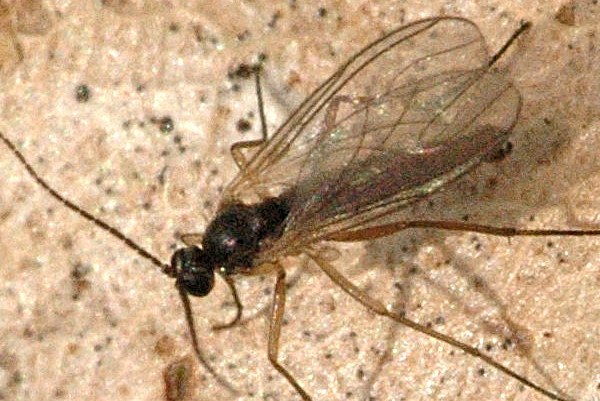
Aphid Midge
Gardens, greenhouses, and crops with aphids
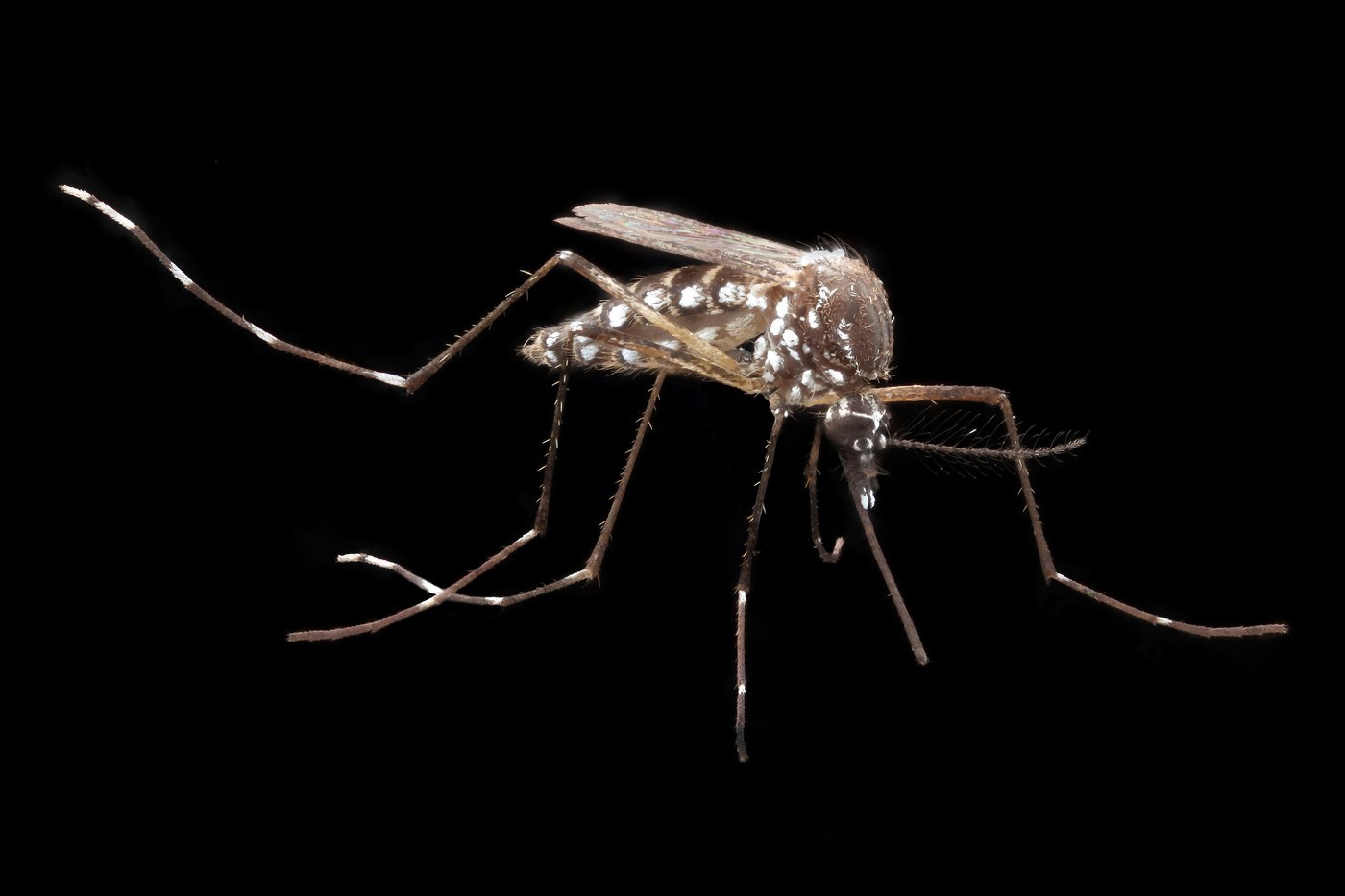
Yellow Fever Mosquito
Urban and peri-urban areas near small artificial water containers in tropical and subtropical regions worldwide
Root Maggot
Garden and field soil around the roots of cole crops and other vegetables
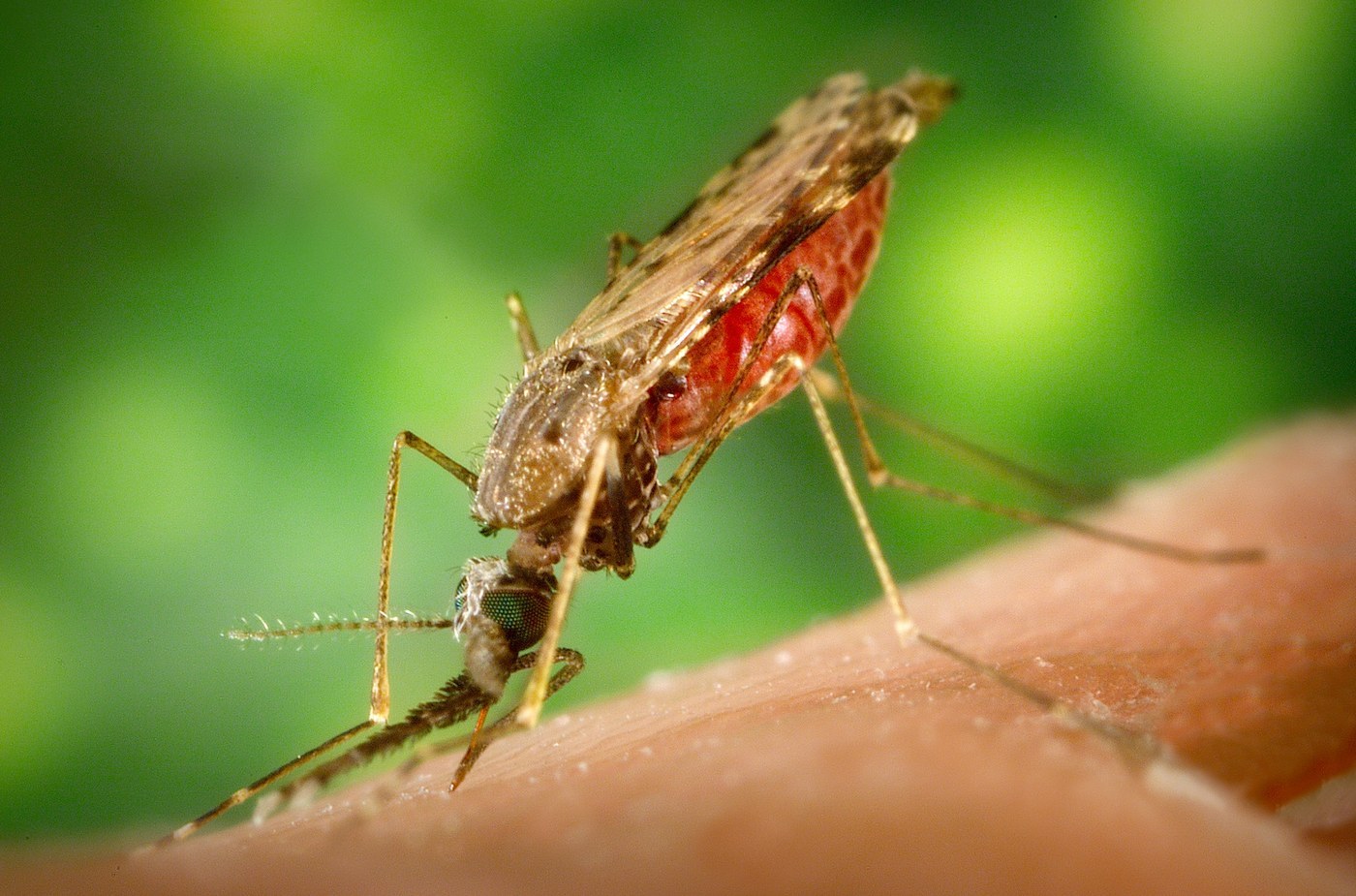
Anopheles Mosquito
Clean, still or slow-moving freshwater habitats such as marshes, ponds, and rice paddies
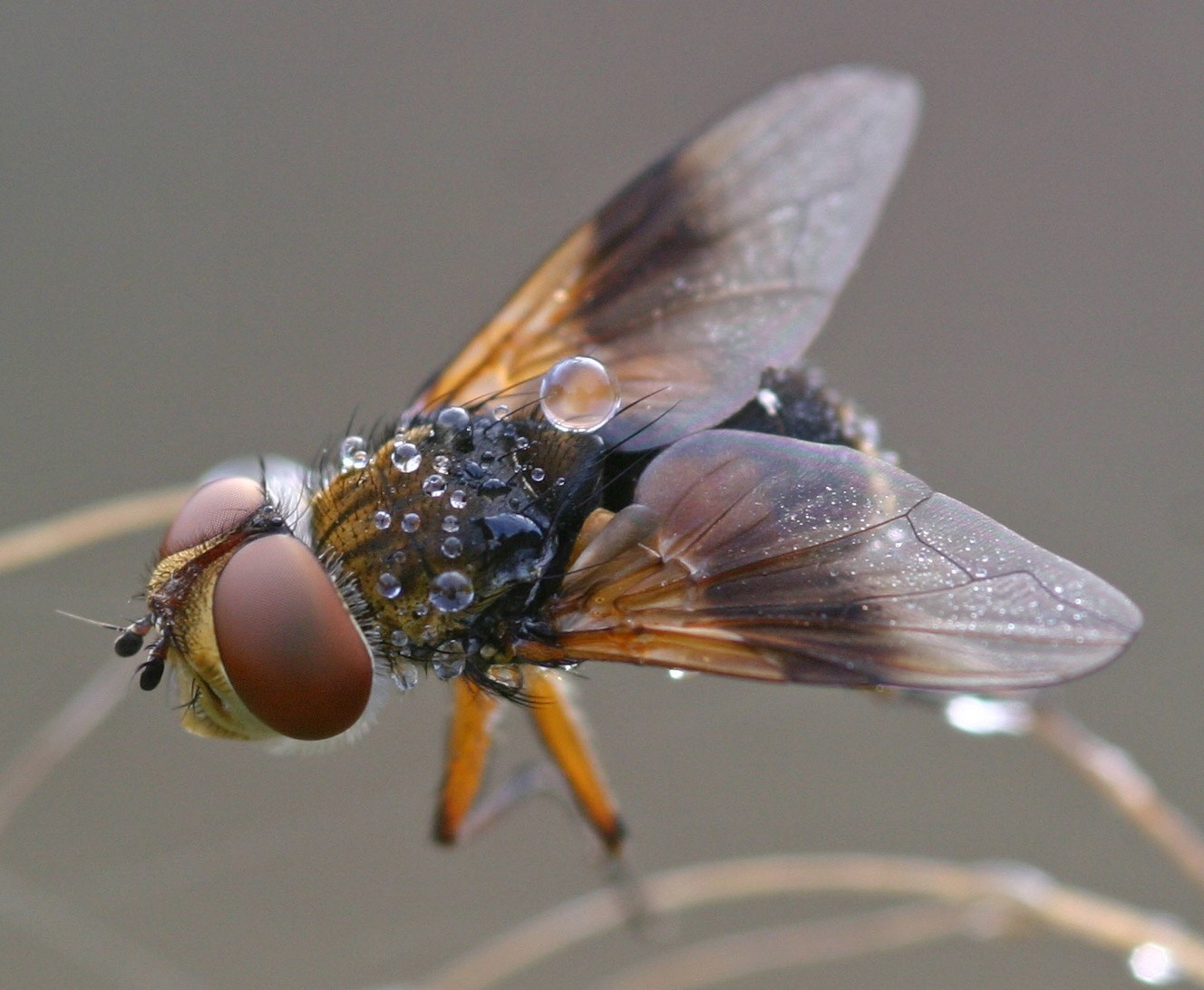
Tachinid Fly
Gardens, meadows, and woodlands wherever host caterpillars and other insects occur
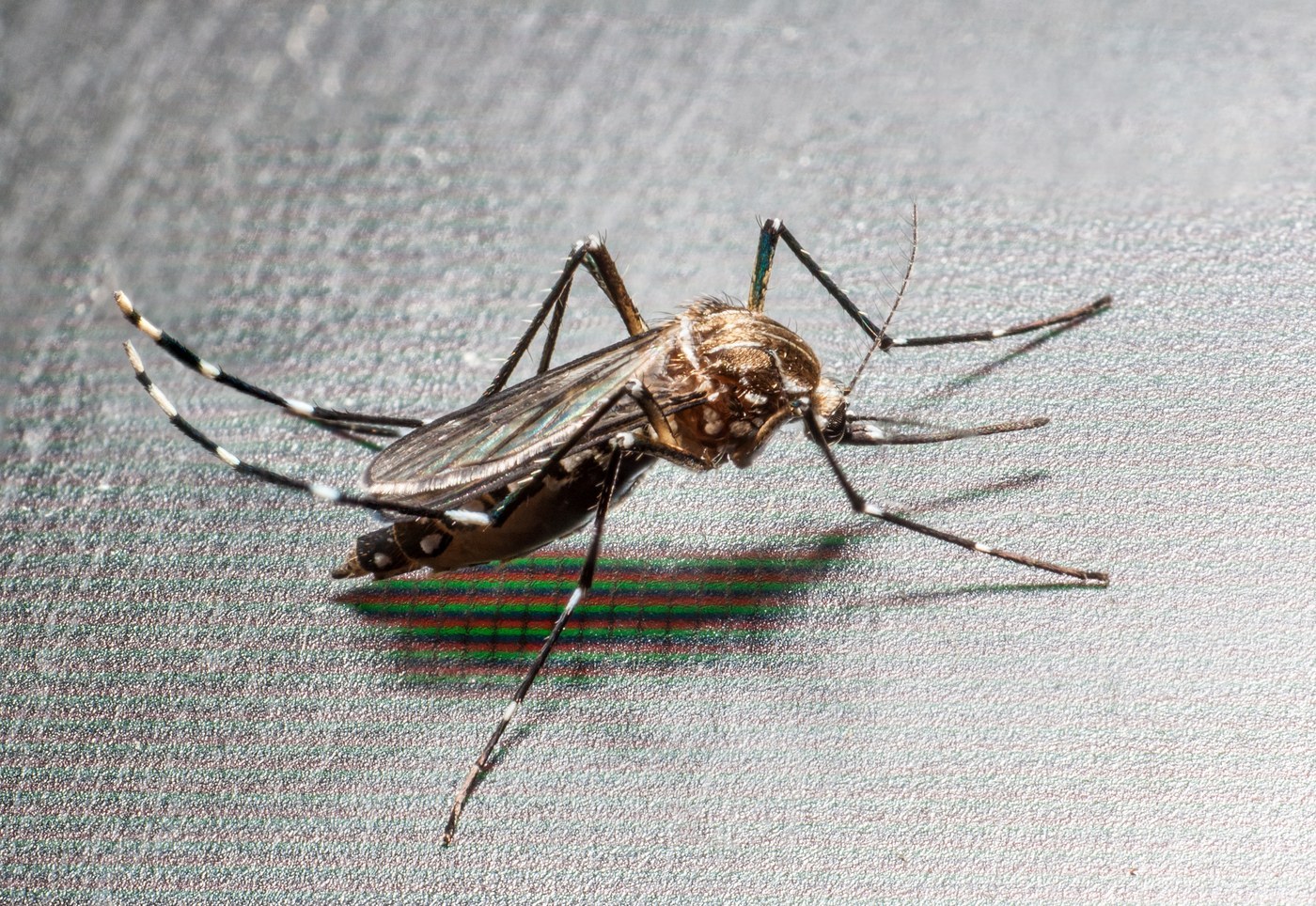
Asian Tiger Mosquito
Shaded urban and suburban areas near small water-holding containers, tires, and tree holes; native to Southeast Asia, now widespread
Tsetse Fly
Wooded savanna, riverine thickets, and forest edges across sub-Saharan Africa
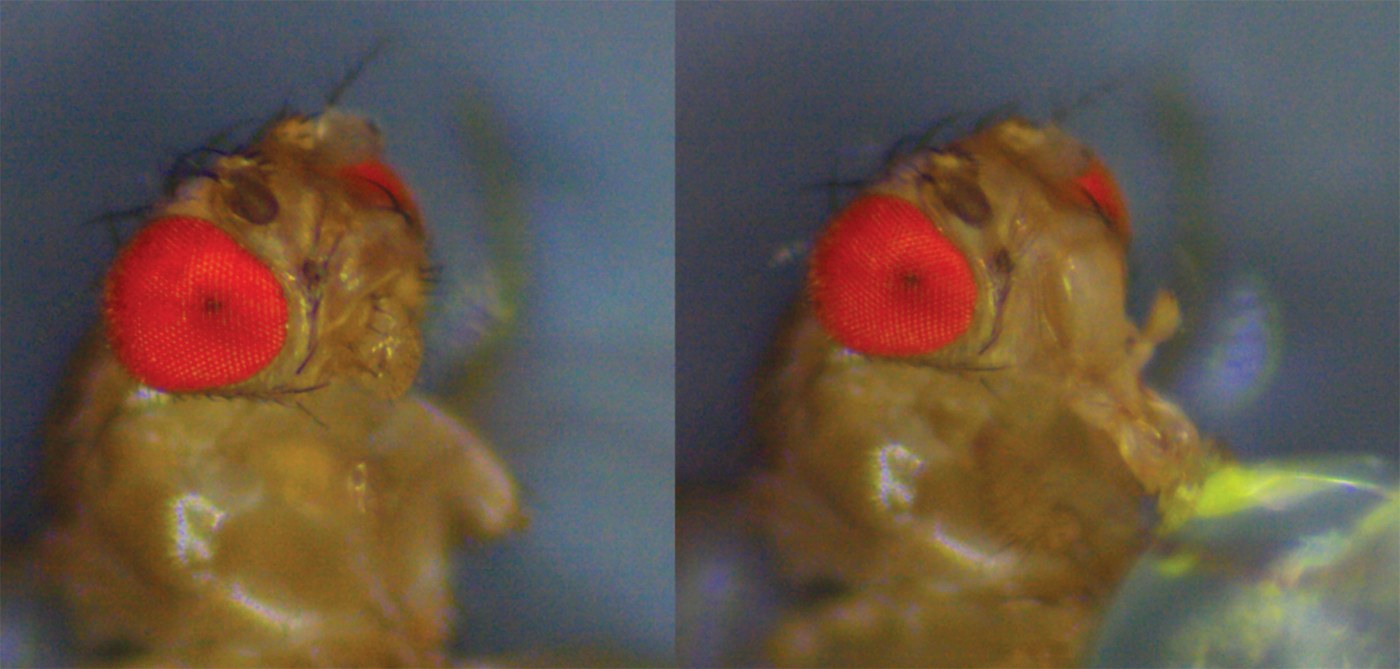
Vinegar Fly
Around overripe fruit, compost, and fermenting materials worldwide
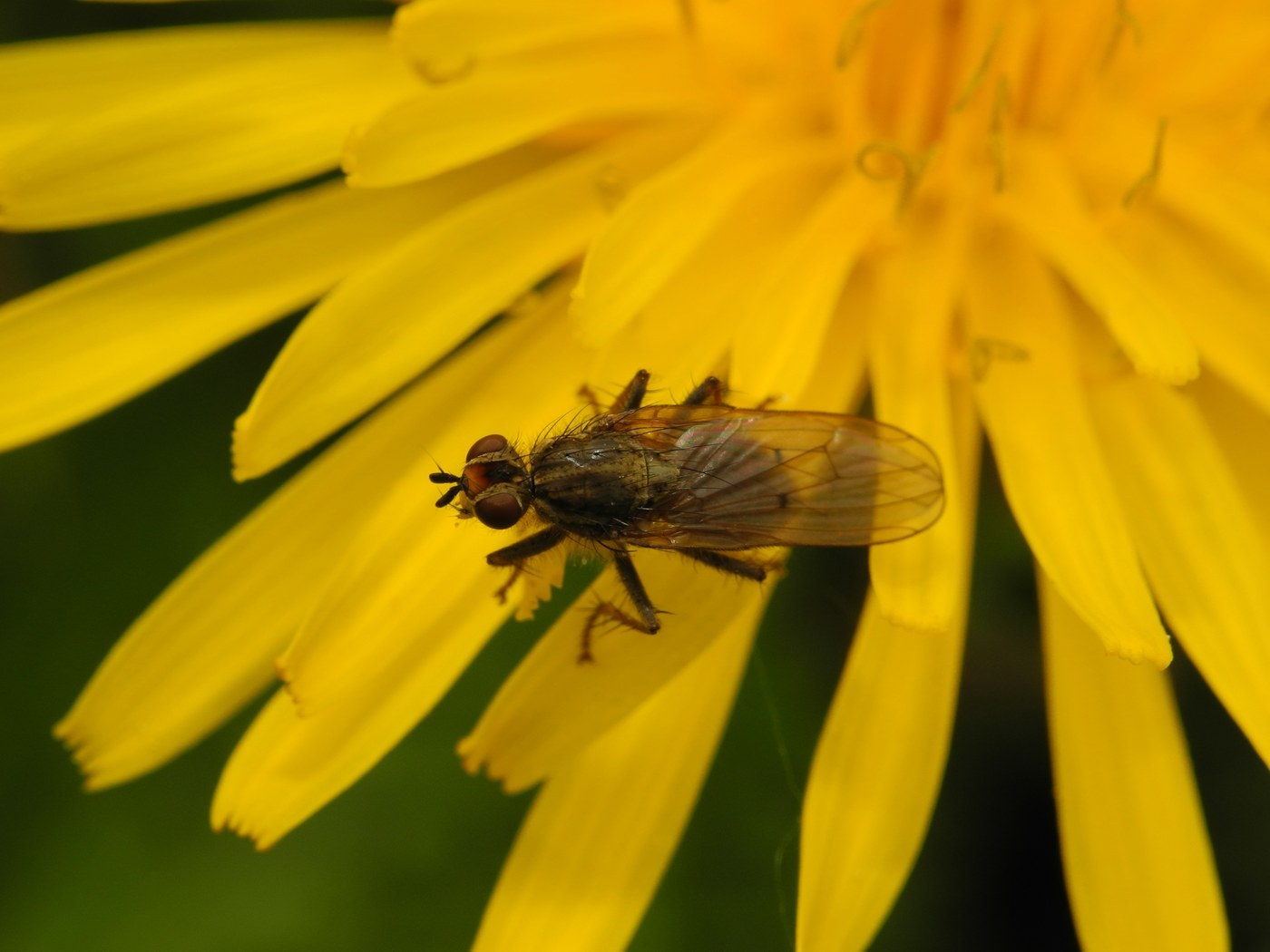
Yellow Dung Fly
Pastures and fields with fresh cattle dung
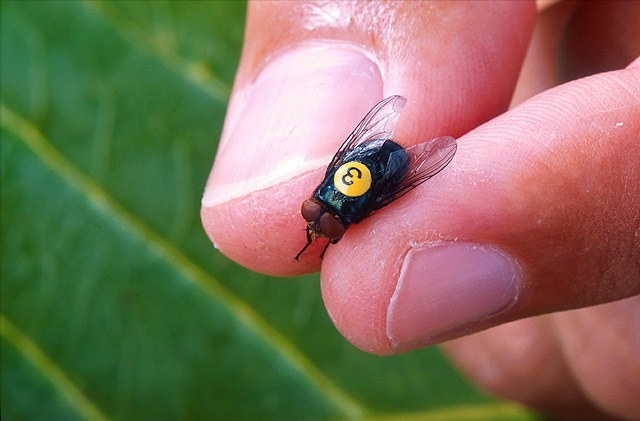
Screwworm Fly
Warm, humid lowlands of the Americas, especially near livestock and wildlife wounds
Soldier Fly
Wetland margins, decaying organic matter, and vegetation near water
Punkie
near marshes, mudflats, ponds, and other standing water