Plume Moth Identification Guide
A slender, T-shaped moth whose wings are split into feathery lobes, often mistaken for a crane fly at first glance.
Read the full Plume Moth encyclopedia entry →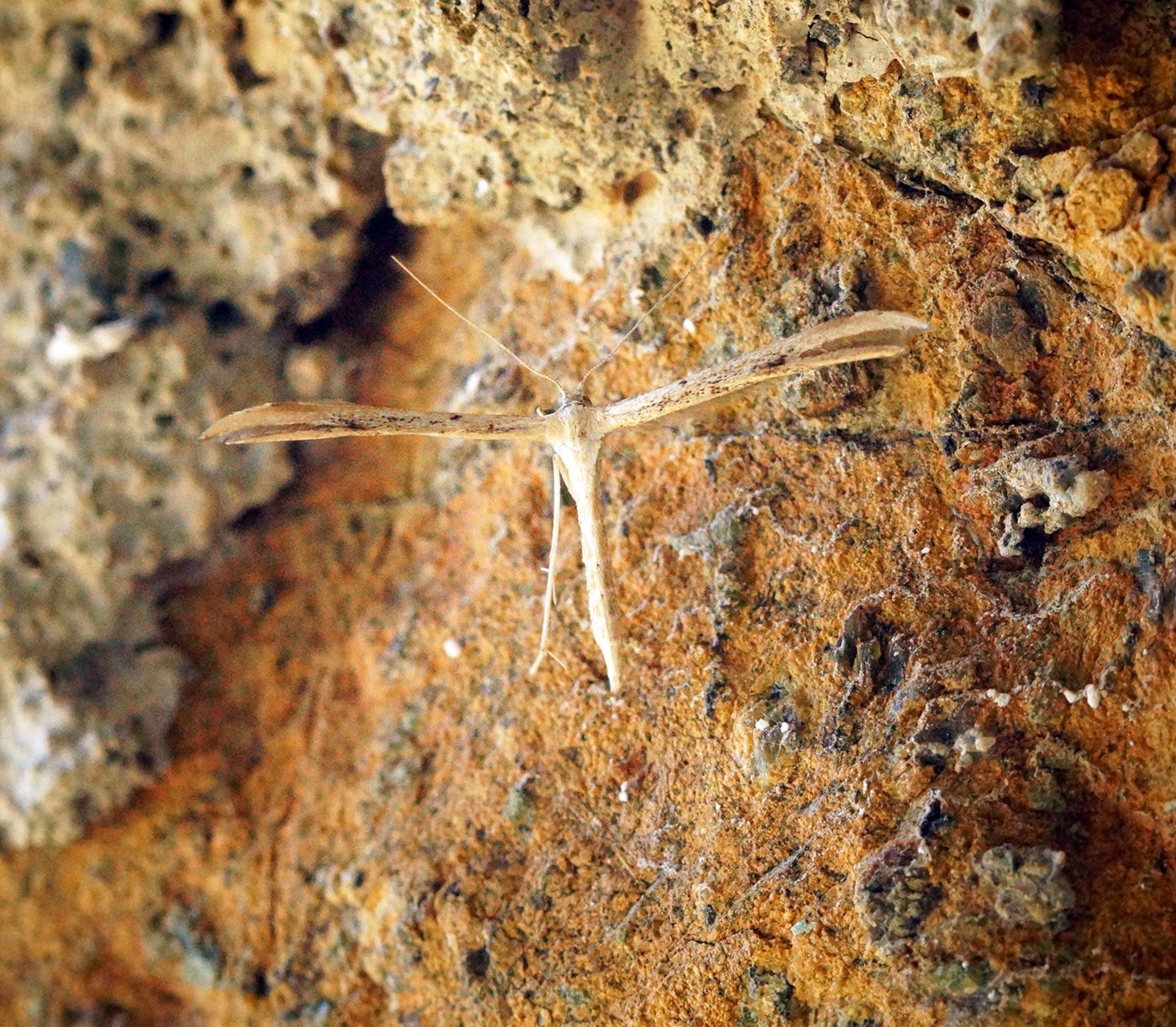
Key Visual Features
Plume moths (family Pterophoridae) are slender, delicate moths with wingspans typically ranging from about 15-35mm depending on the species.
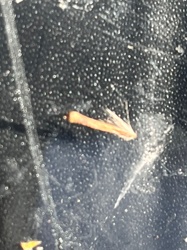
- Wings: Deeply cleft, with the forewing usually split into two narrow lobes and the hindwing into three, each fringed with long hair-like scales that give a feathery texture.
- Color: Generally pale brown, grey, tan, or white, often plain or with only subtle mottling.
- Body and legs: Very long, thin legs and a slender body, adding to the fragile, spindly appearance.
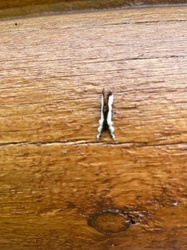
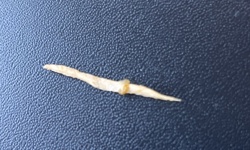
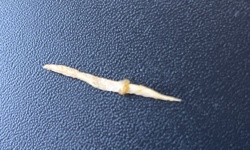
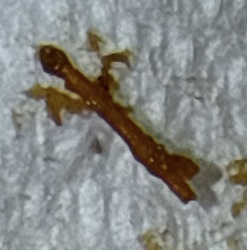
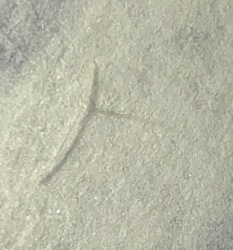
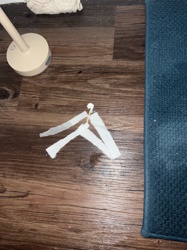
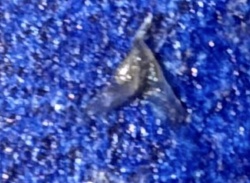
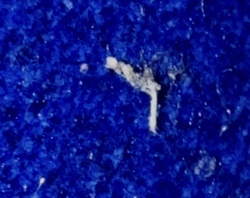
- Resting posture: The signature field mark - wings are rolled up narrowly and held out perpendicular to the body, creating a distinctive T-shaped or cross-shaped silhouette.
Where and When You'll See It
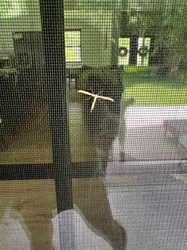
Plume moths are found in gardens, meadows, and fields wherever their particular host plants grow, since different species specialize on different plants. Adults are most often noticed resting on walls, fences, window screens, or vegetation after dark, and they are readily drawn to outdoor lights. They are active from spring through autumn in temperate climates, with some species overwintering as adults.
Similar-Looking Species
- Twenty-plume Moth - has wings divided into many narrower plumes and holds them flat and spread out in a fan shape, rather than rolled into a T-shape.
- Crane flies - not moths at all, but often confused with plume moths due to long thin legs; crane flies have only two wings and lack the scaled, feathery wing texture of a moth.
- Other slender micro-moths - generally lack the deeply divided, T-shaped resting wing structure that defines the plume moth family.
Life Cycle & Behavior
Caterpillars of plume moths are typically slender and covered in fine hairs, feeding externally on leaves, flowers, or seed heads of their particular host plant rather than boring inside. Pupation often occurs openly, with the pupa attached by silk to a stem or leaf rather than hidden in a cocoon. Depending on the species and climate, there may be one or several generations each year, with some adults overwintering.
Quick ID Checklist
- Slender moth with wings split into narrow, feathery lobes
- Pale brown, grey, or tan coloring, often plain
- Very long, thin legs
- Wings rolled and held perpendicular to the body at rest, forming a T-shape
- Found resting on walls, fences, or windows after dark
Frequently asked questions
How can I tell a plume moth from a crane fly?
Crane flies have only two wings and no feathery texture, while plume moths have four scaled, deeply divided wings and the characteristic T-shaped resting posture.
What is the most distinctive resting posture of a plume moth?
It rolls its narrow, feather-fringed wings and holds them out to the sides perpendicular to its body, creating a T- or cross-shaped silhouette.
How does a plume moth differ from a Twenty-plume Moth?
The Twenty-plume Moth has many more, narrower wing plumes and rests with wings spread flat in a fan, while a typical plume moth has fewer, broader lobes held in a T-shape.
When and where are plume moths most active?
They are active from spring through autumn and are most often seen at dusk or after dark, resting on walls, fences, or windows near their host plants.
Plume Moth identified by the community
Recent Plume Moth finds identified with Bug Identifier.