
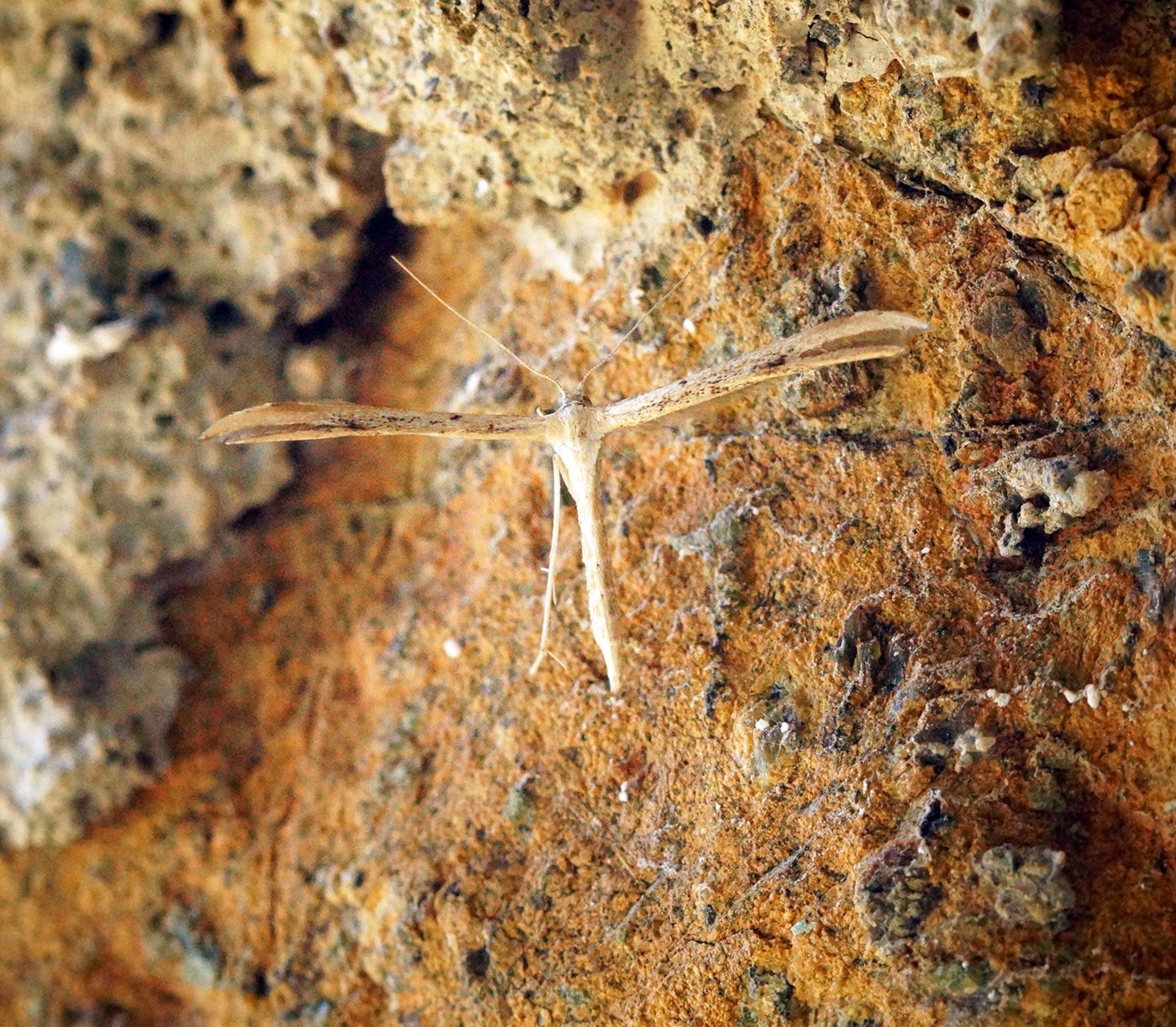
Plume Moth
Emmelina monodactyla
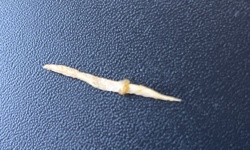
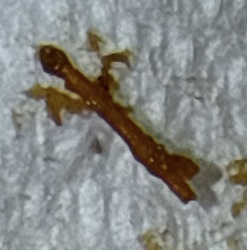
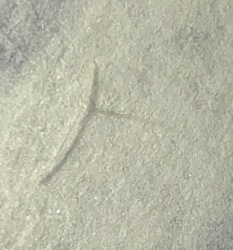
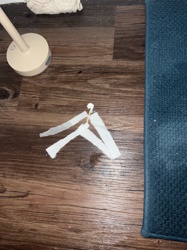
A slender, long-legged moth that rests with its wings rolled tightly and held out at right angles to its body, forming a distinctive letter-T silhouette.
- Size
- 12–34 mm wingspan
- Habitat
- Gardens, fields, hedgerows, disturbed ground
- Danger
- Harmless
Spotted a bug like this?
Identify any bug or insect from a photo, free.
Overview
Plume moths belong to the family Pterophoridae, a group of roughly 1,000 small moths worldwide named for their oddly divided, feather-like wings. Unlike most moths, which hold broad triangular wings flat or tented over the body, plume moths have narrow wings split into two or three fringed lobes that resemble tiny feather plumes when spread, though the insect usually keeps them tightly furled at rest.
The most widespread and commonly noticed species is the morning-glory plume moth, which turns up on porch screens, window sills, and light fixtures across much of the world. Its larvae feed inside the stems and leaves of morning glory and bindweed, making the moth a familiar sight near gardens where those vines grow.
Because of their unusual wing structure and habit of perching motionless with legs splayed, plume moths are frequently mistaken for a piece of dried grass, a crane fly, or debris rather than recognized as a moth at first glance.
How to Identify
- Slim, elongated pale tan, gray, or brownish body with unusually long, thin legs.
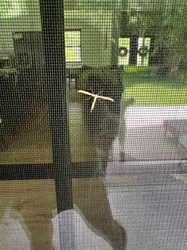
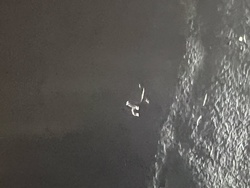
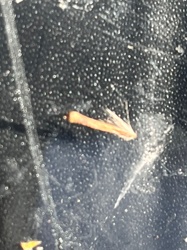
- At rest, the wings are rolled and held perpendicular to the body, creating a narrow "T" or "plus-sign" shape rather than the usual moth triangle.
- When spread, the forewings and hindwings are deeply cleft into two or more feathery, fringed lobes.
- Long, thread-like antennae and a narrow head.
- Lookalikes include crane flies (which have only one pair of wings and no wing fringe) and other micro-moths, but the T-shaped resting posture is diagnostic for this family.
Habitat & Range
Plume moths are found nearly worldwide in temperate and tropical regions, including gardens, meadows, roadsides, and disturbed weedy areas. They are strongly attracted to artificial lights and are commonly seen resting on walls, screens, and windows after dark. Adults are active mainly at night from spring through fall, with several generations possible in warmer climates.
Behavior & Diet
Adults are nocturnal and fly weakly, often fluttering short distances between resting spots before settling motionless again. Larvae are herbivorous, typically boring into stems, buds, or rolling leaves of specific host plants such as morning glory, bindweed, or geranium depending on the species. As caterpillars they contribute to natural plant thinning, and as adults the moths serve as prey for spiders, bats, and other nocturnal predators.
Life Cycle
Females lay small eggs on or near the host plant. Larvae hatch and feed internally or externally on stems and foliage before pupating in an exposed, spindle-shaped chrysalis often attached to a leaf or stem rather than hidden in a cocoon. Development from egg to adult can take just a few weeks in warm weather, allowing multiple generations per year in mild climates, while northern populations overwinter as larvae or pupae.
Frequently asked questions
Why does this moth look like a T-shaped stick?
It rolls its deeply divided, fringed wings and holds them out sideways at rest, which creates the narrow T-shaped silhouette characteristic of the plume moth family.
Do plume moths damage garden plants?
Their caterpillars feed on specific host plants such as morning glory or bindweed, but adult moths do not feed on foliage.
How can I tell it apart from a crane fly?
Crane flies have a single pair of wings and no wing fringe, while plume moths have two pairs of narrow, feathered wings folded together.
Where are plume moths usually seen?
Most often on window screens, porch lights, and walls near gardens at night, since they are strongly drawn to artificial light.
Plume Moth guides
In-depth guides for identifying, understanding, and living alongside Plume Moth.
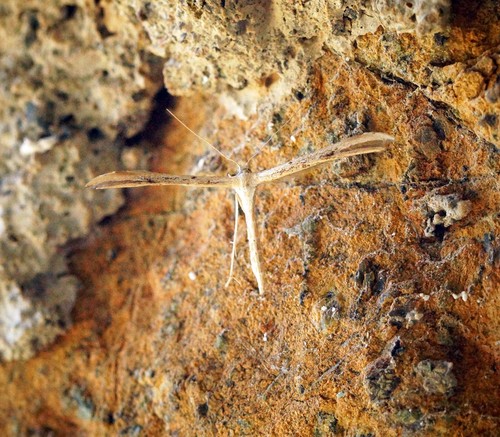
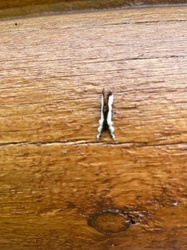
Plume Moth identified by the community
Real finds identified with Bug Identifier.
Other bugs you may enjoy
Bagworm Moth
Coniferous and deciduous trees, shrubs, hedges
Antheraea Silkmoth
Deciduous forests, woodland edges, orchards
Ailanthus Silkmoth (Cynthia Moth)
Urban parks, wastelands, and woodland edges with tree-of-heaven; native to Asia, introduced in North America and Europe
Winter Moth
Deciduous woodland, orchards, gardens, hedgerows
Webbing Clothes Moth
Dark closets, storage areas, and animal nests worldwide
Tussock Moth
Deciduous forests, parks, gardens
Wax Moth
Beehives, apiaries, stored beeswax and comb
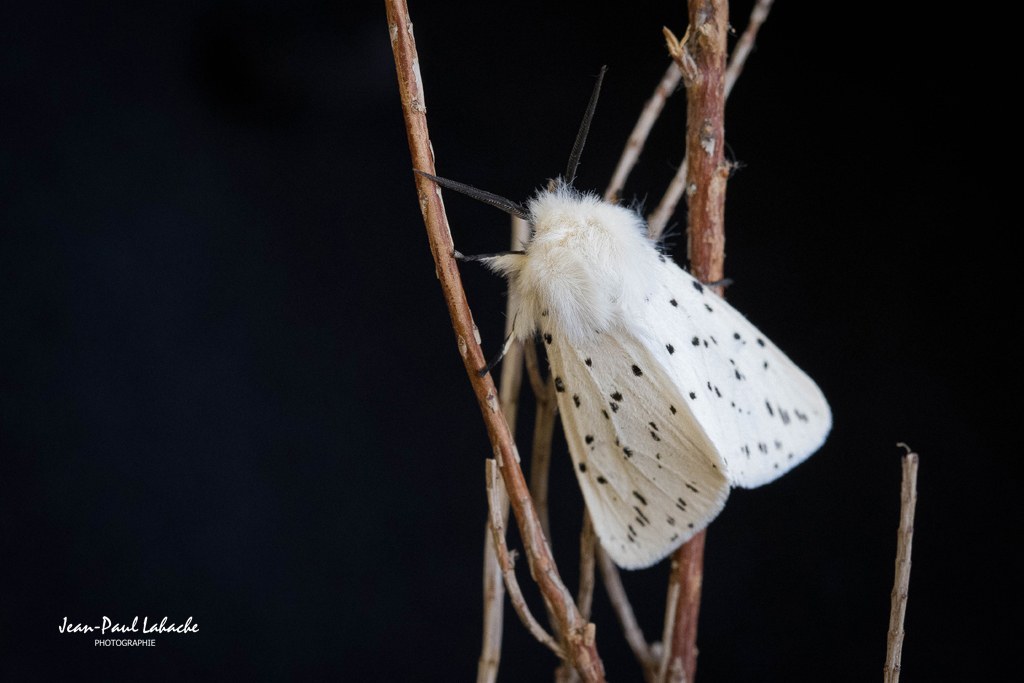
White Ermine Moth
Gardens, meadows, hedgerows
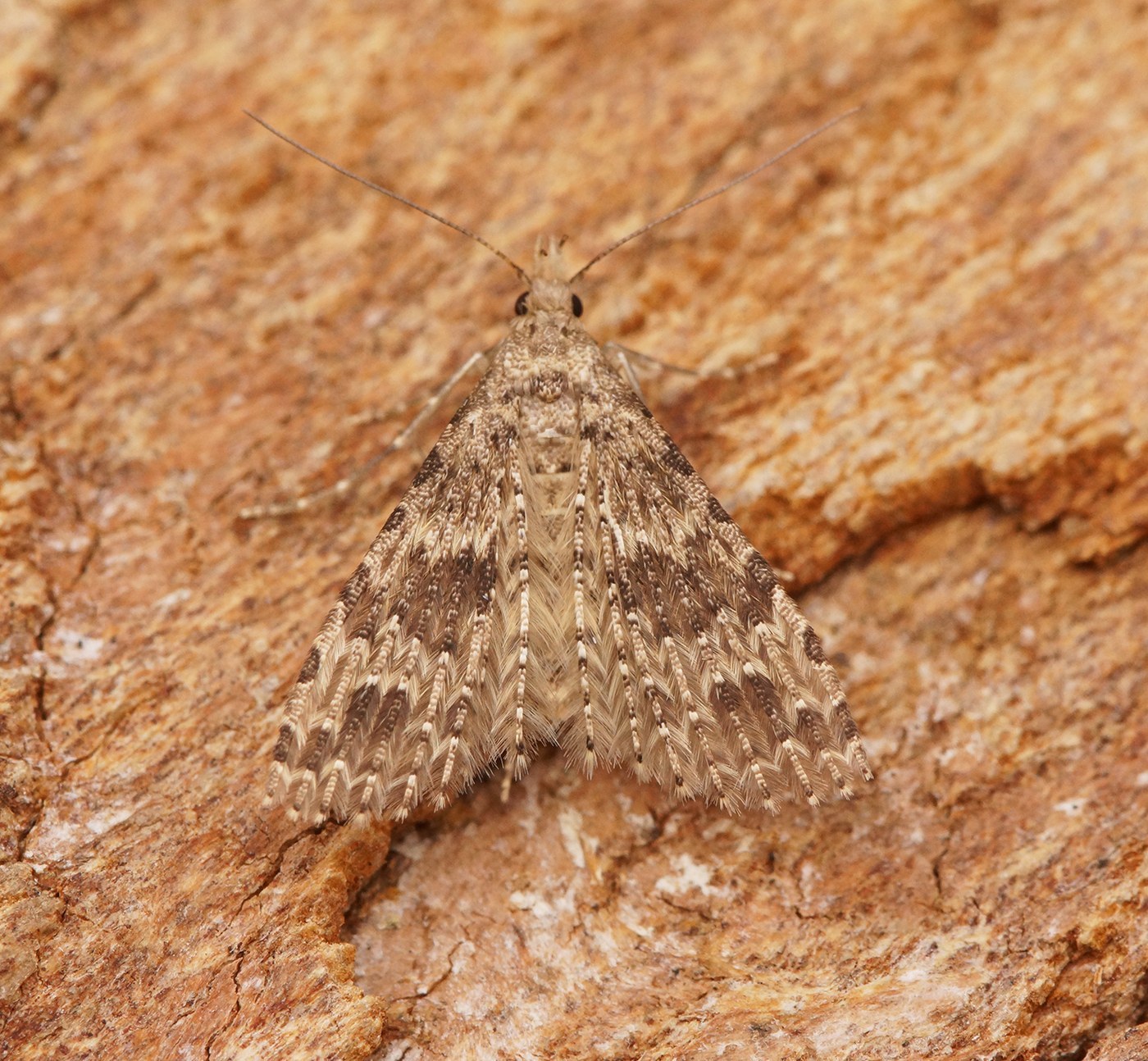
Twenty-plume Moth
Gardens, hedgerows, near honeysuckle
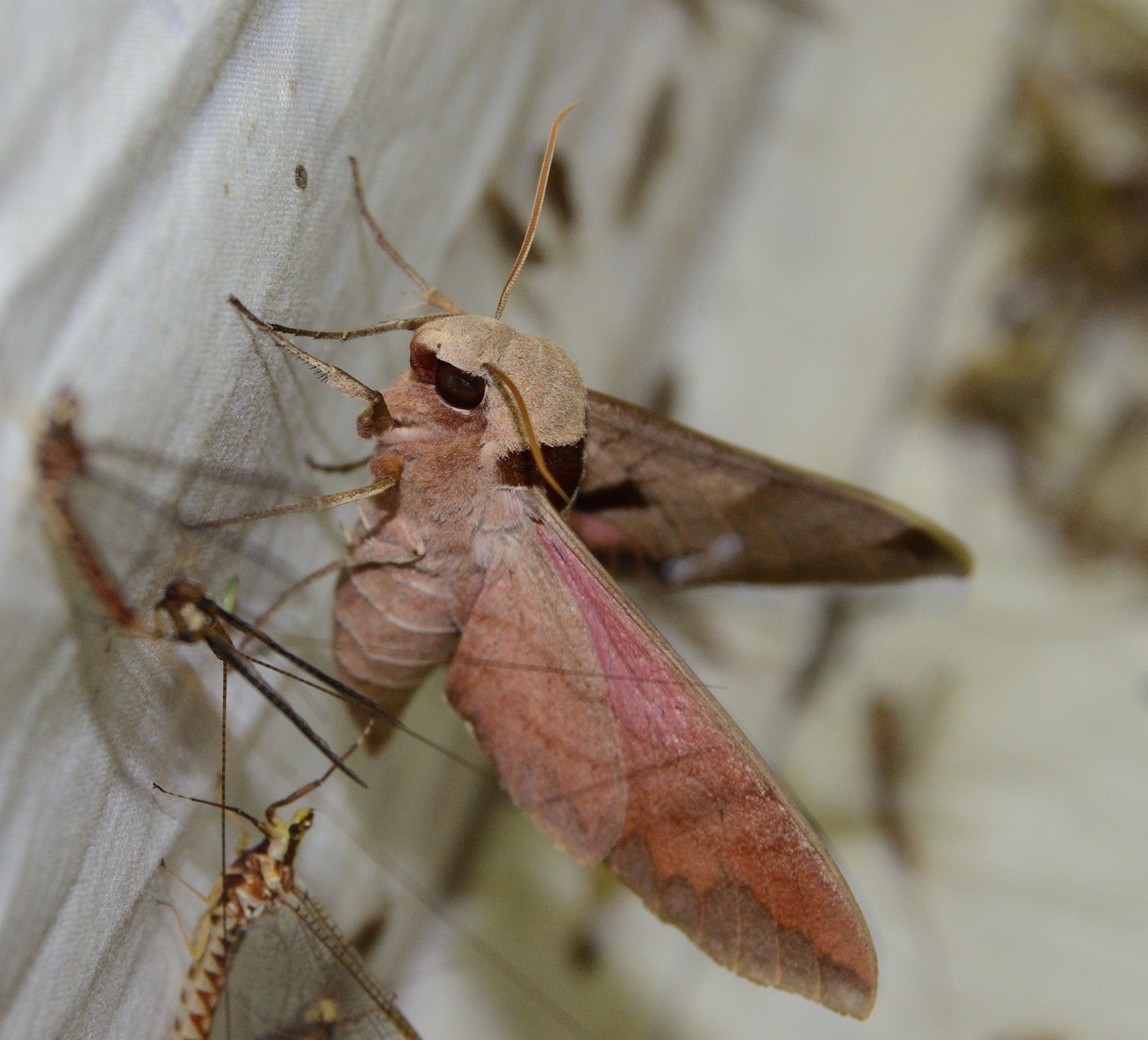
Achemon Sphinx Moth
Vineyards, woodland edges, gardens with wild grape
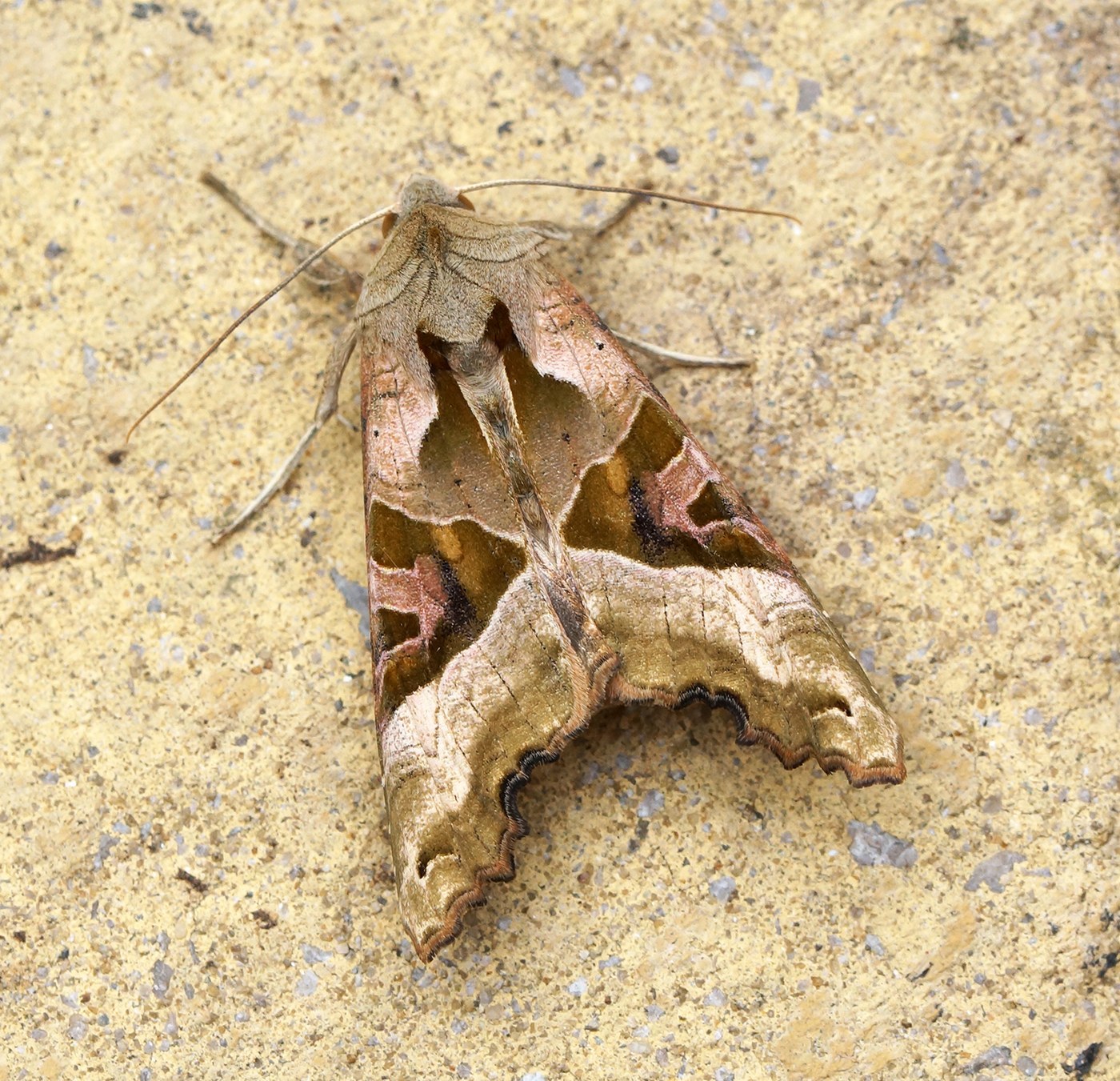
Angle Shades Moth
Gardens, hedgerows, woodland edges, urban parks
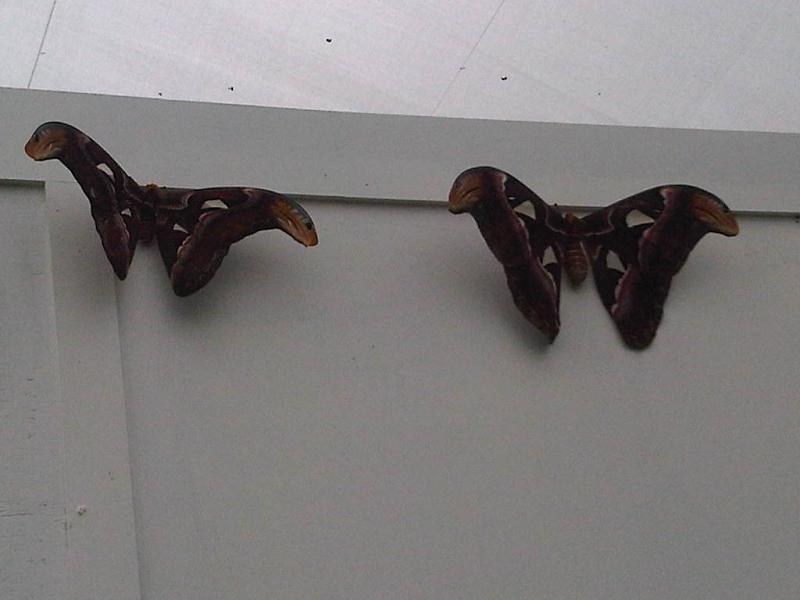
Atlas Moth
Tropical and subtropical lowland forests of Southeast Asia