Pygmy Grasshopper Identification Guide
A tiny, ground-dwelling grasshopper easily overlooked thanks to its small size and an oddly extended pronotum reaching past the abdomen.
Read the full Pygmy Grasshopper encyclopedia entry →Key Visual Features
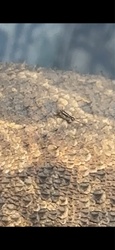
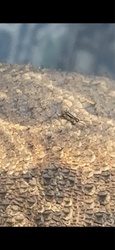
Pygmy grasshoppers (family Tetrigidae) are among the smallest grasshopper-like insects, easy to miss unless you know what to look for.
- Size: Very small, typically 0.25-0.6 inches (6-15 mm) long
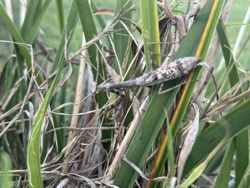
- Color: Mottled brown, gray, or black, sometimes with tan or rusty patches — patterning that mimics soil, bark, or dead leaves
- Body shape: Slender and elongated for a grasshopper, with a distinctive extended pronotum
- Wings/pronotum: The most telling feature is the pronotum (the shield behind the head), which stretches back like a long spike or blade, often reaching to or beyond the tip of the abdomen — unlike typical grasshoppers where the pronotum is short and saddle-shaped
- Legs: Hind legs are proportionally long and powerful for jumping, and some species have modest swimming-adapted hind tibiae for moving across water surfaces
- Antennae: Short and thin relative to the small body size
Where and When You'd See It
Pygmy grasshoppers favor damp ground near ponds, streams, ditches, and marshy edges, as well as leaf litter, mossy soil, and mud flats. They are active from spring through fall in temperate regions and can sometimes be found even in cooler months since many species overwinter as adults. Because of their small size and camouflage, they're most often noticed when they hop suddenly from underfoot on bare damp soil or debris, and some can even skip across the surface of still water.
Similar-Looking Bugs
- Juvenile (nymph) grasshoppers of other families: Young grasshoppers are also small, but lack the elongated, blade-like pronotum extending past the abdomen that defines pygmy grasshoppers
- Spur-throated or band-winged grasshoppers: Both are noticeably larger as adults and have a short pronotum that does not extend past the wings
- Crickets: Have longer antennae and a flatter, more rounded body rather than the streamlined shape of a pygmy grasshopper
- Small katydid nymphs: Have long, thread-like antennae, unlike the short antennae of pygmy grasshoppers
Quick ID Checklist
- Very small body, often under half an inch
- Pronotum extended into a long blade reaching past the abdomen tip
- Mottled brown/gray coloring matching damp soil or leaf litter
- Short antennae, unlike longer-antennaed crickets or katydids
- Found on bare, damp ground near water or in leaf litter
Frequently asked questions
What is the single best feature to identify a pygmy grasshopper?
Look at the pronotum — in pygmy grasshoppers it extends backward like a long blade reaching to or past the tip of the abdomen, unlike the short pronotum of typical grasshoppers.
Why are they so hard to spot?
Their very small size, muted mottled coloring, and preference for bare damp soil or leaf litter make them blend in extremely well until they jump.
Can pygmy grasshoppers really move across water?
Some species can skip or hop briefly across the surface of still water, a behavior aided by their long hind legs, though they mainly live on damp ground.
How do I tell an adult pygmy grasshopper from a baby of a larger grasshopper species?
Check the pronotum shape — even young nymphs of larger grasshopper species have a short, saddle-like pronotum, while pygmy grasshoppers of any age show the elongated blade-like pronotum.
Pygmy Grasshopper identified by the community
Recent Pygmy Grasshopper finds identified with Bug Identifier.