
Pygmy Grasshopper
Tetrigidae spp.
A tiny, ground-hugging grasshopper with an elongated pronotum extending back over its body, often found hopping along muddy pond edges.
- Size
- 0.25-0.6 in (6-15 mm) long
- Habitat
- damp soil, mud, and low vegetation near ponds, streams, and marshes
- Danger
- Harmless
Spotted a bug like this?
Identify any bug or insect from a photo, free.
Overview
Pygmy grasshoppers make up the family Tetrigidae, a distinctive group of small grasshoppers easily separated from other grasshopper families by an elongated pronotum, the shield-like plate covering the thorax, which extends backward over the abdomen and sometimes past the tip of the body, resembling a cape or hood. This feature, combined with their small size, gives them a very different silhouette from typical grasshoppers.
Most pygmy grasshoppers are cryptically colored in shades of brown, gray, or black, often mottled to match damp soil, mud, moss, or leaf litter. Unlike many other grasshoppers, several species in this family are semi-aquatic in habit, readily walking or even swimming across the surface of still water, and some can survive brief submersion. Wing development varies: some species are fully winged and capable of flight, while others have reduced wings and are largely flightless.
Ecologically, pygmy grasshoppers are unusual among grasshoppers in that many species feed primarily on algae, moss, liverworts, and decaying plant material rather than fresh grasses, making them important recyclers of organic matter in damp, low-vegetation habitats. They are a common but easily overlooked component of wetland margins and pond-edge insect communities worldwide.
How to Identify
- Small size, typically under 0.6 in (15 mm), much smaller than most other grasshoppers
- Pronotum elongated into a shield or hood that extends backward over the abdomen, sometimes reaching or exceeding the wing tips
- Coloration usually mottled brown, gray, or black for camouflage on mud or soil
- Front and middle legs are relatively short; hind legs enlarged for jumping
- Some species fully winged and capable of flight, others with reduced, non-functional wings
- Often found walking on the surface of still water, a behavior unusual among grasshoppers
Habitat & Range
Pygmy grasshoppers are found worldwide, favoring damp habitats such as pond margins, stream banks, marshes, bogs, and moist woodland edges where mud, algae, and low vegetation are abundant. They are active from spring through fall in temperate regions and can often be seen hopping across mudflats or floating briefly on calm water surfaces near wetlands.
Behavior & Diet
Unlike most grasshoppers, which feed on grasses and broadleaf plants, many pygmy grasshoppers graze on algae, moss, liverworts, fungi, and decaying organic matter found on damp soil and mud. They are excellent jumpers relative to their size and readily leap onto or across water surfaces to escape predators, sometimes remaining afloat briefly before hopping to shore. Their cryptic coloring and small size make them easy to overlook, and they typically remain close to the ground or water's edge rather than climbing into taller vegetation. As decomposers of algae and plant material, they play a modest but distinct ecological role in nutrient cycling at wetland margins.
Life Cycle
Pygmy grasshoppers undergo incomplete metamorphosis. Females lay eggs in damp soil or mud near the water's edge, and in many temperate species eggs or young nymphs overwinter before completing development the following season. Nymphs resemble miniature wingless adults and pass through several molts, with wing pads becoming apparent only in later instars. Depending on climate, some species may produce more than one generation per year, with adults often overwintering directly in mild regions.
Frequently asked questions
What makes a pygmy grasshopper different from other grasshoppers?
Its pronotum is elongated into a hood-like shield that extends back over the abdomen, and it is much smaller than most other grasshopper species.
What do pygmy grasshoppers eat?
Many species feed on algae, moss, liverworts, and decaying plant material rather than fresh grass, unlike most other grasshoppers.
Can pygmy grasshoppers swim?
Several species can walk or briefly float on still water surfaces near ponds and streams, a behavior uncommon in other grasshoppers.
Where do pygmy grasshoppers live?
They favor damp habitats such as pond edges, stream banks, and marshes with mud, algae, and low vegetation.
Pygmy Grasshopper guides
In-depth guides for identifying, understanding, and living alongside Pygmy Grasshopper.
Pygmy Grasshopper identified by the community
Real finds identified with Bug Identifier.
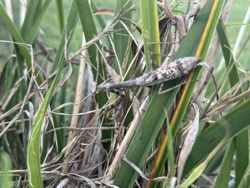
Other bugs you may enjoy
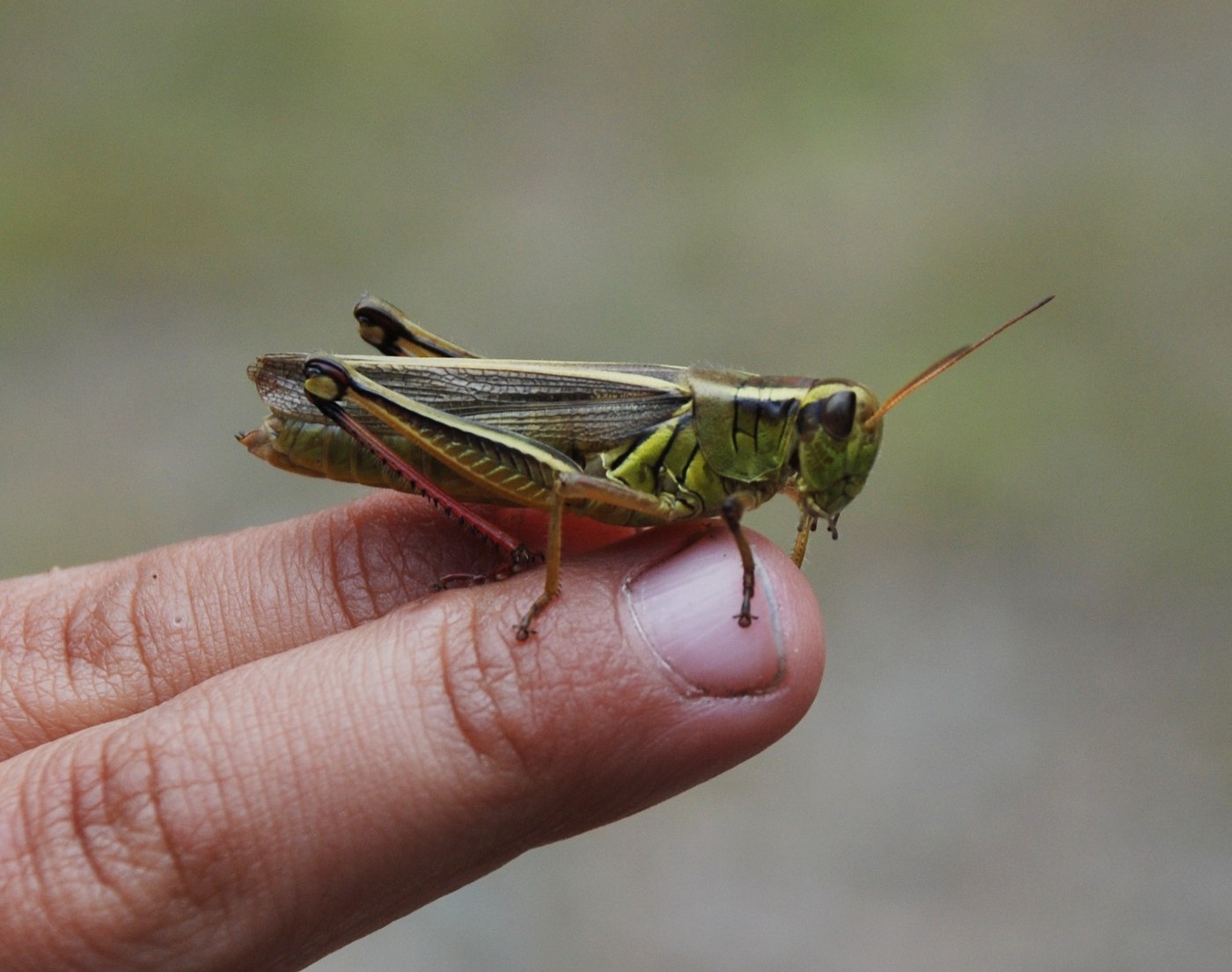
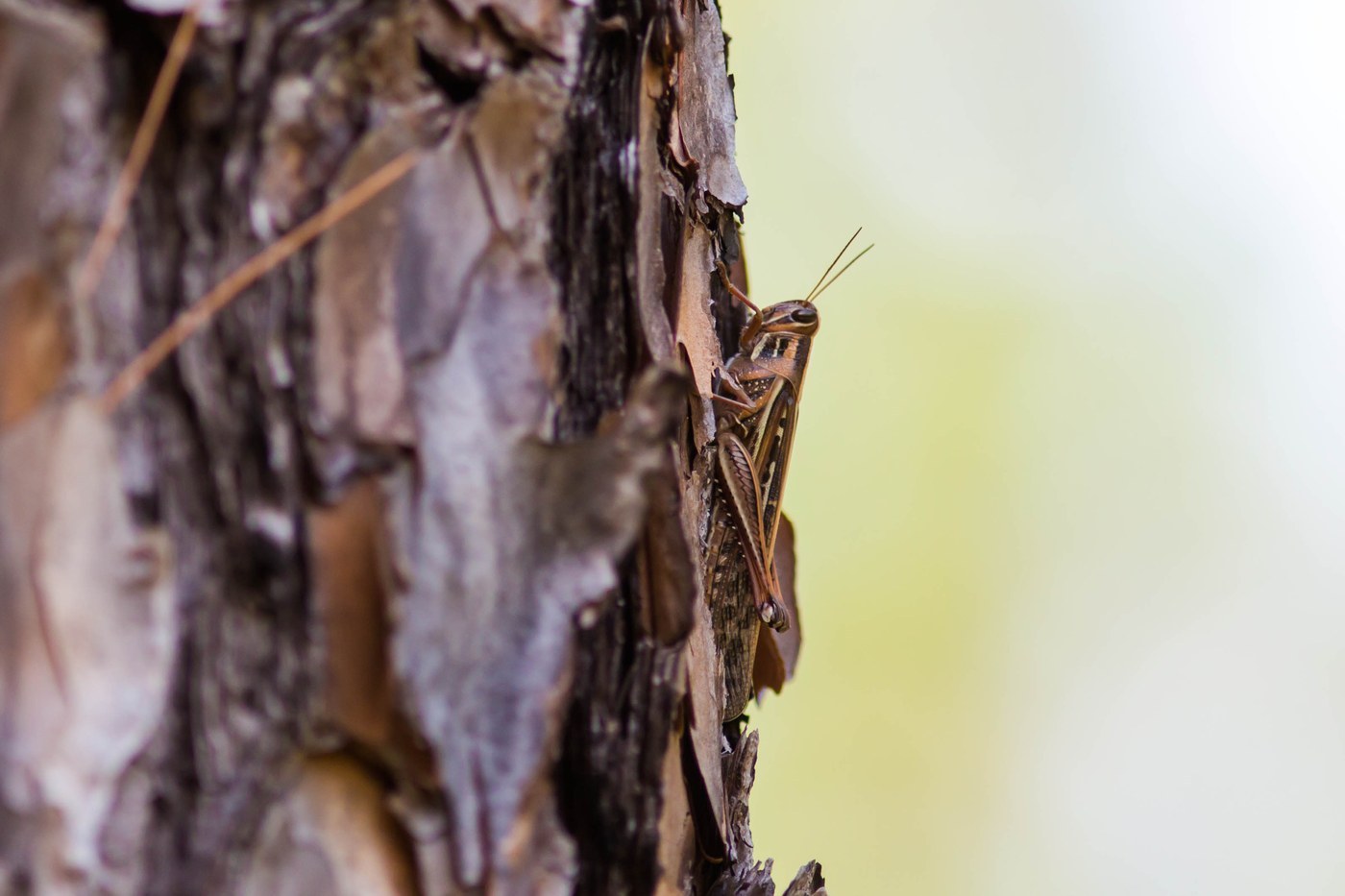
Two-striped Grasshopper
Meadows, pastures, riverbanks, and agricultural fields across North America
American Grasshopper
Woodland edges, citrus groves, gardens, and open fields across the southern and southeastern United States
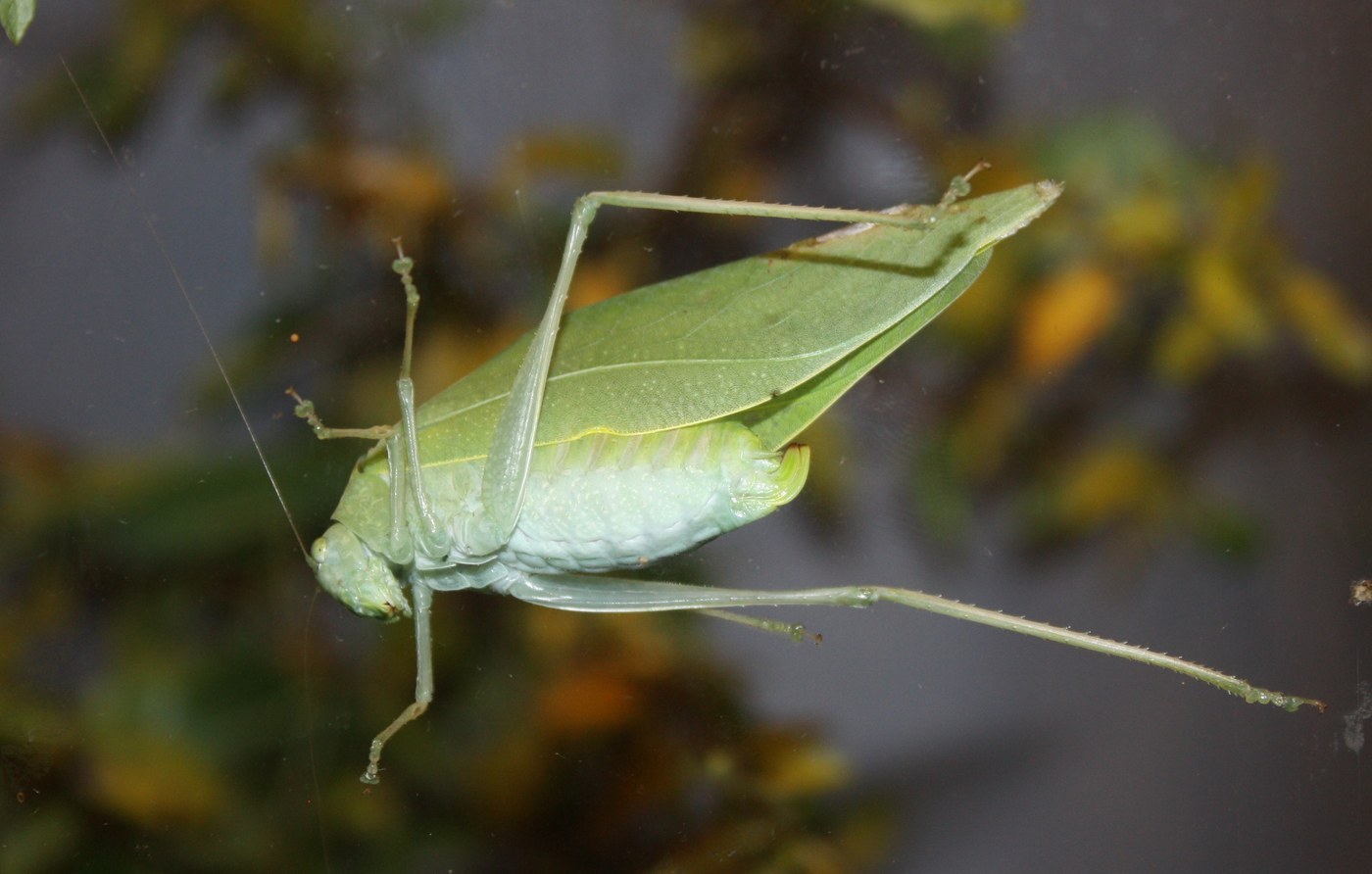
Angular-winged Katydid
deciduous trees, shrubs, and hedgerows across eastern and central North America
Spur-throated Grasshopper
grasslands, meadows, croplands, and roadsides across North America
Snowy Tree Cricket
Shrubs, trees, and tall vegetation across North America
Rocky Mountain Locust
historically open grasslands and river valleys of the Rocky Mountains and Great Plains (now believed extinct)
Spotted Camel Cricket
damp caves, crawl spaces, basements, leaf litter, and rotting logs in eastern North America
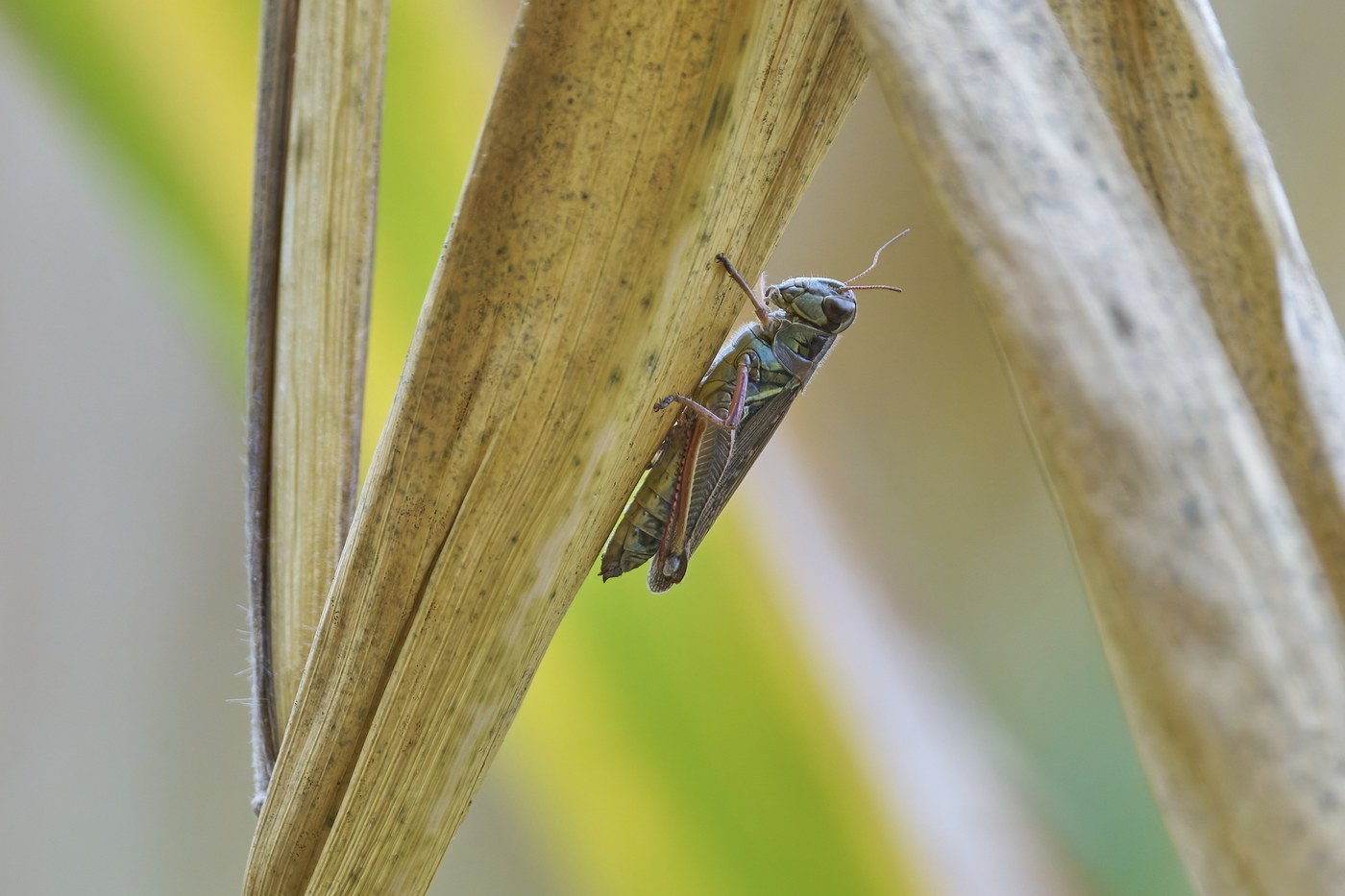
Red-legged Grasshopper
Meadows, pastures, field edges, and gardens across North America
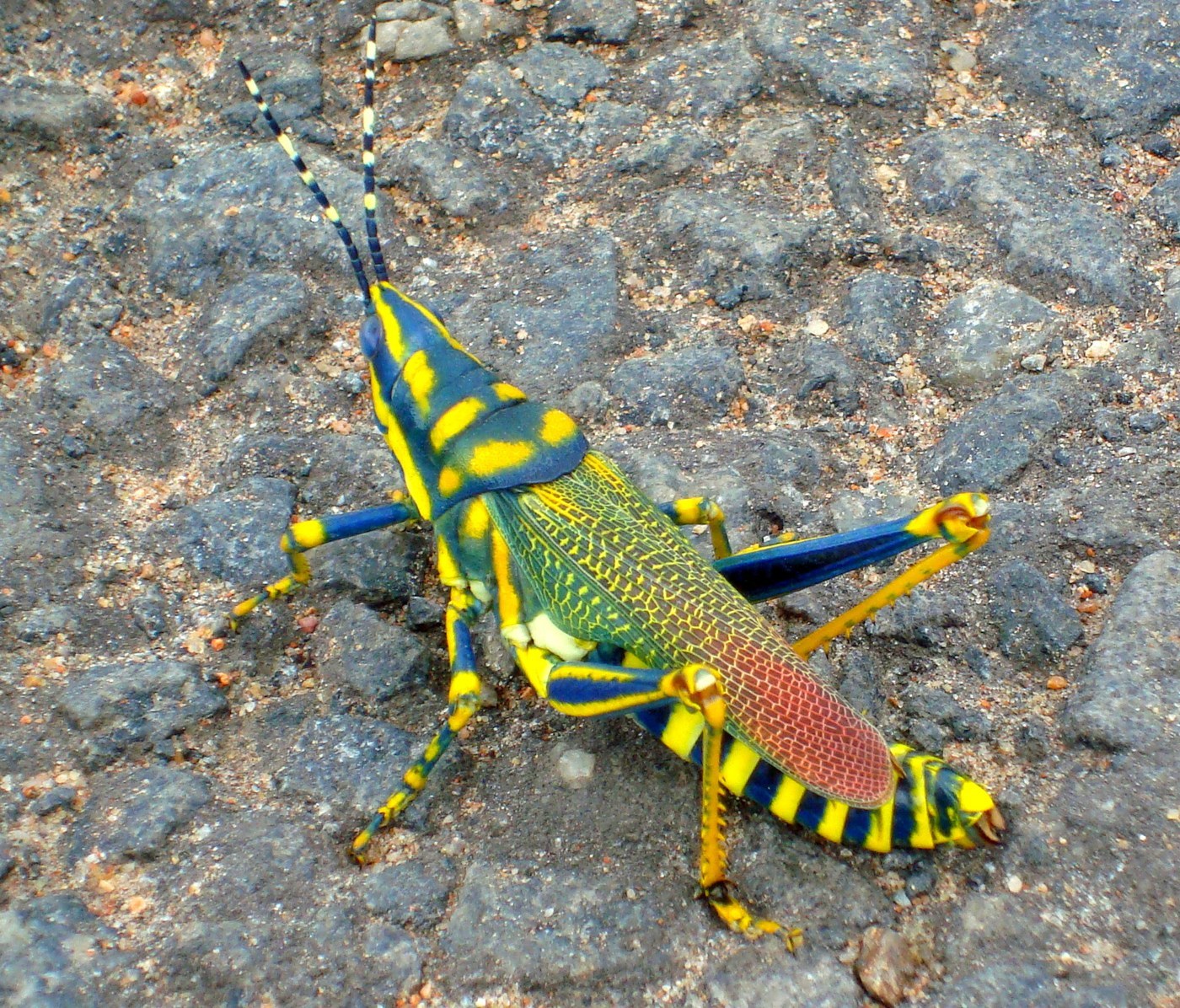
Painted Grasshopper
arid scrub, wastelands, and gardens of the Indian subcontinent, especially near milkweed plants
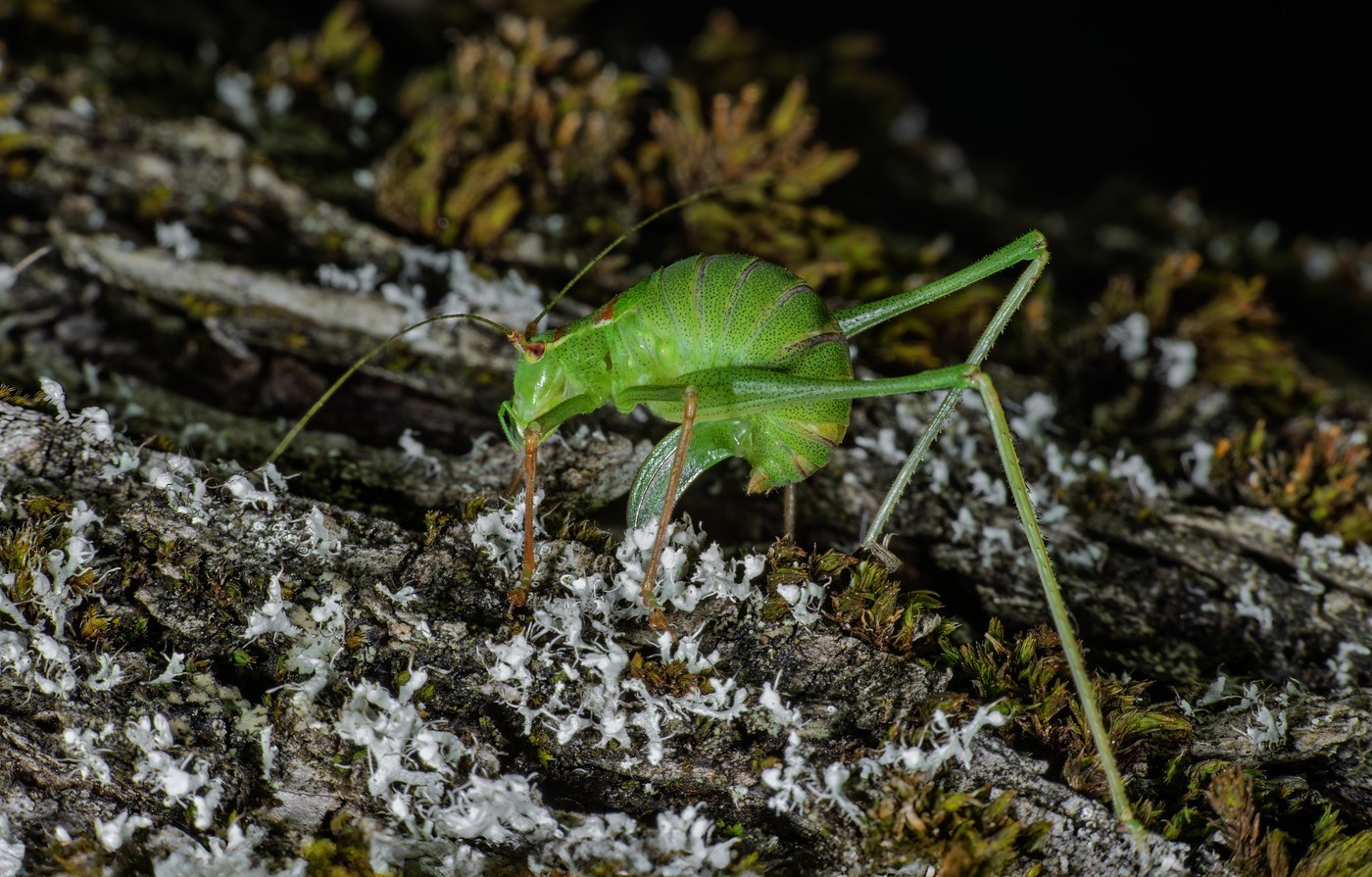
Speckled Bush Cricket
Brambles, hedgerows, nettles, and shrubby vegetation
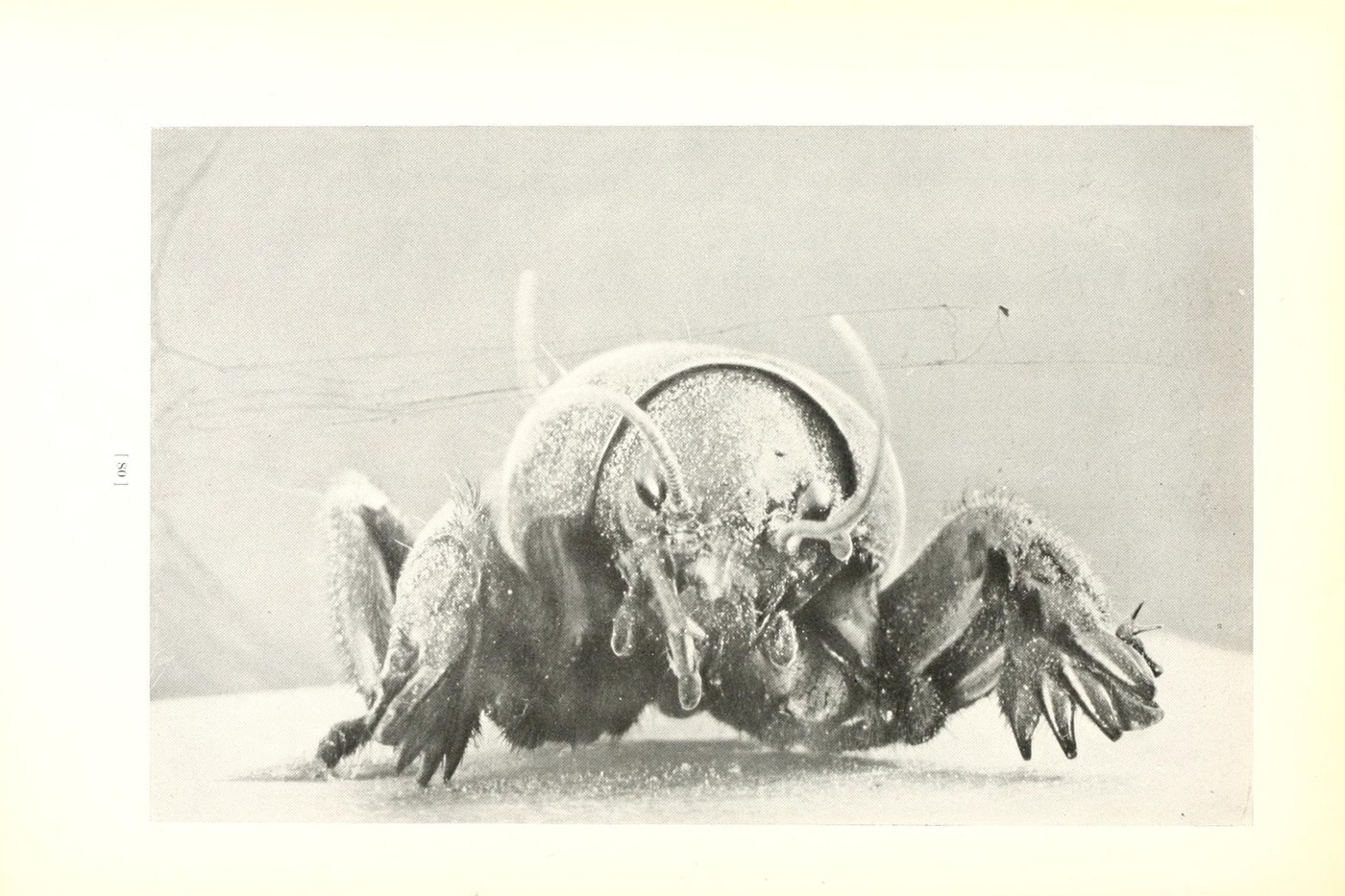
Northern Mole Cricket
wet soil, pond margins, and marshy ground across eastern and central North America
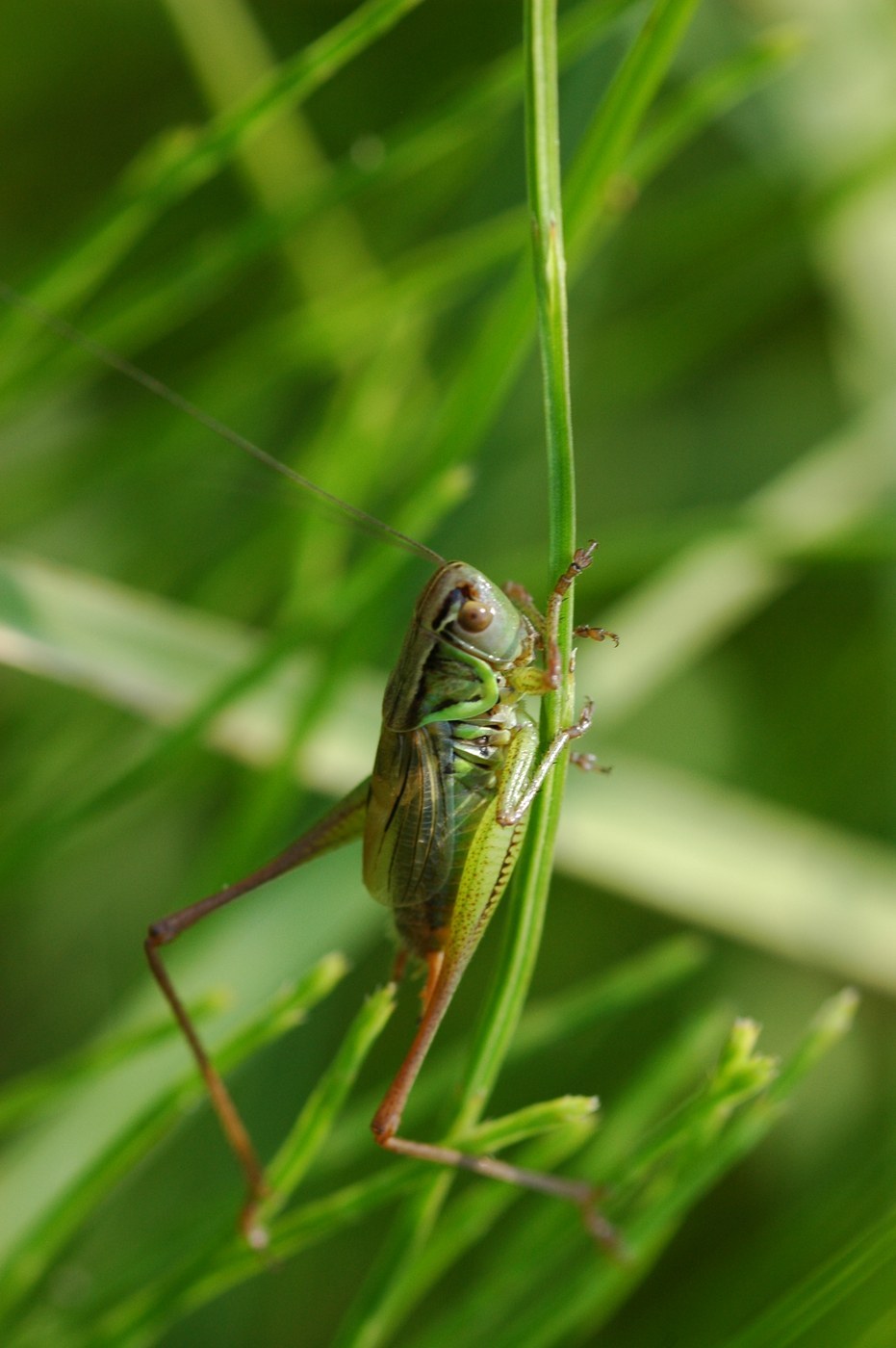
Roesel's Bush Cricket
Damp grasslands, meadows, and roadside verges