Scorpion Identification Guide
Identify a scorpion by its pincers, segmented tail, and elongated body built for nighttime hunting.
Read the full Scorpion encyclopedia entry →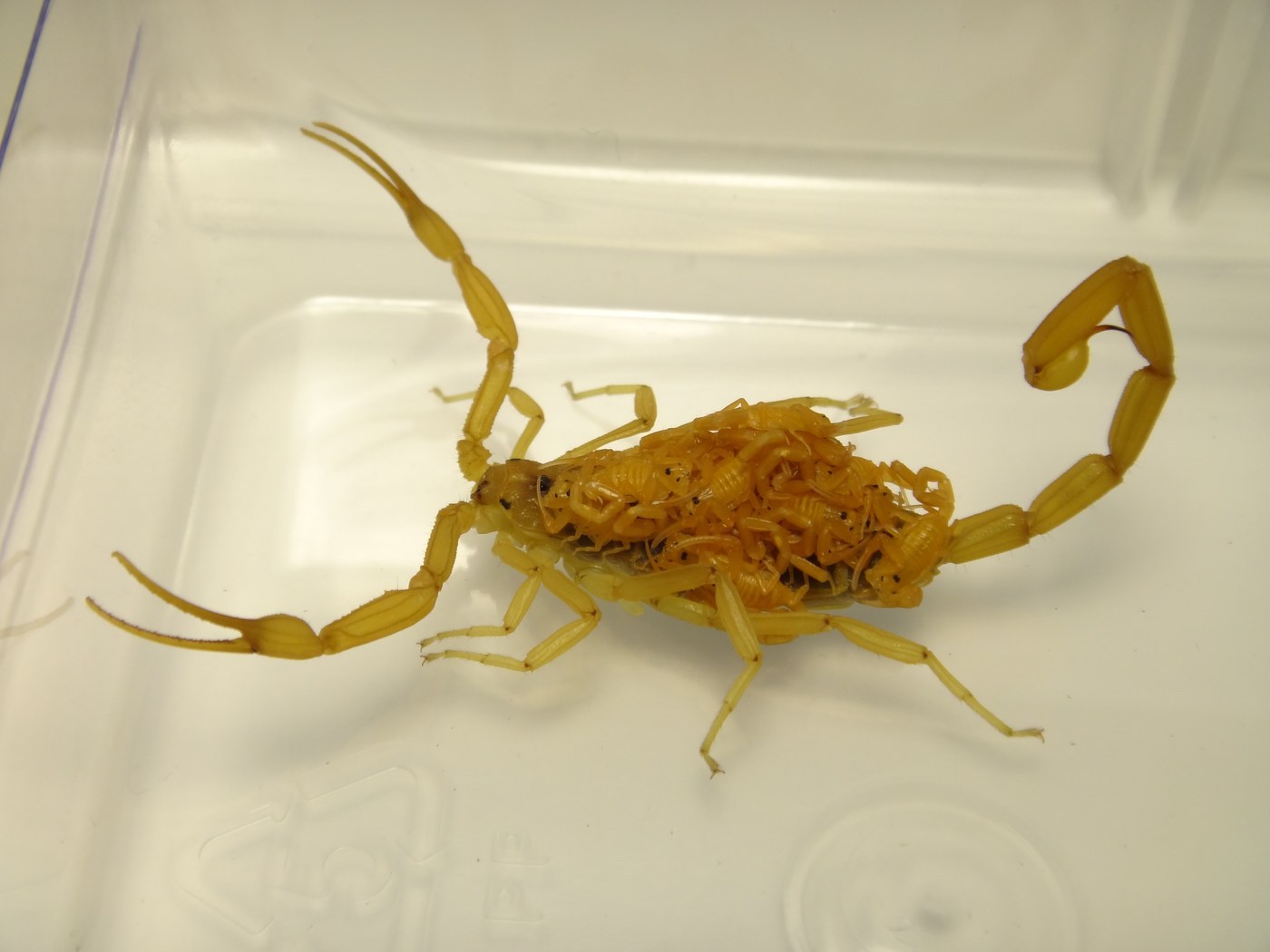
Key Visual Features
Scorpions are easily recognized arachnids with a body plan unlike almost any other creature.
- Size: Ranges from under 1 inch to over 8 inches depending on species, with most commonly encountered species falling in the 2 to 4 inch range.
- Body shape: Elongated body divided into a front section bearing the legs and pincers, and a narrower, segmented tail curving up over the back.
- Pincers (pedipalps): A prominent pair of grasping claws at the front, used for holding prey and sensing surroundings; size and shape vary by species.
- Tail: A distinct segmented tail ending in a bulbous tip, usually carried curled upward when the scorpion is alert.
- Color: Commonly tan, yellow, brown, or dark brown to black, sometimes with lighter or darker banding on the segments.
- Other features: Eight legs, small eyes on top of the head region, and a hard, glossy exoskeleton.
Where and When You'd See One
Scorpions are found in a wide range of climates, most often warm and arid regions.
- Deserts, grasslands, and dry forests, often under rocks, bark, or debris during the day
- Sometimes found indoors in garages, basements, or crawl spaces, especially in warm climates
- Almost entirely nocturnal, emerging at night to hunt
- Most active in warm months, retreating into shelter during cold weather
Similar-Looking Bugs
- Whip scorpions and vinegaroons have a long thin tail-like appendage instead of a stinger-tipped tail, and lack the true segmented stinging tail of a scorpion.
- Pseudoscorpions look like tiny scorpions with pincers but have no tail at all and are usually just a few millimeters long.
- Camel spiders (solifugids) have large jaws instead of pincers and no tail.
- Crayfish, seen out of water, can superficially resemble a scorpion's pincers but lack the segmented tail and have a very different body plan overall.
Quick ID Checklist
- Front pair of large, grasping pincers
- Narrow, segmented tail curved up over the back
- Eight legs and a hard, glossy exoskeleton
- Found under rocks, bark, or debris in warm, dry habitats
- Primarily active at night
Frequently asked questions
What is the easiest feature to identify a scorpion by?
The combination of front grasping pincers and a narrow, segmented tail carried curled over the back is unique to scorpions among common arthropods.
How can I tell a scorpion from a whip scorpion?
Whip scorpions have a thin, whip-like tail appendage instead of the thick, segmented, curved tail found on true scorpions.
When are scorpions most active?
They are primarily nocturnal, staying hidden under rocks, bark, or debris during the day and becoming active after dark.
What habitats do scorpions prefer?
Most species favor warm, dry environments such as deserts and grasslands, though some are found in forests and occasionally indoors in warm climates.
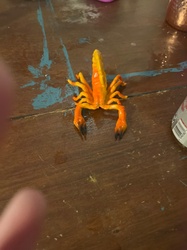
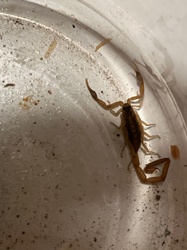
Scorpion identified by the community
Recent Scorpion finds identified with Bug Identifier.