
Scorpion
Scorpiones spp.
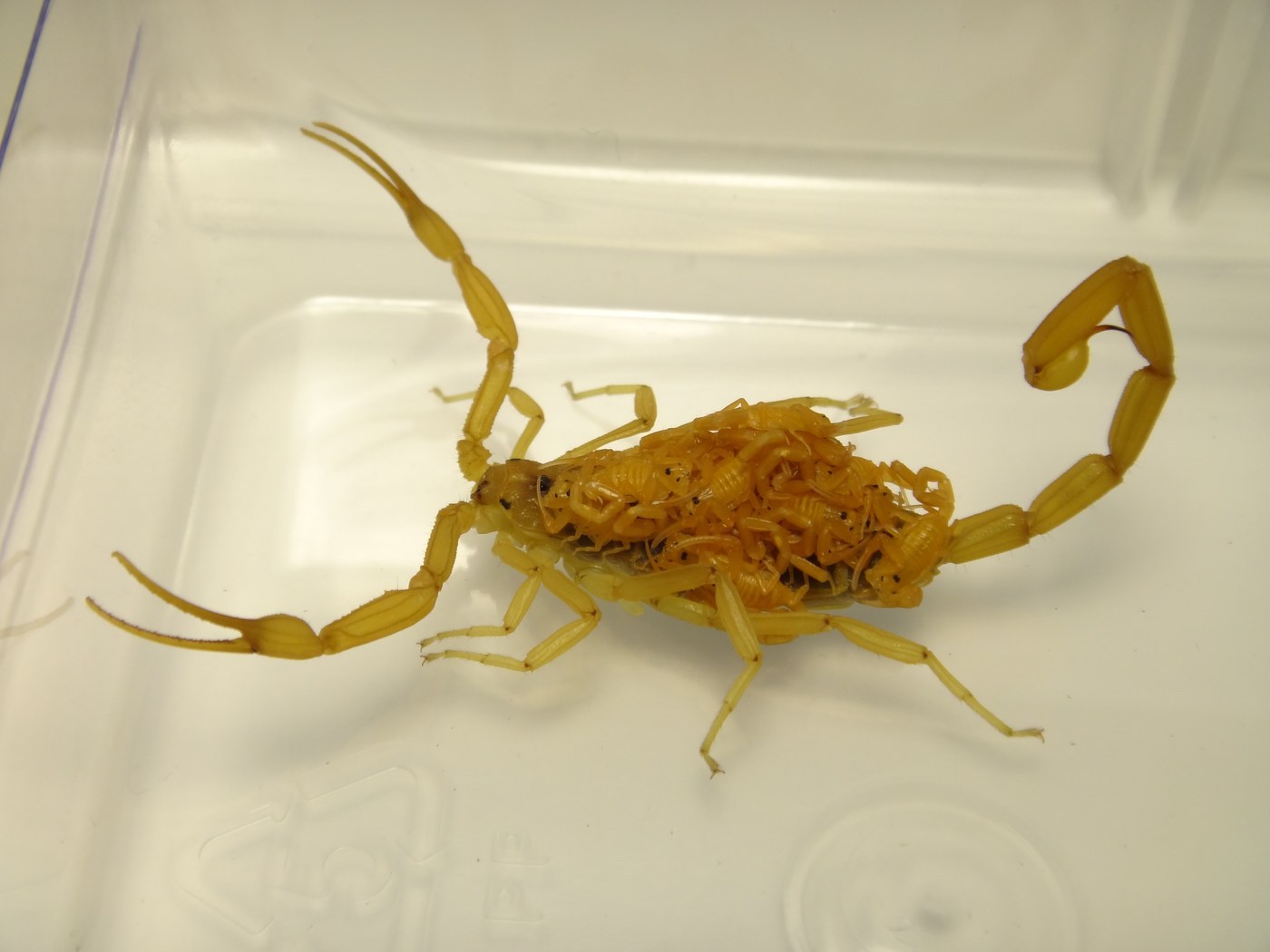
An ancient, armored arachnid with grasping pincers and a segmented tail carried curled over its back, tipped with a stinger used to subdue prey.
- Size
- 0.5-8 in (13-200 mm) depending on species
- Habitat
- Deserts, grasslands, forests, and caves worldwide except Antarctica
- Danger
- Stings
Spotted a bug like this?
Identify any bug or insect from a photo, free.
Overview
Scorpions form the order Scorpiones, an ancient lineage of arachnids with a fossil record stretching back hundreds of millions of years, making them among the oldest terrestrial animal groups still living today. More than two thousand described species occur on every continent except Antarctica, ranging from arid deserts to tropical rainforests, grasslands, and even caves.
A scorpion's body is easily recognized by its pair of large, pincer-like pedipalps at the front, used for grasping prey and, in many species, for pushing and shoving rivals during territorial or courtship encounters, and a long, segmented tail, technically called the metasoma, that curves up and over the back and ends in a bulbous segment called the telson bearing a sharp stinger. The overall body is covered in a hardened exoskeleton and divided into a compact cephalothorax and a longer, segmented abdomen.
One of the more striking natural history facts about scorpions is that their exoskeleton contains compounds that fluoresce a vivid blue-green under ultraviolet light, a phenomenon researchers use to survey desert scorpion populations at night using UV flashlights, since the animals otherwise blend seamlessly into sand, rock, and leaf litter.
How to Identify
- Compact, flattened cephalothorax bearing a pair of large pincer-like pedipalps
- Elongated, segmented abdomen ending in a narrow, curved tail (metasoma) tipped with a bulbous stinger (telson)
- Eight walking legs, typical of arachnids, plus the enlarged front pincers
- Coloration ranges widely by species, from pale yellow and tan desert forms to dark brown or black forest and cave species
- Body fluoresces blue-green under ultraviolet light, a useful survey and identification tool at night
- Lookalikes include some large solifugids (camel spiders) and pseudoscorpions, but the segmented tail with a terminal stinger is unique to true scorpions
Habitat & Range
Scorpions occupy an extraordinarily wide range of habitats worldwide, including hot deserts, semi-arid scrubland, grasslands, tropical and temperate forests, mountains, and caves, on every continent except Antarctica. Most species are nocturnal, sheltering by day under rocks, bark, leaf litter, or in burrows, and emerging at night to hunt when temperatures are cooler and humidity is higher.
Behavior & Diet
Scorpions are predominantly nocturnal ambush and active hunters, feeding on insects, spiders, and other small invertebrates, with larger species occasionally taking small vertebrates. Prey is typically grasped with the pincers, and the tail and stinger are used to help subdue larger or more resistant prey. Many species also use their pincers alone to crush smaller prey without stinging at all. Scorpions are generally solitary outside of courtship and, in some species, brief periods of maternal care, and they serve as both significant predators of insects and, in turn, prey for birds, mammals, and reptiles within their ecosystems.
Life Cycle
Unlike most arachnids, scorpions give birth to live young rather than laying eggs, following an internal gestation period that can last several months to over a year depending on the species. Newborn scorpions climb onto the mother's back shortly after birth and remain there, protected, until after their first molt, when they disperse to hunt independently. Scorpions then grow through a series of further molts over one to several years before reaching sexual maturity, and many species are long-lived, with some documented to survive a decade or more in the wild.
Frequently asked questions
Why do scorpions glow under UV light?
Compounds in their exoskeleton fluoresce blue-green when exposed to ultraviolet light, a trait researchers use to locate and survey scorpions at night.
How many scorpion species exist?
More than two thousand species have been described, occurring on every continent except Antarctica.
Do scorpions lay eggs?
No, scorpions give live birth after an internal gestation period, and the young ride on the mother's back until their first molt.
What do scorpions eat?
Mainly insects, spiders, and other small invertebrates, which they capture with their pincers and, when needed, subdue with their tail stinger.
Scorpion guides
In-depth guides for identifying, understanding, and living alongside Scorpion.
Scorpion identified by the community
Real finds identified with Bug Identifier.

Other bugs you may enjoy
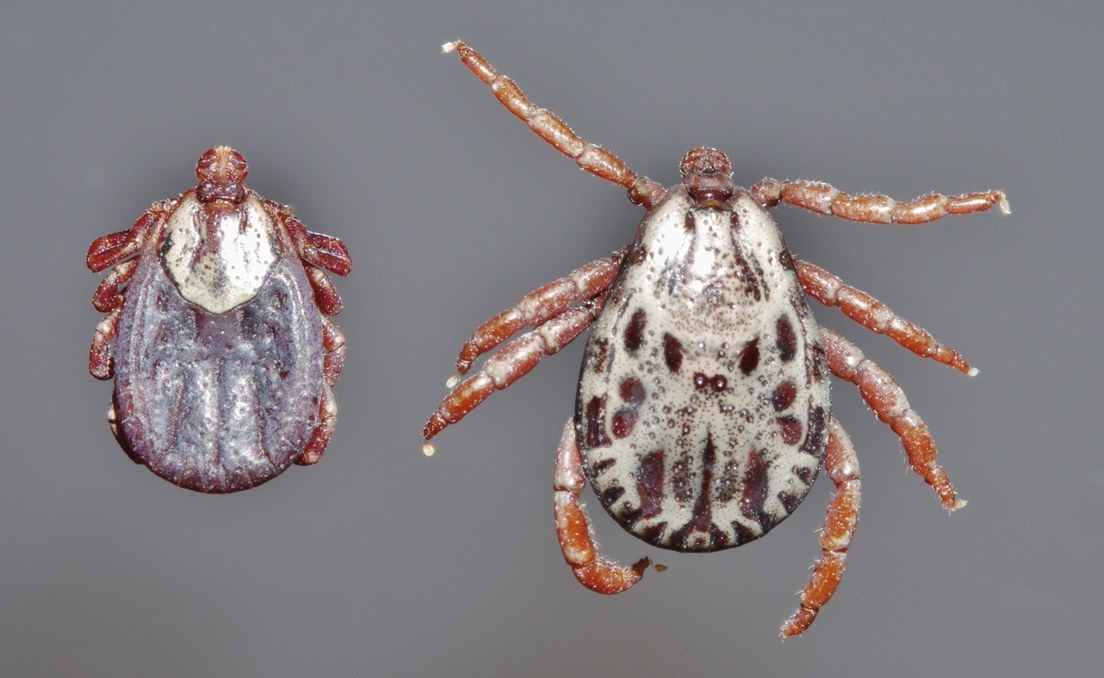
Wood Tick
Grassland, shrub-steppe, and open woodland of western North America
Yellow Scorpion
Arid scrubland, rocky slopes, and desert margins
Whip Spider
Tropical caves, rainforest leaf litter, and under bark
Water Mite
Ponds, lakes, streams, and other freshwater bodies
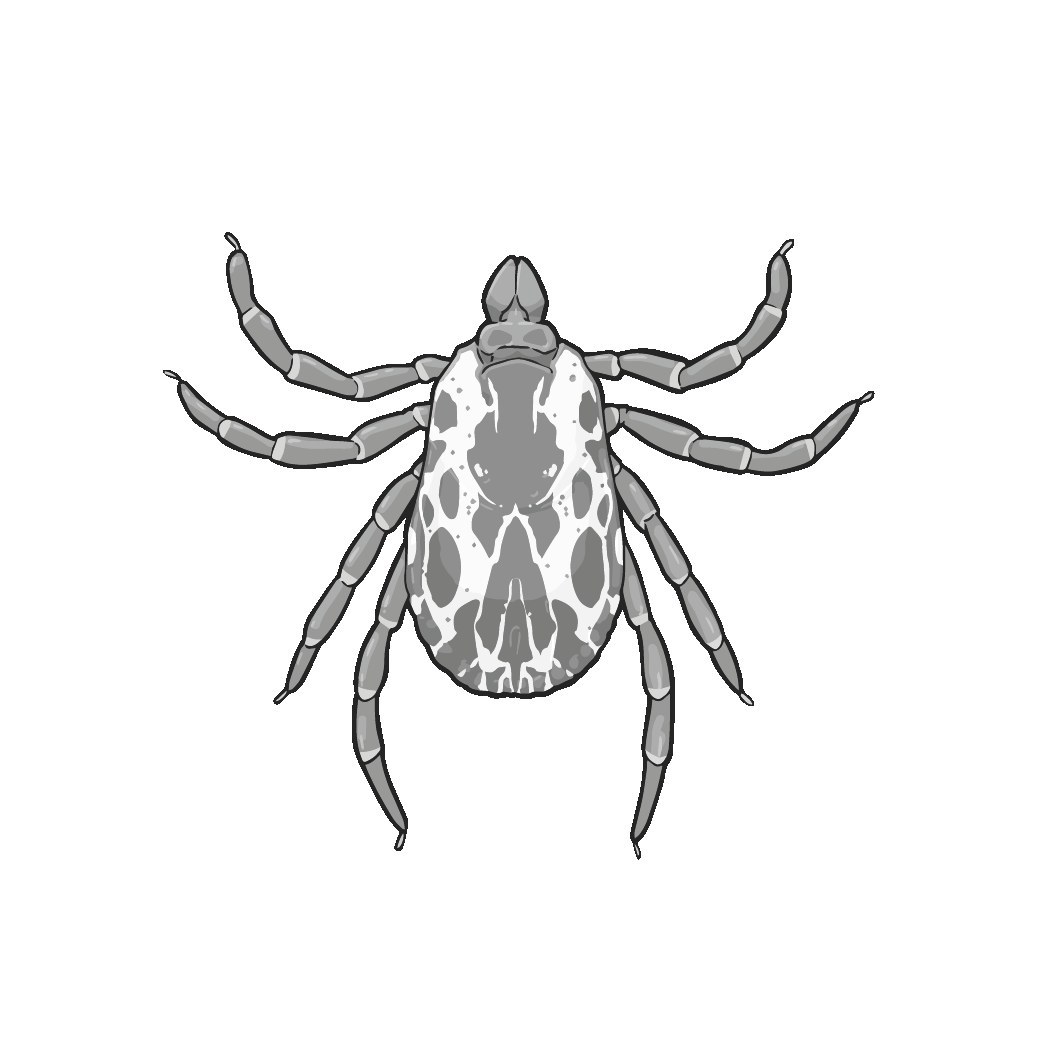
American Dog Tick
Grassy fields, trails, and low vegetation near woodlands
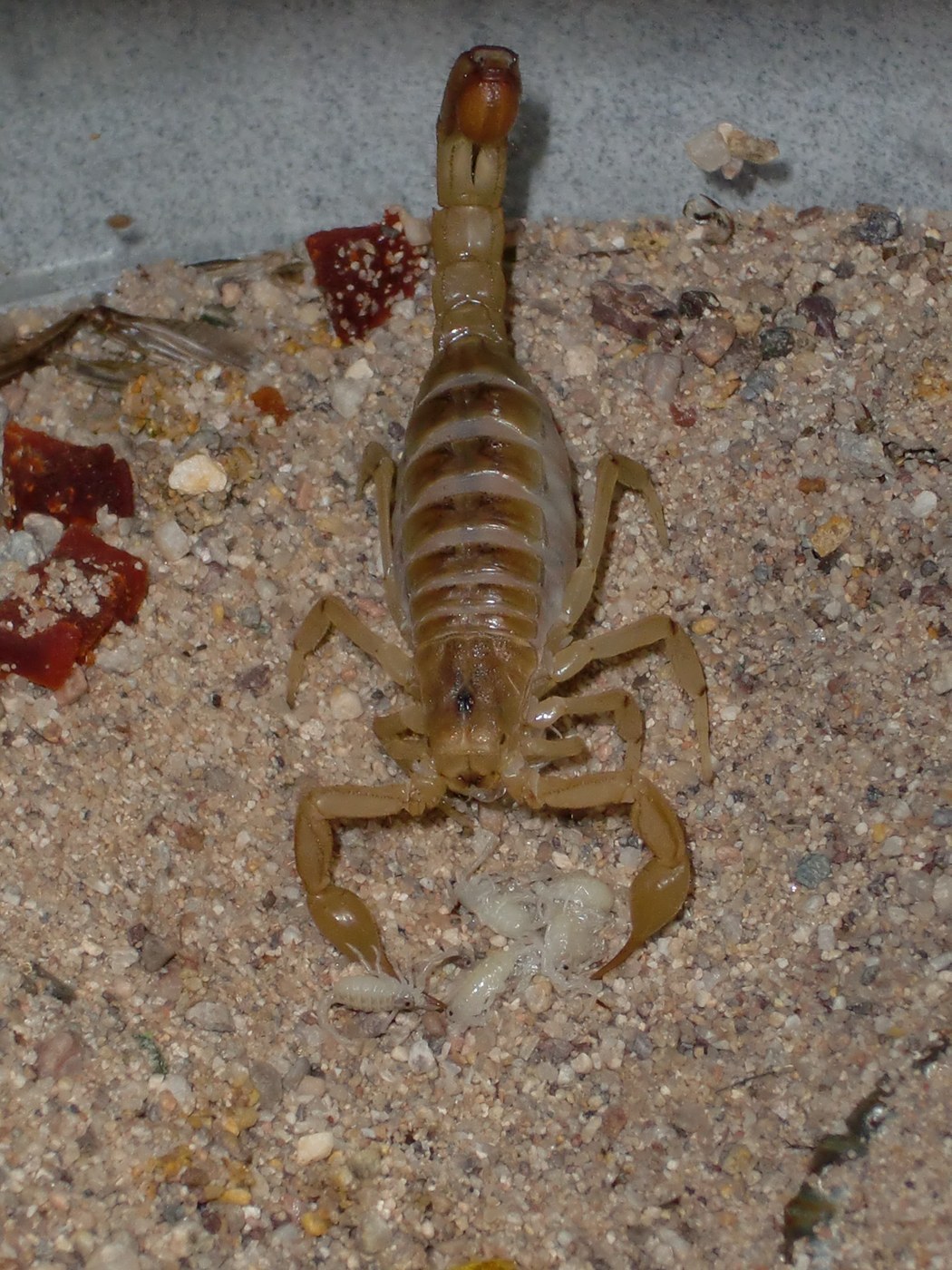
Arizona Bark Scorpion
Rocky desert terrain, tree bark, and structures in the Southwest
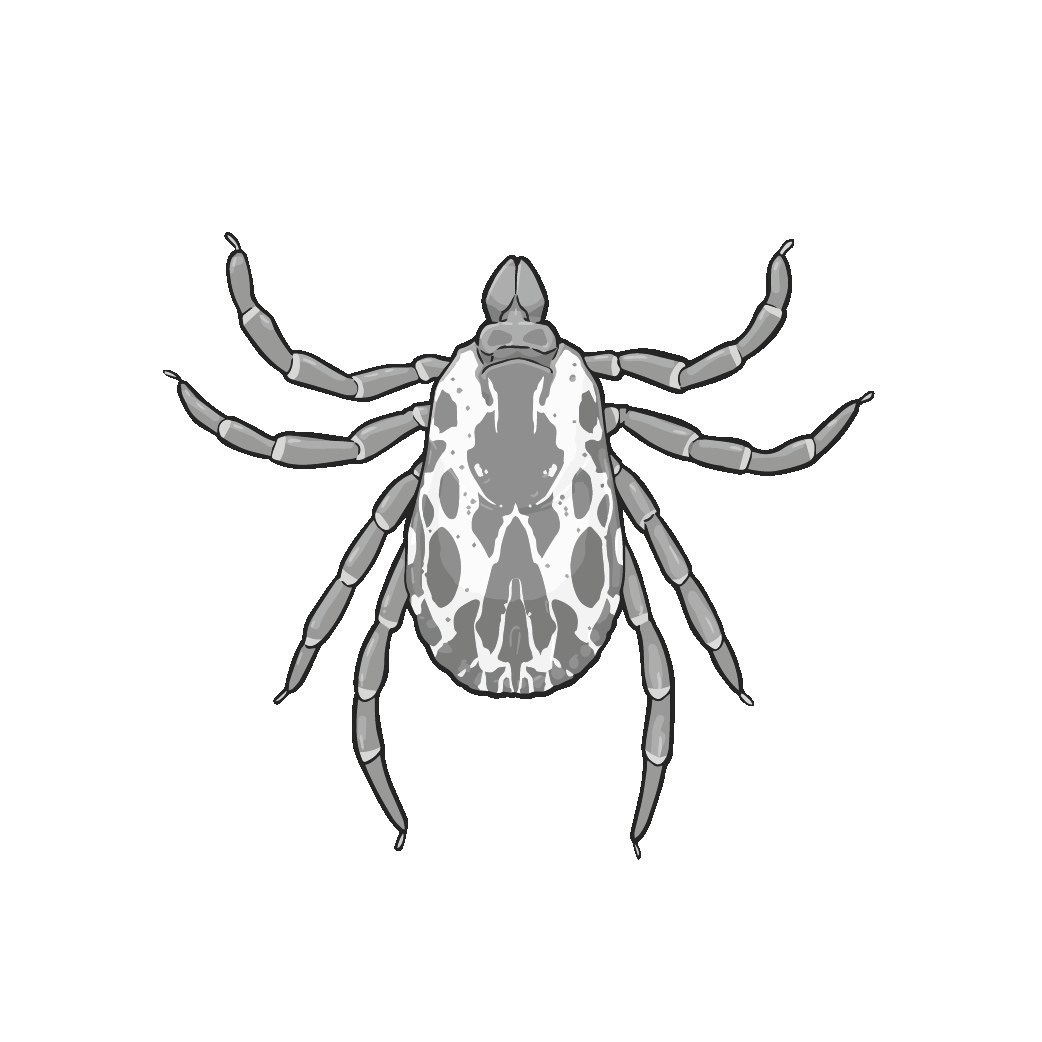
Tick
Tall grass, brush, woodland edges, and animal trails
Soil Mite
Soil, leaf litter, moss, and decaying organic matter worldwide
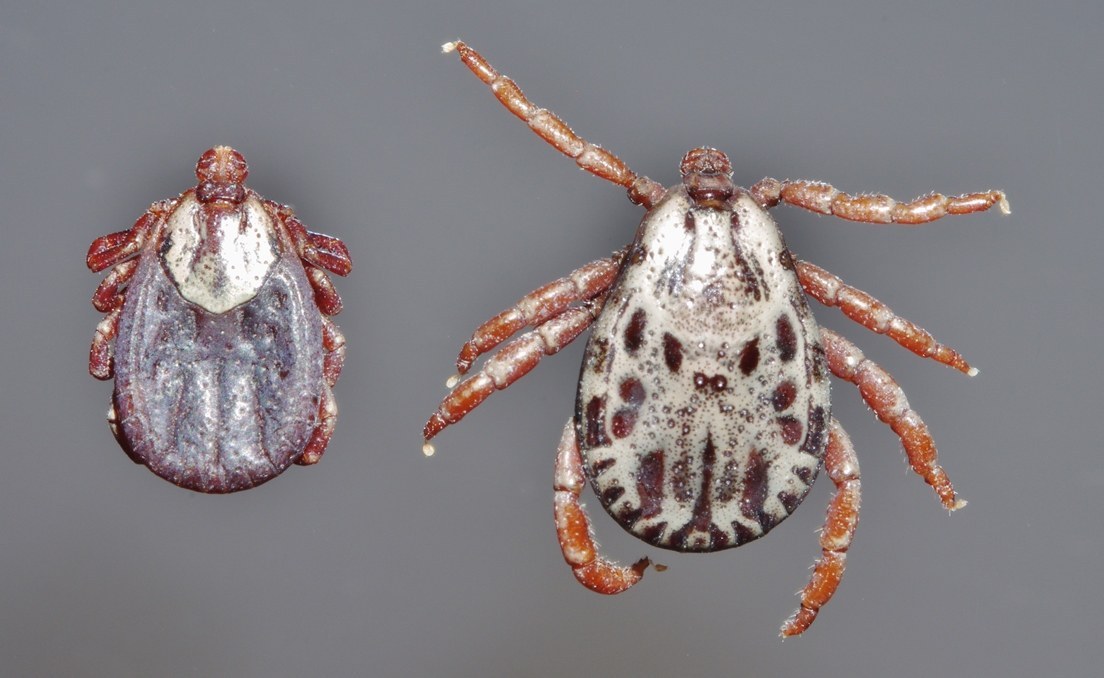
Rocky Mountain Wood Tick
Sagebrush shrublands, grasslands, and montane forest edges
Two-Spotted Spider Mite
Undersides of leaves on garden plants, crops, and houseplants
Spider Mite
Undersides of leaves on garden plants, houseplants, and field and orchard crops worldwide
Whip Scorpion
Tropical and subtropical caves, tree bark, and rock crevices worldwide