Skipper Butterfly Identification Guide
Learn to recognize skippers by their stout, moth-like bodies, hooked antennae tips, and fast, darting flight.
Read the full Skipper Butterfly encyclopedia entry →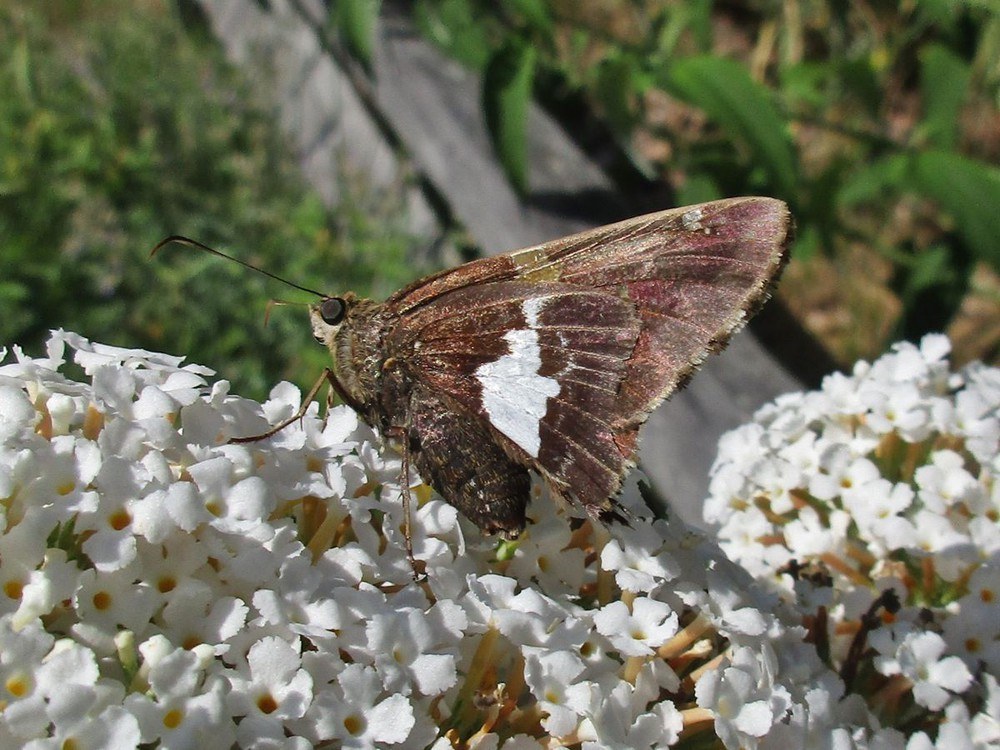
Key Visual Features
Skippers form a large group of butterflies with a build distinct enough from typical butterflies that they are often mistaken for moths at first glance.
- The body is stout and thick compared to the slender bodies of most butterflies, with strong flight muscles that support quick, darting movement.
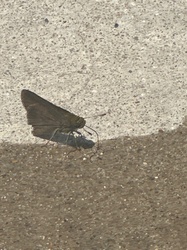
- Wings are relatively small and triangular, often held in a distinctive "jet fighter" pose at rest, with the hindwings spread flat and the forewings angled upward.
- Antennae are widely separated at the base and end in a small hooked or curved tip (rather than a simple rounded club), which is one of the most reliable features separating skippers from other butterflies.
- Coloring varies by species but commonly includes browns, oranges, tans, and grays, often with small pale spots or checkered patterning on the forewings.
- Eyes are large relative to the head, and the overall head appears broad compared to the narrow body of many other butterfly families.
Where and When You'd See It
Skippers are found in a wide range of open habitats including gardens, meadows, prairies, roadsides, and woodland edges, wherever nectar sources and grassy or herbaceous host plants are available. They are active during the day, especially in warm, sunny weather, and are known for their fast, erratic, low flight, darting quickly between flowers rather than gliding smoothly like many other butterflies. Most species are seen from late spring through fall, with peak activity in the warmer summer months.
Similar-Looking Bugs
- Moths can share the stout body and drab coloring of skippers, but true moths generally have feathery or thread-like antennae without the hooked club tip, and most moths fly at night rather than in bright daylight.
- True butterflies in other families have a more slender body and antennae ending in a simple, smooth club rather than a hooked tip.
- Blues and hairstreaks are similarly small but have a much more delicate, slender build and lack the hooked antennae and stocky thorax of skippers.
- The combination of a chunky body, triangular wings held at an angle, and hooked antennae tips is the clearest way to confirm a skipper versus these other small, fast-flying insects.
Quick ID Checklist
- Stout, thick body compared to typical slender butterflies
- Small, triangular wings often held at an angled "fighter jet" pose
- Antennae end in a small hook or curve, not a simple round club
- Fast, darting, erratic flight low over flowers and grasses
- Found in sunny open habitats from late spring through fall
Frequently asked questions
What is the easiest way to tell a skipper from other butterflies?
Look at the antennae tips: skippers have a small hook or curve at the end, while most other butterflies have a simple rounded club.
Why are skippers sometimes mistaken for moths?
They share a stout, thick body and often muted coloring similar to many moths, but skippers fly during the day and have hooked antennae rather than feathery ones.
How do skippers typically hold their wings at rest?
Many species hold their hindwings flat and angle their forewings upward, creating a distinctive triangular, jet-like posture.
What kind of flight pattern do skippers have?
They fly fast, low, and somewhat erratically, darting quickly between flowers rather than the smoother gliding flight of many other butterflies.
Skipper Butterfly identified by the community
Recent Skipper Butterfly finds identified with Bug Identifier.