
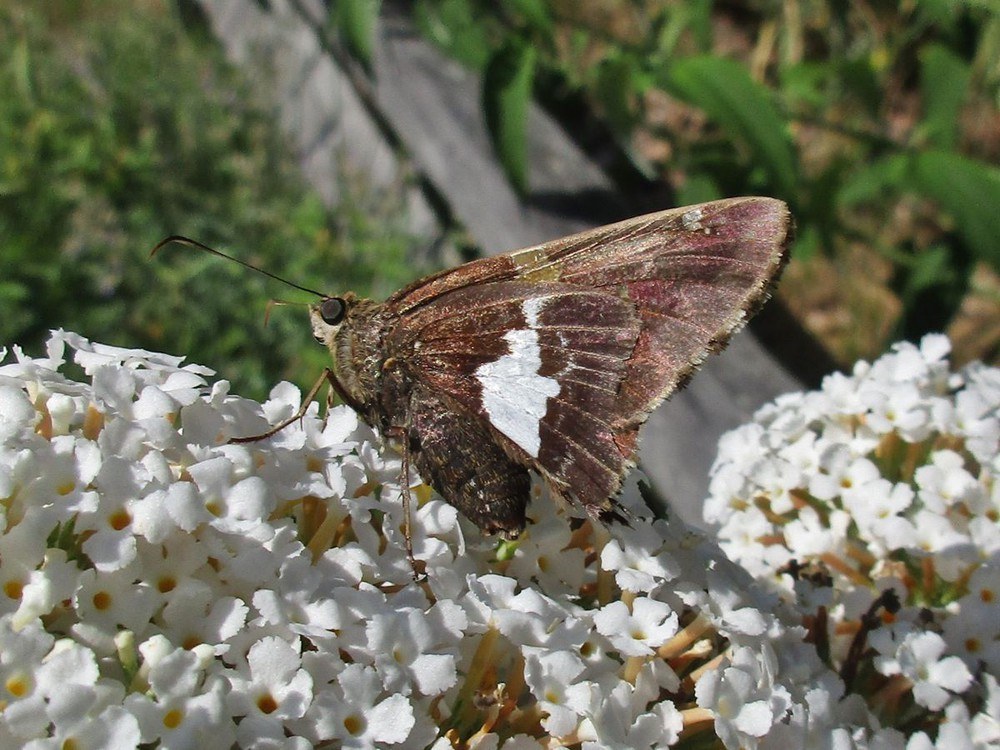
Skipper Butterfly
Epargyreus clarus
A stocky, fast-darting butterfly with a large head, hooked antennae tips, and thick furry body, intermediate in appearance between butterflies and moths, named for its quick, skipping flight.
- Size
- 3–5 cm wingspan (1.2–2 in)
- Habitat
- Meadows, gardens, roadsides, and woodland clearings worldwide
- Danger
- Harmless
Spotted a bug like this?
Identify any bug or insect from a photo, free.
Overview
Skippers make up the family Hesperiidae, a large group of small to medium butterflies distinct enough in body shape and flight style that they are often treated separately from 'true' butterflies. The Silver-spotted Skipper, one of the most recognizable and widely searched species in North America, exemplifies the group's stocky build and rapid, erratic flight.
Skippers are notable for their intermediate traits between butterflies and moths: thick, moth-like bodies and strong flight muscles paired with clubbed antennae typical of butterflies, plus a distinctive hook at the antenna tip found in most species. This combination reflects their unique evolutionary position within the butterfly superfamily.
Ecologically, skippers are important pollinators of low-growing wildflowers and legumes, and their caterpillars, which often feed on grasses or legumes, form an important link in food webs for birds, wasps, and other predators.
How to Identify
- Compact, thick-bodied build with a disproportionately large head and eyes compared to typical butterflies.
- Antennae are clubbed like a butterfly's but end in a small curved hook, a key skipper trait.
- Silver-spotted Skipper shows dark brown wings with a bold golden-orange patch on the forewing and a large silvery-white spot on the hindwing underside.
- Flight is fast, low, and jerky, giving a 'skipping' impression rather than the fluttering glide of typical butterflies; many species perch with forewings raised and hindwings flat.
Habitat & Range
Skippers occur nearly worldwide in open, sunny habitats such as meadows, prairies, gardens, roadside verges, and woodland edges, with the Silver-spotted Skipper common across most of North America. They are active from spring through fall, generally favoring warm, sunny conditions, and often perch on low vegetation or bare ground between short bursts of flight.
Behavior & Diet
Adults are strong, rapid fliers that dart between nectar sources such as clover, milkweed, and thistle, often basking with wings held in a distinctive tented or spread posture. Caterpillars of most skipper species feed on grasses or legumes, typically constructing a rolled or tied leaf shelter for concealment while feeding, and defecate explosively away from the shelter as a defense against predators locating them by scent. Within the ecosystem, skippers contribute to pollination while their caterpillars serve as prey for parasitic wasps and birds.
Life Cycle
Eggs are laid singly on host-plant leaves; caterpillars hatch and immediately build a folded-leaf shelter secured with silk, feeding at night and resting concealed by day through several instars. Pupation occurs within a loosely silked leaf shelter or nest at the base of the host plant. Depending on species and region there may be one to several generations per year, and overwintering typically occurs as a partially grown caterpillar or as a pupa in leaf litter.
Frequently asked questions
Is a skipper a butterfly or a moth?
Skippers are true butterflies, classified in their own family, Hesperiidae, but their stocky moth-like bodies and hooked antennae give them an intermediate appearance.
Why is it called a 'skipper'?
The name comes from their fast, darting, irregular flight pattern that looks like skipping rather than the smoother flutter of most butterflies.
What do skipper caterpillars eat?
Most feed on grasses or legume-family plants, rolling or tying leaves into a shelter where they hide while feeding.
How can I tell different skipper species apart?
Wing pattern, size, and the shape of the antennal hook are key clues, though many small brown skippers require close observation of wing markings to separate species.
Skipper Butterfly guides
In-depth guides for identifying, understanding, and living alongside Skipper Butterfly.
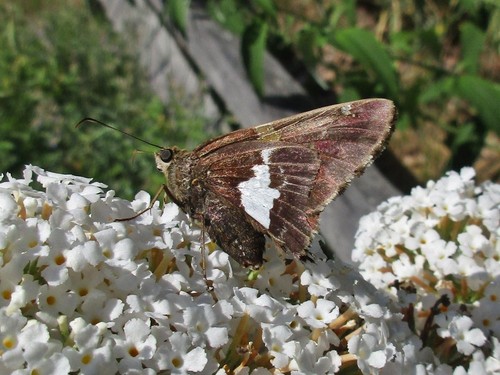
Skipper Butterfly identified by the community
Real finds identified with Bug Identifier.
Other bugs you may enjoy
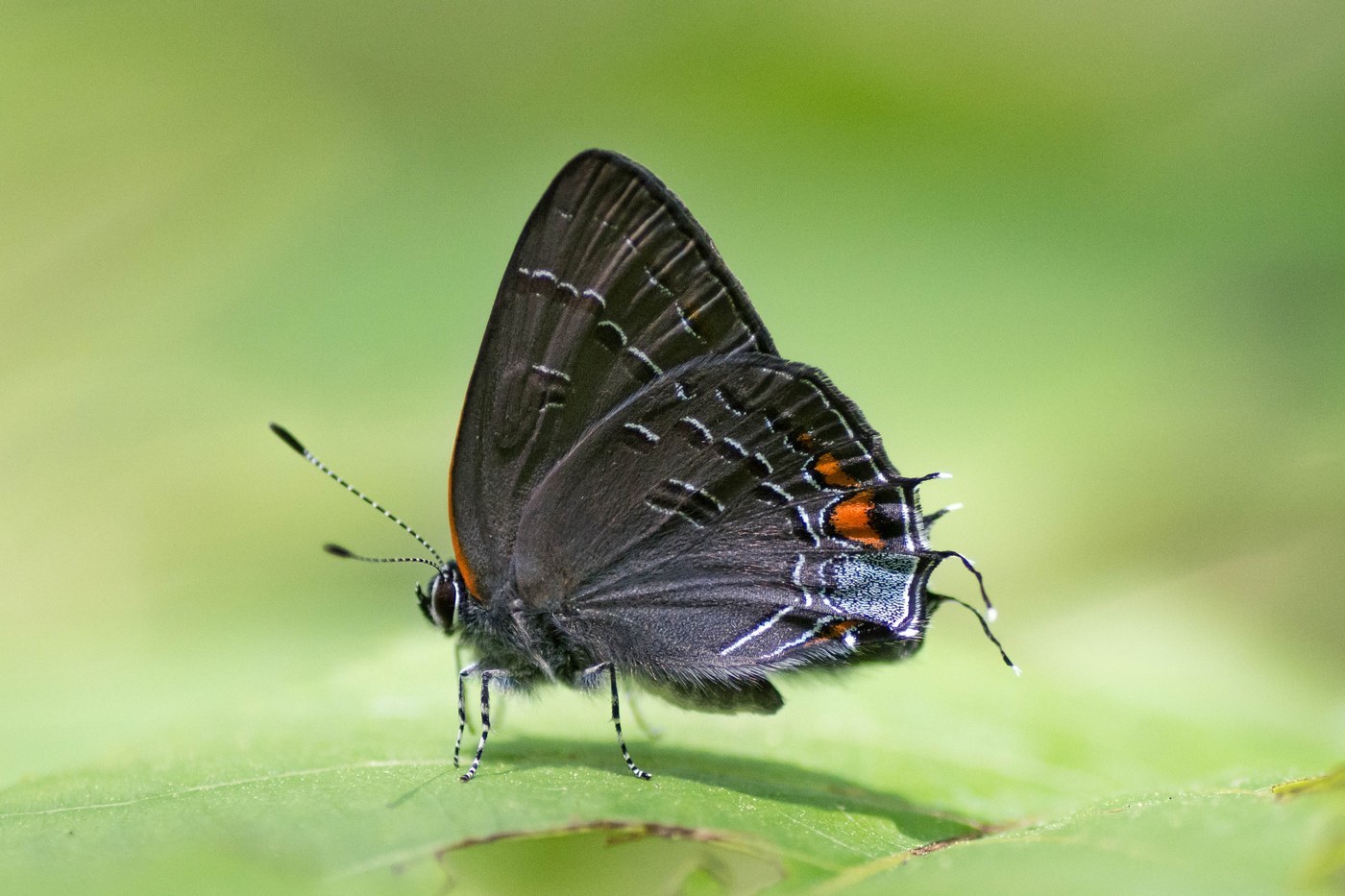
Banded Hairstreak
Deciduous woodlands and edges with oaks and hickories
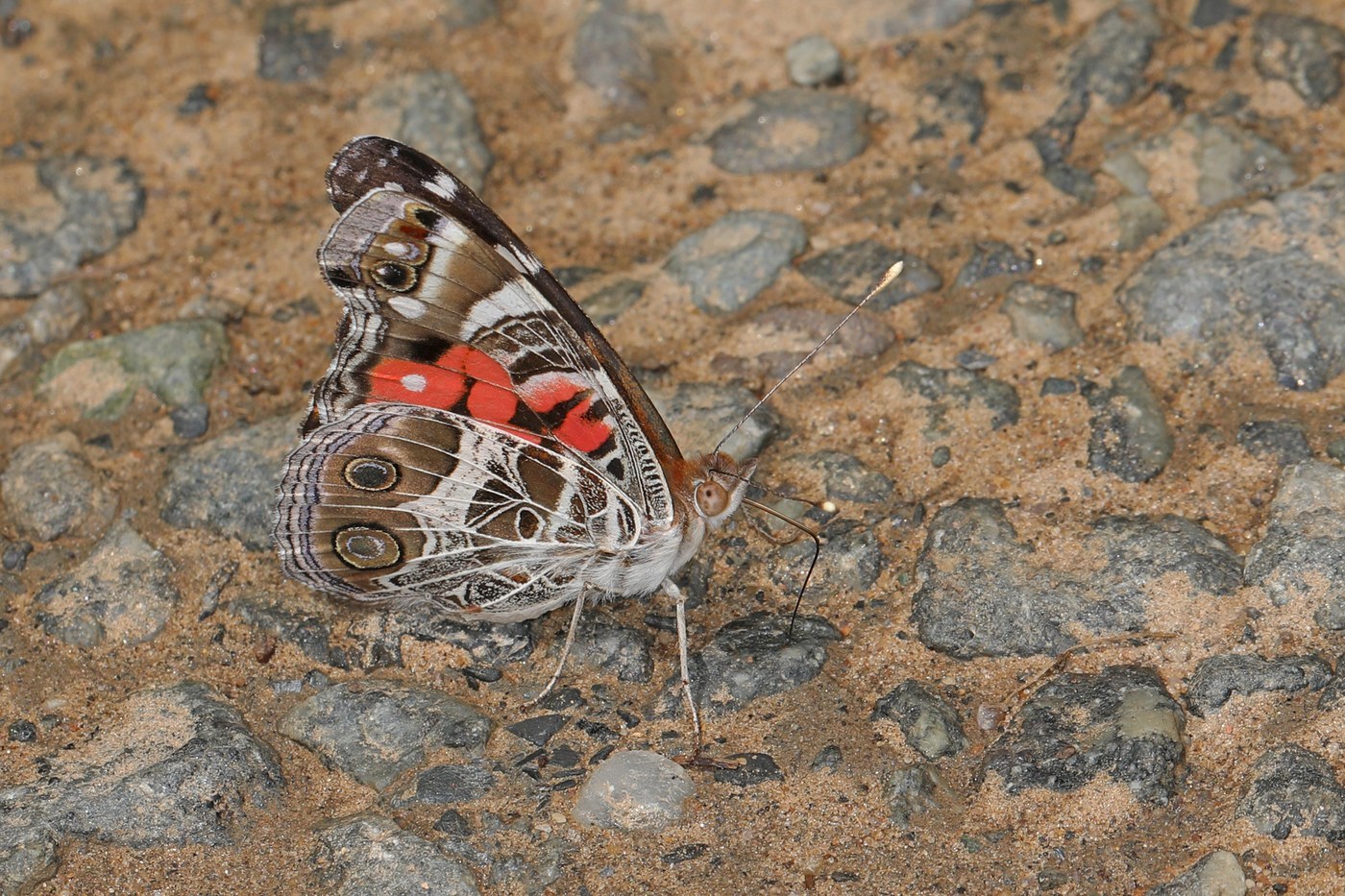
American Lady
Open fields, meadows, gardens, roadsides
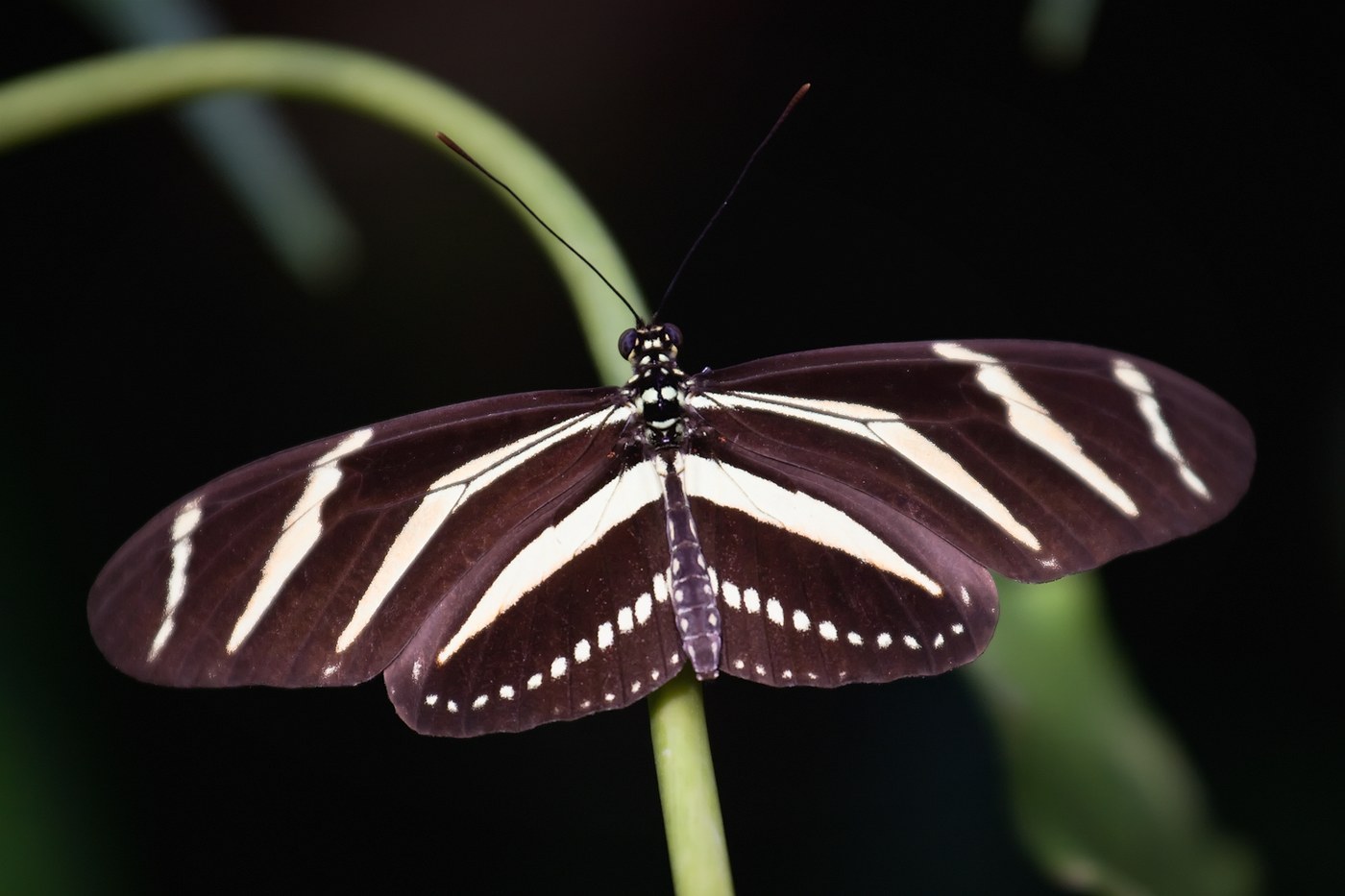
Zebra Longwing
Tropical hammocks, gardens, forest edges
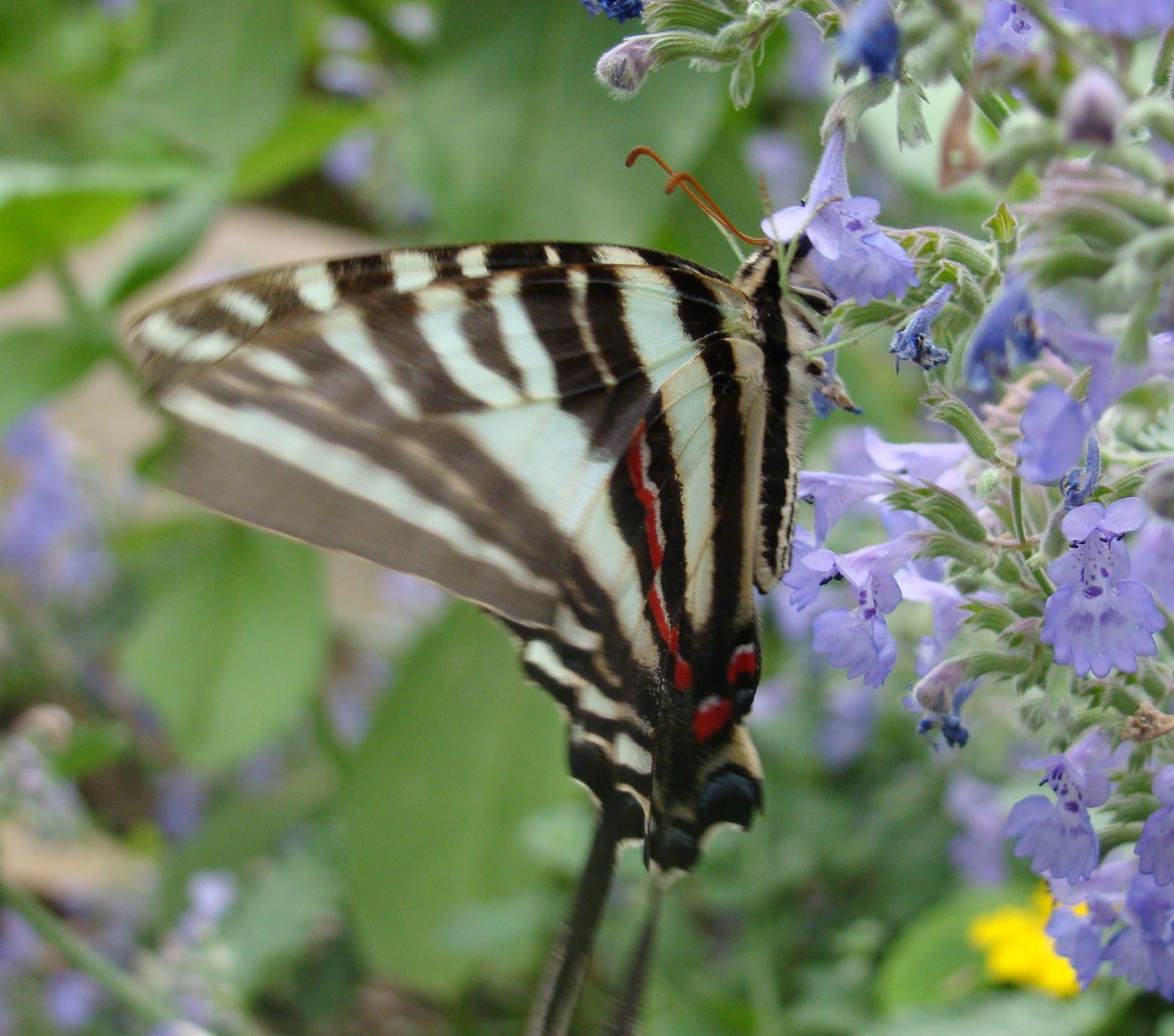
Zebra Swallowtail
Woodlands, floodplains, forest edges near pawpaw
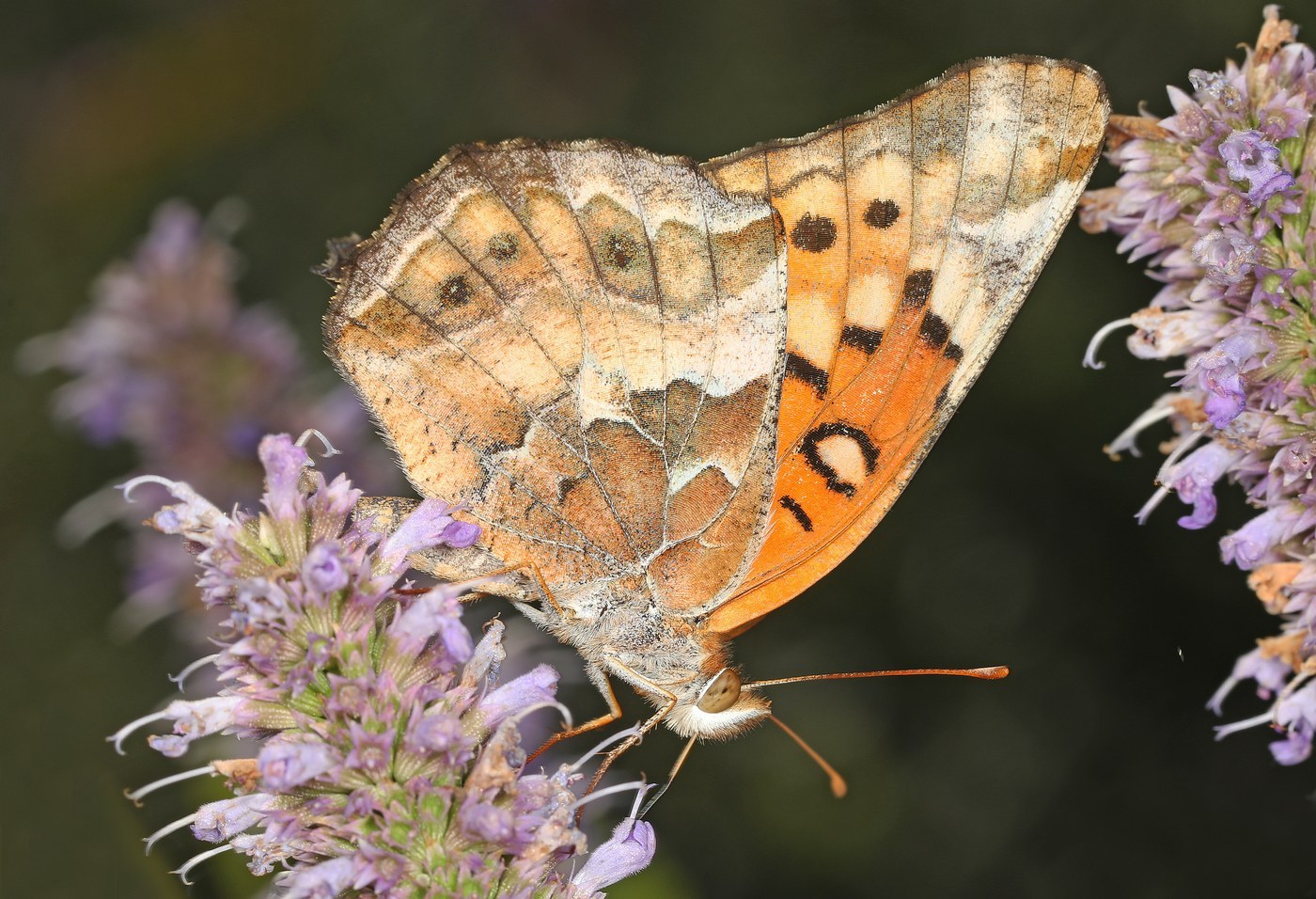
Variegated Fritillary
Open fields, prairies, roadsides, and disturbed ground across most of the United States
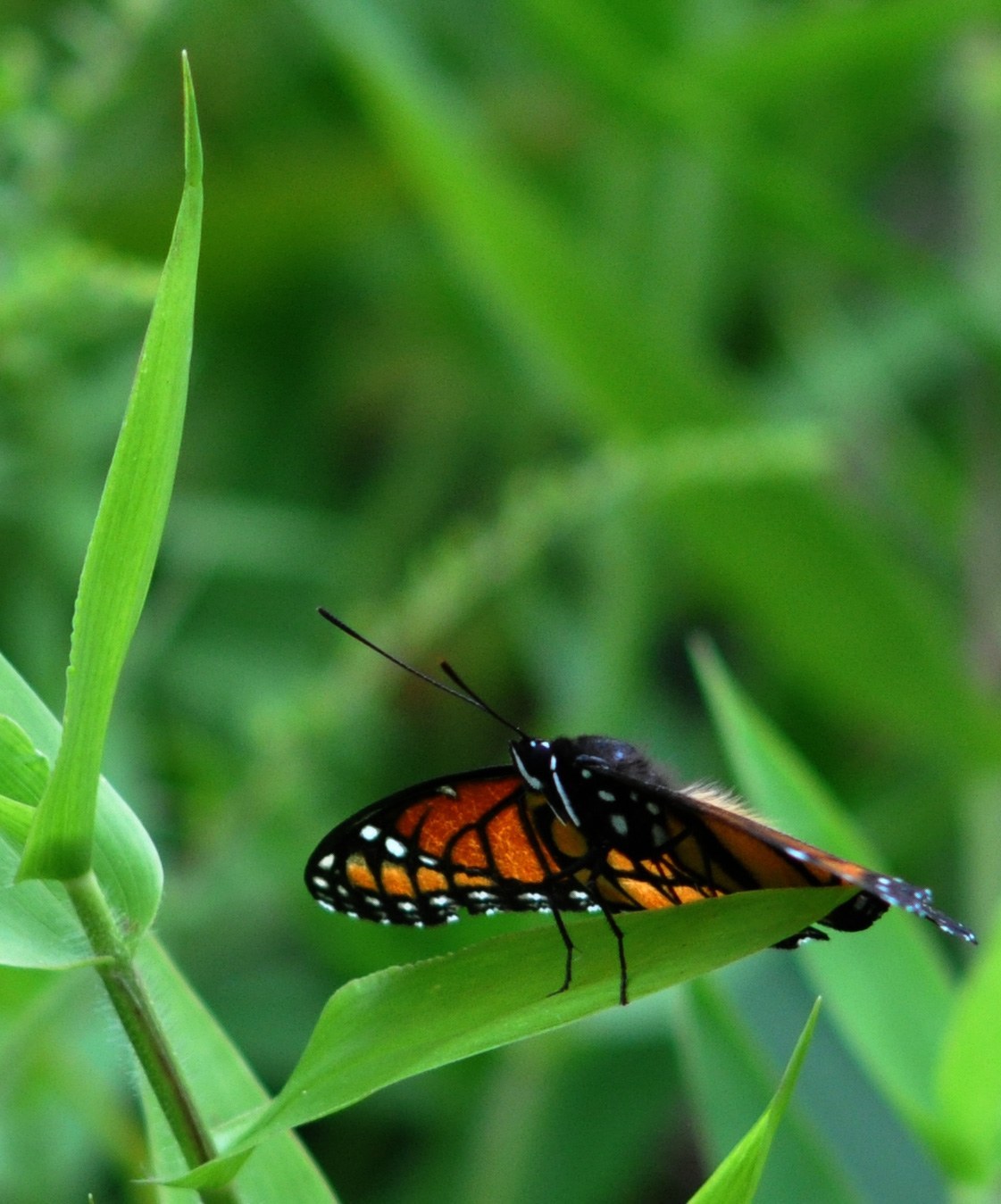
Viceroy Butterfly
Wetlands, meadows, riverbanks, willow thickets (North America)
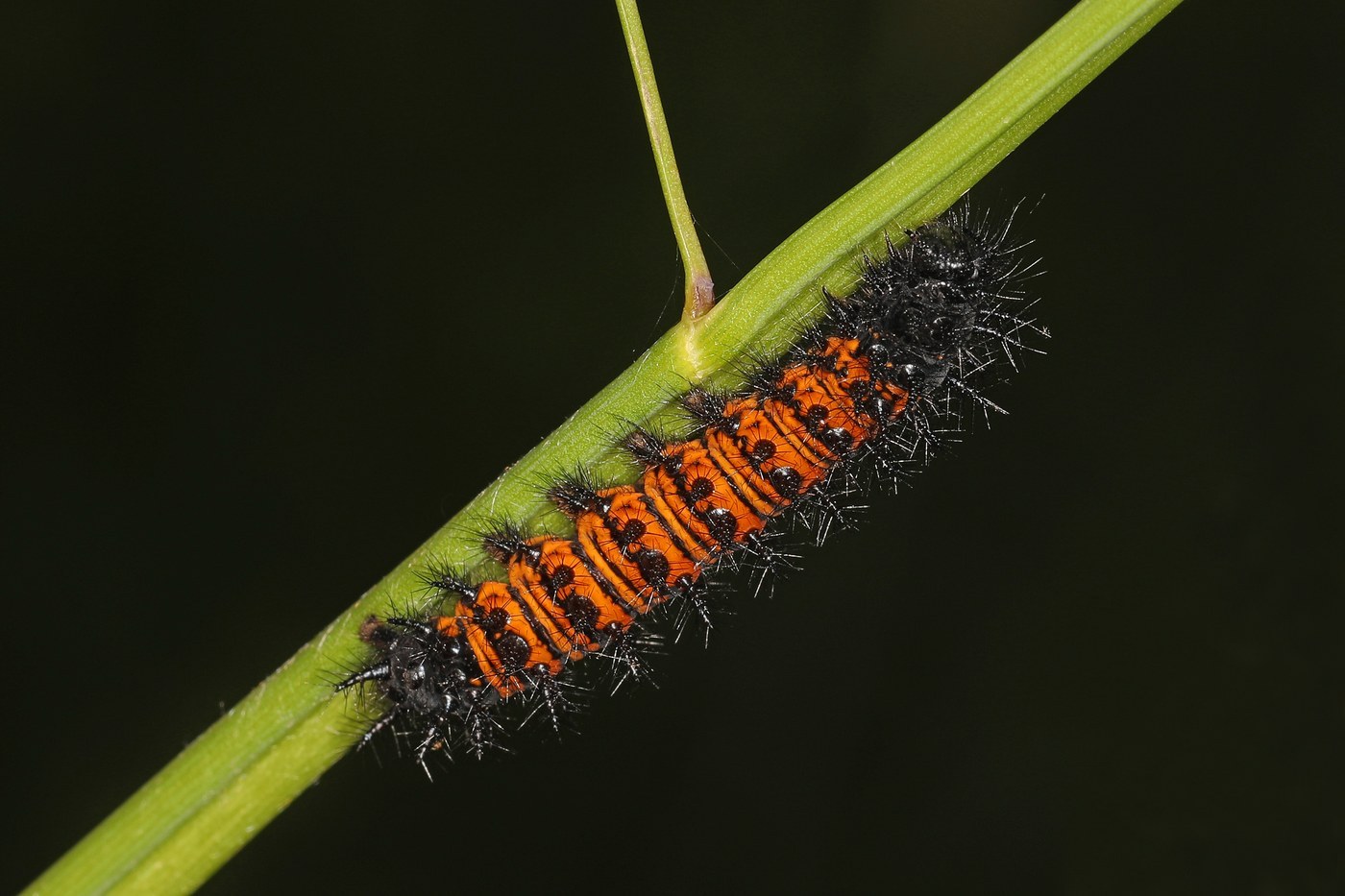
Baltimore Checkerspot
Wet meadows, bogs, and marshy fields in the northeastern and Appalachian US
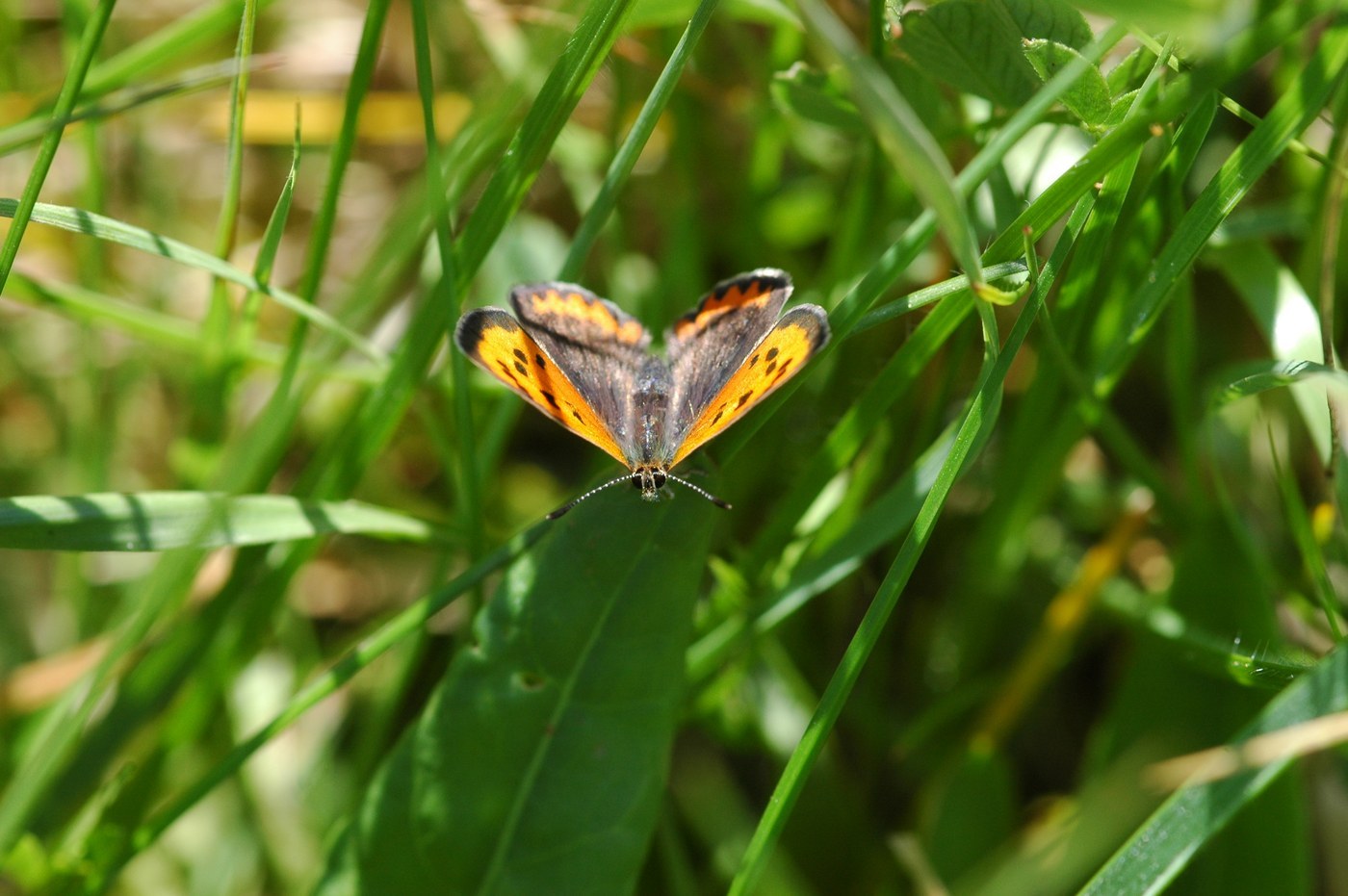
American Copper
Old fields, roadsides, and disturbed open ground with sorrel or dock
West Virginia White
Rich deciduous forest floors, especially near seeps and streams
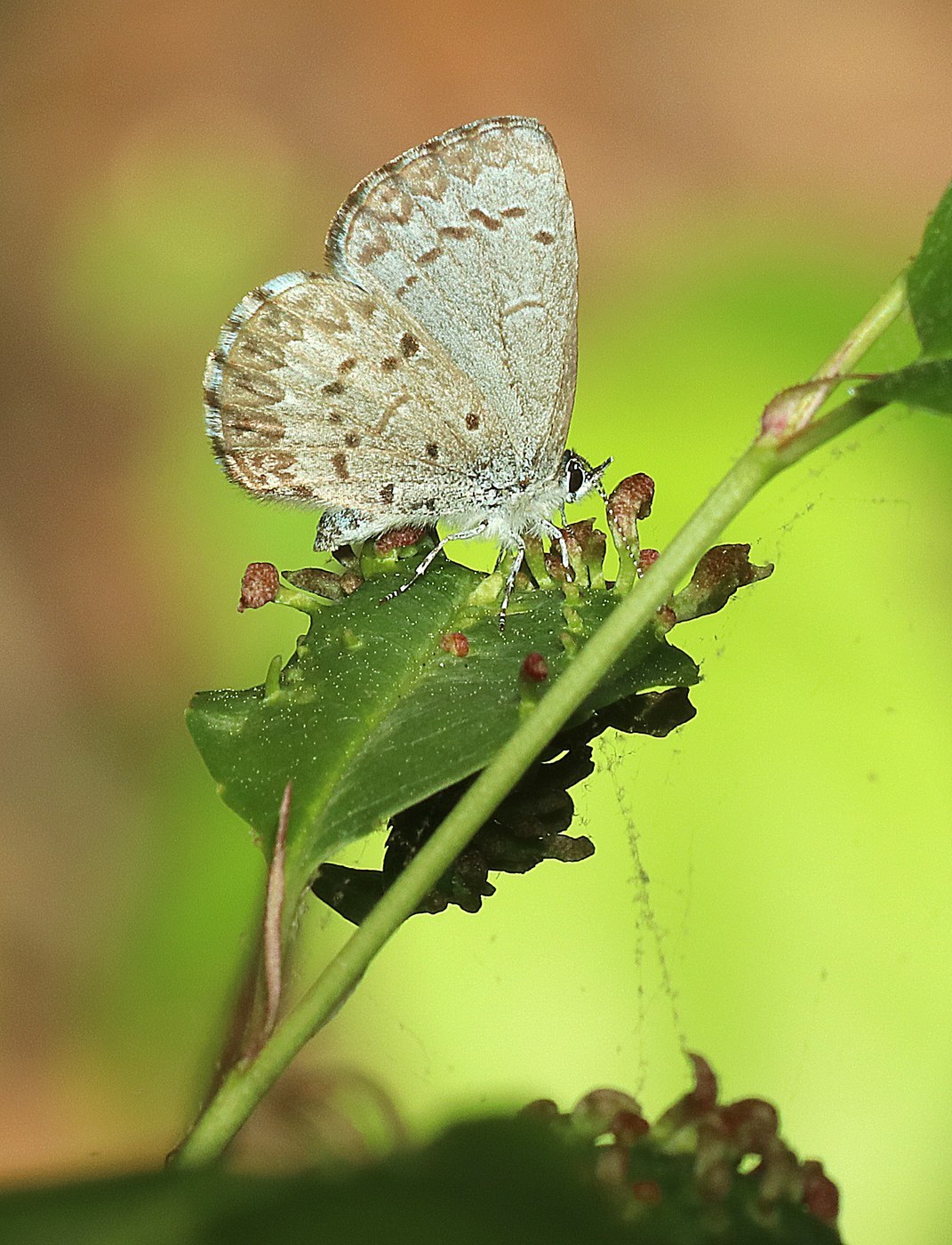
Spring Azure
Woodland edges, gardens, shrubby clearings
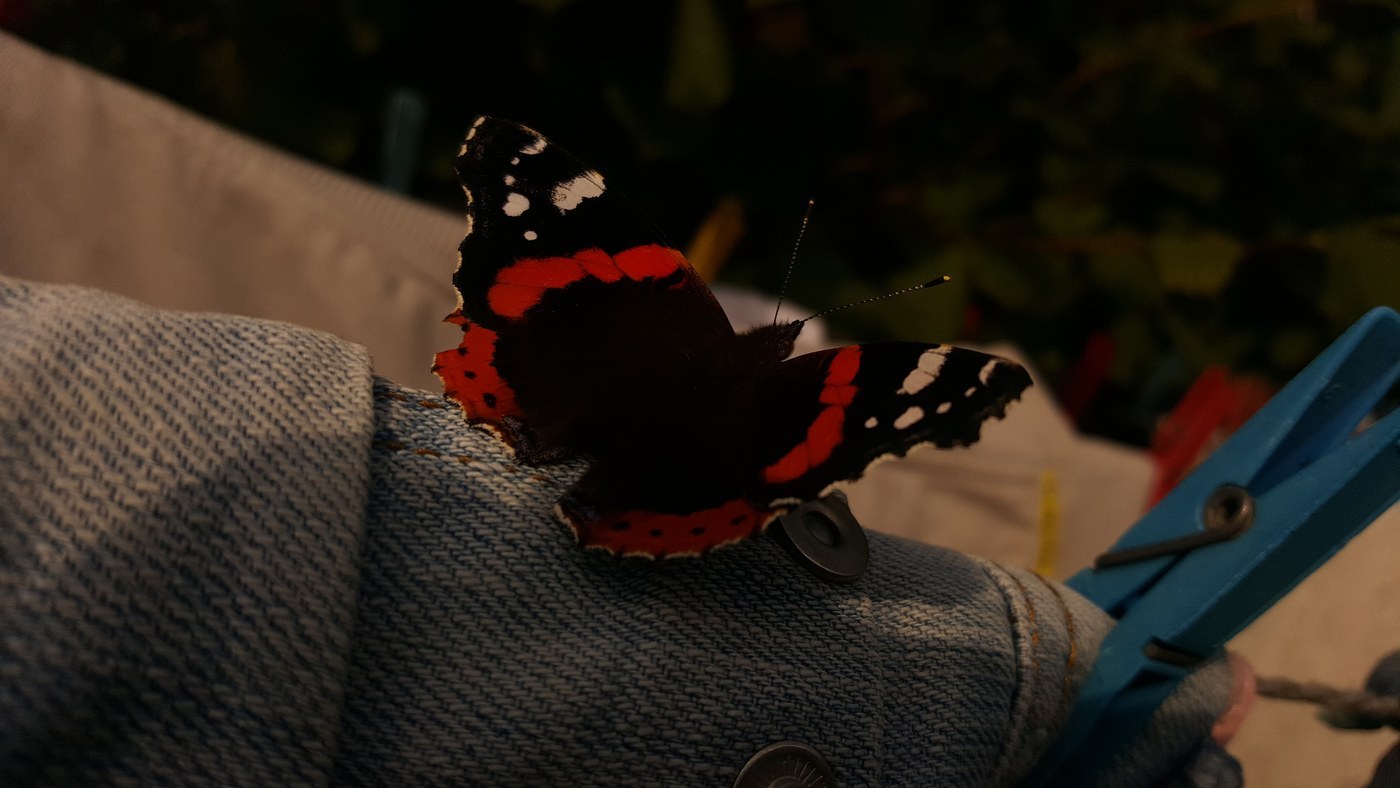
Red Admiral
Gardens, woodland edges, parks, meadows
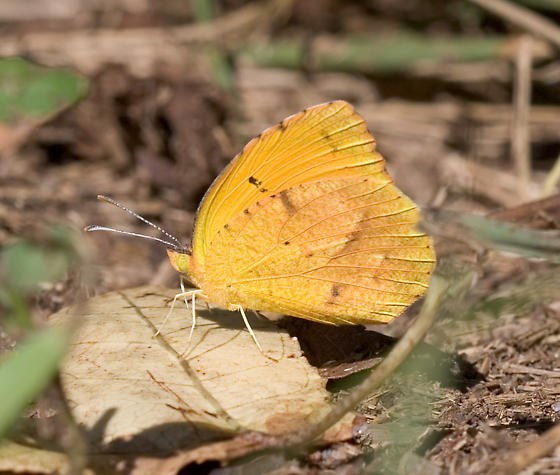
Sleepy Orange
Open woodland, fields, roadsides, and disturbed ground