Slug Identification Guide
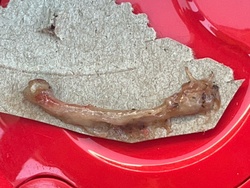
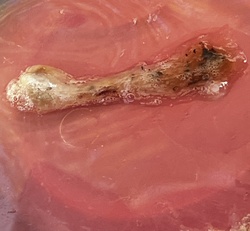
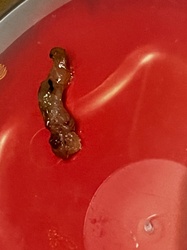
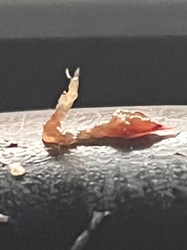
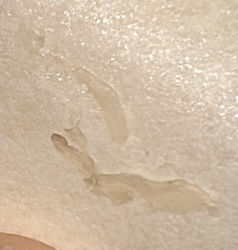
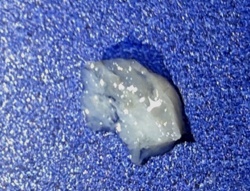
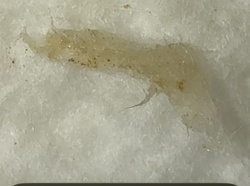
Spot a slug by its soft, shell-less body, moist skin, and slow gliding movement.
Read the full Slug encyclopedia entry →Key Visual Features
- Body shape: Soft, elongated, and shell-less, capable of stretching, contracting, and squeezing into narrow gaps.
- Skin texture: Moist and slimy, coated in mucus that leaves a visible glistening trail behind it.
- Color: Varies widely by species, including gray, brown, tan, black, orange, or mottled patterns with spots or stripes.
- Head features: Two pairs of retractable tentacles on the head; the longer upper pair carries the eyes, while the shorter lower pair senses touch and smell.
- Mantle: A fleshy saddle-like patch (mantle) near the front of the body, which may be smooth or slightly ridged and sometimes covers a tiny internal shell remnant.
- Size: Most common species range from 1 to 4 inches when extended, though some can grow larger.
Where and When You'd See One
Slugs favor cool, moist environments such as garden beds, mulch, leaf litter, under rocks or logs, and shaded, damp corners of yards. They are most active at night or during overcast, rainy weather, and tend to hide in cool, humid shelters during hot, dry daylight hours.
Similar-Looking Creatures
- Snails: Nearly identical body plan but carry a coiled external shell on their back, which slugs completely lack.
- Earthworms: Have a segmented, ringed body and no head tentacles or eyes, unlike the smooth-bodied, tentacled slug.
- Leeches: Found mainly in water, with a flattened body and suckers at both ends rather than head tentacles.
- Caterpillars: Have visible legs and often bristles or hairs, while slugs are entirely legless and smooth.
- Sea slugs (in coastal areas): Sometimes brightly colored and marine-dwelling, distinguished from land slugs by their aquatic habitat and often more elaborate frilled or feathery body extensions.
- Land planarians (flatworms): Similarly soft and moist-looking but lack tentacles and instead have a flattened, ribbon-like head, sometimes shaped like a crescent or arrowhead.
Quick ID Checklist
- Soft, shell-less body that glides on a single muscular foot.
- Two pairs of tentacles on the head, the upper pair bearing eyes.
- Shiny mucus trail left behind on surfaces.
- Fleshy mantle patch near the front of the body.
- Found in damp, shaded spots and most active at night or in wet weather.
Frequently asked questions
How do I tell a slug apart from a snail?
The simplest distinction is the shell: snails carry a visible coiled shell on their back, while slugs have no external shell at all, giving them a smoother, more streamlined silhouette.
Why are slugs usually seen at night or after rain?
Slugs rely on their moist skin to breathe and move, so they are most active in cool, humid conditions like nighttime or rainy weather and tend to stay hidden during hot, dry daylight to avoid drying out.
What are the tentacles on a slug's head used for?
The longer upper tentacles carry the eyes and detect light, while the shorter lower tentacles are used for touch and smell as the slug explores its surroundings.
Do all slugs look the same color?
No, slug coloring varies by species and can include gray, brown, black, tan, or even orange tones, sometimes with spots or mottled patterns, so color alone isn't a reliable way to confirm identification.
Slug identified by the community
Recent Slug finds identified with Bug Identifier.