
Slug
Deroceras reticulatum
A soft-bodied, shell-less land mollusk that glides on a muscular foot, leaving a silvery mucus trail as it forages across damp ground and vegetation.
- Size
- 2.5–10 cm long
- Habitat
- Gardens, damp soil, leaf litter, greenhouses
- Danger
- Harmless
Spotted a bug like this?
Identify any bug or insect from a photo, free.
Overview
The slug is a soft-bodied land mollusk in the class Gastropoda, essentially a snail that has lost its external shell (or reduced it to a small internal plate) over the course of evolution. Species vary widely, but the most frequently encountered garden species belong to genera such as Deroceras, Arion, and Limax, all placed in the order Stylommatophora alongside land snails.
Because slugs lack a shell for protection, they rely on producing thick, slippery mucus to move, retain moisture, and deter would-be predators. They are most active in cool, humid conditions and are frequently found in gardens, greenhouses, and forest floors, where they play an important ecological role as decomposers of dead plant material and, in some cases, as grazers on living foliage.
Slugs are notable in a general identification guide because they are often mistaken for insects or confused with one another across species, despite belonging to an entirely different phylum (Mollusca) than true insects and arachnids.
How to Identify
- Elongated, soft, slimy body with no external shell (a tiny internal shell remnant may be present in some species)
- Two pairs of retractable tentacles on the head: a longer upper pair bearing the eyes, and a shorter lower pair used for touch and smell
- Coloration ranges from gray, brown, and tan to black, sometimes with mottled or striped patterns depending on species
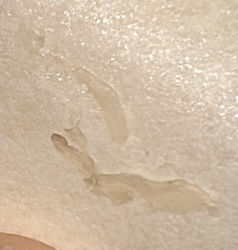
- Leaves a visible trail of silvery, dried mucus on surfaces it has crossed
- Distinguished from snails by the complete absence of a visible coiled shell
Habitat & Range
Slugs favor cool, moist, shaded microhabitats such as leaf litter, mulch, under logs and stones, and dense garden vegetation. They are found worldwide in temperate and tropical regions, with many species thriving in gardens, farmland, woodlands, and greenhouses.
Activity is highest at night and during overcast or rainy weather, when humidity is high and desiccation risk is low; slugs retreat to damp shelters during hot, dry daylight hours.
Behavior & Diet
Slugs move by rhythmic muscular contractions of their single foot, gliding over a self-secreted layer of mucus that reduces friction and protects the skin from abrasion. Most species are generalist feeders, using a rasping, tooth-covered structure called a radula to scrape at fungi, decaying plant matter, algae, and soft foliage.
As decomposers, slugs help recycle organic material back into soil nutrients, and they serve as a food source for birds, amphibians, and ground beetles. When disturbed, many species contract into a compact rounded shape and secrete extra mucus as a defensive response.
Life Cycle
Most slugs are simultaneous hermaphrodites, possessing both male and female reproductive organs, and many species can mate with another individual or occasionally self-fertilize. After mating, adults lay clusters of small, translucent, round eggs in moist soil, under debris, or in other sheltered spots.
Eggs hatch into miniature versions of the adult with no larval or pupal stage (direct development, not true metamorphosis). Juveniles grow through a series of molts as they mature, reaching adulthood within several months to about a year depending on species and climate; some temperate species overwinter as eggs or as sheltered adults.
Frequently asked questions
Is a slug just a snail without a shell?
Essentially yes — slugs and land snails belong to the same taxonomic group (Stylommatophora), and slugs are best understood as snails that have lost or greatly reduced their external shell over evolutionary time.
Are slugs insects?
No, slugs are mollusks, not insects. They belong to the phylum Mollusca and class Gastropoda, an entirely different lineage from insects and arachnids.
How can I tell one slug species from another?
Identification relies on body color and pattern, the presence or absence of keels (ridges) along the back, body size, and skin texture, though many species look superficially similar.
When are slugs most active?
Slugs are most active at night and during humid, overcast, or rainy conditions, retreating to damp shelter during hot, dry weather.
Slug guides
In-depth guides for identifying, understanding, and living alongside Slug.
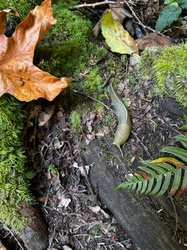
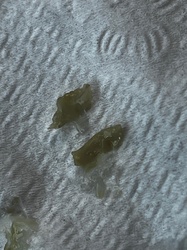
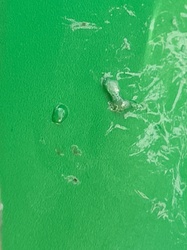
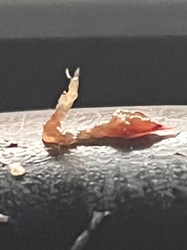
Slug identified by the community
Real finds identified with Bug Identifier.
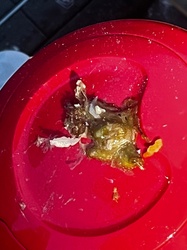
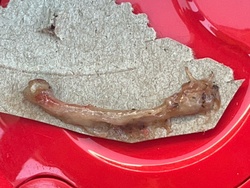
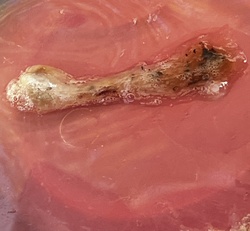
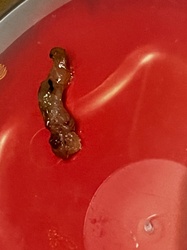
Other bugs you may enjoy
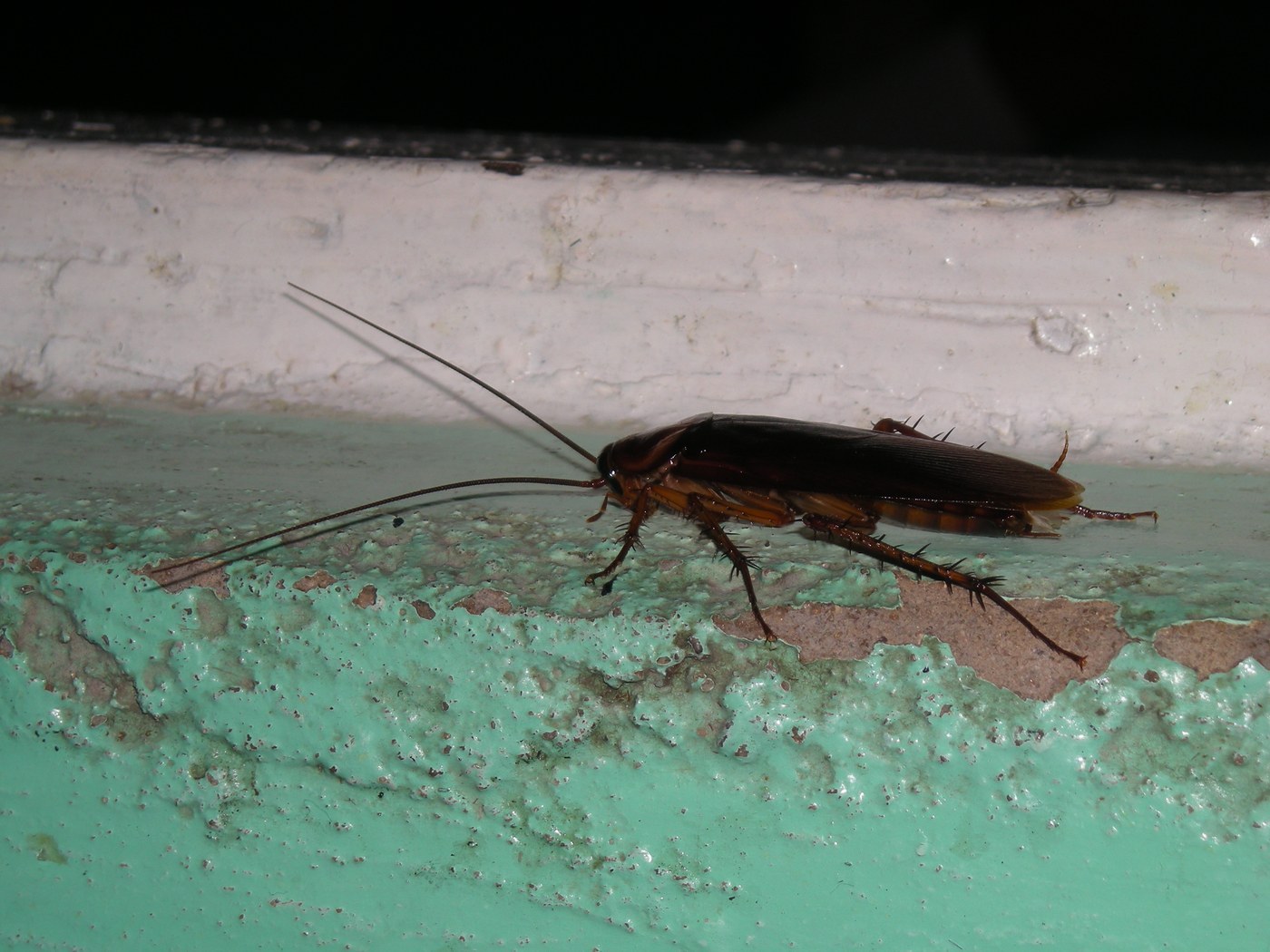
American Cockroach
Warm, humid environments such as basements, sewers, drains, and tropical outdoor settings
Thrips
Flowers, foliage, gardens, greenhouses, crop fields
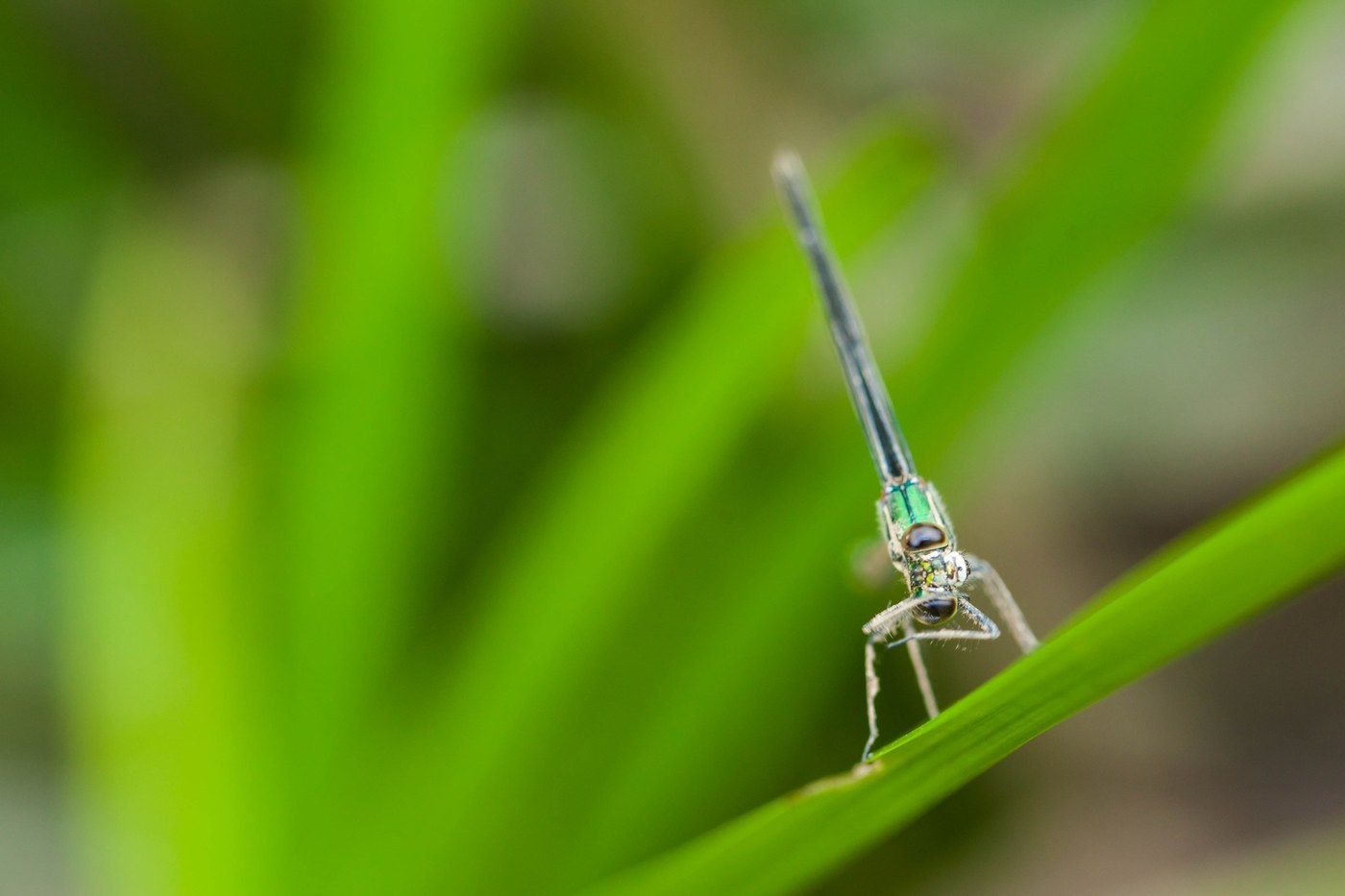
American Rubyspot
Sunny rivers and streams with moderate current
Springtail
Moist soil, leaf litter, decaying organic matter, and damp indoor areas
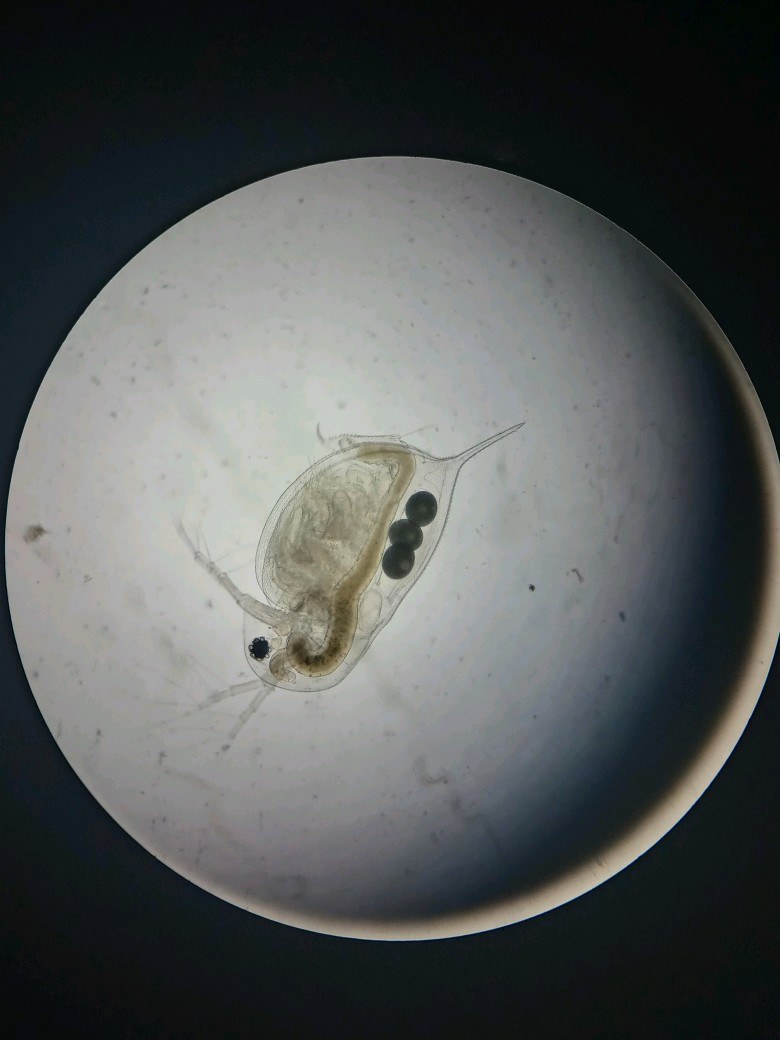
Water Flea
Ponds, lakes, and slow streams as free-floating plankton
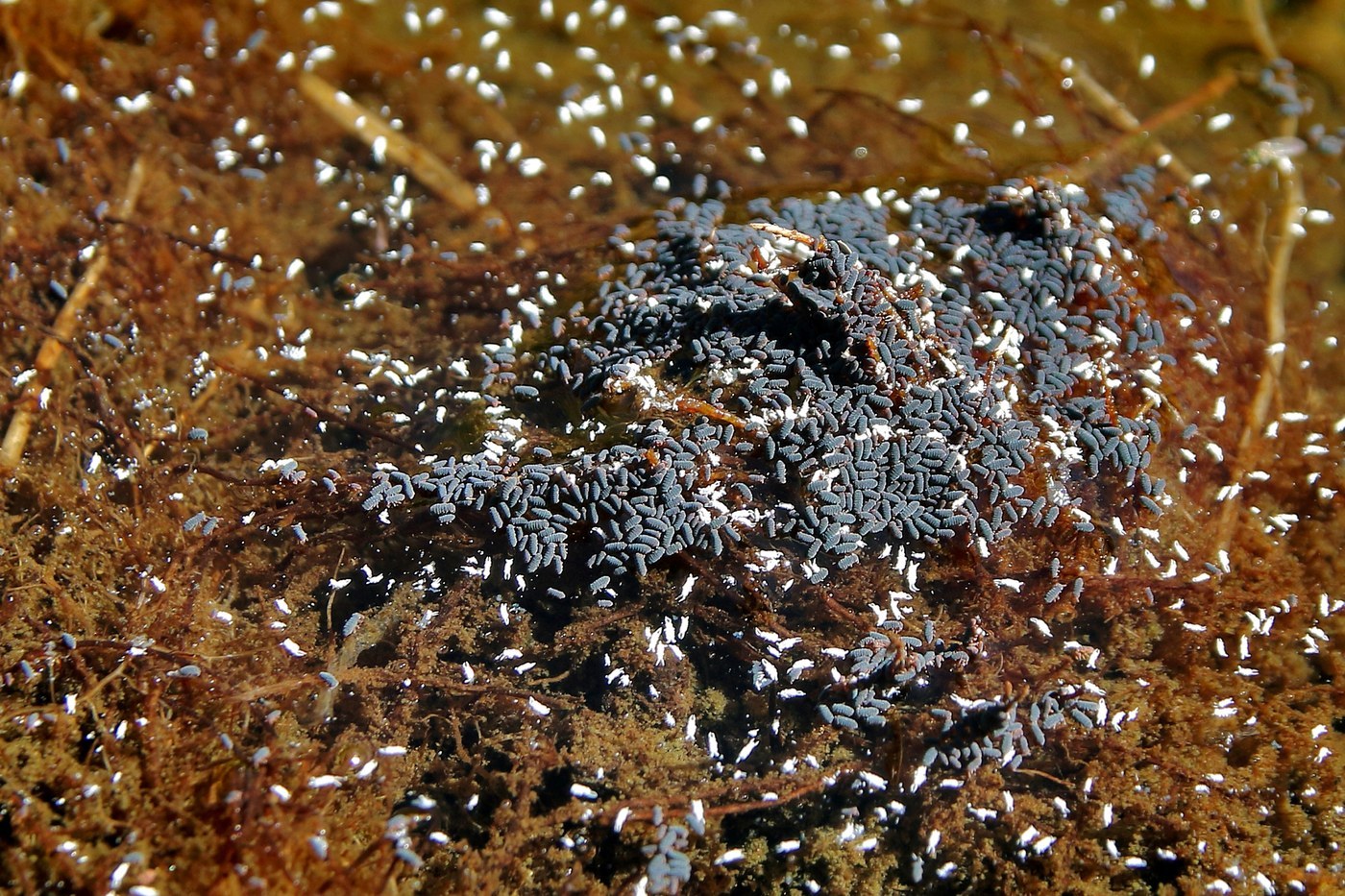
Water Springtail
Surface film of ponds, puddles, and slow ditches
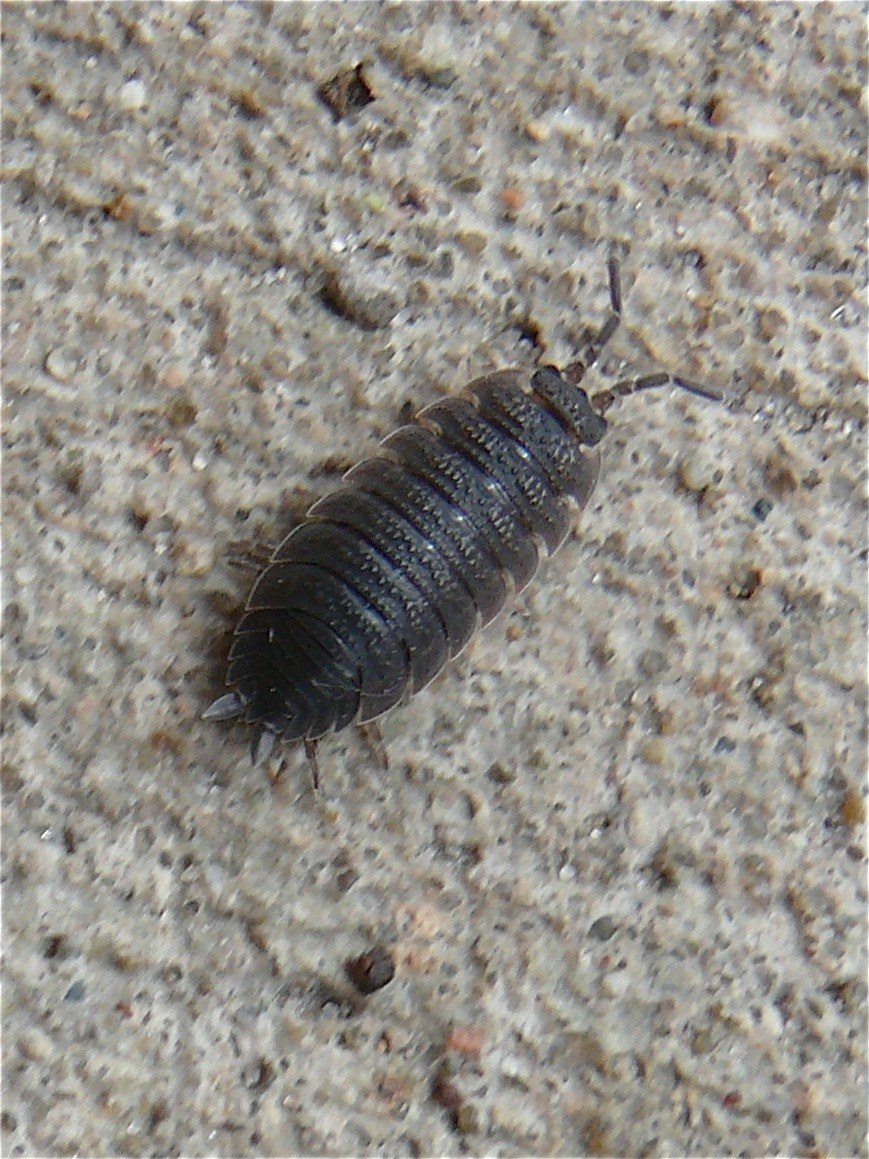
Sowbug
Leaf litter, under rocks/logs, damp garden soil, basements
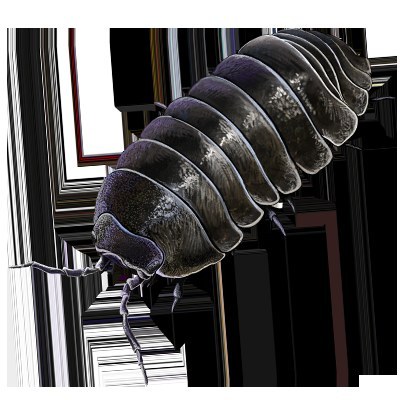
Pill Bug
Damp soil, leaf litter, under rocks and logs, garden beds
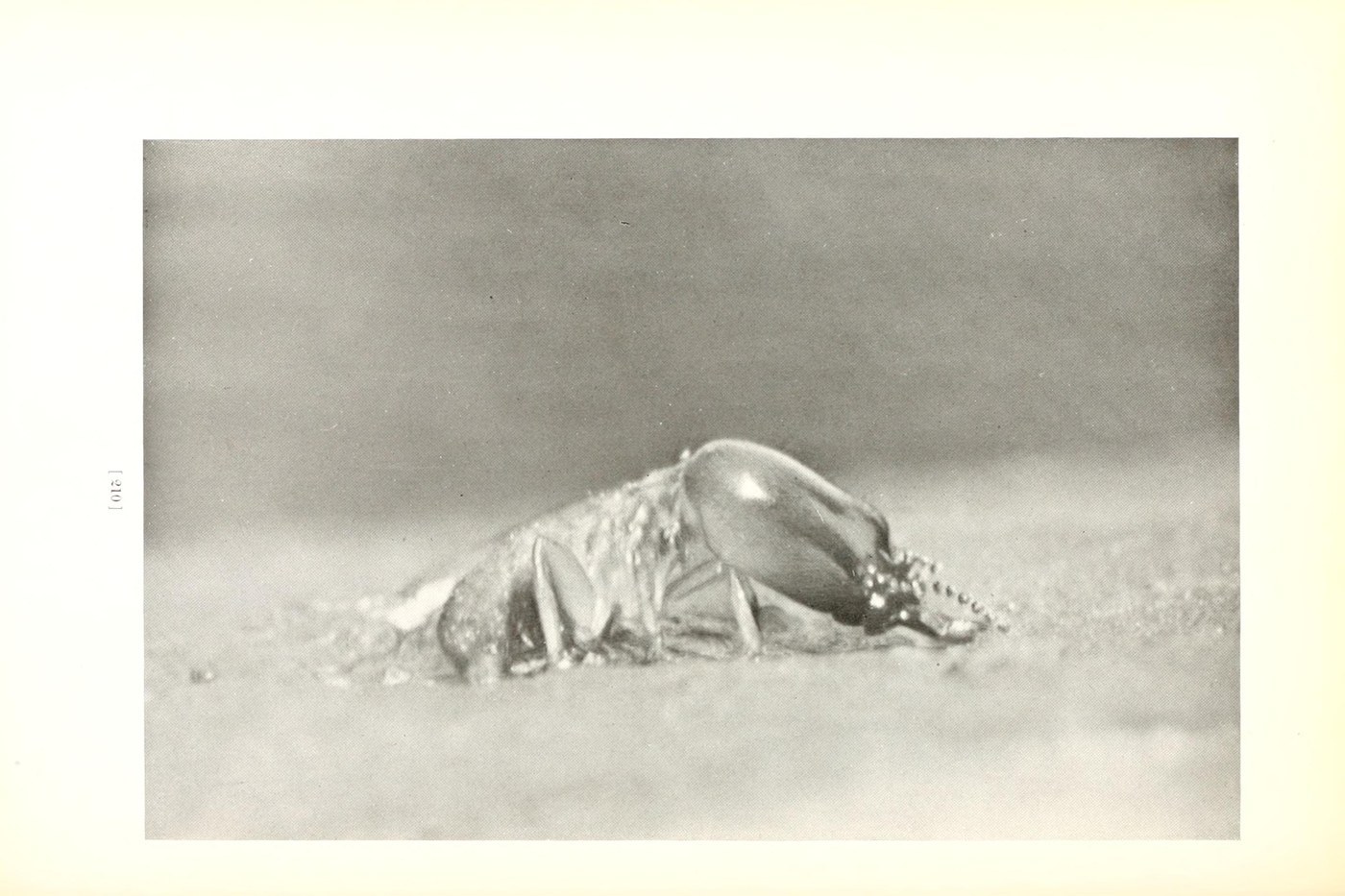
Termite
Soil, decaying wood, tree stumps, and wooden structures
Termite Swarmer
Emerges from underground or wood-nesting colonies, often near structures and moist soil
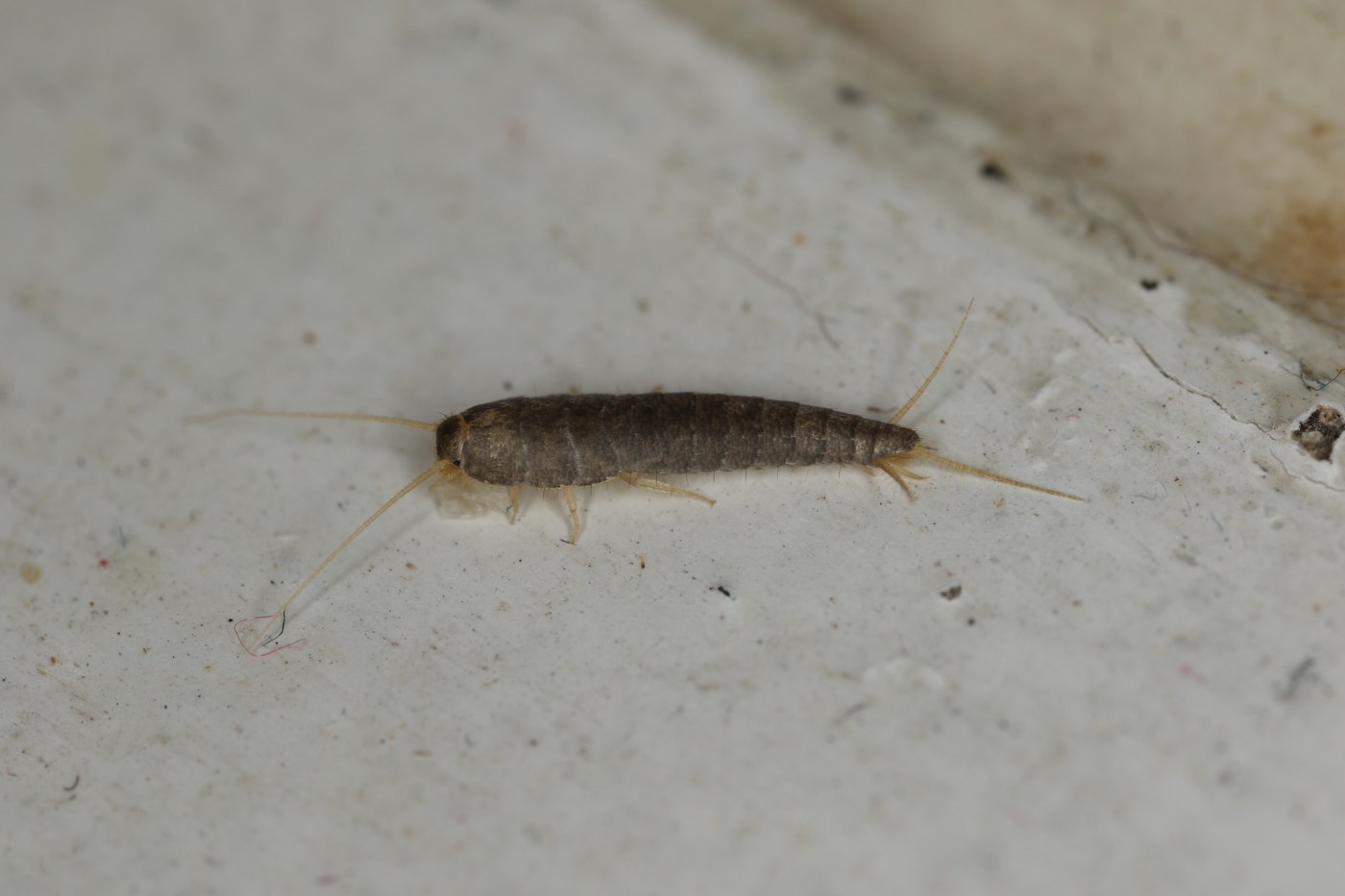
Silverfish
Damp basements, bathrooms, closets, and dark indoor crevices
Scorpionfly
Moist woodlands, hedgerows, and shaded undergrowth