Soil Mite Identification Guide
Learn to recognize the tiny, diverse mites that live in soil, from smooth pale forms to dark armored types.
Read the full Soil Mite encyclopedia entry →Key Visual Features
"Soil mite" covers a large and varied group of tiny arachnids that share a common habitat rather than one single appearance, so identification relies on a set of general traits.
- Size: Typically 0.2–1.5 mm long, requiring a hand lens or microscope to see clearly.
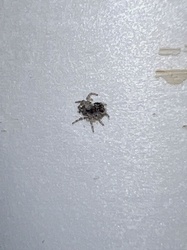
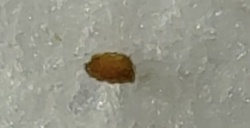
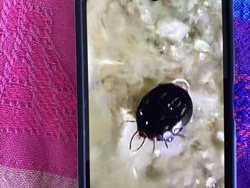
- Color: Varies widely by group — pale cream or tan, reddish-brown, or dark brown to nearly black, with many oribatid (armored) soil mites appearing glossy and dark.
- Body shape: Oval to rounded, often compact; armored soil mites have a notably hardened, shell-like exoskeleton, while others are softer bodied.
- Legs: Eight legs, typically short and adapted for moving through tight spaces between soil particles.
- Wings/antennae: None — no wings or true antennae in any soil mite group.
- Markings: Surface texture is a major clue: some species show a smooth, glossy shell, others a rough or pitted texture, and still others fine hairs or bristles.
Where and When You'd See Them
Soil mites live throughout the upper layers of soil, leaf litter, compost, and decaying organic matter, essentially worldwide wherever there is organic material to inhabit. They are present year-round in temperate climates but are most numerous and active in moist conditions during spring through fall. They are rarely seen without deliberately sifting through litter or soil samples, since they stay within the substrate rather than moving across open surfaces.
Similar-Looking Bugs
- Spider mites are typically brighter colored (green, yellow, or red) and live on plant foliage rather than in soil.
- Springtails, often found in the same habitat, have a segmented, elongated body and six legs (they are hexapods, not arachnids), distinguishing them from the eight-legged soil mites.
- Pseudoscorpions, also common in leaf litter, are larger and have visible pincers at the front, unlike the pincer-less soil mite.
- Chicken and bird mites are reddish and associated with animal habitats rather than general soil and leaf litter.
Quick ID Checklist
- Tiny, 0.2–1.5 mm, requiring magnification to examine closely
- Eight short legs, no wings or antennae
- Body color and texture vary widely — glossy dark armored types to pale soft-bodied types
- Found within soil, leaf litter, or compost rather than on open surfaces
- Most numerous in moist conditions during warmer months
Frequently asked questions
Why are soil mites hard to identify just by looking?
The category includes many different species with a wide range of colors, textures, and body shapes, so reliable identification usually depends on close examination under magnification rather than a single fixed appearance.
How can I tell a soil mite from a springtail found in the same leaf litter?
Soil mites are arachnids with eight legs, while springtails are hexapods with six legs and a more elongated, segmented body.
Do soil mites have an armored shell?
Many oribatid soil mites have a hardened, glossy exoskeleton, while other soil mite groups are softer bodied, so shell texture varies by type.
Where in soil are these mites usually found?
They live throughout the upper layers of soil, leaf litter, and decaying organic matter, and are most easily found by sifting through a soil or litter sample.
Soil Mite identified by the community
Recent Soil Mite finds identified with Bug Identifier.