
Soil Mite
Oribatida spp.
A microscopic, heavily armored mite found by the millions in a single handful of soil, quietly breaking down leaf litter and helping build the fertile ground beneath forests and fields.
- Size
- 0.2-1.4 mm, microscopic to barely visible
- Habitat
- Soil, leaf litter, moss, and decaying organic matter worldwide
- Danger
- Harmless
Spotted a bug like this?
Identify any bug or insect from a photo, free.
Overview
Soil mites, most commonly referring to the group known as oribatid mites, are among the most abundant arachnids on Earth, present in staggering numbers within nearly every type of soil and leaf litter habitat. Though individually microscopic, their combined biomass and activity make them one of the most ecologically important groups of soil-dwelling arthropods.
These mites are heavily armored with a hardened exoskeleton that gives many species a beetle-like appearance under magnification, which is why they are sometimes called beetle mites. They move slowly and spend their lives hidden within the pore spaces of soil and leaf litter rather than interacting with larger animals or plants directly.
Oribatid soil mites are key decomposers, feeding on fungi, algae, decaying plant material, and other organic debris, and are considered essential contributors to soil health and nutrient cycling in ecosystems ranging from forests to grasslands and tundra.
How to Identify
- Extremely small, typically 0.2 to 1.4 mm, generally requiring a microscope or strong hand lens to observe clearly
- Hardened, often dark brown to black exoskeleton, giving a shiny, beetle-like appearance
- Rounded or oval body shape, compact and heavily sclerotized compared to many soft-bodied mites
- Eight legs as adults, though juveniles may have fewer
- Some species bear ridges, spines, or wing-like extensions (pteromorphs) on the body margin
- Move slowly and are typically found clustered in soil samples rather than as isolated individuals
Habitat & Range
Soil mites are found virtually worldwide, from tropical rainforests to arctic tundra, wherever soil, leaf litter, moss, or decaying organic matter is present. They are especially abundant in forest soils rich in leaf litter, where population densities can reach tens or even hundreds of thousands of individuals per square meter.
They occupy the tiny air spaces and pores within soil and litter layers, remaining largely hidden from view and relatively inactive on the surface, making them a group best studied through soil sampling rather than casual observation.
Behavior & Diet
Most soil mites are decomposers or fungivores, feeding on fungal hyphae, algae, lichen, and decaying plant and animal material within the soil and litter layers. Some species are more specialized, feeding on specific fungi or organic substrates, while others are more generalist scavengers.
Their slow movement and hidden lifestyle within soil pore spaces protect them from many predators, though they are consumed by other soil arthropods such as predatory mites, pseudoscorpions, and small insects. Collectively, soil mites contribute enormously to decomposition processes and the formation of humus, making them foundational to healthy soil ecosystems.
Life Cycle
Soil mites develop through egg, larval, and several nymphal stages before reaching adulthood, a process that can take anywhere from a few weeks to over a year depending on species and environmental conditions. Many species reproduce sexually, though some are known to reproduce asexually via parthenogenesis.
Development is generally slow compared to many other arthropods, and some oribatid mite species are notably long-lived, with certain species surviving multiple years, an unusually long lifespan for such small invertebrates. Populations often show seasonal fluctuations tied to soil moisture, temperature, and availability of organic matter.
Frequently asked questions
Do soil mites feed on living plants?
No, soil mites are decomposers that feed on fungi, algae, and decaying organic matter in the soil rather than on living plant tissue.
Why are soil mites called beetle mites?
Many oribatid soil mites have a hardened, dark, rounded exoskeleton that gives them a superficial resemblance to tiny beetles when viewed under magnification.
How many soil mites can be found in a handful of soil?
Densities can be extremely high, with forest soils sometimes containing tens of thousands to over a hundred thousand individuals per square meter.
What role do soil mites play in the ecosystem?
They are important decomposers that break down leaf litter, fungi, and organic debris, contributing significantly to nutrient cycling and the formation of fertile soil.
Soil Mite guides
In-depth guides for identifying, understanding, and living alongside Soil Mite.
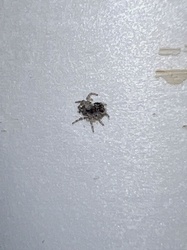
Soil Mite identified by the community
Real finds identified with Bug Identifier.
Other bugs you may enjoy
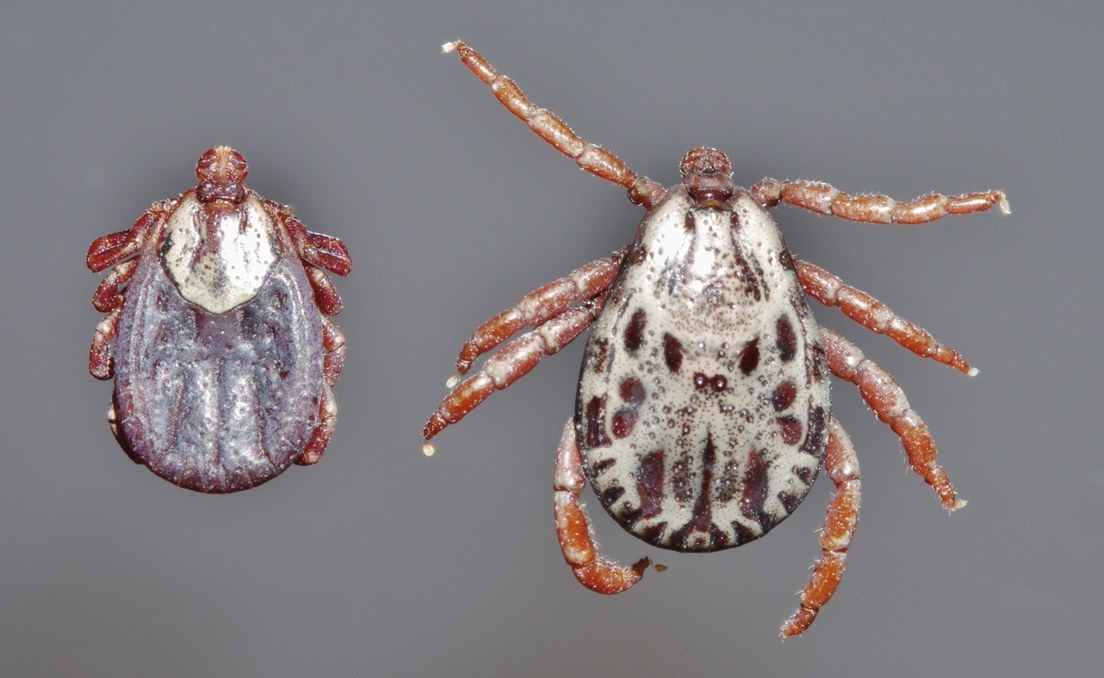
Wood Tick
Grassland, shrub-steppe, and open woodland of western North America
Yellow Scorpion
Arid scrubland, rocky slopes, and desert margins
Whip Spider
Tropical caves, rainforest leaf litter, and under bark
Water Mite
Ponds, lakes, streams, and other freshwater bodies
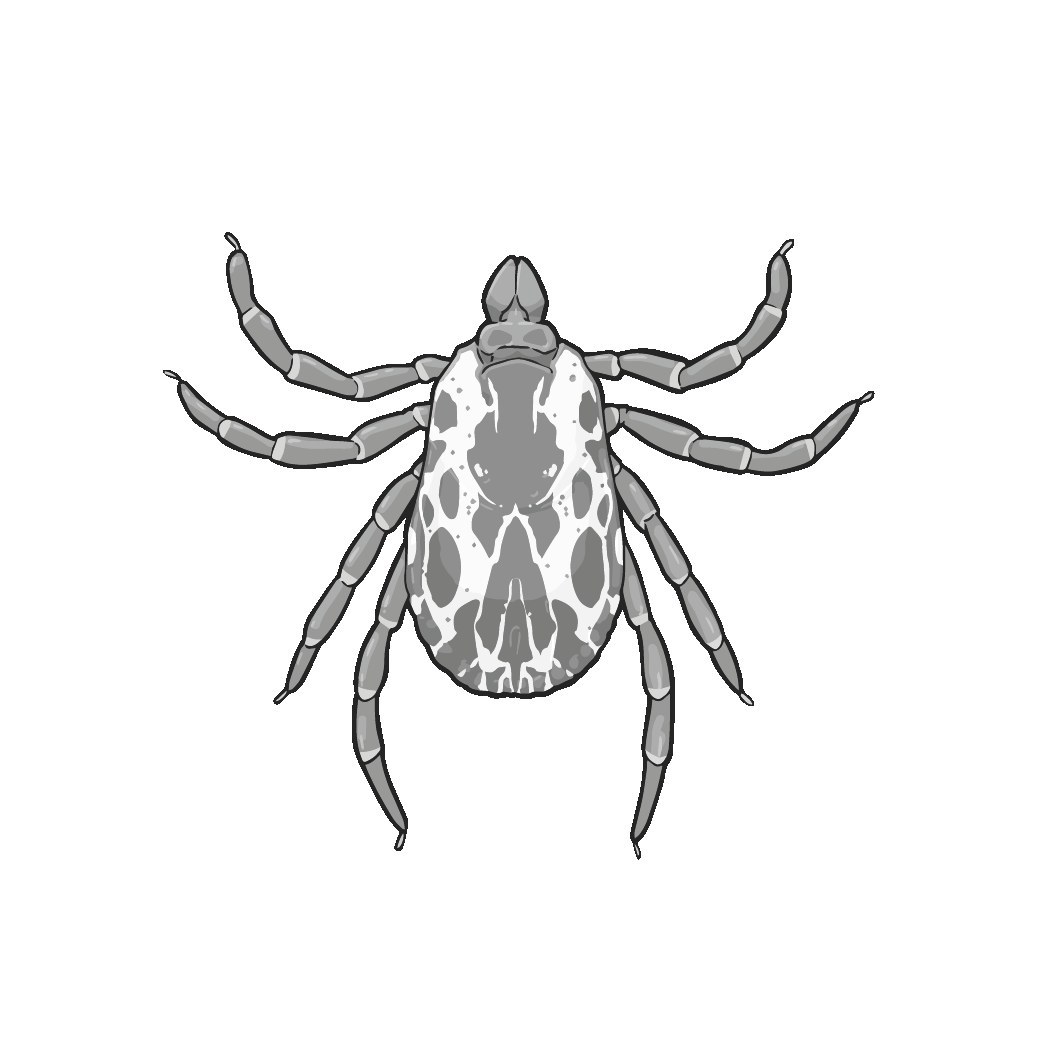
American Dog Tick
Grassy fields, trails, and low vegetation near woodlands
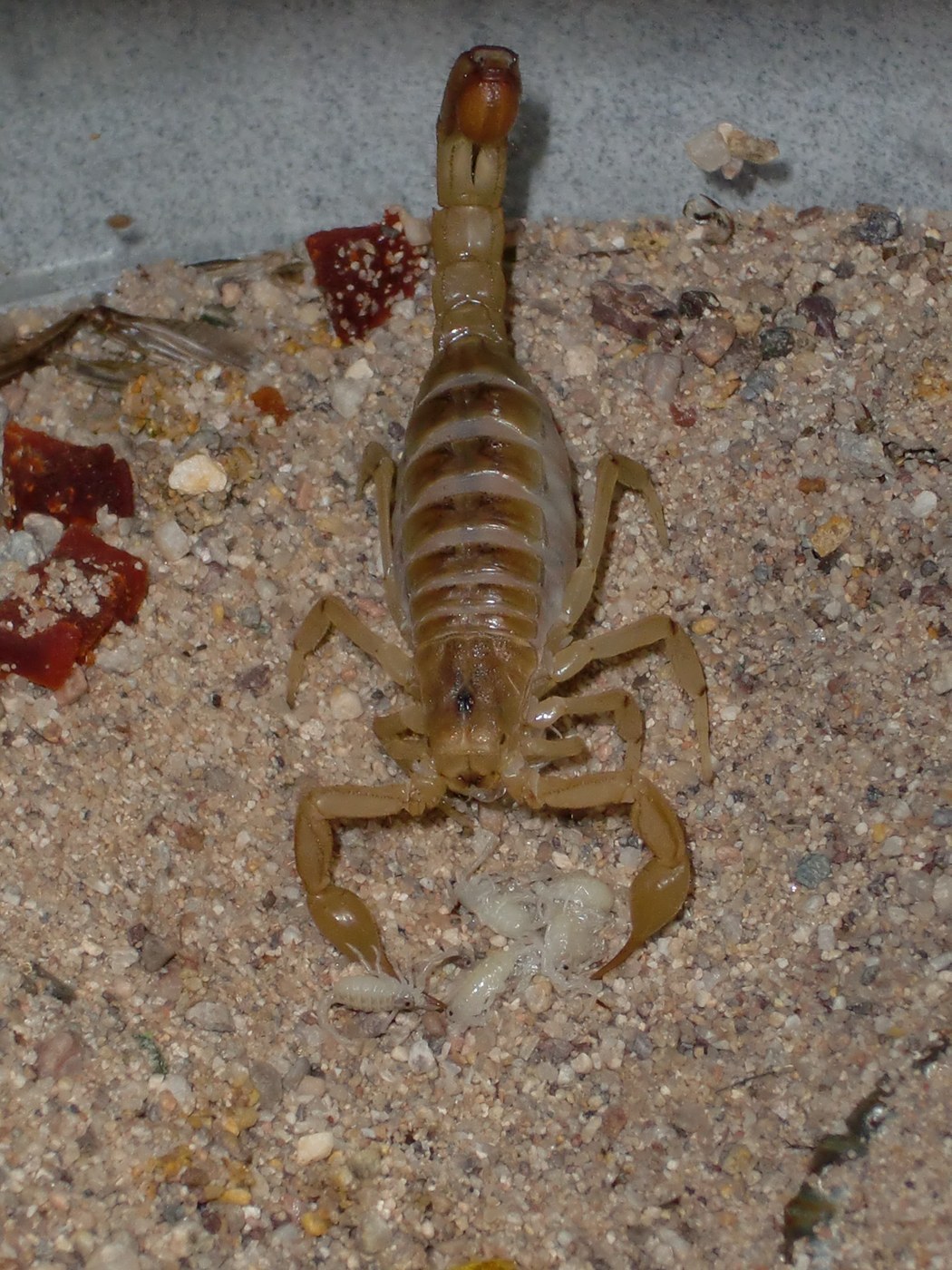
Arizona Bark Scorpion
Rocky desert terrain, tree bark, and structures in the Southwest
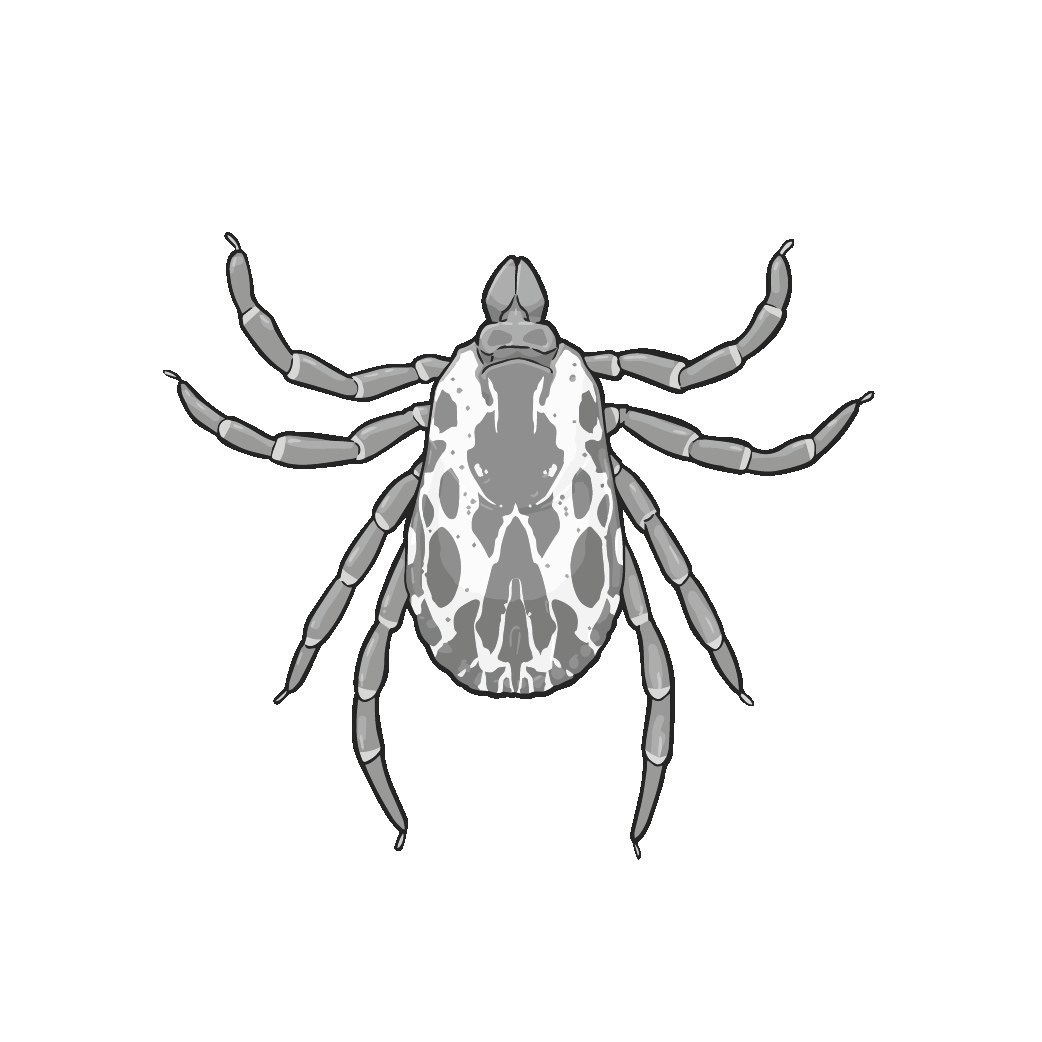
Tick
Tall grass, brush, woodland edges, and animal trails
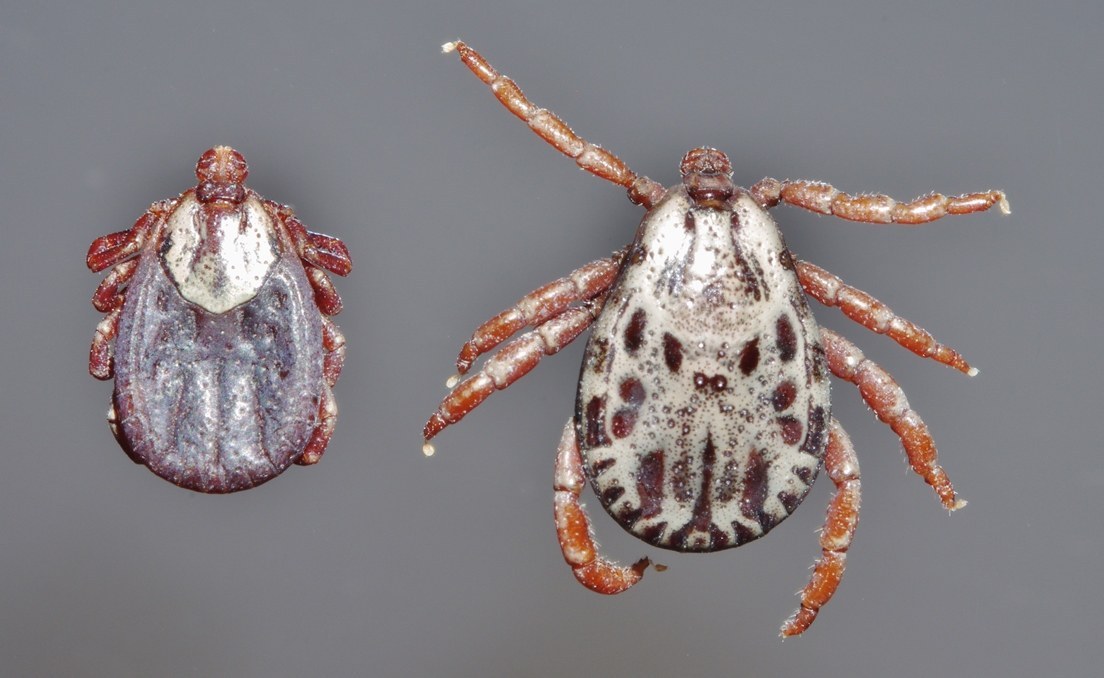
Rocky Mountain Wood Tick
Sagebrush shrublands, grasslands, and montane forest edges
Two-Spotted Spider Mite
Undersides of leaves on garden plants, crops, and houseplants
Spider Mite
Undersides of leaves on garden plants, houseplants, and field and orchard crops worldwide
Whip Scorpion
Tropical and subtropical caves, tree bark, and rock crevices worldwide
Scabies Mite
Within the outer skin layer of mammal hosts; no independent outdoor habitat