Sowbug Identification Guide
Learn to identify this land-dwelling crustacean by its segmented shell and tail-like appendages.
Read the full Sowbug encyclopedia entry →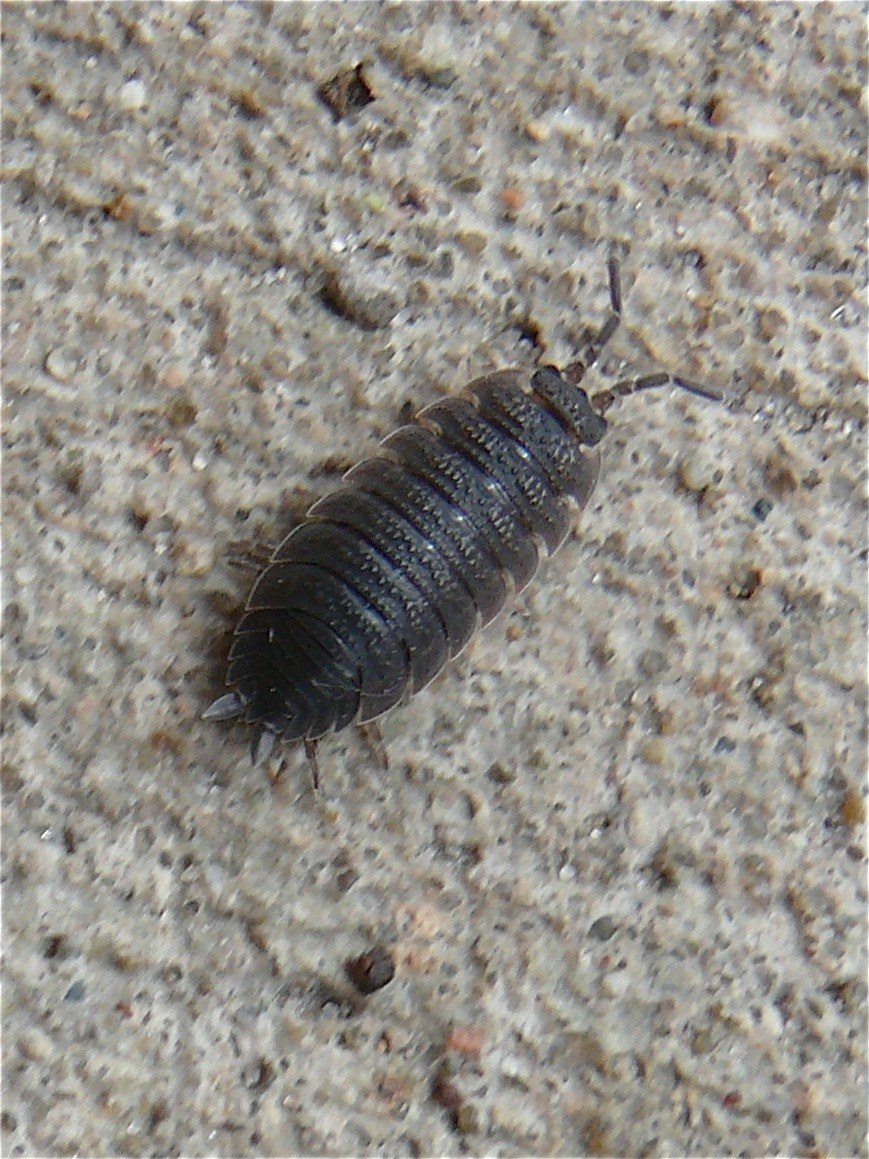
Key Visual Features
Sowbugs (family Oniscidae and related families) are terrestrial isopods — crustaceans, not insects — commonly found in damp outdoor spaces. Identify them by:
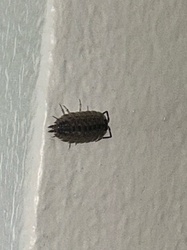
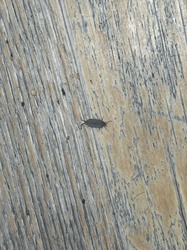
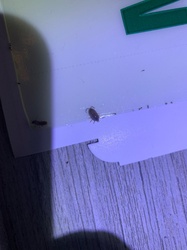
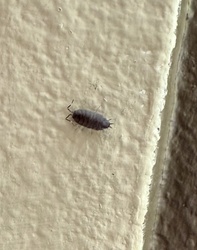
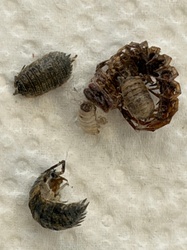
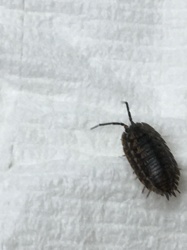
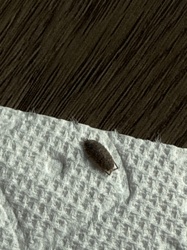
- Oval, flattened body made up of overlapping segmented plates, giving an armored appearance
- Gray to brown coloring, sometimes with a slightly mottled or two-toned pattern
- Seven pairs of legs, one pair per body segment, more than any common insect
- Two short antennae visible at the front of the head, along with a second pair of much smaller antennae that are hard to see
- Two small, tail-like appendages (uropods) projecting from the rear end of the body — this is the key feature separating sowbugs from their close relative, the pillbug
- Inability to roll into a tight ball, unlike pillbugs, since a sowbug's body is not flexible enough to curl completely
Where and When You'd See It
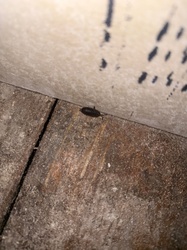
Sowbugs live in damp, dark environments with access to decaying organic matter, such as under rocks, logs, mulch, leaf litter, and garden debris. As crustaceans, they need moisture to breathe through their gill-like structures and will dry out if exposed to open air for too long, which is why they are almost always found in sheltered, humid microhabitats. They are most active at night and tend to stay hidden during the day, emerging after rain or in the cool of evening when humidity is higher.
Similar-Looking Bugs
- Pillbugs (roly-polies): nearly identical in general shape and color, but pillbugs lack the visible tail-like uropods and can roll into a tight ball when disturbed, while sowbugs cannot
- Millipedes: have a longer, more cylindrical, worm-like body with many more legs and segments, distinct from the sowbug's shorter, oval, flattened shape
- Beetles: true insects with six legs and a hard wing-covered exoskeleton, versus the sowbug's seven pairs of legs and segmented, wingless crustacean body
Quick ID Checklist
- Oval, flattened, segmented gray-brown body
- Seven pairs of legs
- Two visible tail-like appendages at the rear
- Cannot roll into a ball (unlike a pillbug)
- Found in damp, dark spots like under logs, rocks, and mulch
Frequently asked questions
What is the difference between a sowbug and a pillbug?
Sowbugs have two small tail-like appendages at the rear of their body and cannot roll into a ball, while pillbugs lack these visible appendages and can curl into a tight sphere when disturbed.
Is a sowbug an insect?
No, a sowbug is a terrestrial crustacean, related to shrimp and crabs, not an insect — a key clue is its seven pairs of legs rather than the six legs found on true insects.
Why are sowbugs always found in damp places?
As crustaceans, they breathe using gill-like structures that require moisture to function, so they stay in damp, sheltered habitats like under logs, rocks, or mulch to avoid drying out.
When are sowbugs most active?
They are mostly active at night or during humid conditions, such as after rainfall, and stay hidden in sheltered spots during dry daytime hours.
Sowbug identified by the community
Recent Sowbug finds identified with Bug Identifier.