
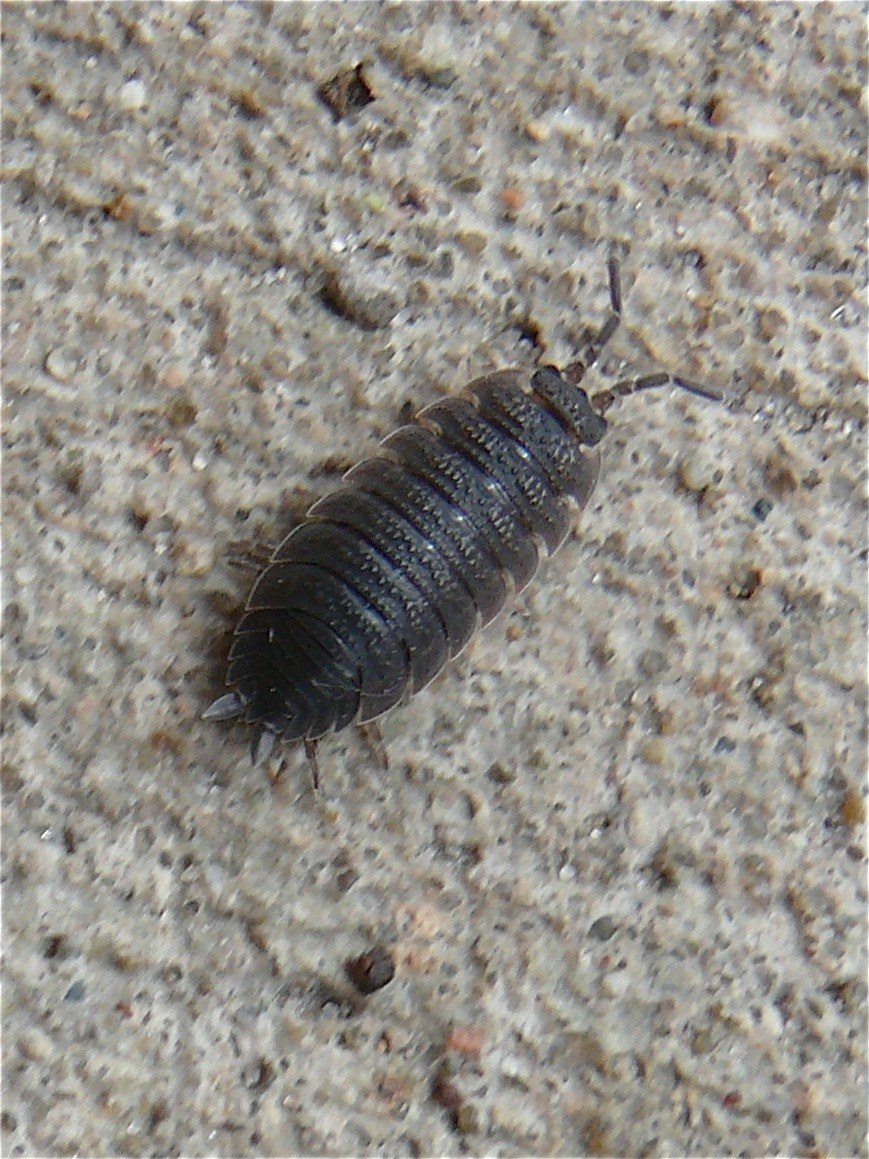
Sowbug
Porcellio scaber
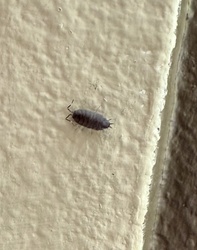
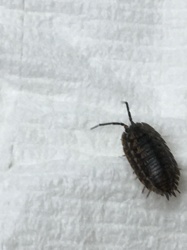
A slate-gray, oval, armor-plated crustacean that shuffles through damp leaf litter on seven pairs of legs, recognizable by its overlapping segmented shell and pair of trailing tail-like appendages.
- Size
- 10–18 mm
- Habitat
- Leaf litter, under rocks/logs, damp garden soil, basements
- Danger
- Harmless
Spotted a bug like this?
Identify any bug or insect from a photo, free.
Overview
The sowbug is not an insect at all but a terrestrial crustacean, a member of the order Isopoda (suborder Oniscidea), making it a close relative of shrimp and crabs that has adapted to life on land. Its segmented, plate-like exoskeleton and habit of gathering in damp, dark places make it one of the most familiar backyard invertebrates, often found alongside its close cousin the pillbug.
Sowbugs belong to the family Porcellionidae and play an important role as decomposers, breaking down dead plant matter and recycling nutrients back into the soil. Because they still breathe through gill-like structures, they must stay in moist environments and cannot survive long in dry conditions.
Although frequently lumped together with pillbugs under names like "roly-poly," true sowbugs are a distinct group that cannot roll into a tight ball, one of the easiest ways to tell the two apart in the garden.
How to Identify
- Flattened, oval body divided into overlapping armor-like plates (tergites), typically slate gray to brown.
- Seven pairs of jointed walking legs and two pairs of antennae, though only one pair is easily visible.
- Two short, tail-like appendages (uropods) project from the rear end — the clearest way to distinguish it from a pillbug, which lacks visible tail projections and can roll into a ball.
- No wings, no true head-body segmentation like an insect; the body reads as a single elongated, plated capsule.
Habitat & Range
Sowbugs are found worldwide in temperate regions, thriving anywhere consistently damp and dark: under rocks, logs, mulch, flower pots, and leaf piles, as well as in basements and crawl spaces. They are most active at night and during humid weather, retreating to shelter during the heat of the day to avoid drying out. Populations peak in spring and fall when moisture and mild temperatures align.
Behavior & Diet
Sowbugs are detritivores, feeding primarily on decaying leaves, wood, fungi, and other organic debris, making them valuable contributors to nutrient cycling in garden and woodland soils. They move in a slow, deliberate shuffle and have no jumping or biting defenses; their main protection is retreating into cracks and crevices or huddling in groups. They are entirely nocturnal foragers in most climates, emerging after rain when humidity is highest.
Life Cycle
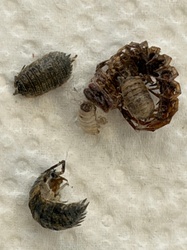
Females carry fertilized eggs in a fluid-filled brood pouch (marsupium) on the underside of the body, and the young hatch as tiny, pale versions of the adults with no larval or pupal stage — a form of direct development typical of isopods. Juveniles molt repeatedly, shedding their exoskeleton in two halves (rear first, then front) as they grow toward maturity over several months. Adults can live one to two years, with sheltered populations remaining active through mild winters in leaf litter and mulch.
Frequently asked questions
Is a sowbug the same as a pillbug?
No. Both are isopods and look similar, but pillbugs (family Armadillidiidae) can roll into a tight ball, while sowbugs cannot and have visible tail-like appendages at the rear.
Is a sowbug an insect?
No, it is a crustacean, not an insect — it is more closely related to shrimp and crabs than to beetles or ants.
Where would I typically find a sowbug?
Under logs, rocks, mulch, or damp leaf litter, and sometimes in basements or crawl spaces where humidity is high.
What do sowbugs eat?
They feed on decaying plant material, fungi, and organic debris, functioning as decomposers in the soil ecosystem.
Sowbug guides
In-depth guides for identifying, understanding, and living alongside Sowbug.
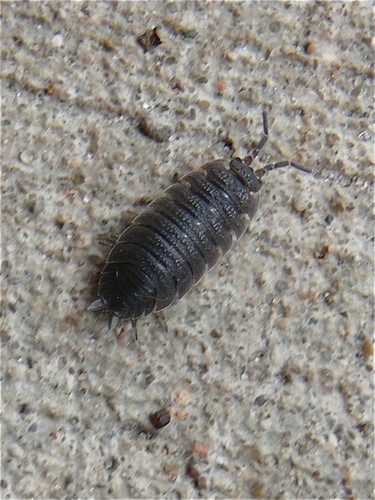
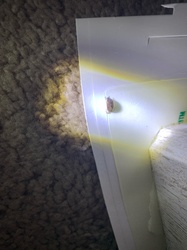
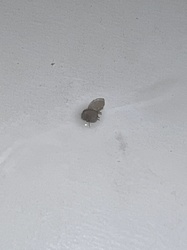
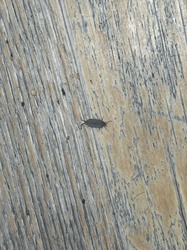
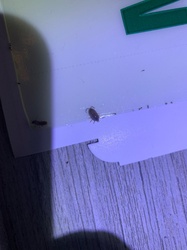
Sowbug identified by the community
Real finds identified with Bug Identifier.
Other bugs you may enjoy
American Cockroach
Warm, humid environments such as basements, sewers, drains, and tropical outdoor settings
Thrips
Flowers, foliage, gardens, greenhouses, crop fields
American Rubyspot
Sunny rivers and streams with moderate current
Springtail
Moist soil, leaf litter, decaying organic matter, and damp indoor areas
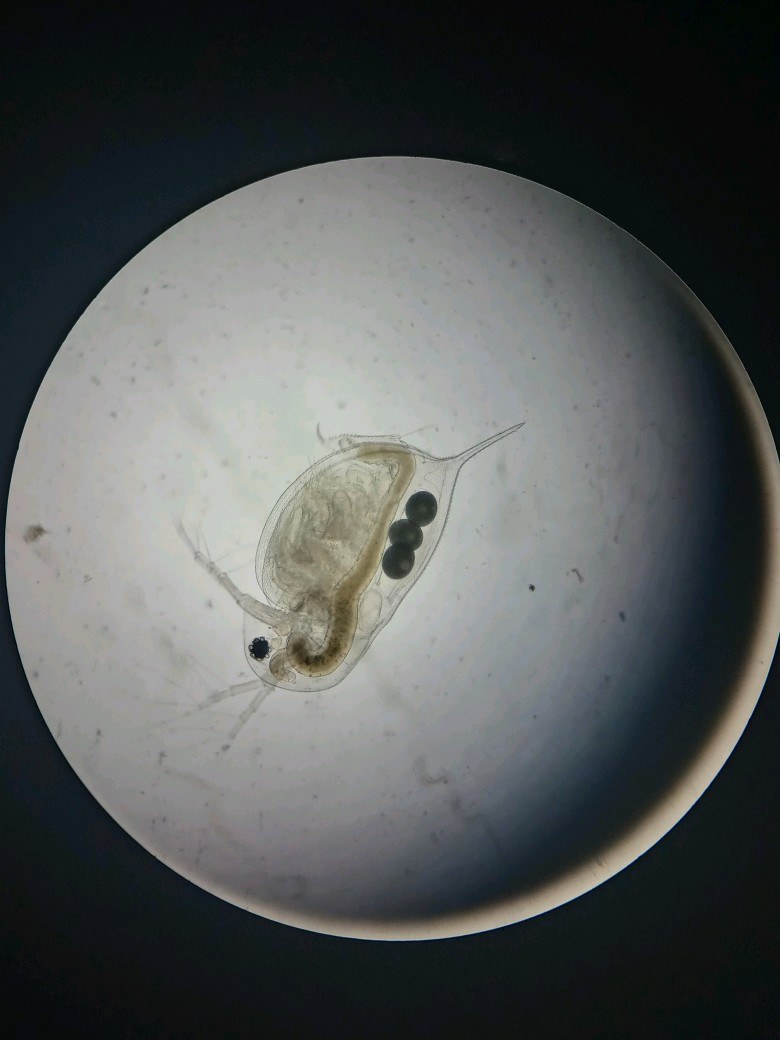
Water Flea
Ponds, lakes, and slow streams as free-floating plankton
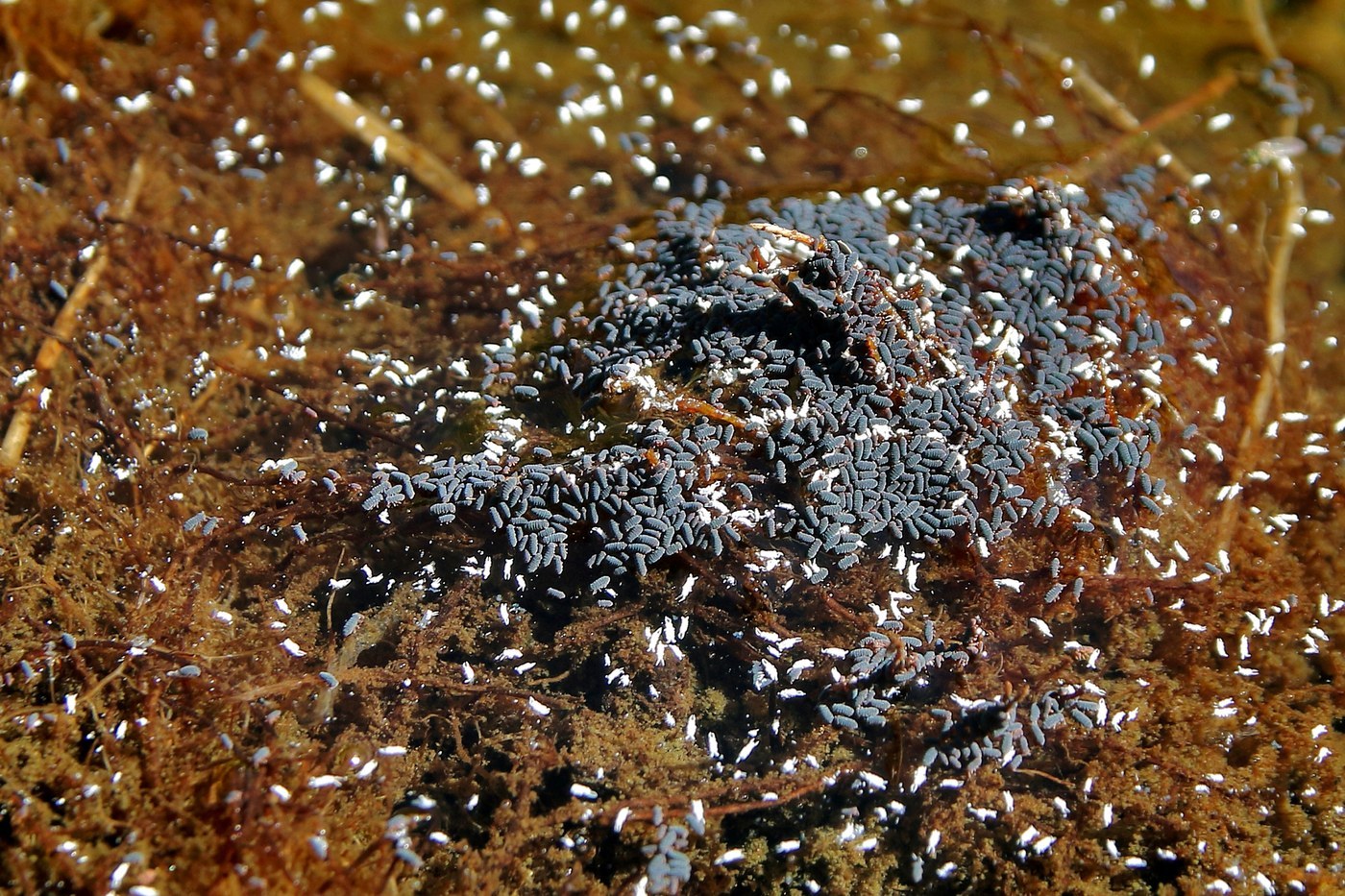
Water Springtail
Surface film of ponds, puddles, and slow ditches
Slug
Gardens, damp soil, leaf litter, greenhouses
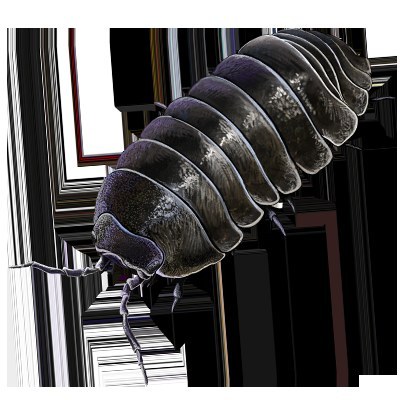
Pill Bug
Damp soil, leaf litter, under rocks and logs, garden beds
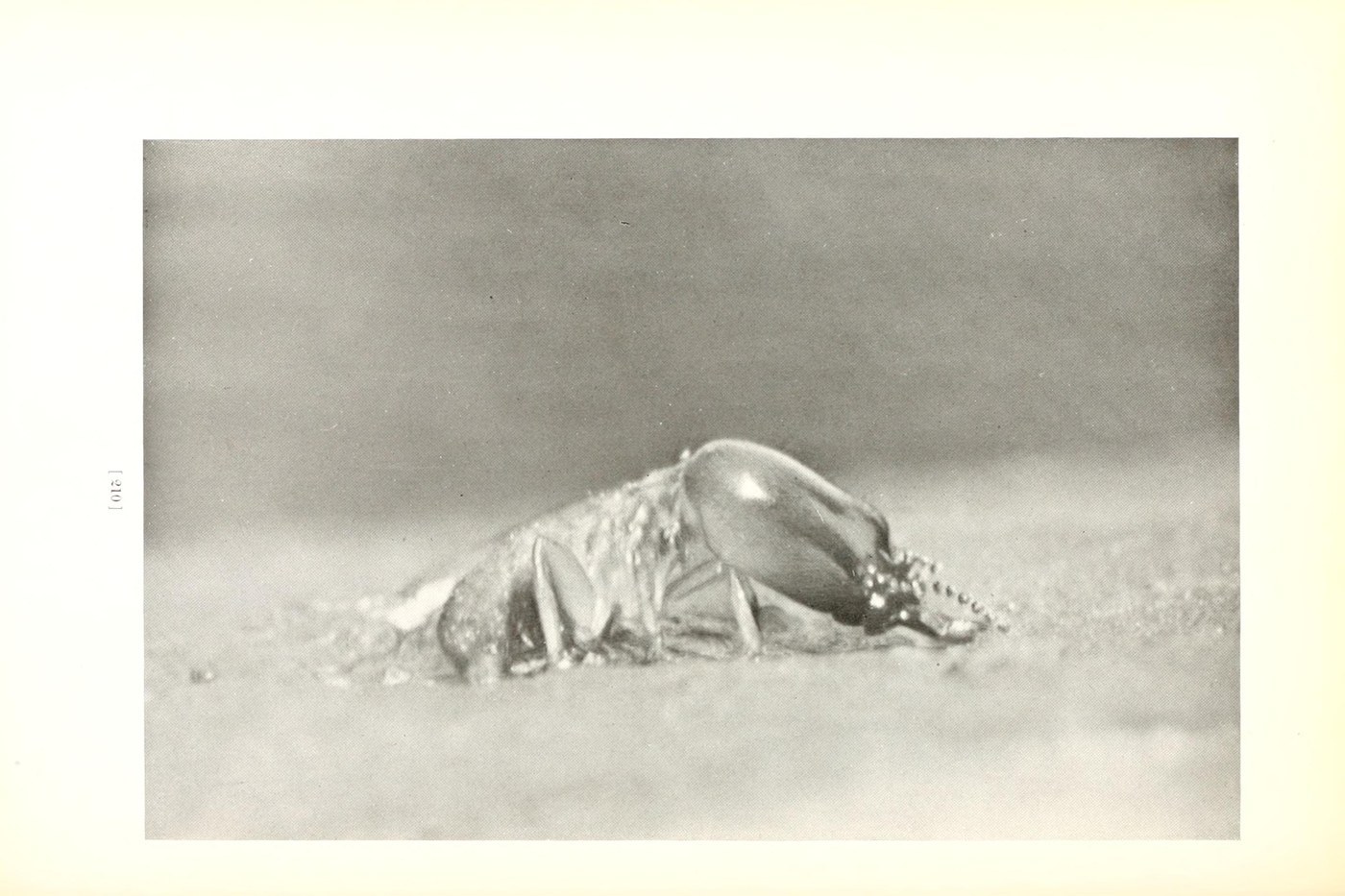
Termite
Soil, decaying wood, tree stumps, and wooden structures
Termite Swarmer
Emerges from underground or wood-nesting colonies, often near structures and moist soil
Silverfish
Damp basements, bathrooms, closets, and dark indoor crevices
Scorpionfly
Moist woodlands, hedgerows, and shaded undergrowth