Spiny Orb Weaver Identification Guide
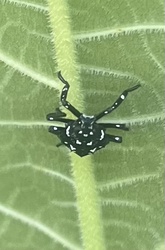
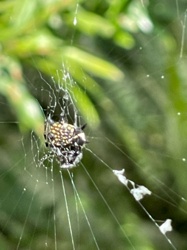
A small, hard-shelled orb weaver with a spiky, crab-like abdomen and bold contrasting colors, often seen in the center of a neat circular web.
Read the full Spiny Orb Weaver encyclopedia entry →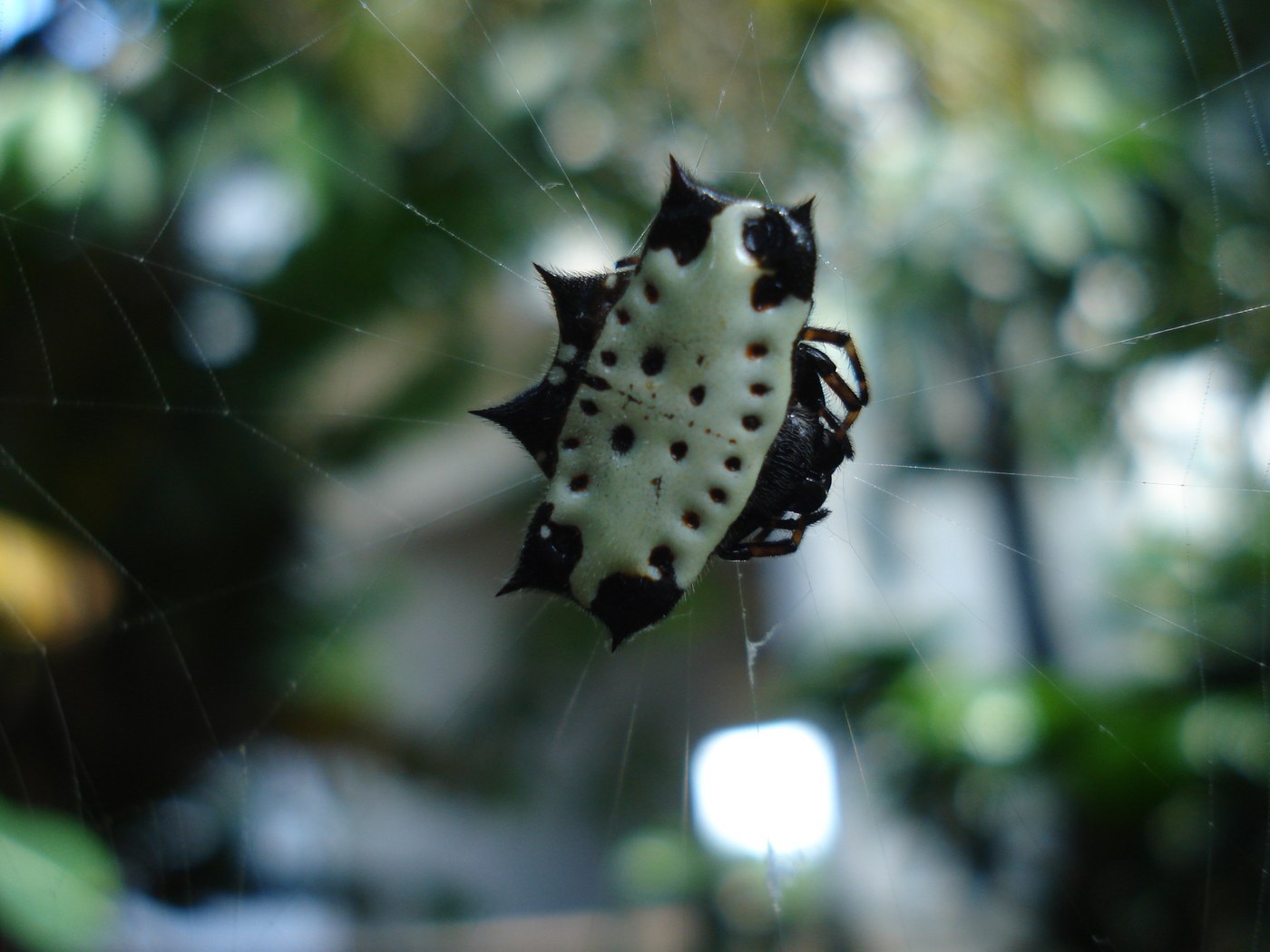
Key Visual Features
The spiny orb weaver (Gasteracantha cancriformis) is one of the most distinctive-looking spiders due to its hard, spiky abdomen.
- Size: Small overall, with a body length of about 0.2–0.4 inches (5–9 mm), though the spines make it look larger.
- Color: Highly variable, but commonly white or yellow abdomen with black spots, sometimes red or orange forms; the spines are usually black or red-tipped.
- Body shape: Wider than it is long, with a flattened, hardened (sclerotized) abdomen that looks almost shell-like — very different from the soft, rounded abdomens of most spiders.
- Spines: Six prominent, curved spines project from the edges of the abdomen, giving a crab-like or star-shaped silhouette.
- Legs: Short and thin relative to the body, banded in black and white or black and yellow.
Where and When You'd See It
Spiny orb weavers are found in warm regions, including the southern United States, Central America, and parts of the Caribbean, typically in gardens, woodland edges, and shrubby vegetation. They build neat, circular orb webs between shrubs, tree branches, or garden plants, often at head height, and remain in the center of the web during the day. They are most commonly observed from summer through fall, when webs are frequently strung across garden pathways and porch areas.
Similar-Looking Species
- Marbled orbweaver: Has a soft, rounded, mottled abdomen without spines, unlike the hard spiky shell of the spiny orb weaver.
- Crab spiders: Also have a wide, flattened body, but lack a web and instead hide on flowers to ambush prey; they do not have hardened spines.
- Star-bellied orb weaver: A close relative with a similar spiky shape; often distinguished mainly by subtle color and spine-length differences.
- Banded garden spider: Larger, with a soft striped abdomen and no spines, and typically builds a web with a visible zigzag stabilimentum.
Quick ID Checklist
- Small, hard, flattened abdomen with six pointed spines
- Bold contrasting colors — often white or yellow with black spots
- Short, thin, banded legs
- Sits in the center of a neat circular orb web
- Found on garden shrubs and woodland edges in warm climates
Frequently asked questions
What makes the spiny orb weaver so easy to identify?
Its hard, flattened abdomen with six pointed spines and bold contrasting colors makes it one of the most visually distinct spiders, unlike the soft rounded bodies of most other orb weavers.
Do spiny orb weavers always build webs in the same spot?
They often rebuild or repair their circular web in the same general location night after night, commonly stretched between shrubs or low tree branches.
How can I tell it apart from a crab spider?
Spiny orb weavers build and sit in circular webs and have hardened, spiky abdomens, while crab spiders have soft bodies without spines and hide on flowers without spinning a prey-catching web.
Does the color of a spiny orb weaver mean anything for identification?
Color can vary widely between individuals of the same species — white, yellow, orange, or red forms all occur — so the spiny shape and web-building behavior are more reliable identification clues than color alone.
Spiny Orb Weaver identified by the community
Recent Spiny Orb Weaver finds identified with Bug Identifier.