
Spiny Orb Weaver
Gasteracantha cancriformis
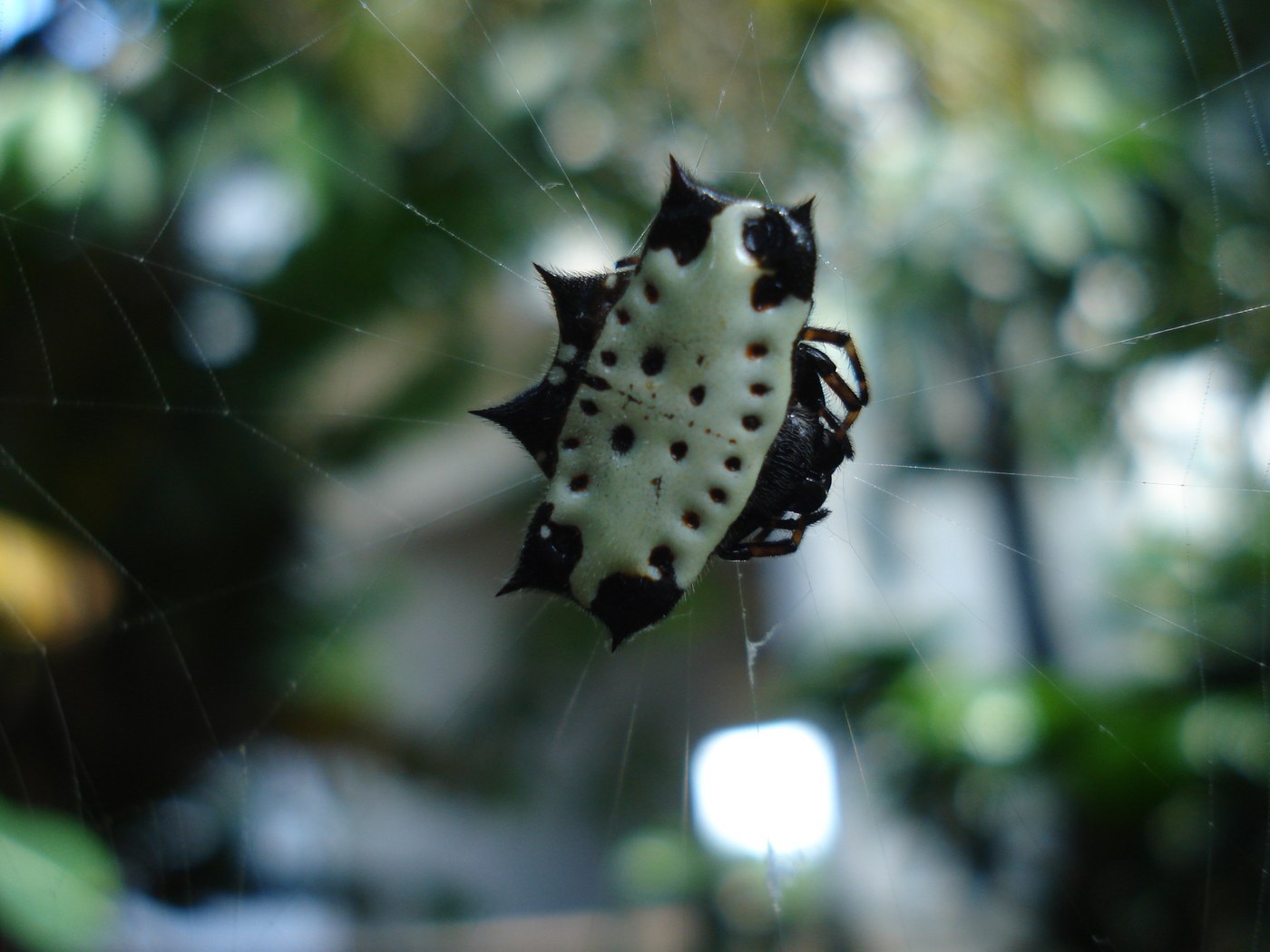
A small, hard-shelled orb weaver shaped like a tiny crab, with six sharp spines projecting from a brightly colored abdomen suspended in a neat wheel-shaped web.
- Size
- 5-10 mm body length (females), spines add extra width
- Habitat
- Gardens, forest edges, and shrubs in warm, humid climates
- Danger
- Harmless
Spotted a bug like this?
Identify any bug or insect from a photo, free.
Overview
The spiny orb weaver, also widely known as the spinybacked orbweaver, is one of the most distinctive and easily identified spiders in warm regions of the Americas, thanks to its hardened, crab-shaped abdomen ringed with sharp projecting spines. Despite its formidable appearance, this species is a small web-builder that spends most of its time motionless at the center of a neatly constructed orb web.
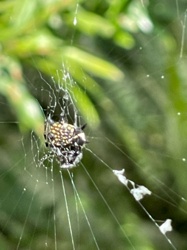
Coloration varies considerably between individuals and populations, with abdomens commonly white, yellow, orange, or red, patterned with black spots, against which the spines and legs stand out sharply. This variability, combined with the animal's unusual shell-like body, has earned it the nickname "jewel spider" in some regions.
Widespread across the southern United States, Mexico, Central America, and the Caribbean, spiny orb weavers are common in gardens, citrus groves, and woodland edges, where their webs often catch small flying insects at head height along paths and garden borders.
How to Identify
- Hard, shield-like abdomen shaped like a wide crab shell, typically white, yellow, orange, or red with black spots
- Six prominent spines projecting from the edges of the abdomen, giving a spiky, armored look
- Small body overall, with the abdomen much wider than it is long
- Thin, relatively short legs compared to the broad body
- Distinguished from other spiny orb weavers by the specific spine arrangement and color pattern, though overall shape is unmistakable
Habitat & Range
This species builds webs in gardens, shrubs, citrus and other fruit trees, and forest edges throughout warm, humid regions including the southern United States (especially Florida and the Gulf Coast), Mexico, Central America, and the Caribbean. Webs are often strung between branches or garden plants at head height, frequently along paths, and can be conspicuous from late summer into fall when females reach full size.
Behavior & Diet
Spiny orb weavers spin a classic wheel-shaped orb web, typically rebuilding or repairing it each day, and remain motionless at the hub waiting to detect vibrations from trapped insects. Diet consists of small flying insects such as gnats, flies, and moths caught in the sticky spiral threads. As with most orb weavers, males are much smaller than females and wander in search of a mate rather than maintaining a permanent web. The species plays a role in natural insect population control within gardens and orchards.
Life Cycle
After mating, females produce one or more egg sacs, often attached to a leaf or twig near the web and covered with a fluffy silk layer, containing dozens to over a hundred eggs. Spiderlings hatch and disperse, sometimes ballooning on silk threads to new locations, then grow through several molts over the following months. In warm climates the species may produce more than one generation per year, while eggs or juveniles overwinter in cooler parts of its range.
Frequently asked questions
Does the spiny orb weaver bite?
Its spines are a defense against predators, and it stays motionless at the center of its web rather than confronting people; it can bite in defense only if squeezed.
Why does the spiny orb weaver have spines?
The hard, spiny abdomen is thought to make the spider more difficult and less appealing for predators such as birds to swallow.
Where do spiny orb weavers build their webs?
They construct orb webs in gardens, shrubs, and tree branches throughout warm regions of the southern United States, Mexico, and the Caribbean.
What color is a spiny orb weaver?
Coloration varies widely between individuals, with abdomens commonly white, yellow, orange, or red marked with black spots.
Spiny Orb Weaver guides
In-depth guides for identifying, understanding, and living alongside Spiny Orb Weaver.
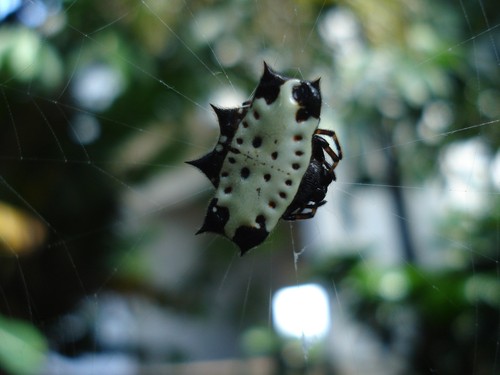
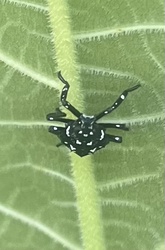
Spiny Orb Weaver identified by the community
Real finds identified with Bug Identifier.

Other bugs you may enjoy
Woodlouse Spider
Damp leaf litter, under logs, stones, and mulch
Wolf Spider
Gardens, grasslands, forests, leaf litter, ground burrows
Wandering Spider
Tropical and subtropical forest floor, foliage, and banana plants
Banded Garden Spider
Tall grass, meadows, and gardens with open sunny vegetation
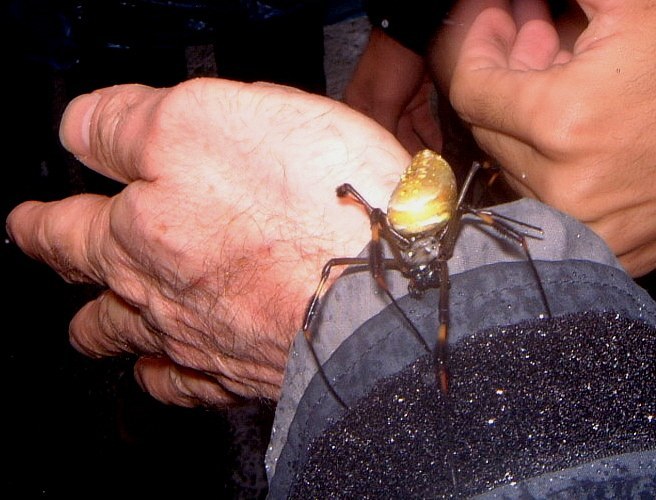
Banana Spider
Wooded trails, forest edges, and gardens across the southeastern U.S. and the American tropics
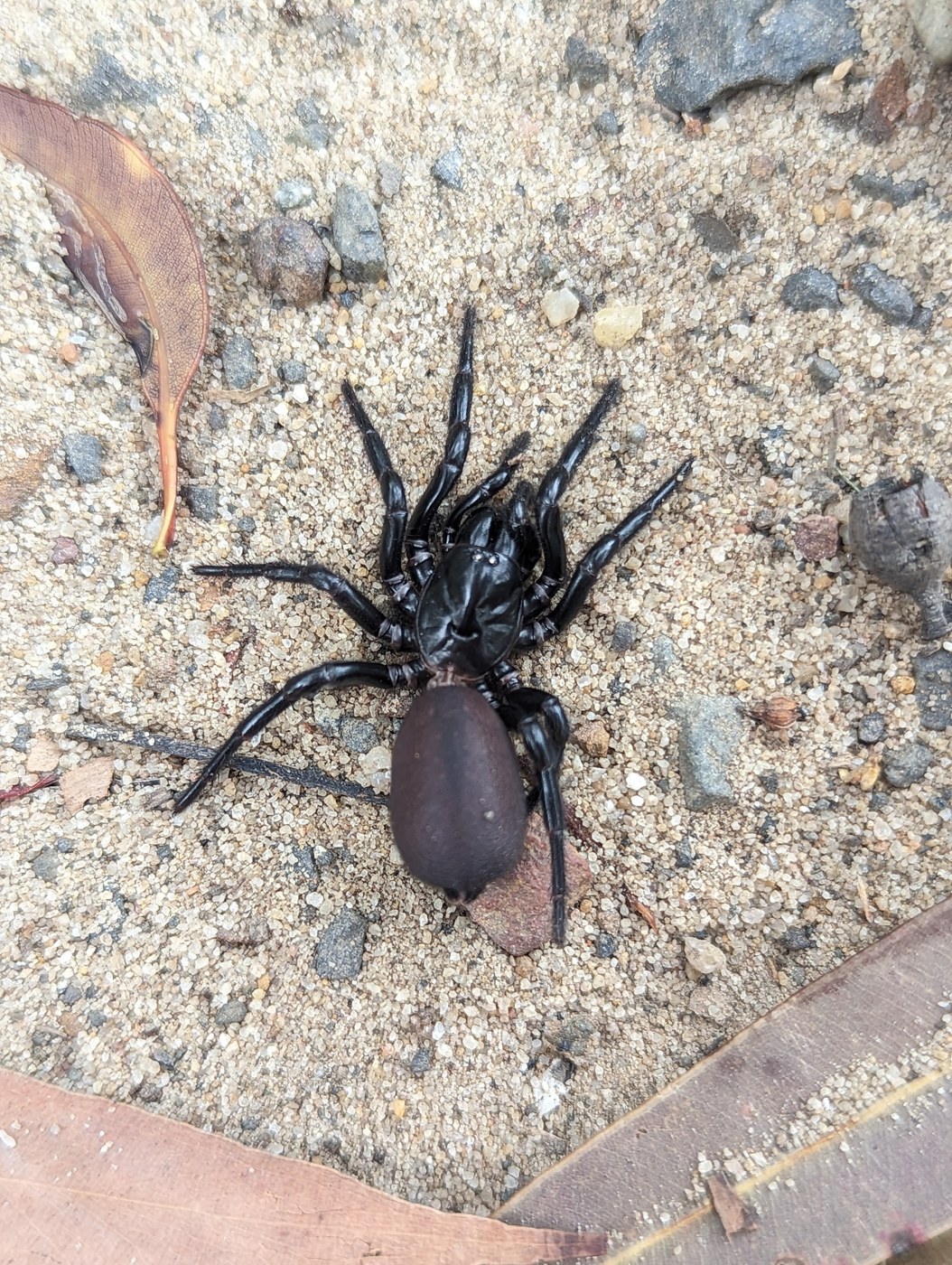
Sydney Funnel-web Spider
Burrows in moist soil, gardens, and forested gullies around the Sydney basin of eastern Australia
Trapdoor Spider
Self-dug silk-lined burrows with a camouflaged door, in dry, well-drained soil worldwide
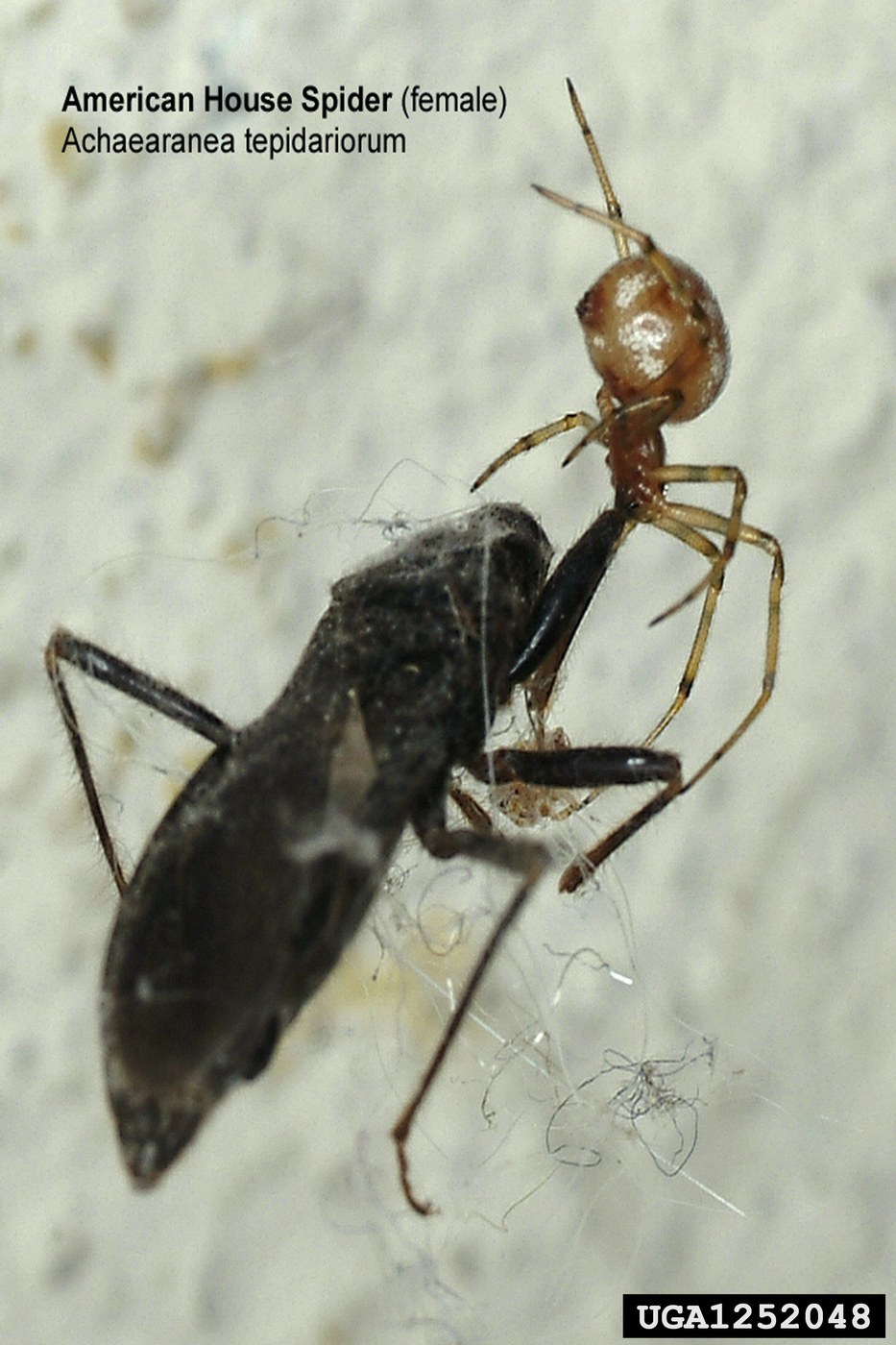
American House Spider
Corners, basements, garages, and outbuildings worldwide
Tube Web Spider
Wall crevices, bark, rockeries, and masonry
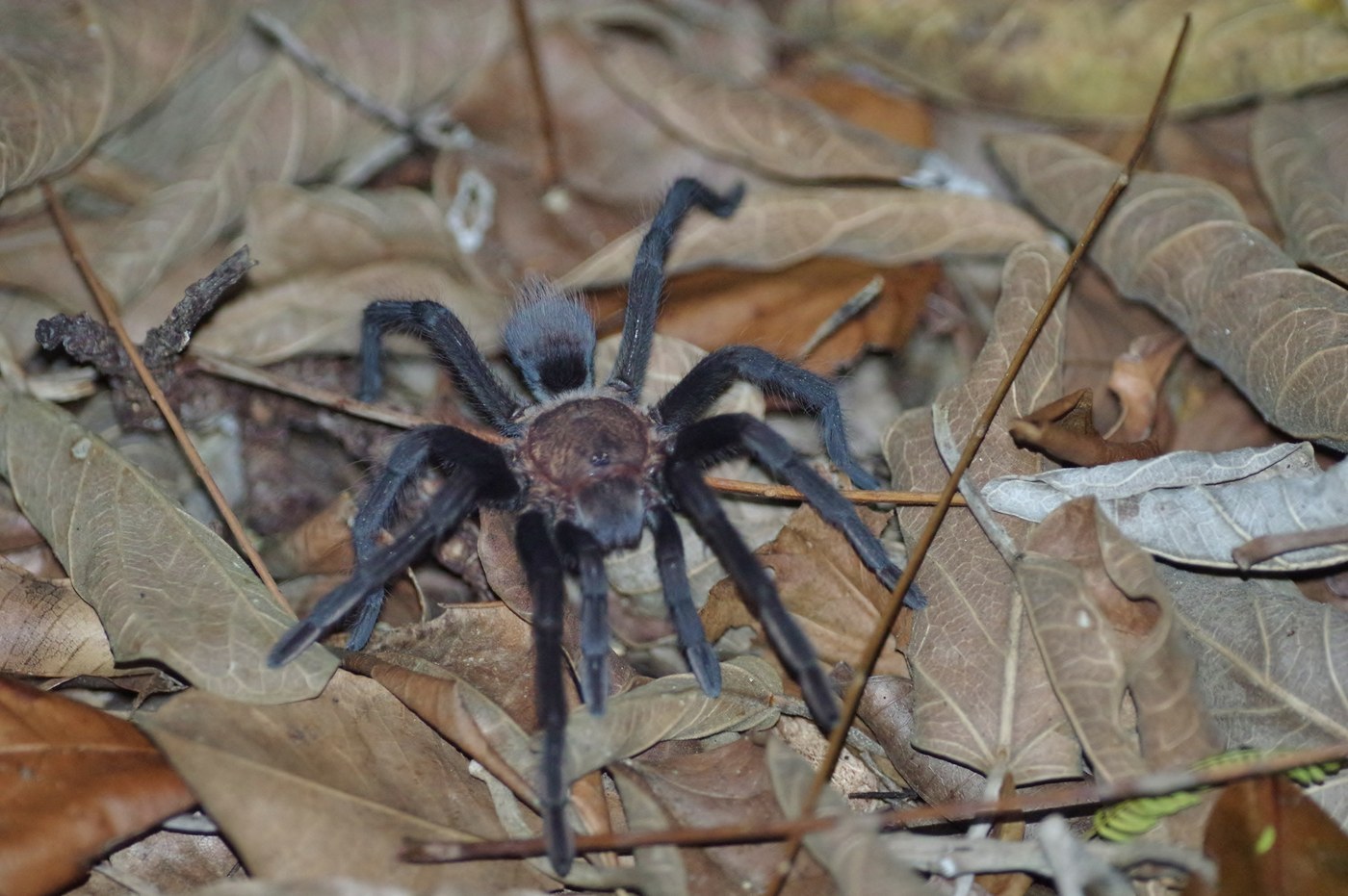
Tarantula
Burrows, rock crevices, and tree hollows in deserts, grasslands, and tropical forests worldwide
Zebra Jumping Spider
Sunny walls, fences, tree bark, and building exteriors
Wall Spider
Cracks and crevices on exterior and interior walls