Stink Bug Identification Guide
Learn to recognize the shield-shaped silhouette and triangular back plate shared by this diverse group of true bugs.
Read the full Stink Bug encyclopedia entry →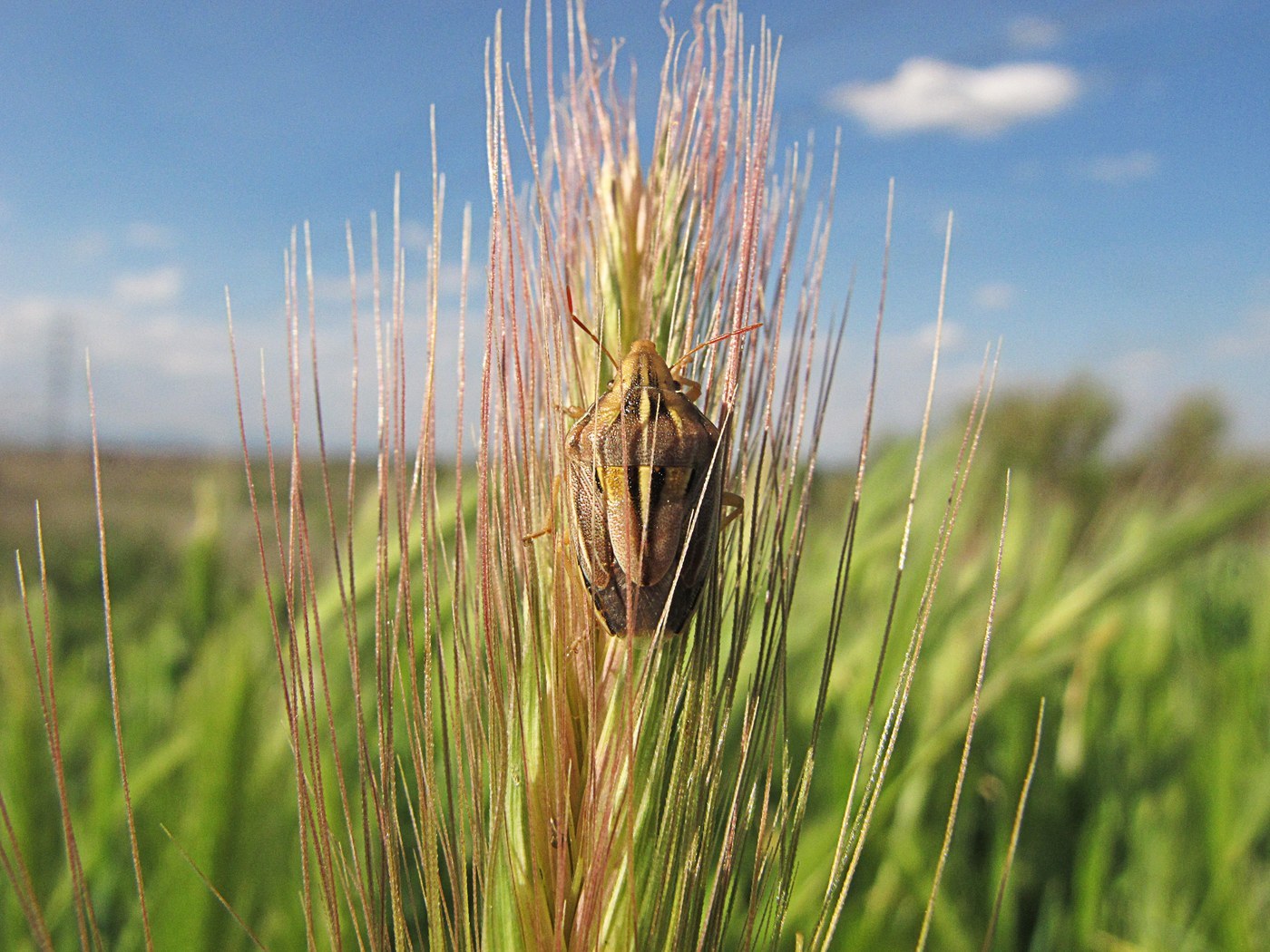
Key Features
- Shield-shaped body (a "true bug" in the order Hemiptera), typically 1.2–1.7 cm (0.5–0.7 inches) long
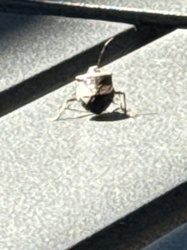
- Body is broadest across the shoulders and tapers toward a somewhat pointed rear, giving the characteristic pentagon/shield silhouette shared by the whole family
- Coloring varies widely by species, including shades of green, brown, gray, or mottled patterns, and some species show bright warning colors like red or orange
- Piercing-sucking mouthparts folded beneath the head when not feeding, forming a thin, needle-like beak
- Six legs and long, segmented antennae; wings are held flat over the back at rest, with a triangular plate (scutellum) visible between the wing bases that is a hallmark of the group
- Can release a noticeable odor as a defensive response when handled or disturbed, produced by glands on the thorax
Where & When to Spot One
- Found in gardens, fields, woodland edges, and on a wide variety of plants, where they are often seen resting on leaves or stems, sometimes in small clusters
- Present across most temperate and subtropical regions worldwide, with many different species varying by continent and habitat type
- Most active from spring through fall, with populations often peaking in late summer as new generations mature
- Adults may seek sheltered spots such as under bark, leaf litter, or building crevices as temperatures cool in autumn, sometimes gathering in numbers
Similar Species
- Squash bugs are a similar shield shape but tend to be more elongated and uniformly dark brown/gray, without the broader "shoulders" of many stink bugs
- Leaf-footed bugs share the general body plan but often have flattened, leaf-like expansions on their hind legs, which true stink bugs lack
- Brown Marmorated Stink Bug is a specific species within this group, distinguished by its mottled brown pattern and banded antennae/legs (see its own guide for detail)
- Assassin bugs can share a similar general outline but usually have a narrower head and a more elongated, slender body compared to the broad shield of a true stink bug
- The shield/pentagon body outline combined with the triangular scutellum plate on the back is the most reliable way to recognize a stink bug as a group
Quick ID Checklist
- Shield/pentagon-shaped body
- Triangular scutellum plate visible on the back
- Color varies (green, brown, gray, mottled)
- Piercing-sucking mouthparts folded under the head
- Releases a noticeable odor when disturbed
Frequently asked questions
Why is it called a "stink bug"?
It can release a strong-smelling defensive odor when handled or disturbed, which is how the group gets its common name.
What is the triangular shape on a stink bug's back?
That's the scutellum, a hardened plate between the wing bases that's a key feature for recognizing true bugs in this family.
Are all stink bugs the same color?
No, coloring varies widely by species, ranging from bright green to brown, gray, or mottled patterns.
Where are stink bugs commonly found?
On garden plants, field crops, and woodland vegetation, and they often seek sheltered spots as the weather cools in fall.
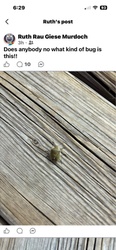
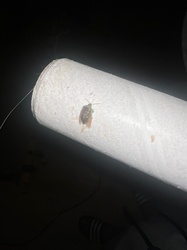
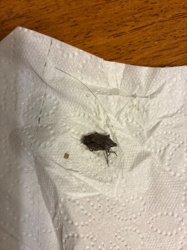
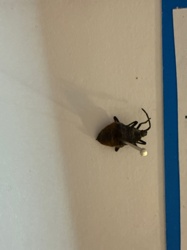
Stink Bug identified by the community
Recent Stink Bug finds identified with Bug Identifier.