
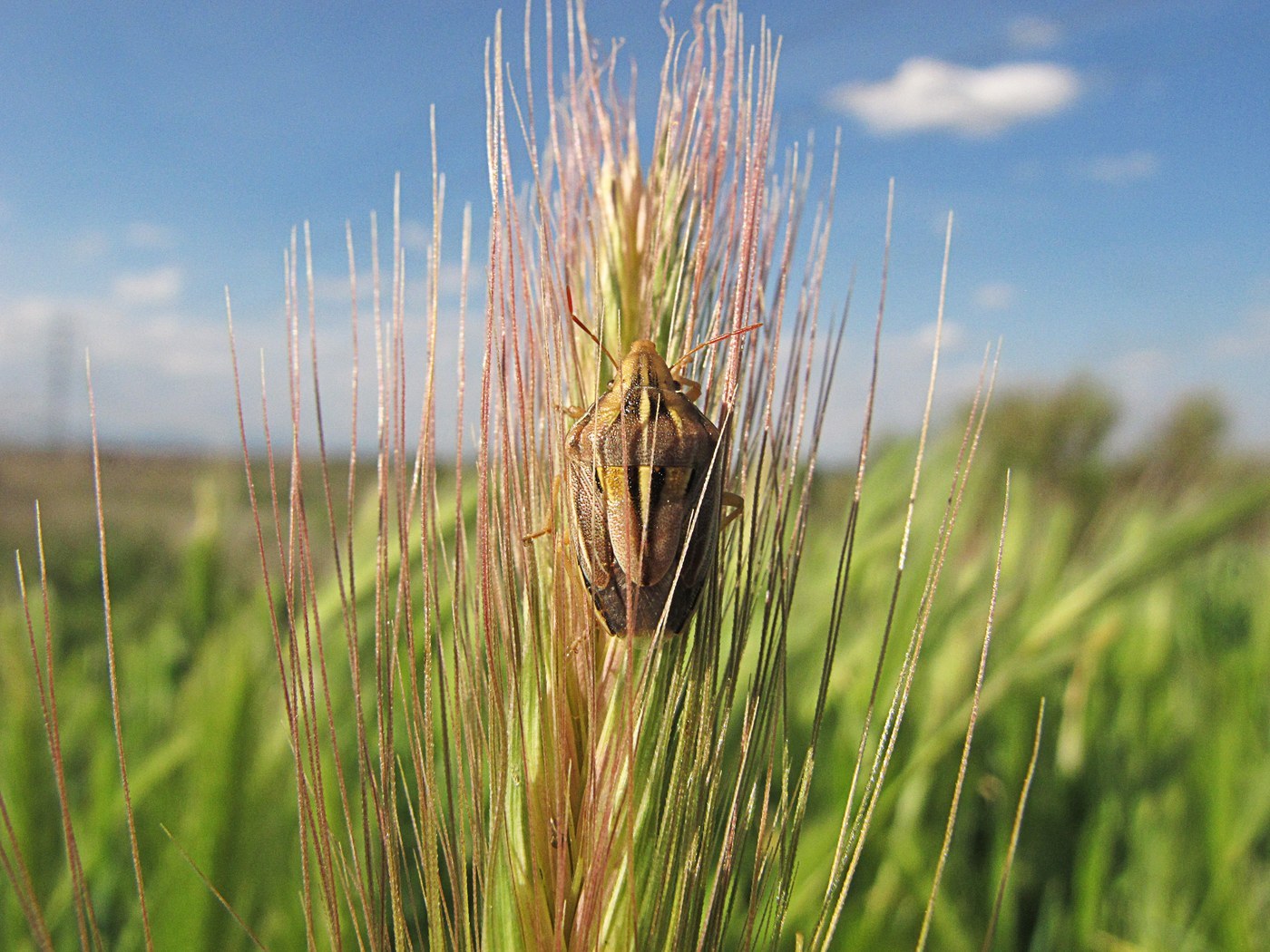
Stink Bug
Pentatomidae spp.
A broad, shield-shaped true bug that releases a pungent defensive odor when handled or crushed, commonly found on garden vegetables and fruit trees.
- Size
- 12–17 mm
- Habitat
- Gardens, crop fields, and woodlands across temperate and subtropical regions
- Danger
- Nuisance pest
Spotted a bug like this?
Identify any bug or insect from a photo, free.
Overview
Stink bug is the common name for members of the family Pentatomidae, order Hemiptera — so named for their characteristic five-sided, shield-like outline. The family includes thousands of species worldwide.
Many stink bug species feed on plants and are notable agricultural pests due to their piercing-sucking mouthparts, which can damage developing fruit, seeds, and foliage. Other species are predatory, feeding on caterpillars and other soft-bodied insects, making the family ecologically diverse.
The group's most recognizable trait is a pair of glands on the thorax that release a strong, volatile odor when the insect is disturbed, a defense mechanism that gives the group its common name.
How to Identify
- Broad, flattened, shield or pentagon-shaped body
- Coloring varies by species: green, brown, gray, or mottled patterns are common
- Large triangular scutellum covering much of the back between the wings
- Piercing-sucking mouthpart folded beneath the body; five-segmented antennae
- Body length roughly 12–17 mm; distinguished from beetles by membranous, overlapping wingtips rather than wing covers that meet in a straight line
Habitat & Range
Distributed worldwide in temperate and subtropical regions. Found on a wide variety of host plants including garden vegetables, field crops, and fruit trees. Active from spring through fall, with many species overwintering as adults in leaf litter, bark crevices, or structures.
Behavior & Diet
Feeds by inserting a straw-like mouthpart into plant tissue to draw out sap and juices from leaves, stems, and developing fruit. Releases a strong defensive scent from thoracic glands when disturbed or crushed. Some species are predatory rather than plant-feeding, hunting caterpillars and other soft-bodied insects. Plant-feeding species are considered common pests of tomatoes, beans, and orchard fruit due to feeding damage.
Life Cycle
Incomplete metamorphosis (egg, nymph, adult — no pupal stage). Eggs are typically laid in clusters, often barrel-shaped, on the undersides of leaves. Nymphs pass through five instars, resembling smaller, wingless versions of the adult with changing color patterns as they mature. Depending on climate, one to several generations occur per year, with adults overwintering in sheltered sites.
Frequently asked questions
Why do stink bugs smell bad?
They release a defensive odor from glands on the thorax when threatened or crushed.
Are all stink bugs green?
No, coloring varies widely by species, ranging from green to brown to mottled gray.
How is a stink bug different from a beetle?
Stink bugs have piercing-sucking mouthparts and membranous wingtips that overlap, while beetles have chewing mouthparts and hardened wing covers that meet in a straight line down the back.
Do stink bugs bite?
They feed on plants rather than seeking out people; their primary defense is a released odor rather than biting.
Stink Bug guides
In-depth guides for identifying, understanding, and living alongside Stink Bug.
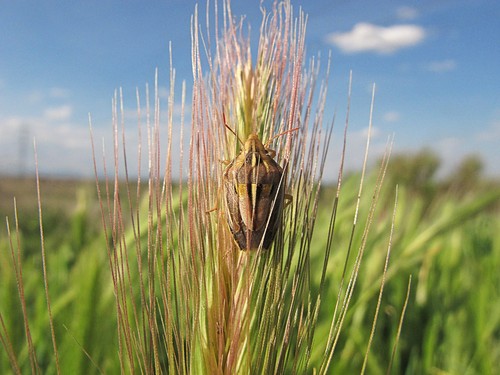
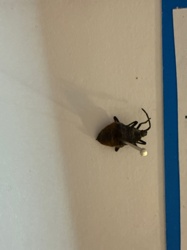
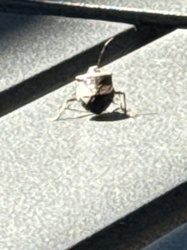
Stink Bug identified by the community
Real finds identified with Bug Identifier.

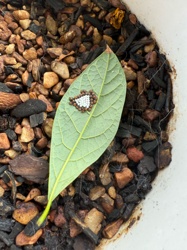
Other bugs you may enjoy
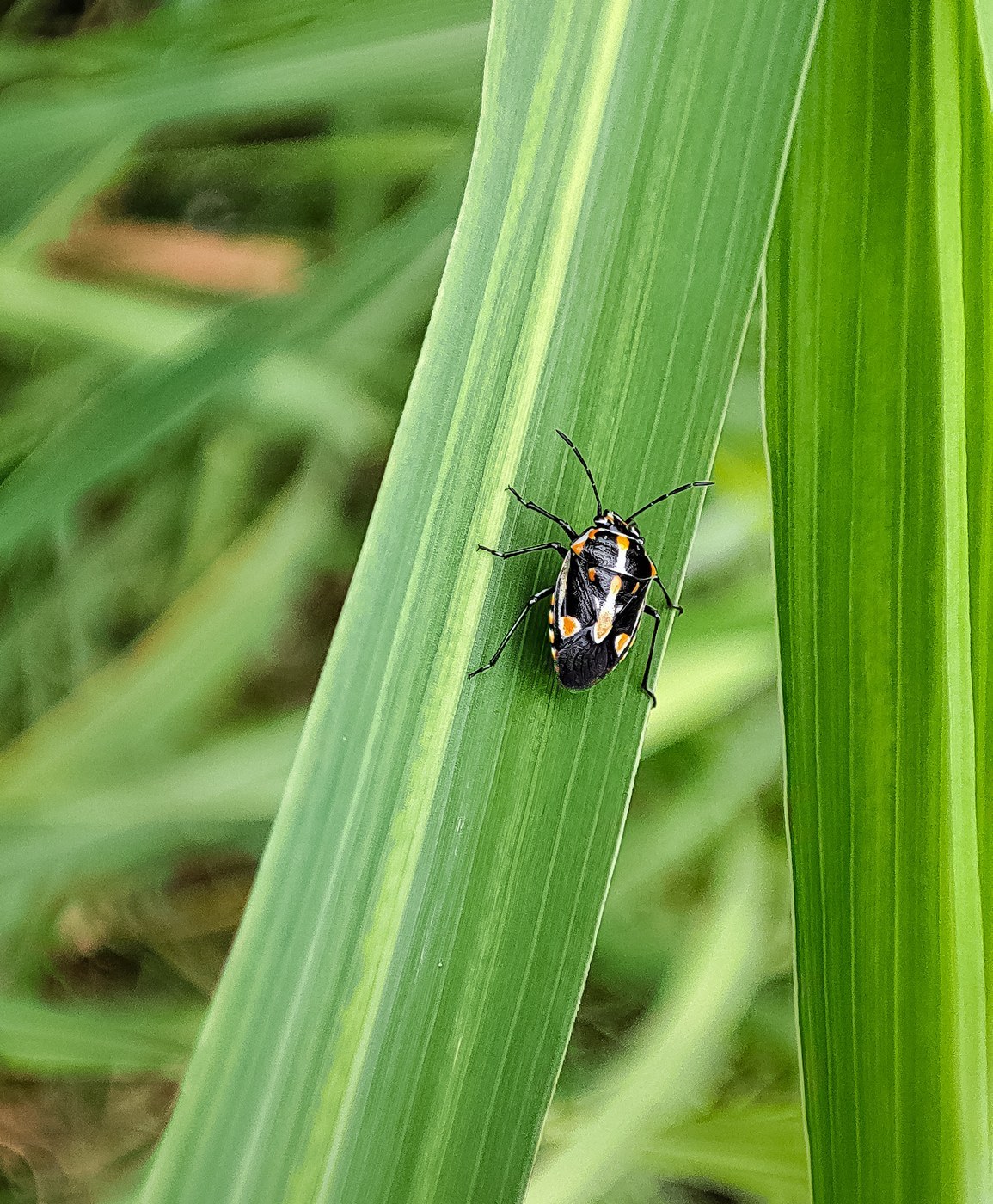
Bagrada Bug
Arid gardens, crucifer fields, desert-adjacent croplands
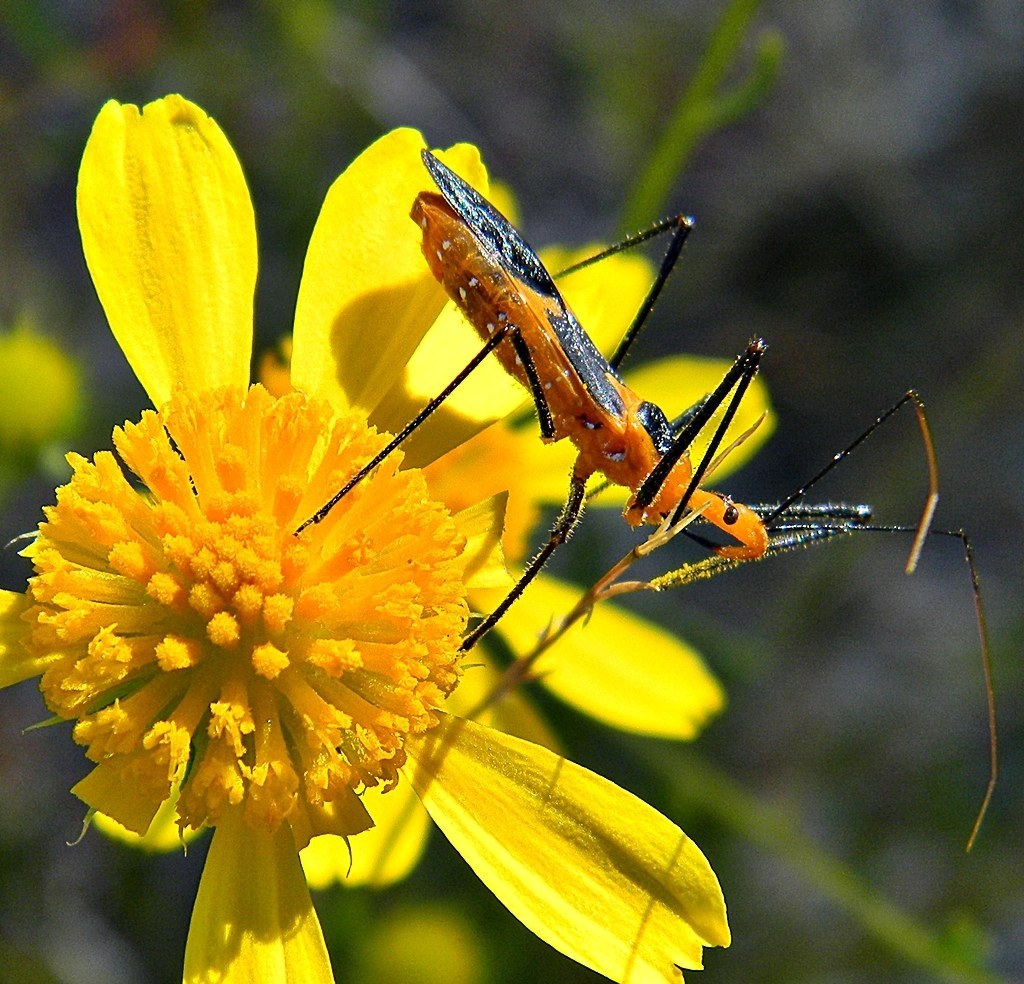
Assassin Bug
Gardens, meadows, and vegetation worldwide
Water Boatman Bug
Ponds, lakes, and slow-moving freshwater
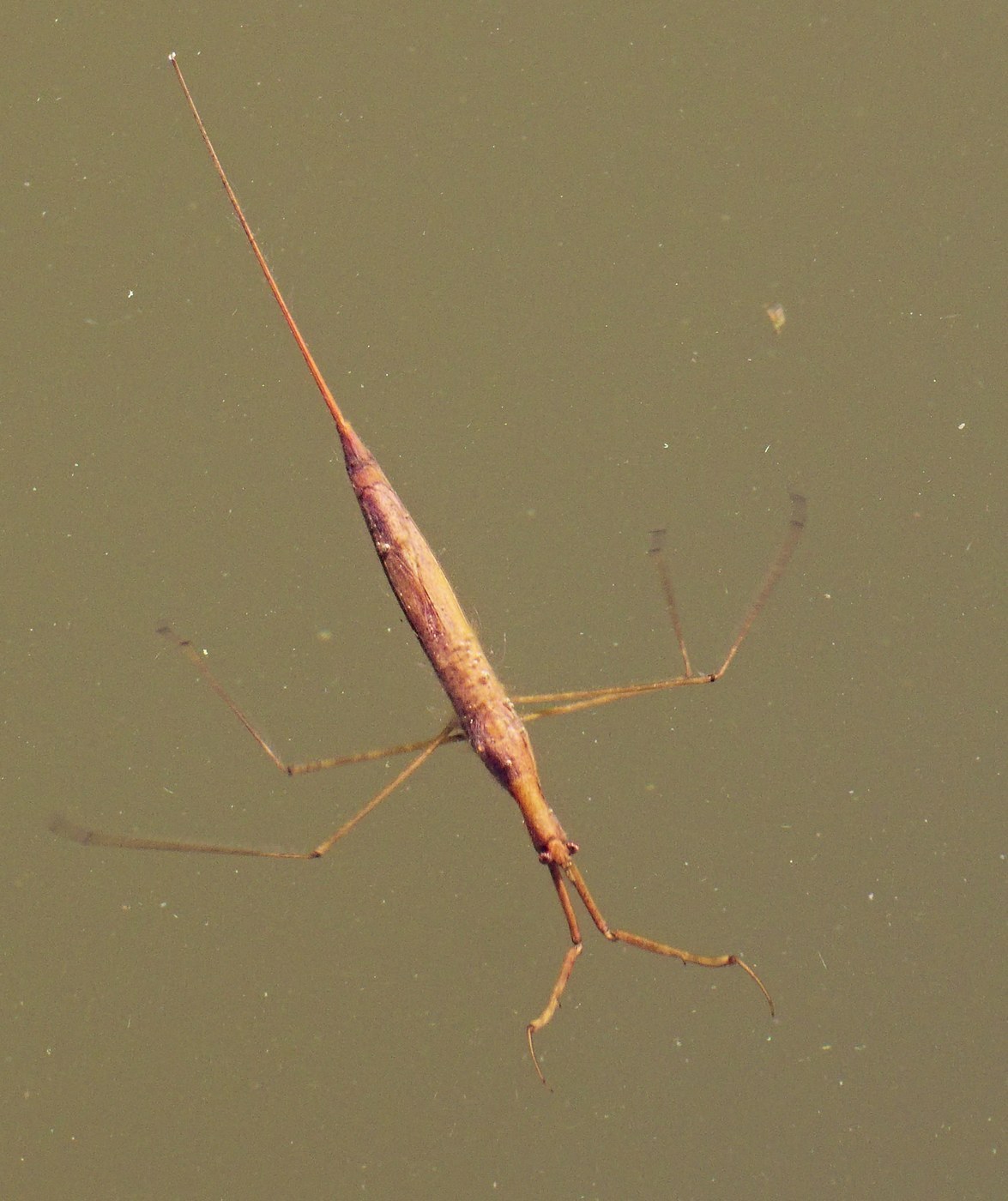
Water Stick Insect
Still and slow-moving water with dense submerged vegetation
Rough Stink Bug
Tree bark, woodlands, orchards, and shrubby vegetation
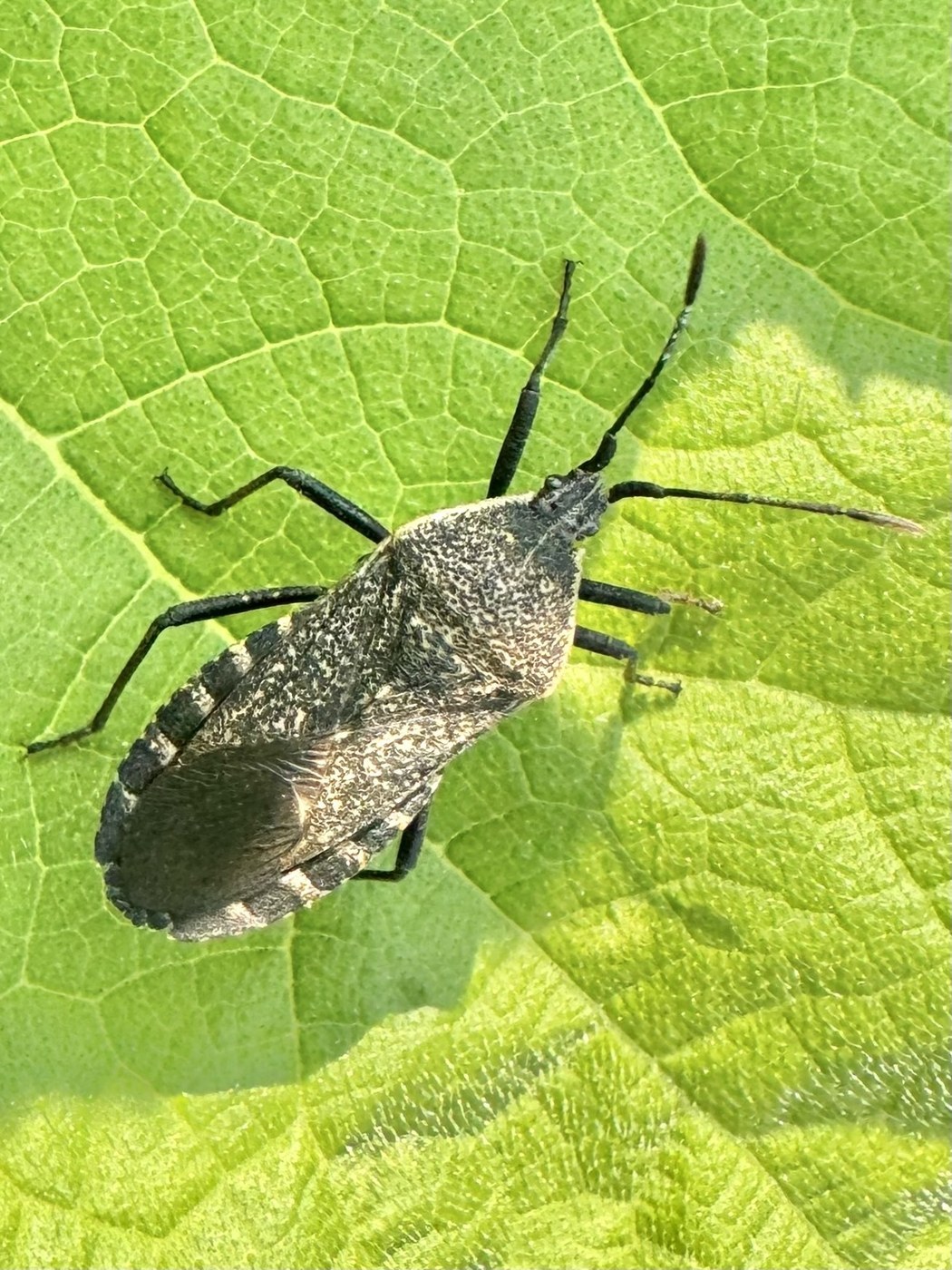
Squash Bug
Vegetable gardens and farm fields growing squash, pumpkin, and other cucurbits
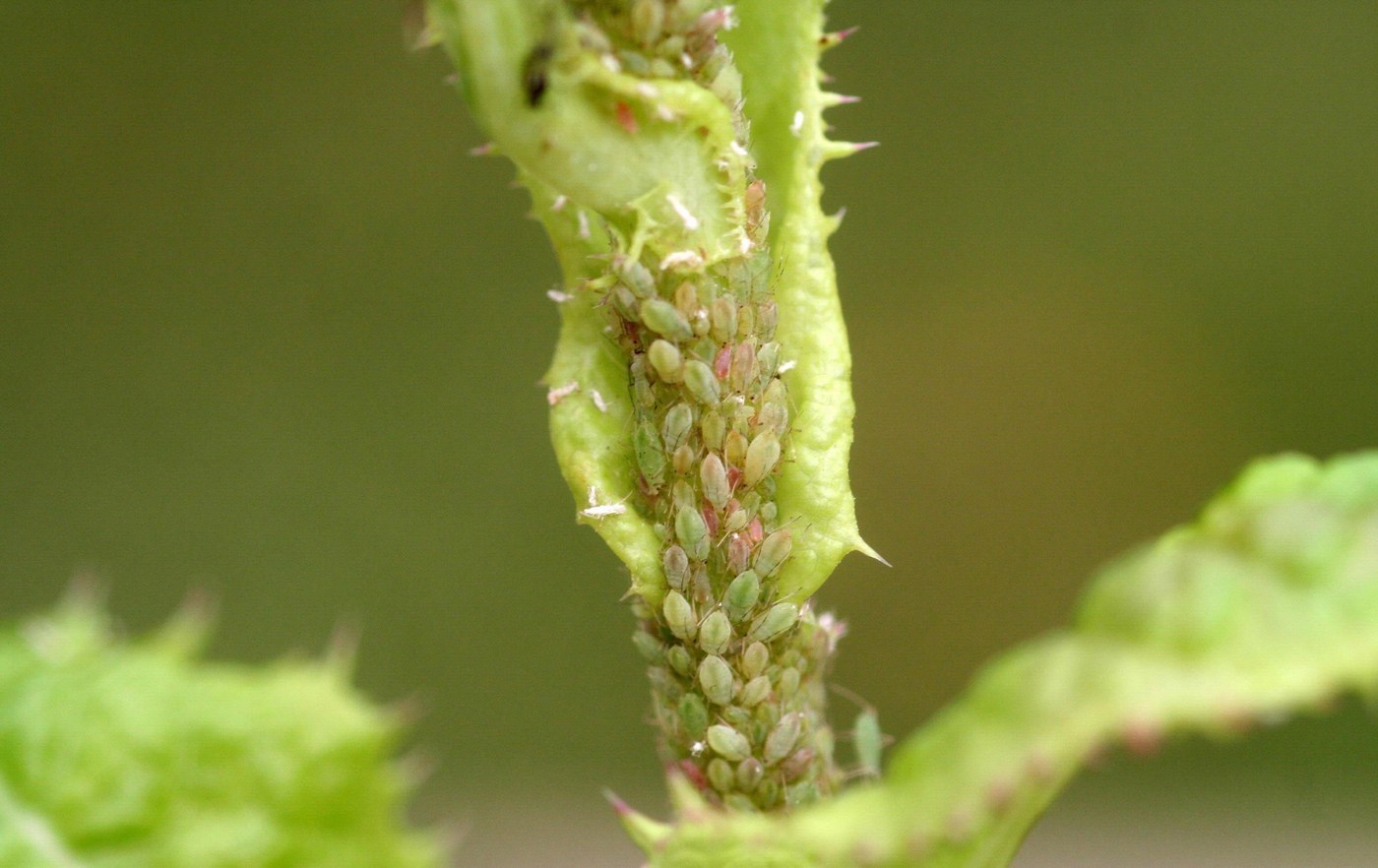
Aphid
On stems, leaves, and buds of a very wide range of host plants
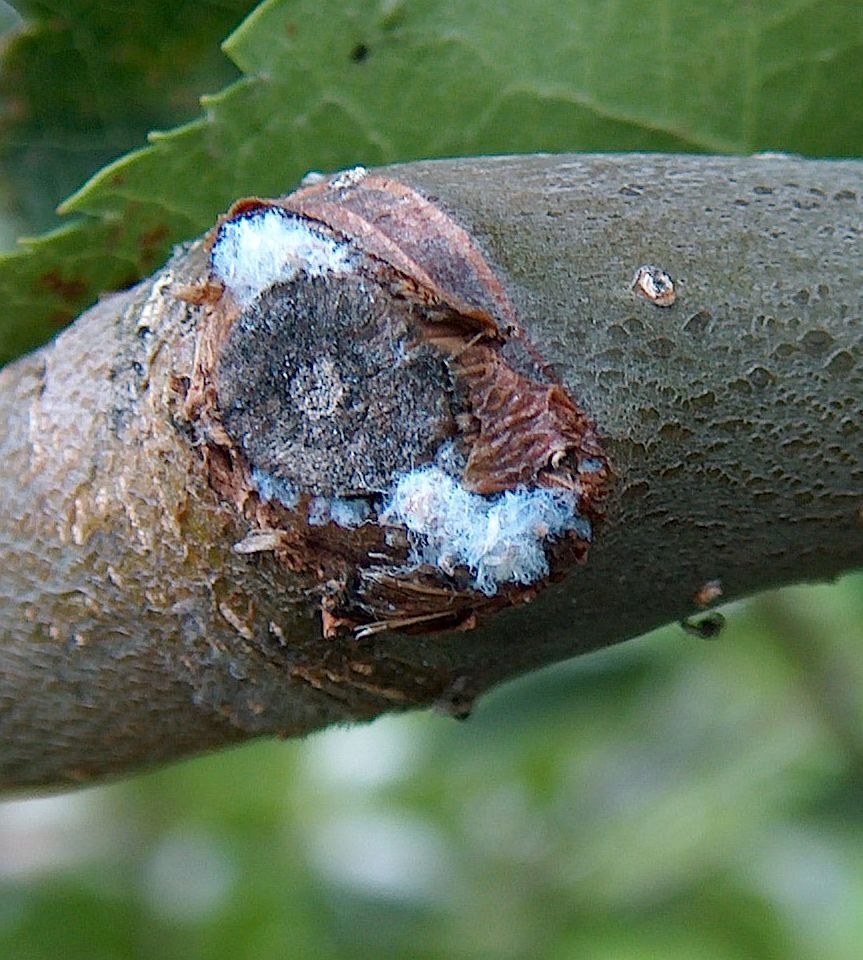
Woolly Aphid
Bark crevices, root collars, and twigs of apple, elm, and alder trees
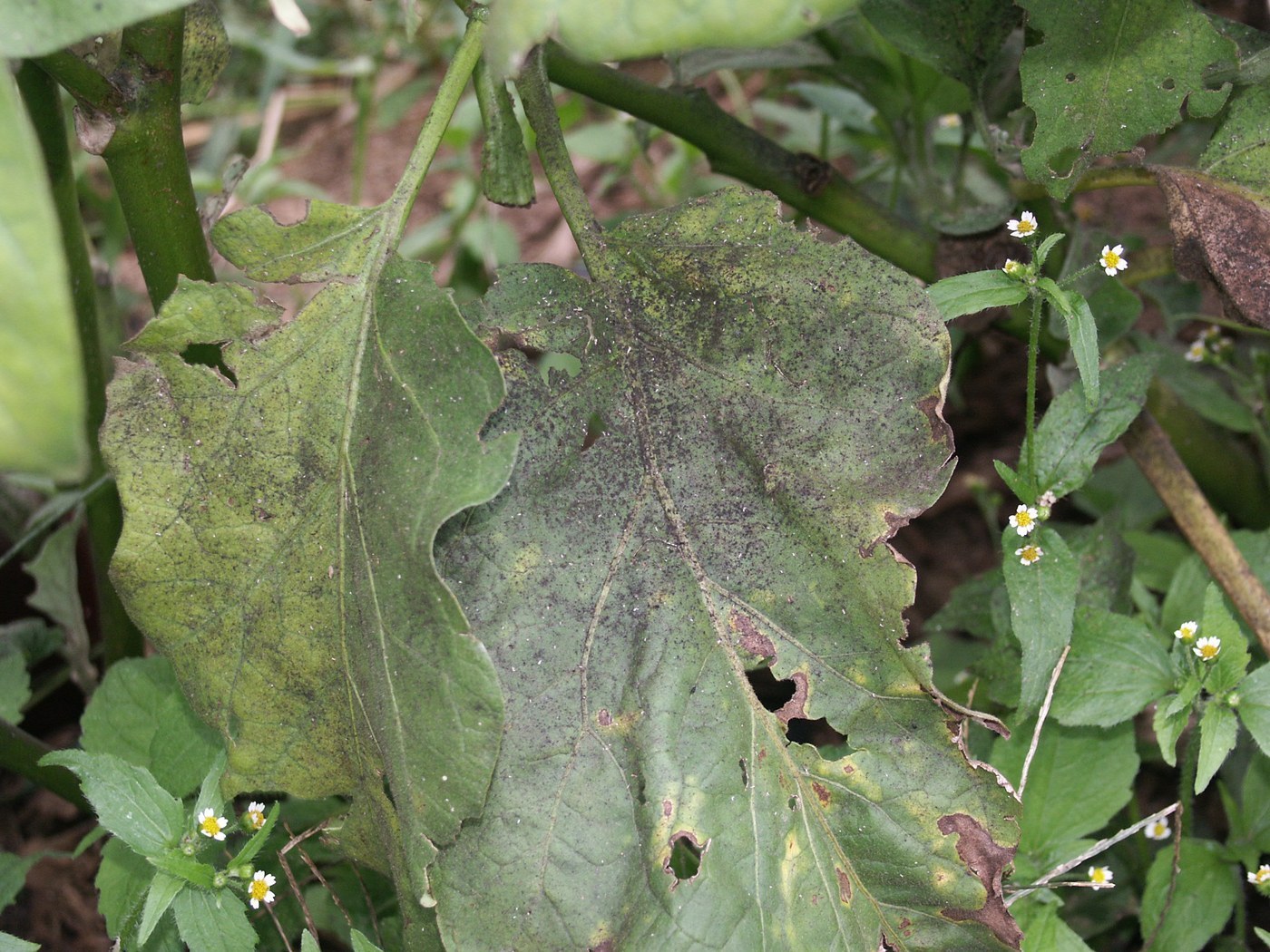
Whitefly
Greenhouses, gardens, and undersides of leaves on host plants
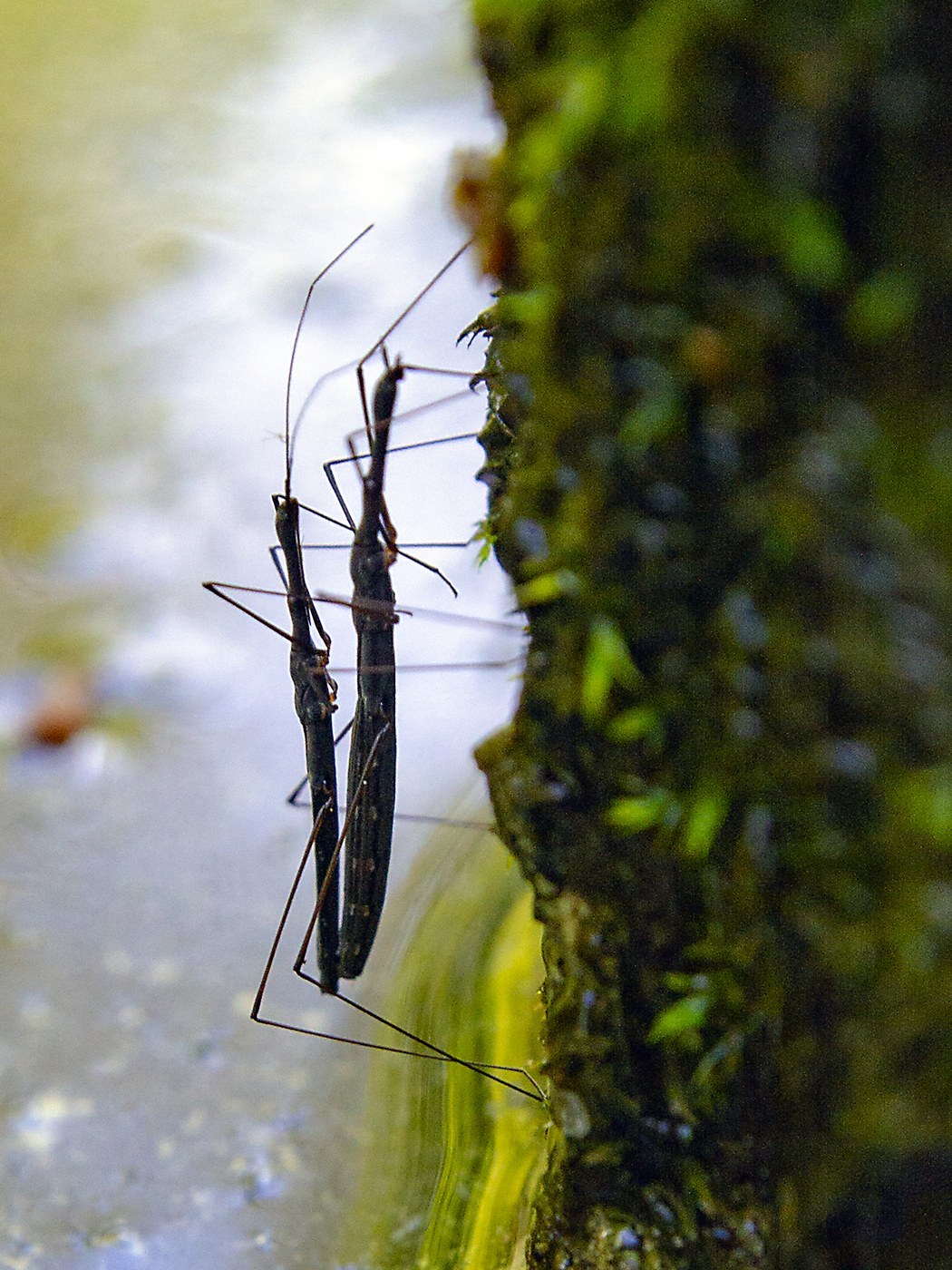
Water Measurer
Quiet edges of ponds, marshes, and slow streams
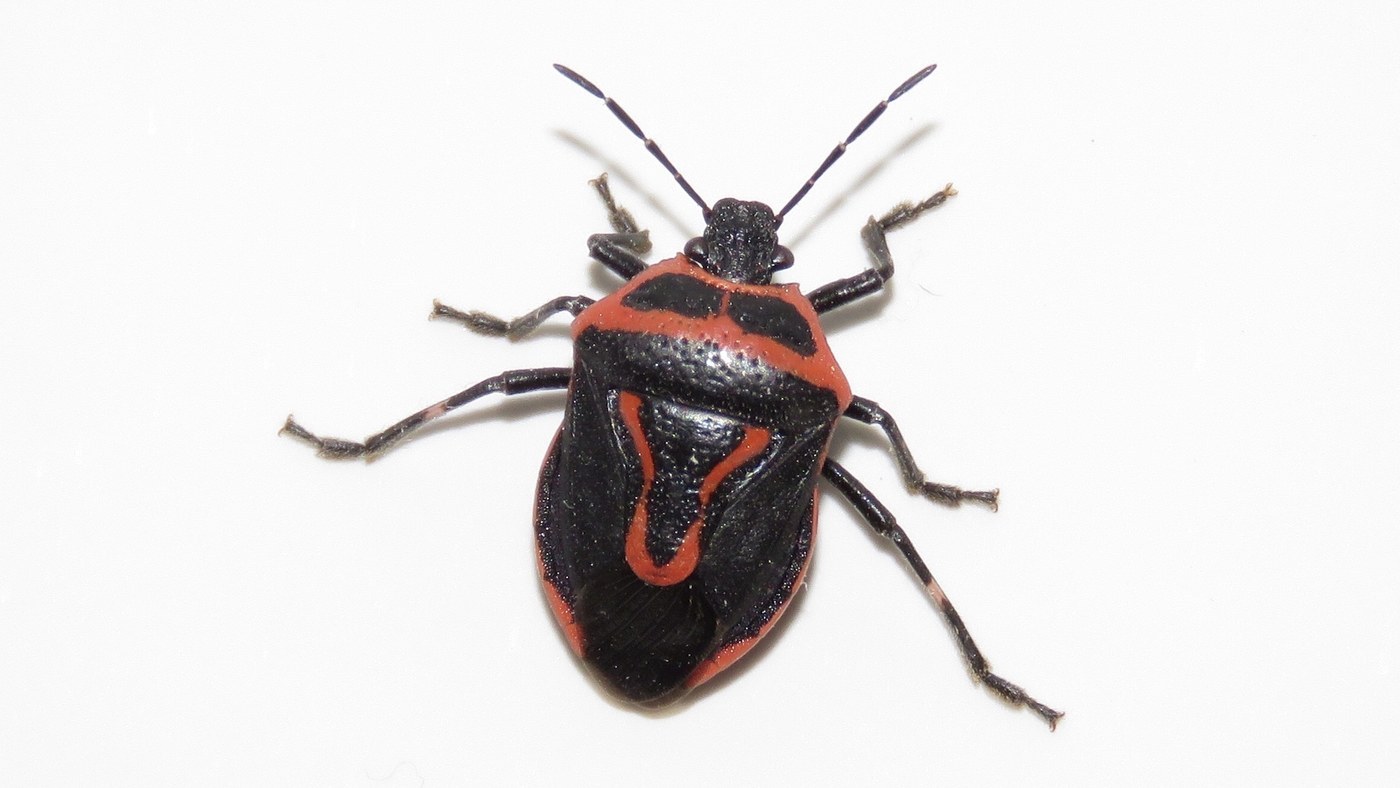
Two-Spotted Stink Bug
Gardens and fields with potato and nightshade-family plants
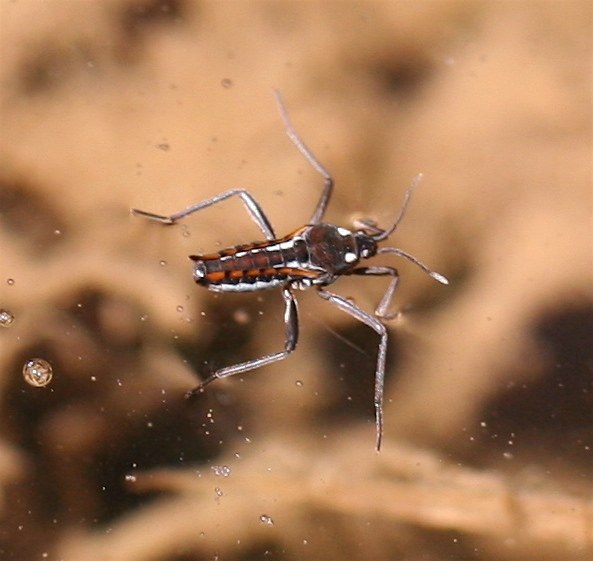
Water Cricket
Fast-flowing streams and stream-fed pond margins