Water Scorpion Identification Guide
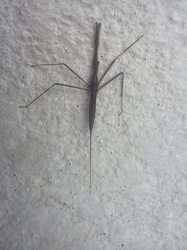
Identify the water scorpion by its elongated, stick-like or leaf-shaped body and long thin breathing tube at the tail end.
Read the full Water Scorpion encyclopedia entry →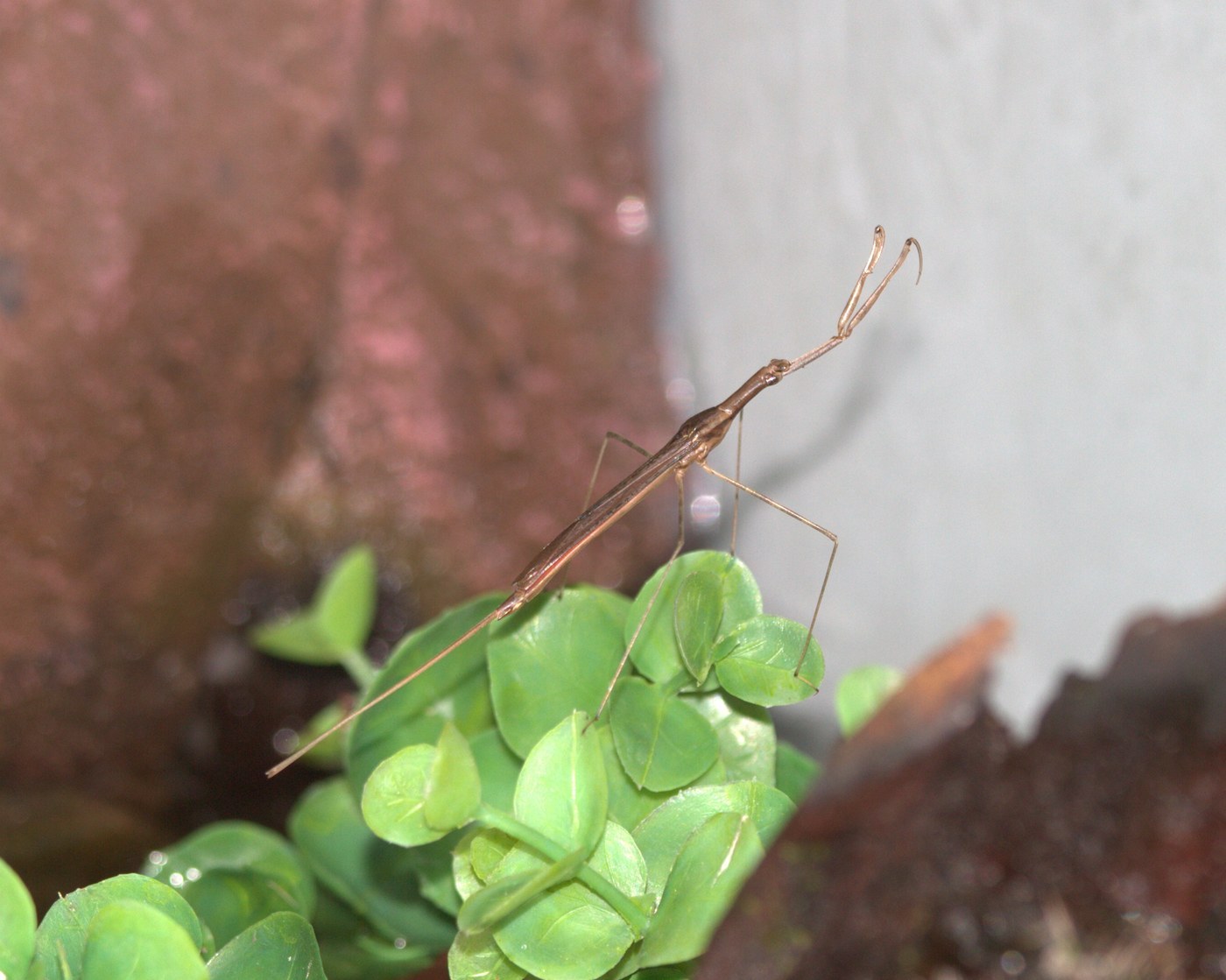
Key Visual Features
Water scorpions (family Nepidae) are elongated aquatic true bugs named for their superficial resemblance to true scorpions, thanks to grasping front legs and a long, thin tail-like structure.
- Size: About 20-45 mm (roughly 3/4 to 1 3/4 inch) long, varying by species, plus an additional tail-like breathing tube that can add significant extra length
- Color: Brown, tan, or grayish-brown, often blending closely with underwater plant debris
- Body shape: Two main forms occur, either a long, slender, stick-like body or a flatter, broader, leaf-shaped body, depending on the species
- Wings: Forewings are leathery and folded flat over the back, though water scorpions spend most of their time underwater rather than flying
- Legs: Front legs are thickened and modified into grasping, pincer-like structures used to hold prey, while the remaining legs are slender and used for clinging to underwater vegetation
- Antennae: Short and often inconspicuous, tucked close to the head
- Markings: The most distinctive feature is a long, thin, paired breathing tube extending from the rear of the abdomen, used to draw air from the surface while the insect remains submerged
Where and When You'd See It
Water scorpions live in still or slow-moving freshwater habitats such as ponds, marshes, and the quiet edges of lakes and slow streams, typically clinging motionless to submerged plants or debris near the surface. They are most often encountered in warm months when they are actively hunting, remaining still for long periods while the breathing tube reaches up to the water's surface for air. Their camouflage and stillness mean they are often overlooked unless a hand net or close inspection of underwater vegetation is used.
Similar-Looking Bugs
- Giant water bugs: Broader, more oval-shaped body without the long breathing tube, and generally more robust overall.
- Stick insects: Share a similarly elongated, twig-like body in the stick-form water scorpions, but stick insects are entirely terrestrial and lack the grasping front legs and tail breathing tube.
- Backswimmers: Swim actively upside-down near the surface rather than clinging motionlessly to submerged vegetation, and lack the long breathing tube.
- Toad bugs: Small, squat, and found on shoreline mud rather than submerged in water, with none of the elongated body or breathing tube features.
Quick ID Checklist
- Elongated, stick-like or flattened leaf-shaped body, 20-45 mm long
- Long, thin paired breathing tube extending from the rear of the abdomen
- Thickened, grasping front legs used to hold onto prey
- Found clinging motionless to submerged plants in still or slow water
- Brown or tan coloring that blends with underwater debris
Frequently asked questions
What is the easiest feature to spot on a water scorpion?
Look for the long, thin breathing tube extending from the rear of the abdomen, which the insect uses to reach the water's surface for air while staying submerged.
Why is it called a water scorpion if it lives in water?
The name comes from its thickened, grasping front legs and long tail-like structure, which together give it a passing resemblance to a true scorpion, even though it is an aquatic true bug.
Where would I find a water scorpion?
They are found clinging motionless to submerged plants or debris in still or slow-moving freshwater habitats such as ponds, marshes, and quiet stream edges.
How big is a water scorpion?
Body length typically ranges from about 20-45 mm depending on the species, with the thin tail-like breathing tube adding further length beyond the body itself.
Water Scorpion identified by the community
Recent Water Scorpion finds identified with Bug Identifier.