
Water Scorpion
Ranatra fusca
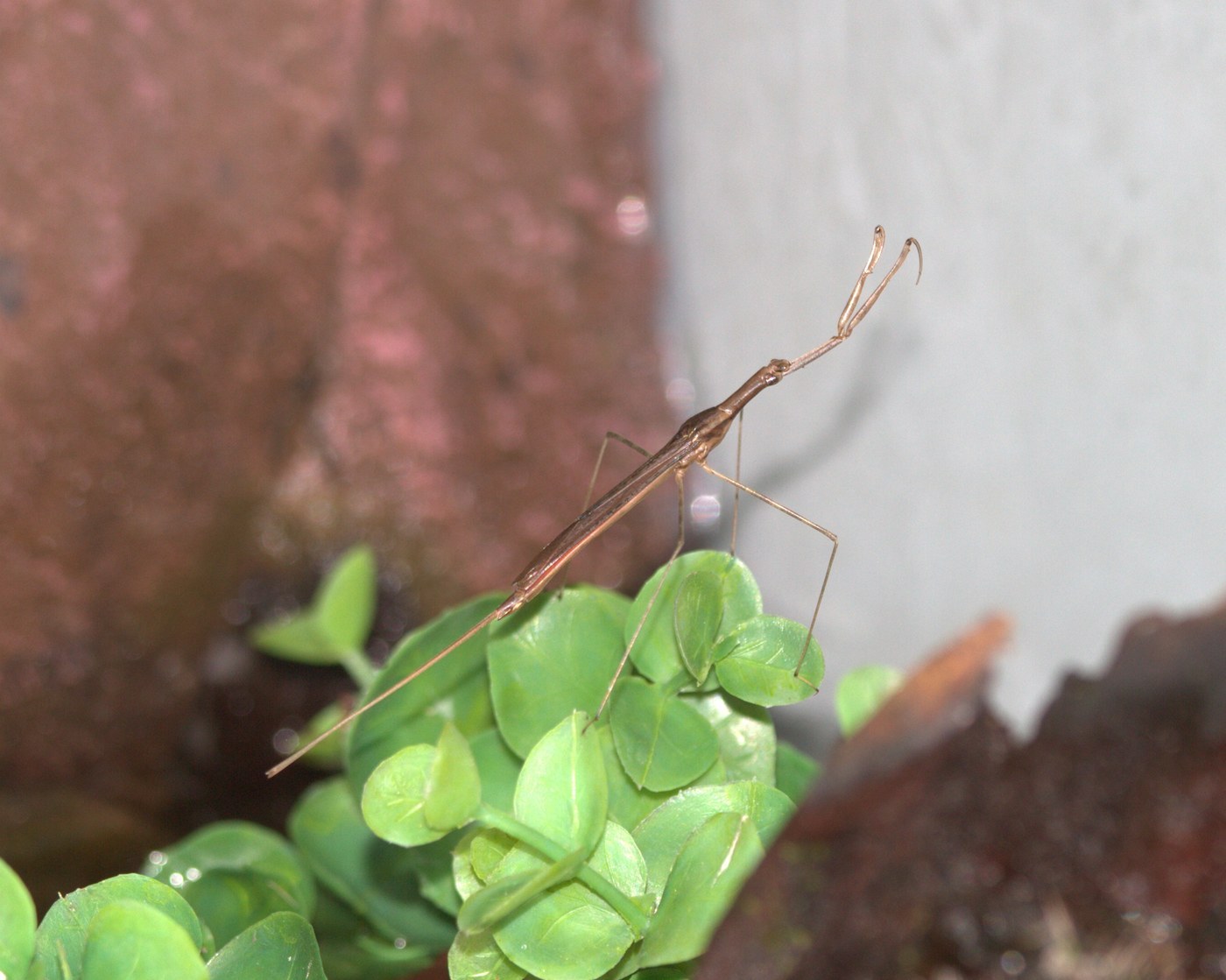
An elongated, twig-like aquatic true bug with grasping raptorial forelegs and a long, thin breathing tube at the tail end, resembling a slender scorpion as it lies in ambush among submerged plants.
- Size
- 20–45 mm including tail
- Habitat
- Still or slow-moving water with submerged vegetation
- Danger
- Bites
Spotted a bug like this?
Identify any bug or insect from a photo, free.
Overview
The water scorpion is a member of the family Nepidae, order Hemiptera, a group of fully aquatic predatory true bugs found in still and slow-moving freshwater habitats worldwide. The genus Ranatra, sometimes called needle bugs for their extremely slender, stick-like bodies, is among the most widely recognized groups within this family, alongside the broader-bodied genus Nepa.
Despite the common name, water scorpions are not related to true scorpions; the name comes from their superficial resemblance, created by a pair of large, raptorial front legs used to seize prey (evoking a scorpion's pincers) and a long, thin, non-stinging breathing tube extending from the rear of the abdomen (evoking a scorpion's tail). This tube functions as a snorkel, allowing the insect to breathe air while remaining submerged near the surface.
As sit-and-wait predators within aquatic food webs, water scorpions play an important ecological role, preying on other aquatic invertebrates and occasionally small vertebrates, and serving in turn as a food source for fish, amphibians, and wading birds.
How to Identify
- Extremely elongated, slender, stick-like or twig-like body (in Ranatra) or a broader, leaf-shaped body (in the related genus Nepa).
- Dull brown to gray-brown coloration that camouflages well among submerged plant stems and debris.
- Large, raptorial front legs folded in a grasping posture, used to capture prey, resembling small pincers.
- A long, thin, paired breathing tube extends from the tip of the abdomen, used like a snorkel to access air at the surface.
- Distinguished from other aquatic bugs by the combination of grasping forelegs and the long tail-like breathing tube; the narrow-bodied Ranatra species are often mistaken for floating twigs.
Habitat & Range
Found across North America, Europe, Asia, and other temperate and tropical regions, in still or slow-moving freshwater habitats such as ponds, marshes, lake margins, and slow streams with abundant submerged or emergent vegetation.
Active from spring through fall in temperate climates, water scorpions typically remain motionless near the water's surface among plant stems, extending their breathing tube upward to access air while lying in wait for prey.
Behavior & Diet
Water scorpions are ambush predators, remaining still and camouflaged among submerged vegetation until prey such as small aquatic insects, crustaceans, or occasionally small fish or tadpoles comes within reach of their raptorial forelegs. They move slowly and deliberately, relying on stealth rather than pursuit.
They breathe atmospheric air through their long abdominal breathing tube while remaining submerged, periodically extending the tip to the surface. As predatory true bugs, they can pierce prey with their piercing mouthparts and may do so if handled. Ecologically, they are significant predators within still-water invertebrate communities and are themselves preyed upon by fish, amphibians, and birds.
Life Cycle
Females insert eggs into plant tissue or soft submerged substrate, often equipped with thread-like filaments that aid in gas exchange. Nymphs hatch and undergo incomplete metamorphosis through several instars underwater, resembling smaller, wingless versions of the adult and sharing the same ambush predatory habits.
One generation is typically produced per year in temperate climates. Adults overwinter in mud, debris, or other sheltered locations near their aquatic habitat, becoming active again as water temperatures rise in spring.
Frequently asked questions
Is the water scorpion related to true scorpions?
No, it is a true bug (Hemiptera) unrelated to scorpions; the name comes only from its scorpion-like grasping front legs and long tail-like breathing tube.
How does it breathe underwater?
It uses a long, thin tube at the tip of its abdomen like a snorkel to draw air from the surface while its body remains submerged.
What does it eat?
It preys on small aquatic invertebrates and occasionally small fish or tadpoles, ambushing them with its raptorial front legs.
Can it fly?
Yes, most water scorpions possess wings and are capable of flight, particularly when dispersing to new water bodies.
Water Scorpion guides
In-depth guides for identifying, understanding, and living alongside Water Scorpion.
Water Scorpion identified by the community
Real finds identified with Bug Identifier.
Other bugs you may enjoy
Water Strider
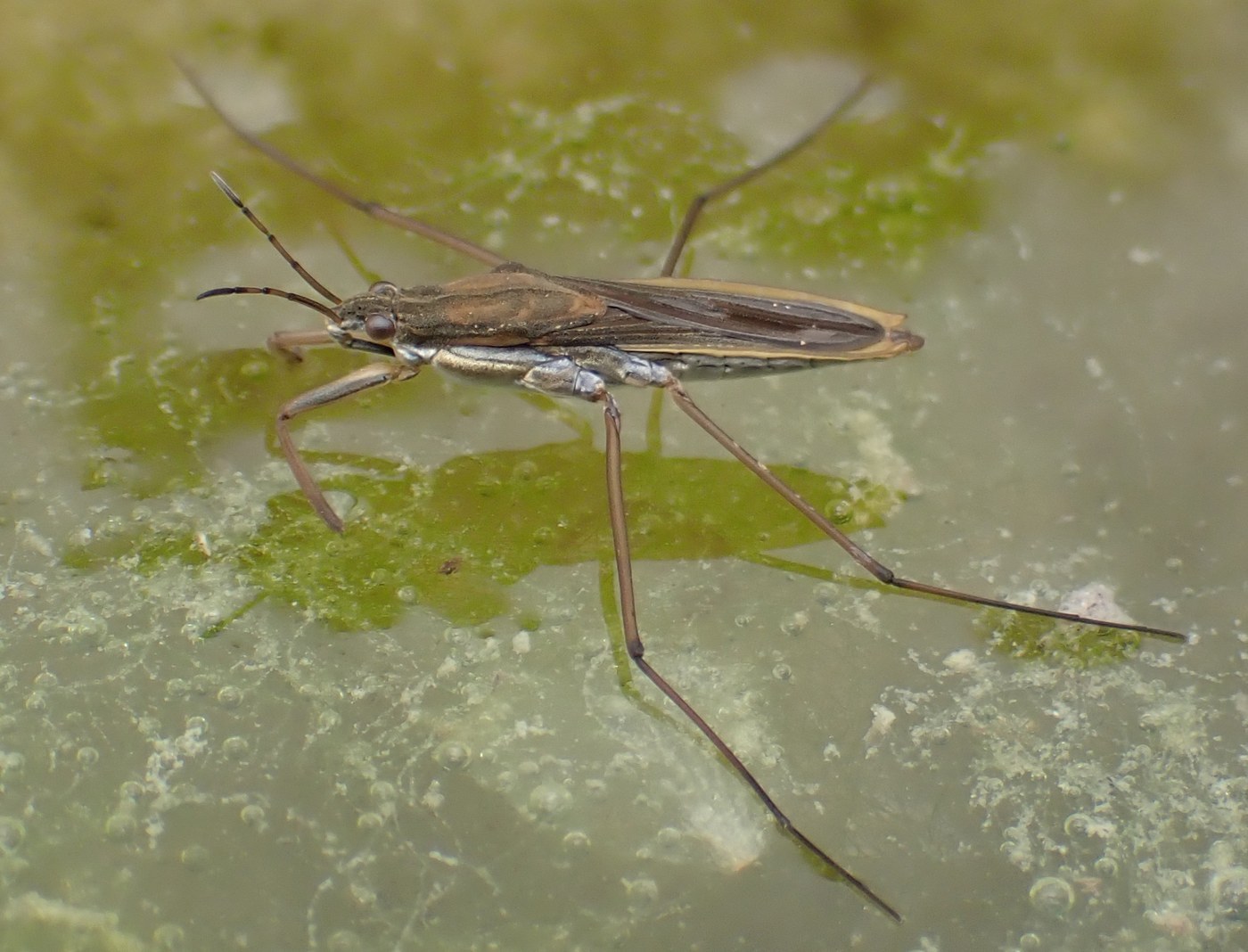
Still or slow-moving fresh water: ponds, lake edges, slow streams, puddles
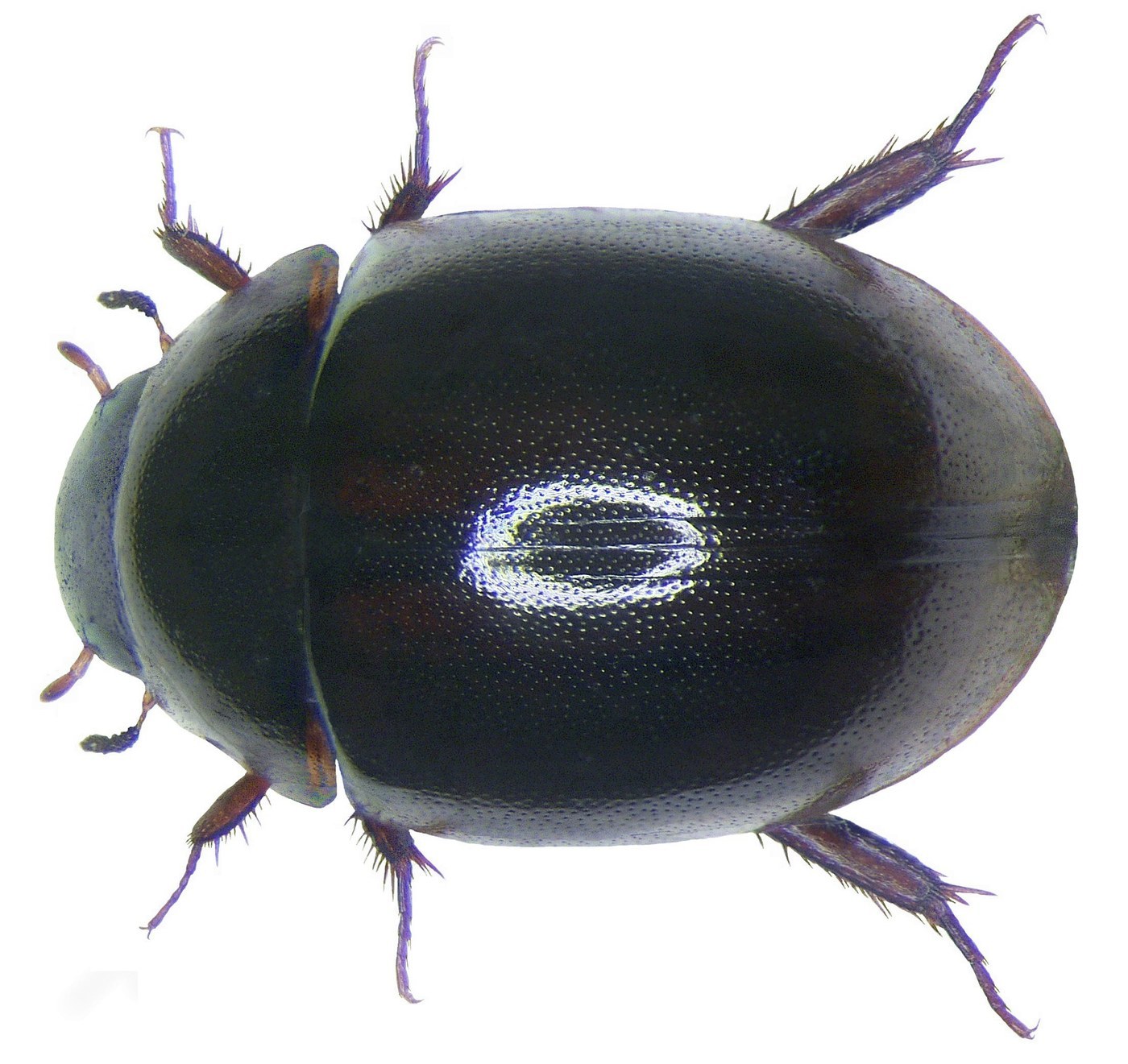
Water Beetle
Ponds, slow streams, marshes, still fresh water
Water Penny Beetle
Fast, rocky, well-oxygenated streams
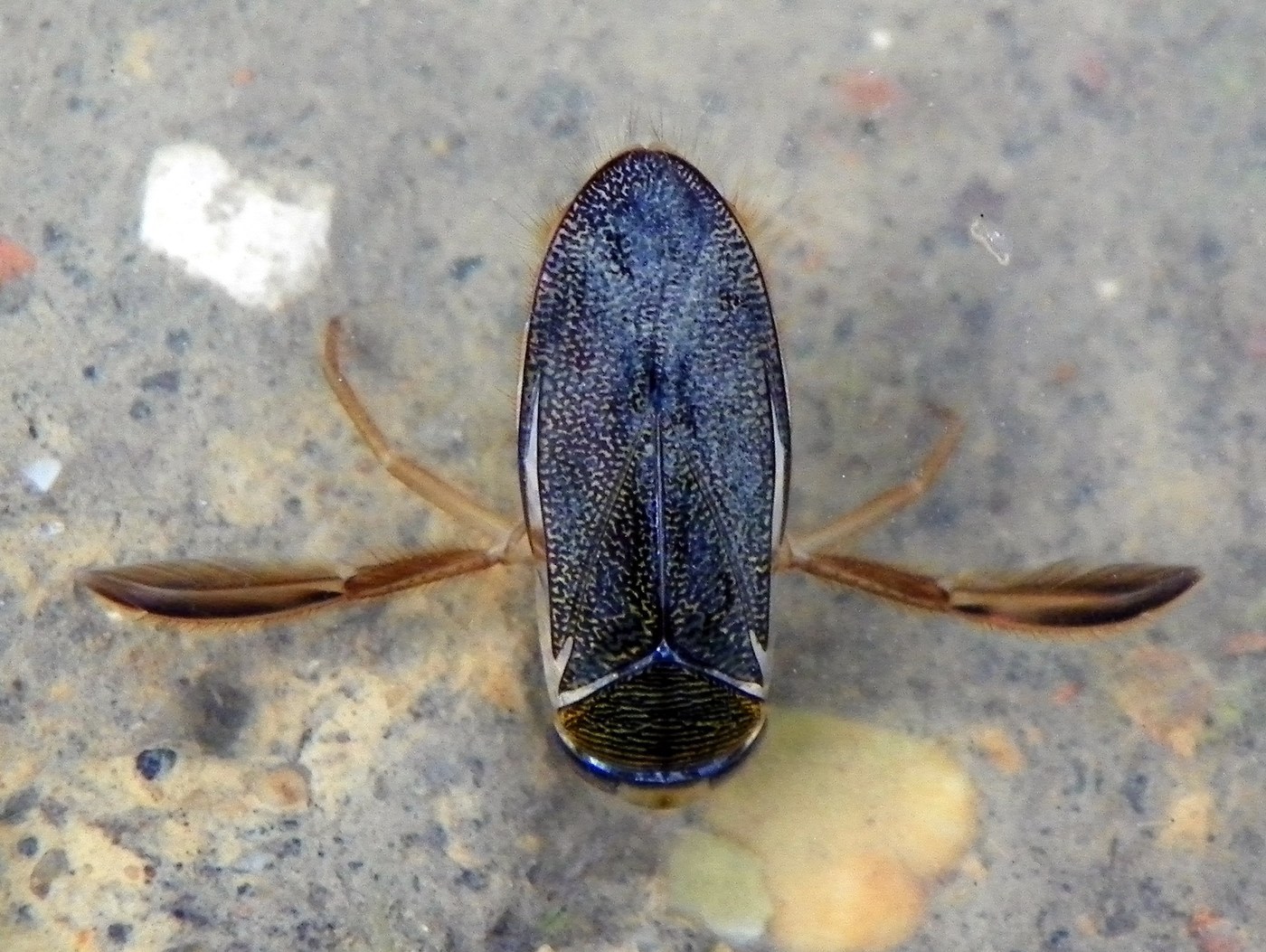
Water Boatman
Ponds, lakes, slow streams, freshwater with vegetation
Stonefly
Cold, clean, well-oxygenated streams and rivers
Stonefly Nymph
Cold, fast-flowing, well-oxygenated streams
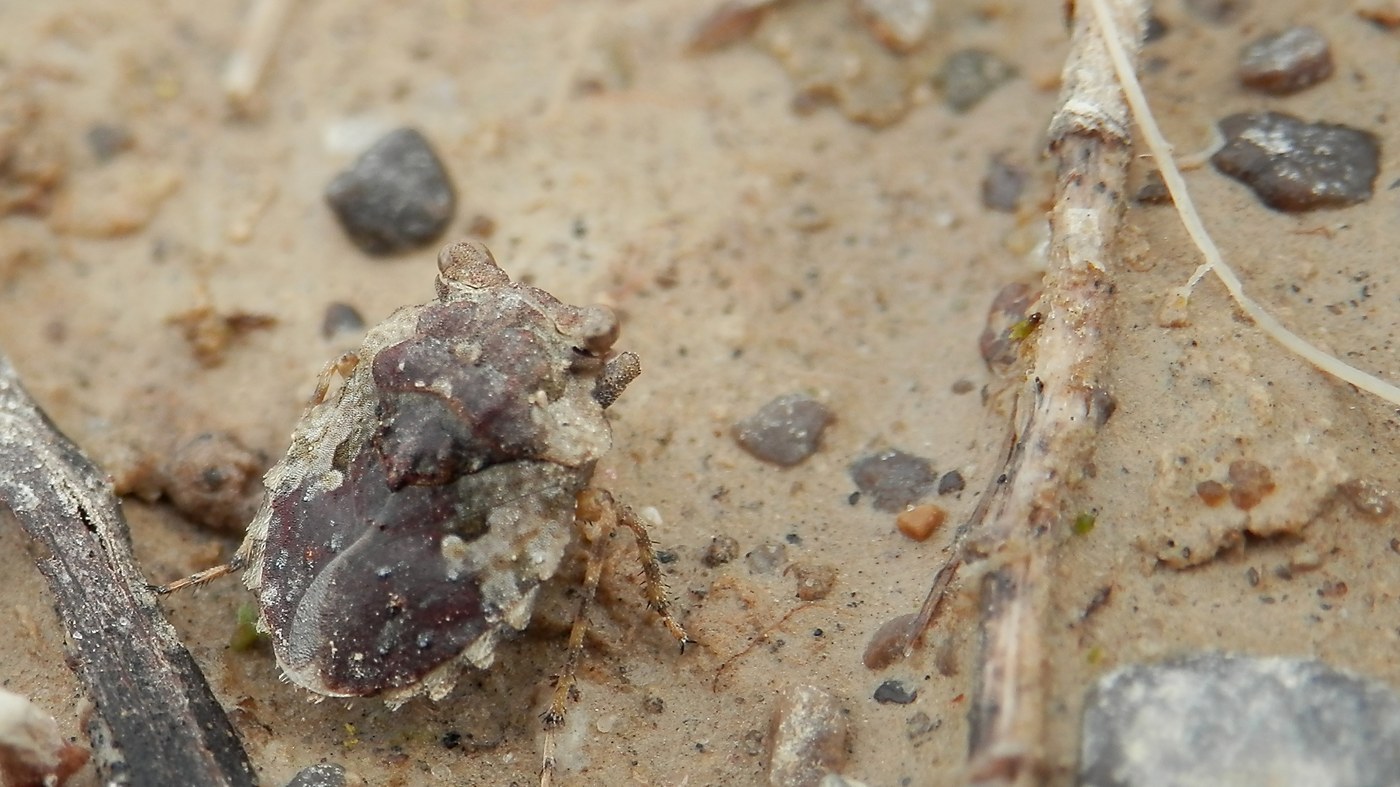
Toad Bug
Muddy or sandy shorelines of ponds, streams, and rivers
Soldier Fly Larva
Ponds, marshes, and slow streams with organic sediment
Mosquito Larva
Standing water in ponds, ditches, containers, and puddles
Whirligig Beetle
Surface of ponds, lakes, and slow streams
Rat-Tailed Maggot
Stagnant, oxygen-poor water such as manure pools, drains, and compost
Predaceous Diving Beetle
Ponds, lakes, and slow-moving freshwater