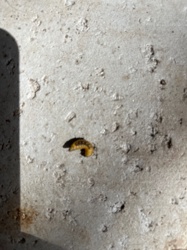
White Grub Identification Guide
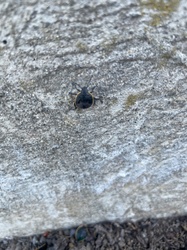
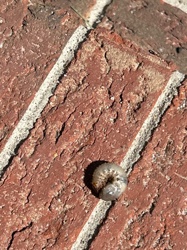
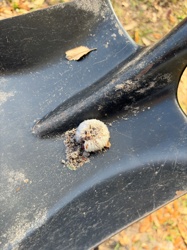
Learn to identify the plump, C-shaped white grub commonly found curled up just beneath soil and turf.
Read the full White Grub encyclopedia entry →Key Visual Features
- Thick, soft, C-shaped body that is creamy white to grayish-white in color
- Distinct brown or orange-tinted head capsule at one end, contrasting with the pale body
- Three pairs of short, well-developed legs clustered near the head end
- Body appears wrinkled or segmented with visible folds, and the rear end often looks darker or more swollen than the rest due to soil and waste visible through the translucent skin
- Grows anywhere from about 0.5 to over 1.5 inches long depending on species and age
- Always found curled into a tight "C" shape when at rest or unearthed
Where and When You'd See Them
- Found just below the surface of soil, especially in lawns, turf, garden beds, and under mulch or compost
- Most often uncovered in spring and fall while digging, tilling, or when patches of grass are pulled up
- Feeds below ground on roots and organic matter, staying hidden from view most of the year
- Can be found deeper in soil during summer heat or winter cold, moving closer to the surface during mild, moist conditions
Similar-Looking Bugs
- Cutworms are smooth, dark caterpillars that curl into a C-shape when disturbed but have a segmented, worm-like caterpillar body rather than a grub's thick, legged shape.
- Wireworms are slender, stiff, shiny, and yellowish-brown, lacking the grub's plump curled body and prominent front legs.
- Mealworms are similarly segmented but have a harder, shinier, more uniformly cylindrical body and do not curl into as tight a "C" shape.
- Maggots are legless, tapered, and smooth all over, with no head capsule or legs visible, unlike the grub's clear head and leg structure.
Quick ID Checklist
- Plump, creamy-white body curled into a tight "C" shape
- Distinct brown or orange head capsule at one end
- Three pairs of short legs near the head
- Found just under soil, turf, or mulch, not on the surface
- Most commonly uncovered in spring or fall digging
Frequently asked questions
What is the easiest feature to identify a white grub by?
Its tightly curled C-shaped posture combined with a creamy white body and a distinct brown head capsule makes it easy to distinguish from other soil-dwelling larvae.
How is a white grub different from a cutworm?
A cutworm is a smooth, segmented caterpillar with tiny prolegs along its length and no true head-capsule contrast, while a white grub has three clearly visible pairs of legs near the head and a much plumper, grub-like body.
Where in the soil are white grubs usually found?
They stay just beneath the surface in turf, garden soil, or mulch, generally moving deeper during extreme heat or cold and closer to the surface in mild, moist conditions.
What season are white grubs most commonly discovered?
They are most frequently uncovered in spring and fall when soil or turf is disturbed by digging or raking.
White Grub identified by the community
Recent White Grub finds identified with Bug Identifier.