
White Grub
Phyllophaga spp.
A pale, C-shaped larva with a brown head capsule and six stubby legs, spending its entire early life hidden underground feeding on roots before emerging as a stout May or June beetle.
- Size
- 1-3.5 cm (0.4-1.4 in) long
- Habitat
- Soil beneath lawns, pastures, and gardens
- Danger
- Nuisance pest
Spotted a bug like this?
Identify any bug or insect from a photo, free.
Overview
White grubs are the soil-dwelling larvae of scarab beetles, most commonly species in the genus Phyllophaga, known as May beetles or June bugs, though the term is also applied loosely to the similar-looking larvae of Japanese beetles, chafers, and other related scarabs. They spend the vast majority of their lifespan underground, curled into a characteristic C-shape as they feed on the roots of grasses and other plants.
Though largely unseen, white grubs are ecologically significant soil organisms, contributing to soil aeration and nutrient cycling as they burrow and feed. In lawns and turf, dense populations of white grubs are sometimes noted as a garden or lawn pest because root feeding can affect the vigor of grass, but the grubs themselves are a normal part of the below-ground food web and an important food source for moles, skunks, birds, and other grub-eating wildlife.
How to Identify
- Soft, pale white to grayish body curled into a distinctive C-shape
- Brown to reddish-brown hardened head capsule
- Three pairs of short, well-developed legs near the front of the body
- Body appears wrinkled and segmented, tapering slightly toward the rear
- No wings or eyes visible, consistent with a subterranean larval stage
- Distinguished from other soil grubs by the raster pattern (arrangement of hairs and spines) on the underside of the last abdominal segment, used by specialists to identify species
Habitat & Range
Found in soil beneath lawns, pastures, golf courses, and gardens across much of North America, wherever grass and turf roots provide a food source. White grubs live several centimeters below the surface, moving deeper in winter to escape freezing temperatures and closer to the surface in the root zone during the warmer growing season.
Behavior & Diet
White grubs feed primarily on the roots of grasses and other plants, chewing through root systems as they move through the soil, which is the basis for their occasional status as a lawn and turf pest. They spend almost their entire larval life underground, rarely if ever surfacing, and adjust their depth in the soil profile seasonally in response to temperature. As soil organisms, their tunneling contributes to aeration and organic matter turnover, and they represent an important food resource for a range of predators, including skunks, moles, raccoons, and ground-foraging birds.
Life Cycle
Adult beetles lay eggs in the soil in late spring or early summer, and the eggs hatch into first-instar grubs that feed on fine roots and organic matter near the surface. Grubs pass through three instars over one to three years depending on species and region, growing progressively larger and moving deeper into the soil to overwinter each year before completing development. In their final season, mature grubs form a pupal cell in the soil, transforming into adult beetles that emerge from the ground, typically in late spring, to mate and begin the cycle again.
Frequently asked questions
What adult insect does a white grub turn into?
White grubs develop into scarab beetles, most commonly May beetles or June bugs in the genus Phyllophaga.
How long do white grubs live underground?
Depending on the species, the larval stage can last from about one to three years before the grub pupates into an adult beetle.
What do white grubs eat?
They feed on the roots of grasses and other plants while living in the soil beneath lawns, pastures, and gardens.
How can I tell a white grub from other soil larvae?
Look for the pale, C-shaped body, brown head capsule, and three pairs of legs near the front, along with the pattern of hairs on the underside of the rear segment used for precise identification.
White Grub guides
In-depth guides for identifying, understanding, and living alongside White Grub.
White Grub identified by the community
Real finds identified with Bug Identifier.
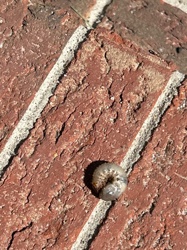
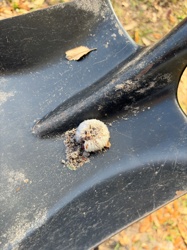

Other bugs you may enjoy
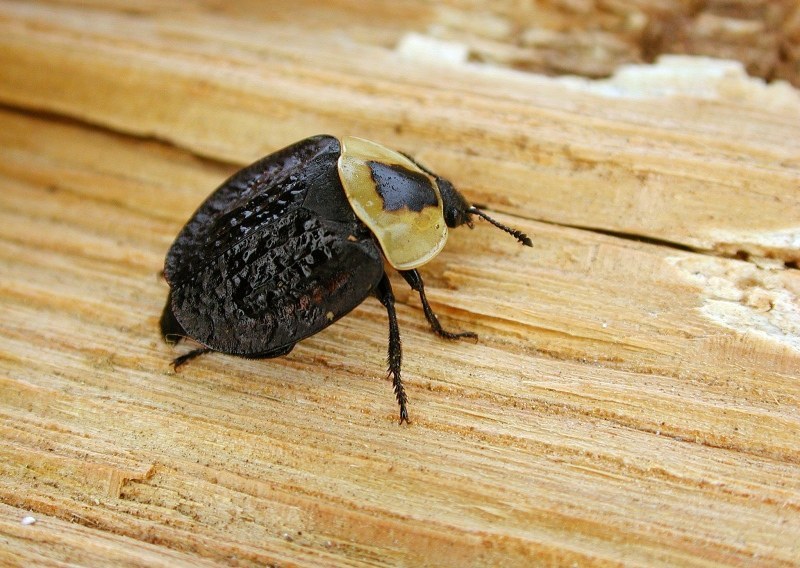
American Carrion Beetle
Forests, fields, and roadsides across North America, near decaying animal carcasses
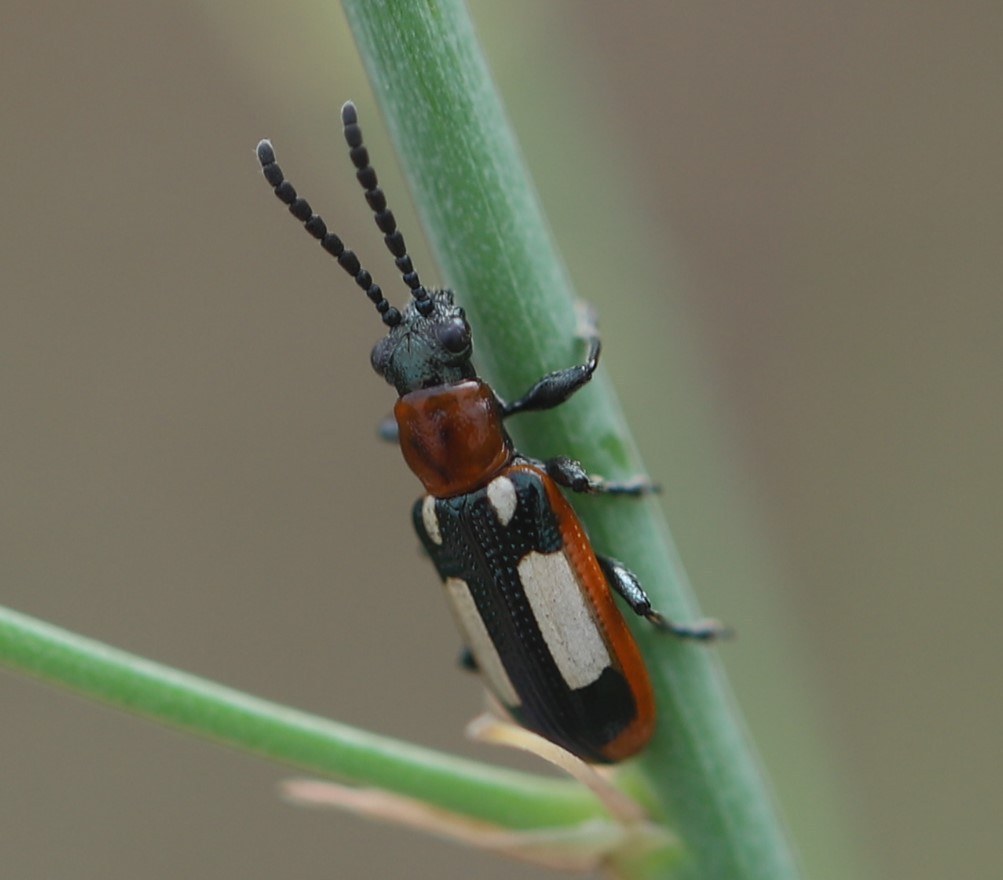
Asparagus Beetle
Asparagus patches, gardens, and farm fields
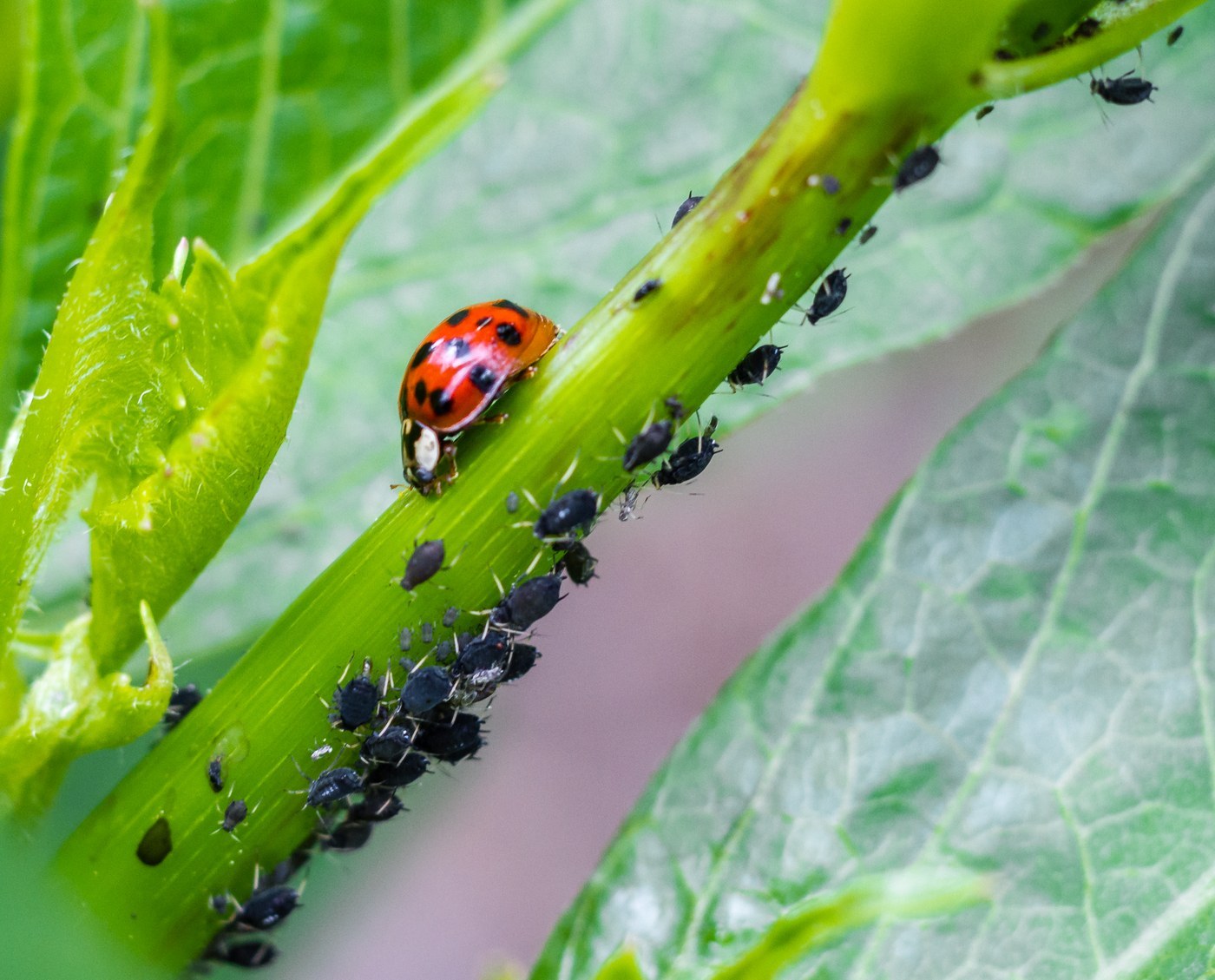
Asian Lady Beetle
Gardens, crop fields, woodlands, buildings
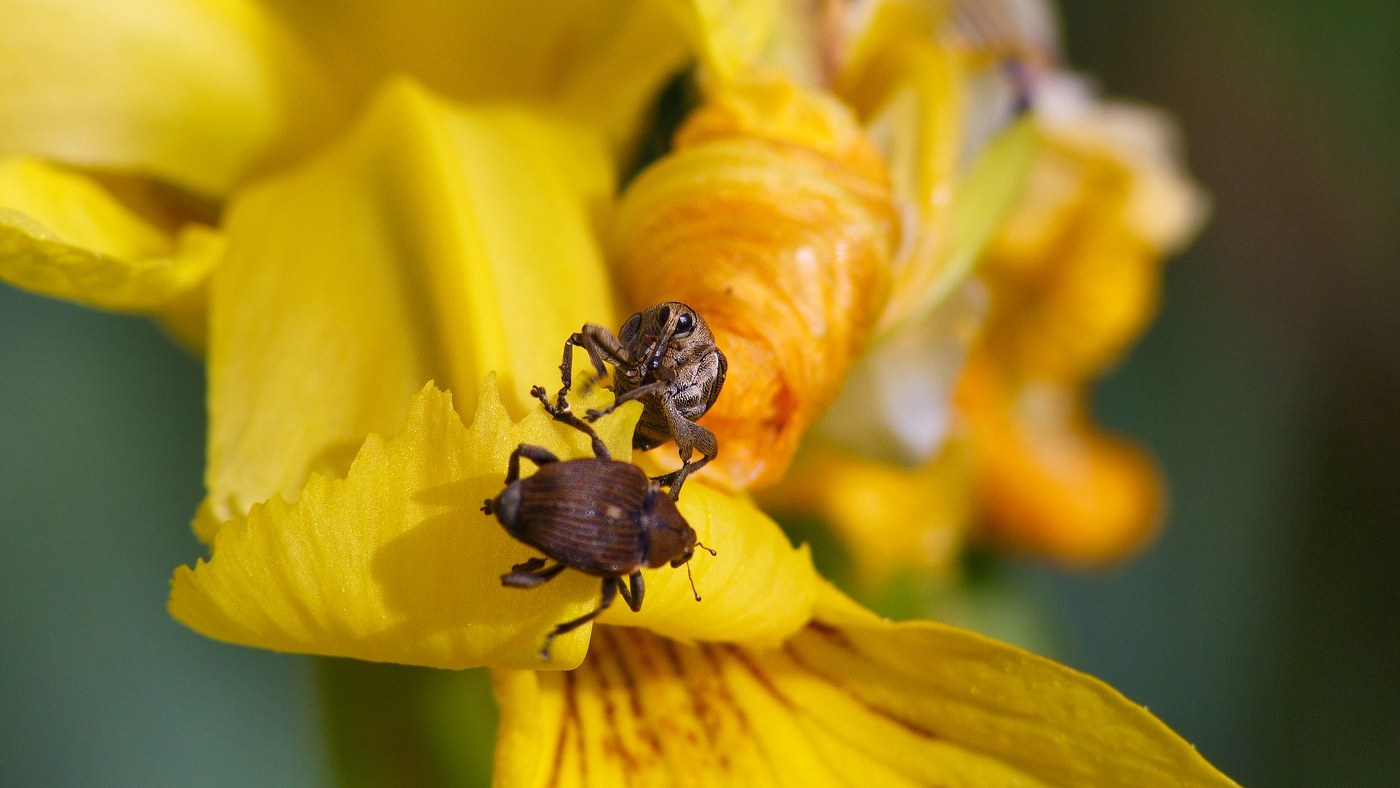
Acorn Weevil
Oak woodlands and forests, on and beneath oak trees
Wireworm
Soil of grasslands, gardens, and cultivated fields worldwide
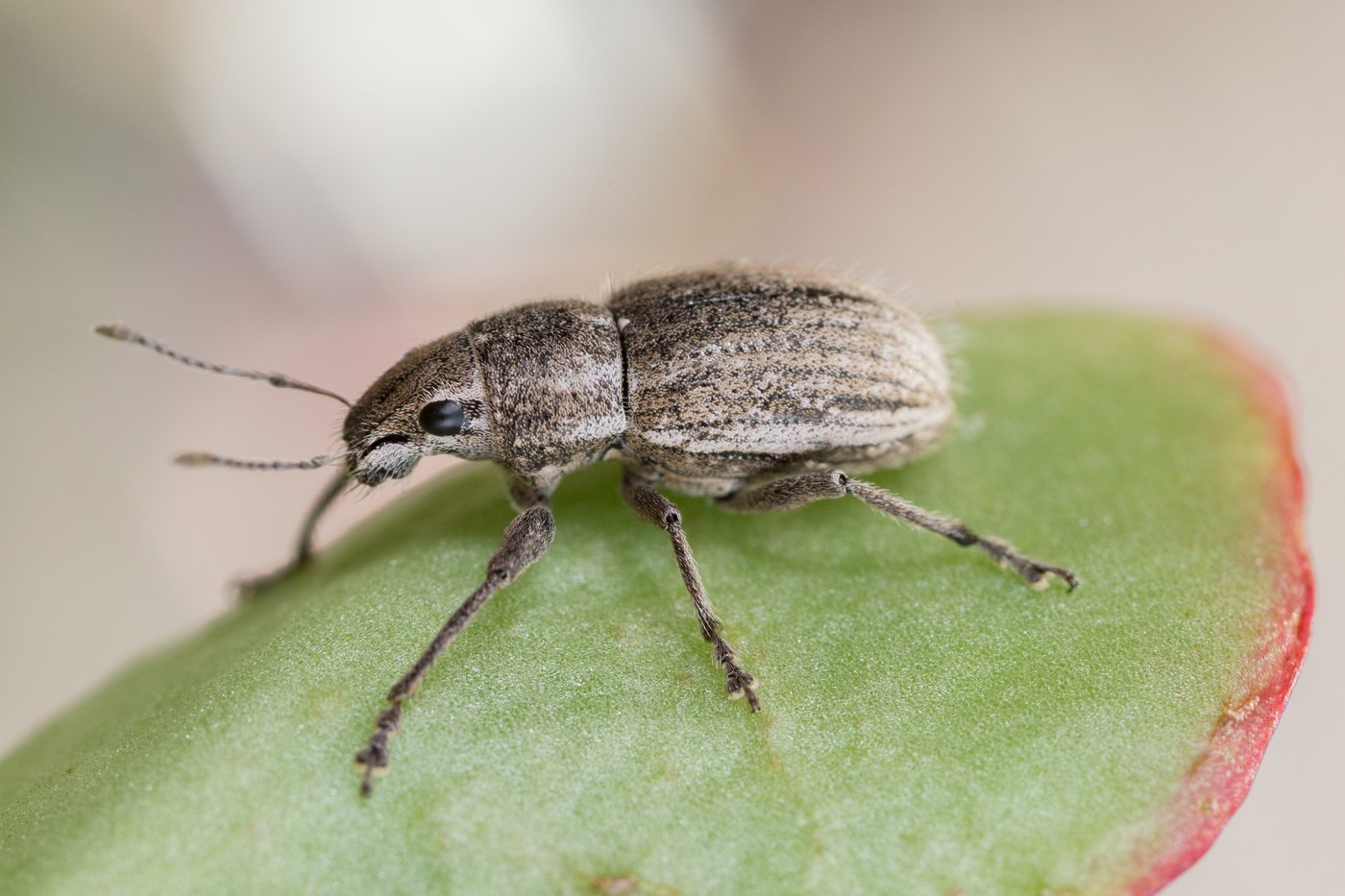
Whitefringed Beetle
Pastures, row crops, lawns, disturbed soils
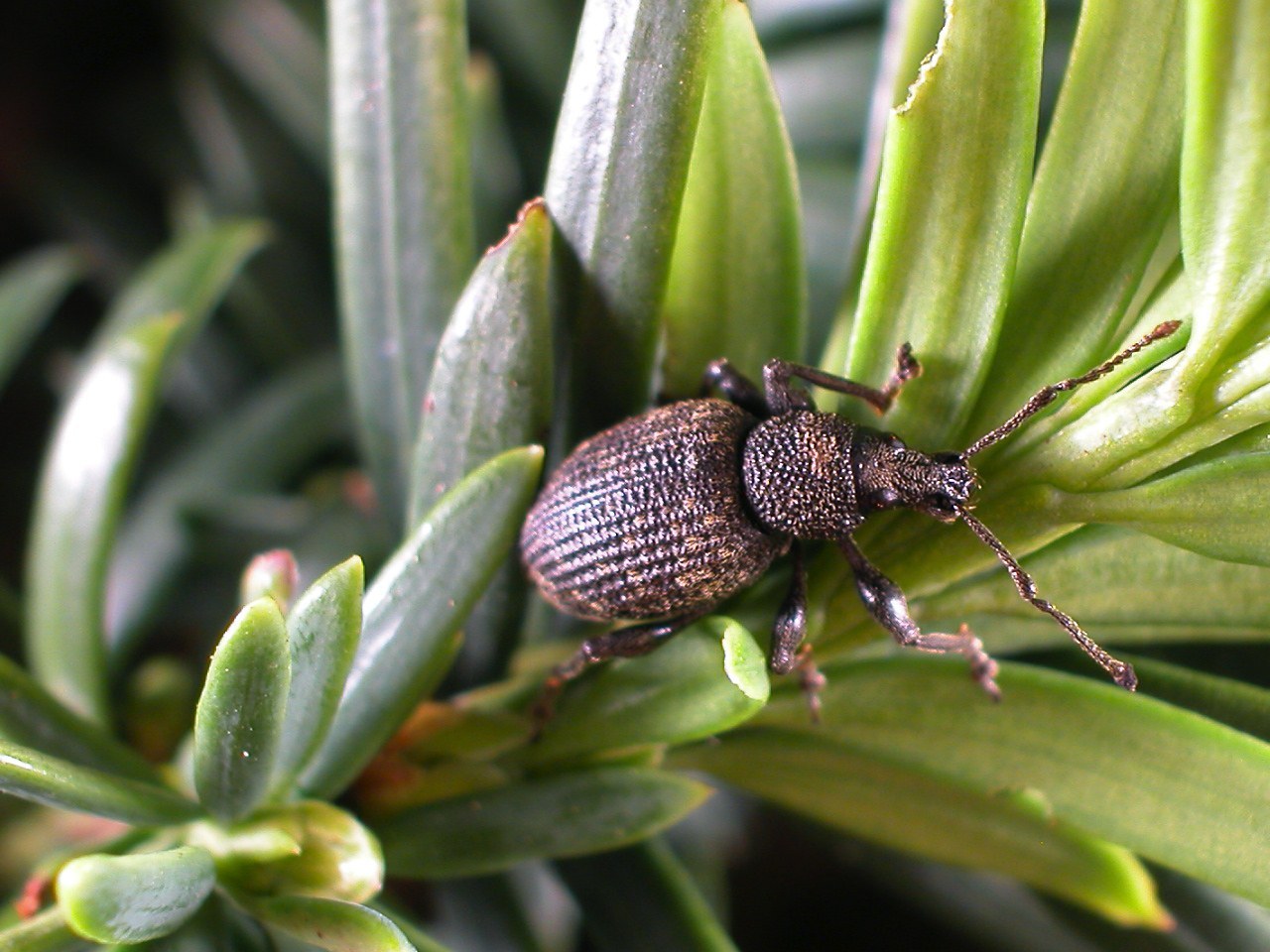
Vine Weevil
Gardens, nurseries, greenhouses, and container plantings
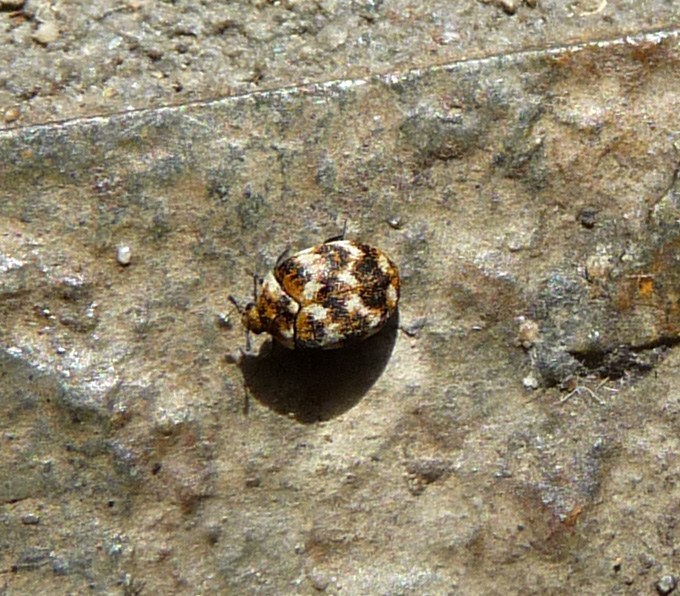
Varied Carpet Beetle
Homes, nests of birds and mammals, and flowers outdoors
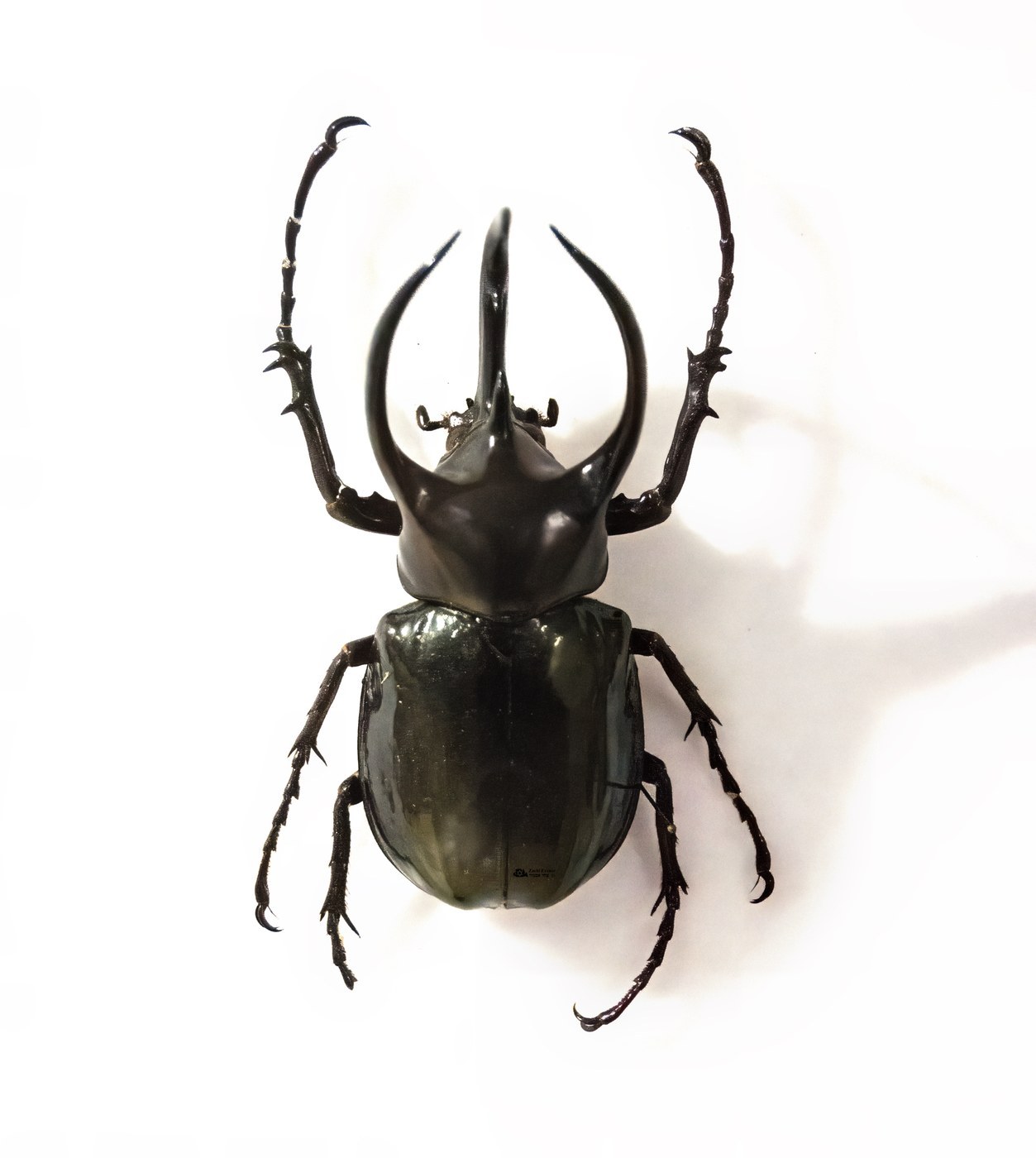
Atlas Beetle
Tropical forests of Southeast Asia
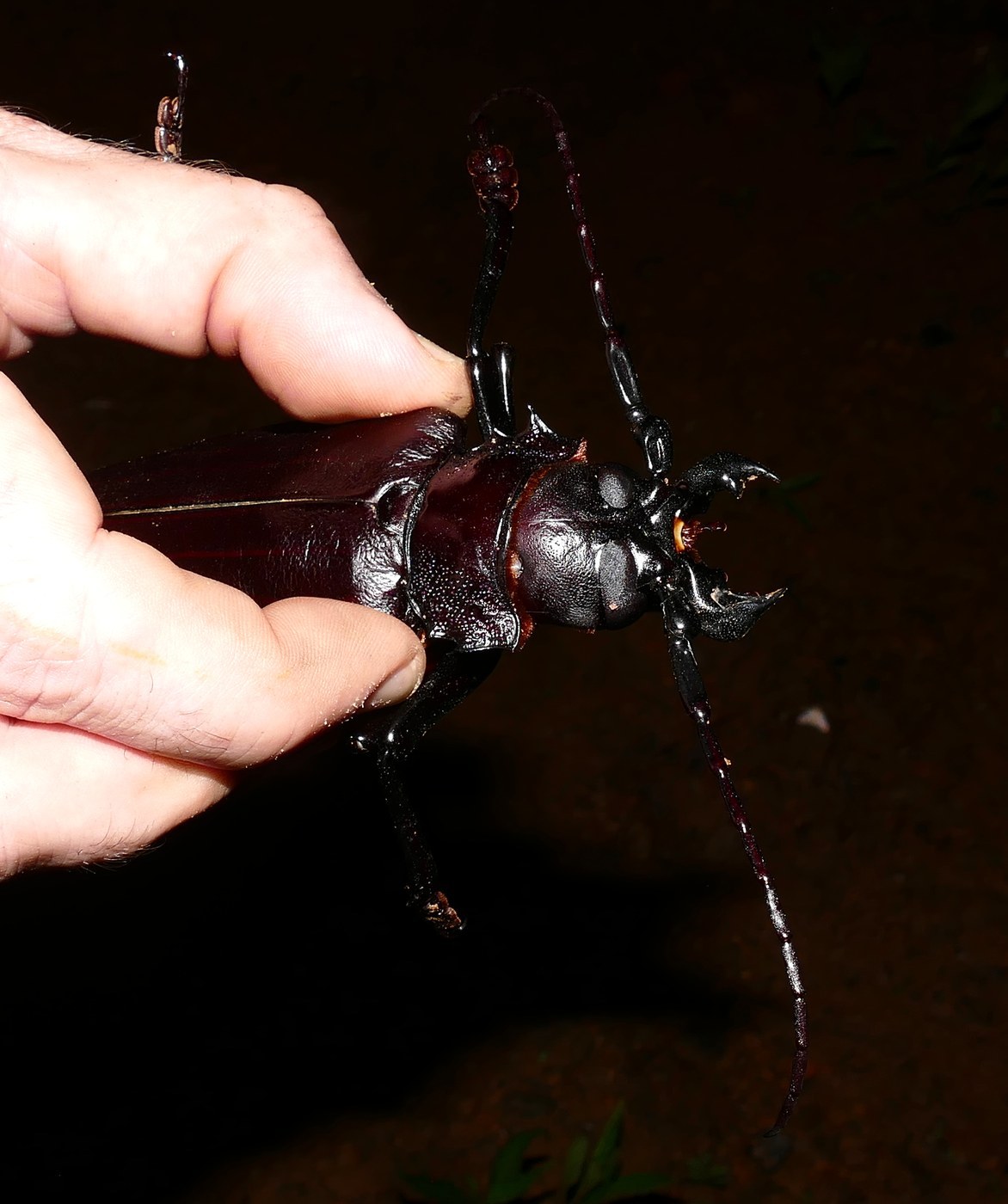
Titan Beetle
Amazon rainforest of South America
Ten-lined June Beetle
Sandy soils, pine forests, and orchards of western North America
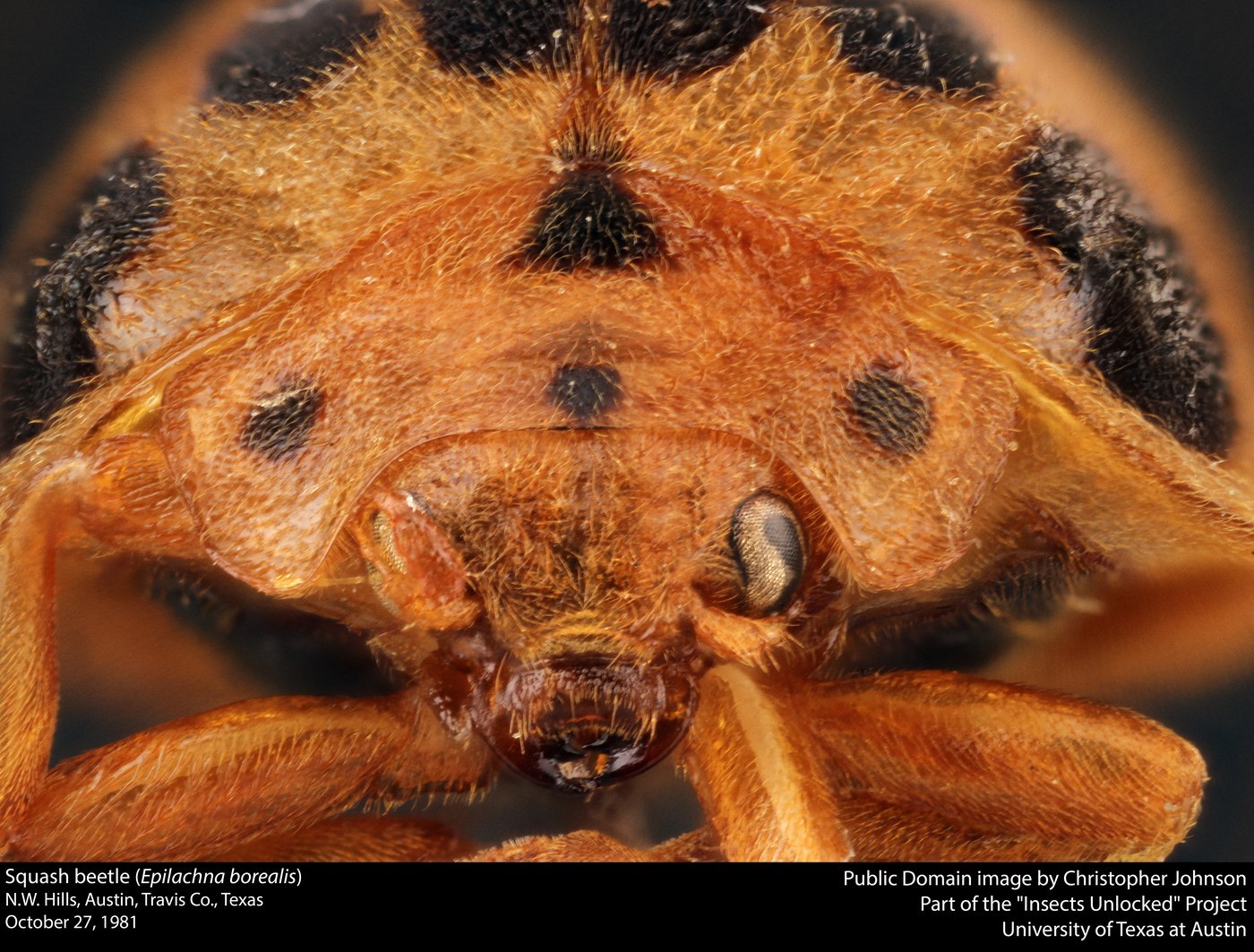
Squash Beetle
Vegetable gardens and fields growing squash, pumpkin, and other cucurbits