Woolly Aphid Identification Guide
Learn to recognize woolly aphids by the cottony white wax that coats their clustered colonies on twigs and bark.
Read the full Woolly Aphid encyclopedia entry →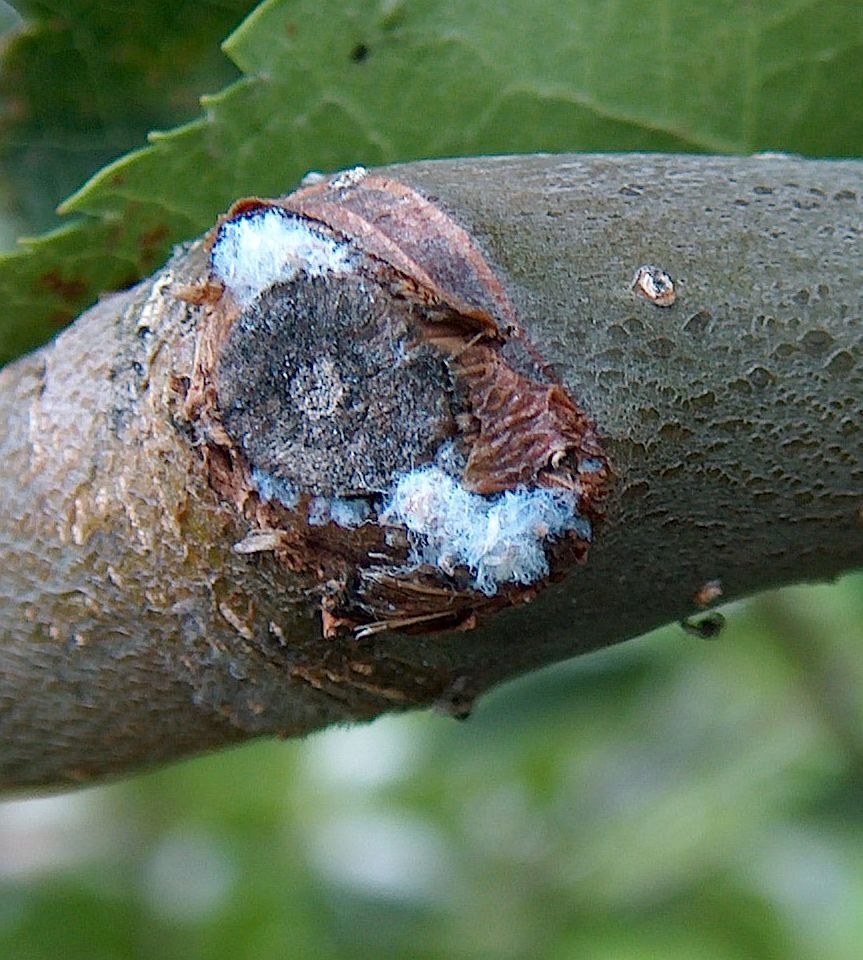
Key Features
- Small, soft-bodied insect, typically only 1-2.5mm long individually, but almost always seen in dense clusters
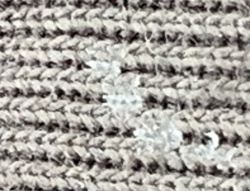
- Body is covered in long, white to bluish-white waxy filaments that give the colony a cottony or "woolly" appearance
- Underneath the wax, the body itself is usually dark blue-gray, purplish, or blackish
- Clusters often look like patches of white fuzz or mildew on stems and branches before you look closely enough to see individual insects moving
- Winged forms, when present, have smoky-tinted wings and a less waxy covering than wingless nymphs
- When disturbed, the waxy coating can rub off, revealing the soft body underneath
Where and When to Look
- Found clustered on twigs, branches, trunks, and sometimes leaf undersides of host trees such as apple, elm, alder, and hawthorn, depending on the species
- Most noticeable from late spring through fall, when colonies build up on new growth and bark crevices
- Often found near pruning wounds, cracks, or areas of tender new growth
- Colonies can also appear on roots of some host plants, hidden below the soil line
Similar-Looking Bugs
- Mealybugs also have a white, waxy covering but tend to have a more segmented, mealy appearance rather than long cottony filaments, and are usually found on softer garden and houseplants
- Cottony cushion scale produces a similar white fluffy mass, but the wax forms a single large, fluted egg sac attached to an otherwise stationary insect rather than covering many small, mobile aphids
- Wax-covered whitefly nymphs are much smaller and flatter, without the long filamentous wax strands
Quick ID Checklist
- Dense clusters of tiny insects covered in white cottony wax
- Dark body visible when wax is rubbed away
- Found on twigs, bark crevices, and new growth of host trees
- Cottony patches that move or scatter when touched (unlike mold)
- Present spring through fall on branches and stems
Frequently asked questions
How can I tell woolly aphids from mold or mildew on a branch?
Look closely or touch the patch gently - woolly aphids will move or the insects underneath the wax will become visible, while mold or mildew stays fixed and doesn't scatter.
What color are woolly aphids under all that wax?
The body is typically dark blue-gray, purplish, or blackish once the waxy filaments are removed.
Do woolly aphids have wings?
Some individuals in a colony develop wings for dispersal, while most remain wingless nymphs and adults within the cluster.
Where on a tree are woolly aphids most likely to cluster?
Along twigs, bark crevices, pruning wounds, and areas of tender new growth.
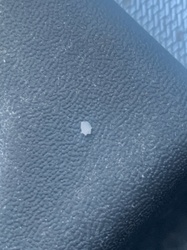
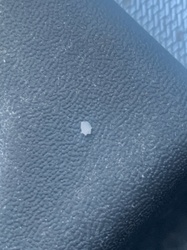
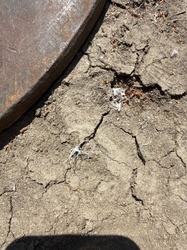
Woolly Aphid identified by the community
Recent Woolly Aphid finds identified with Bug Identifier.