
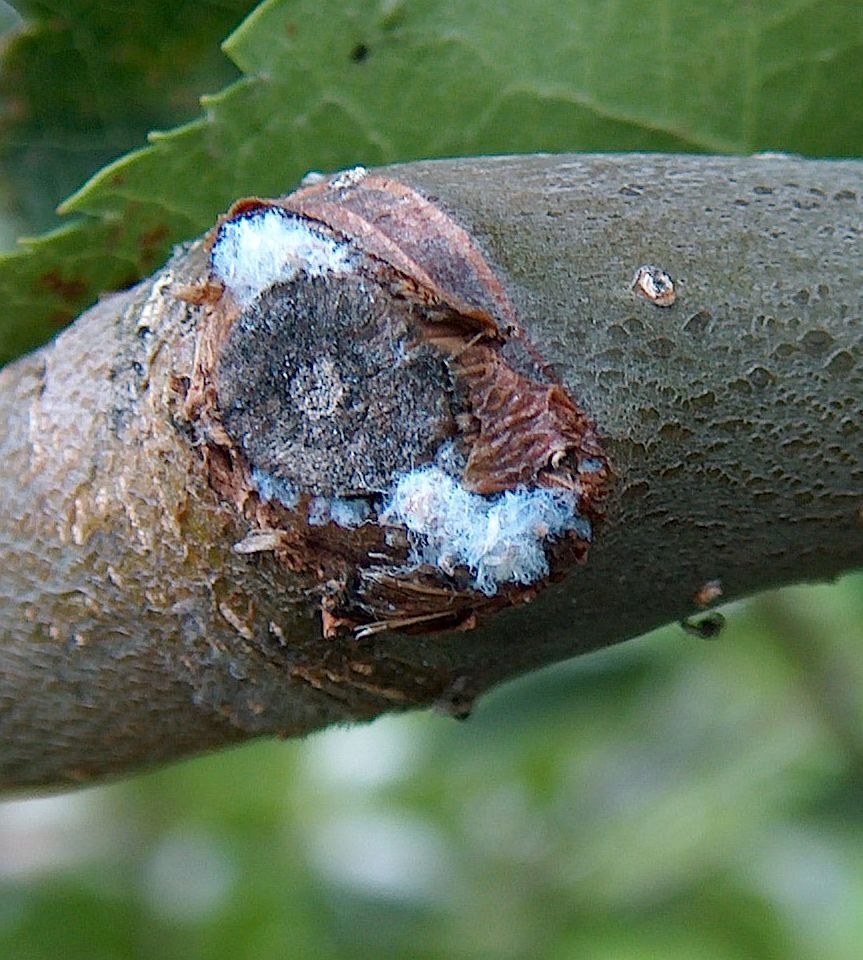
Woolly Aphid
Eriosoma lanigerum
A tiny, soft-bodied aphid that hides beneath a dense coat of white, cottony wax filaments, often appearing as fuzzy white patches clustered on bark or twigs rather than as recognizable insects.
- Size
- 1.5–3 mm
- Habitat
- Bark crevices, root collars, and twigs of apple, elm, and alder trees
- Danger
- Harmless
Spotted a bug like this?
Identify any bug or insect from a photo, free.
Overview
The woolly aphid is a small sap-feeding true bug in the aphid family Aphididae, notable for secreting long, waxy filaments from glands on its body that give colonies a distinctive fluffy, cotton-like appearance. This waxy coating conceals the tiny insects beneath and serves as both camouflage and a physical defense against predators.
Woolly aphids typically feed on the bark, twigs, and roots of host trees such as apple, elm, alder, and hawthorn, forming dense colonies that can be mistaken at a glance for mold, fungus, or spider silk rather than insects. Their honeydew secretions and colony growth can lead to sooty mold development on affected bark.
This species and its relatives are ecologically notable for their complex life cycles, which in some regions alternate between different host plant species across generations, a trait shared with many other aphids.
How to Identify
- Individual aphids are tiny, only about 1.5–3 mm long, soft-bodied, and typically dark bluish-gray or purplish beneath their waxy covering.
- The defining feature is the dense coat of white, cottony or woolly wax filaments that colonies secrete, making infested bark or twigs appear covered in fuzzy white tufts.
- Colonies often form dense clusters on bark cracks, pruning wounds, twig crotches, or root collars rather than being scattered individually.
- Winged forms, produced periodically, have a dark body with waxy tufts and clear wings, while most colony members are wingless.
- Distinguished from true fungal growth by touch and disturbance; the waxy fluff crushes to reveal small, soft-bodied insects and often a sticky honeydew residue.
Habitat & Range
Woolly aphids are found wherever suitable host trees grow, including apple, crabapple, elm, alder, hawthorn, and mountain ash, across temperate regions of North America, Europe, and other areas where these hosts occur.
Colonies favor sheltered microhabitats such as bark crevices, pruning wounds, twig crotches, and the root collar area near the soil line, where they are protected from weather and some predators. Populations tend to build through the growing season, often becoming most visible in mid to late summer.
Behavior & Diet
Woolly aphids feed by inserting piercing mouthparts into bark, twig, or root tissue to draw out plant sap, often forming dense, stationary colonies that remain in one location for extended periods. The waxy filaments they produce help shield the colony from small predators and reduce water loss.
Like other aphids, they excrete sugary honeydew as a byproduct of sap feeding, which can attract ants that tend the colonies for the honeydew while offering some protection from natural enemies such as lady beetles and lacewing larvae. Woolly aphids form an important link in the food web, supporting various predatory and parasitic insects that specialize in feeding on aphid colonies.
Life Cycle
Woolly aphids have a complex life cycle typical of many aphid species, involving parthenogenetic (asexual) reproduction through much of the growing season alongside a sexual generation in some populations. Development is by incomplete metamorphosis, with nymphs resembling smaller versions of the wingless adults.
Colonies can produce numerous overlapping generations within a single season, with wingless females giving birth to live young that quickly join or found new colonies. Some populations overwinter as immature aphids on bark or root tissue, while root-feeding forms may persist below ground through colder months, resuming activity and colony growth as temperatures warm in spring.
Frequently asked questions
Is that white fuzz on the tree branch alive?
Yes, the cottony white material is a waxy secretion produced by colonies of woolly aphids, which crushes to reveal small, soft-bodied insects and sticky honeydew when disturbed.
What do woolly aphids feed on?
They feed on plant sap by piercing bark, twigs, or roots of host trees such as apple, elm, and alder with their needle-like mouthparts.
Are woolly aphids the same as spider webs or mold?
No, although the fluffy white coating can resemble webbing or mold at a glance, it is a waxy secretion produced by the aphids themselves and covers actual insects underneath.
Do ants have anything to do with woolly aphids?
Ants are often seen tending woolly aphid colonies because they feed on the sugary honeydew the aphids excrete, sometimes offering the colony some protection in return.
Woolly Aphid guides
In-depth guides for identifying, understanding, and living alongside Woolly Aphid.
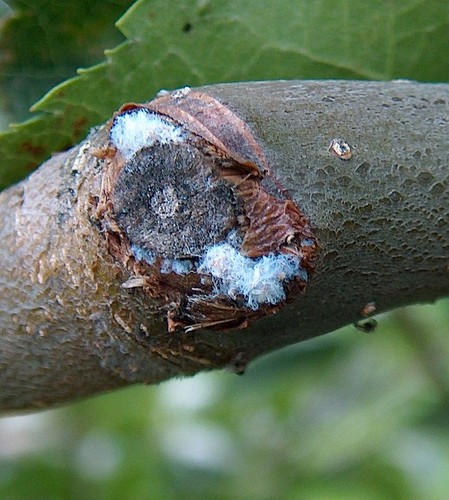
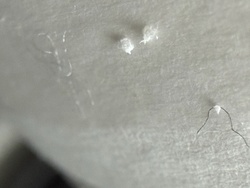
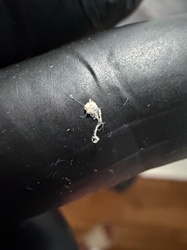
Woolly Aphid identified by the community
Real finds identified with Bug Identifier.
Other bugs you may enjoy
Bagrada Bug
Arid gardens, crucifer fields, desert-adjacent croplands
Assassin Bug
Gardens, meadows, and vegetation worldwide
Water Boatman Bug
Ponds, lakes, and slow-moving freshwater
Water Stick Insect
Still and slow-moving water with dense submerged vegetation
Rough Stink Bug
Tree bark, woodlands, orchards, and shrubby vegetation
Stink Bug
Gardens, crop fields, and woodlands across temperate and subtropical regions
Squash Bug
Vegetable gardens and farm fields growing squash, pumpkin, and other cucurbits
Aphid
On stems, leaves, and buds of a very wide range of host plants
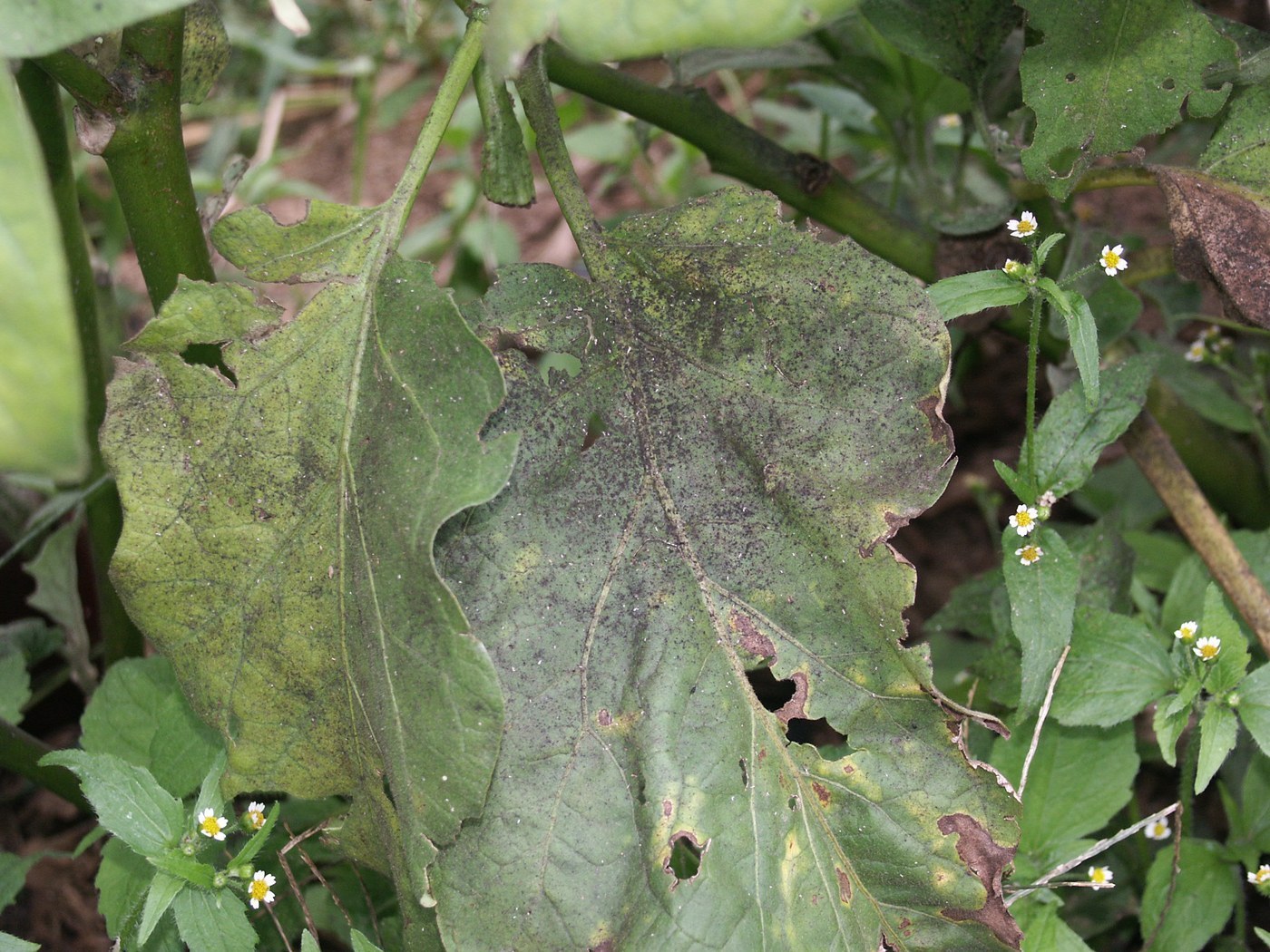
Whitefly
Greenhouses, gardens, and undersides of leaves on host plants
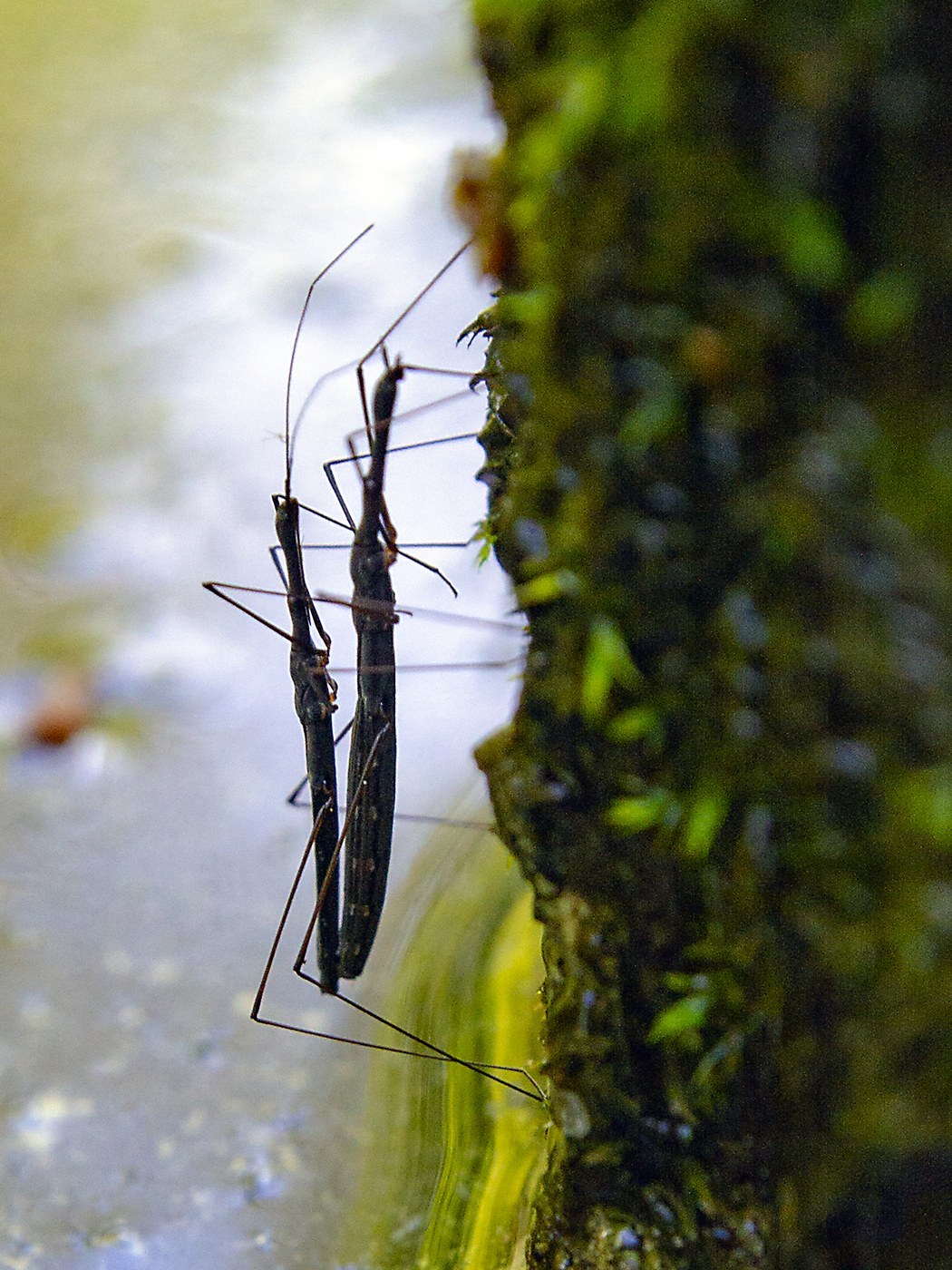
Water Measurer
Quiet edges of ponds, marshes, and slow streams
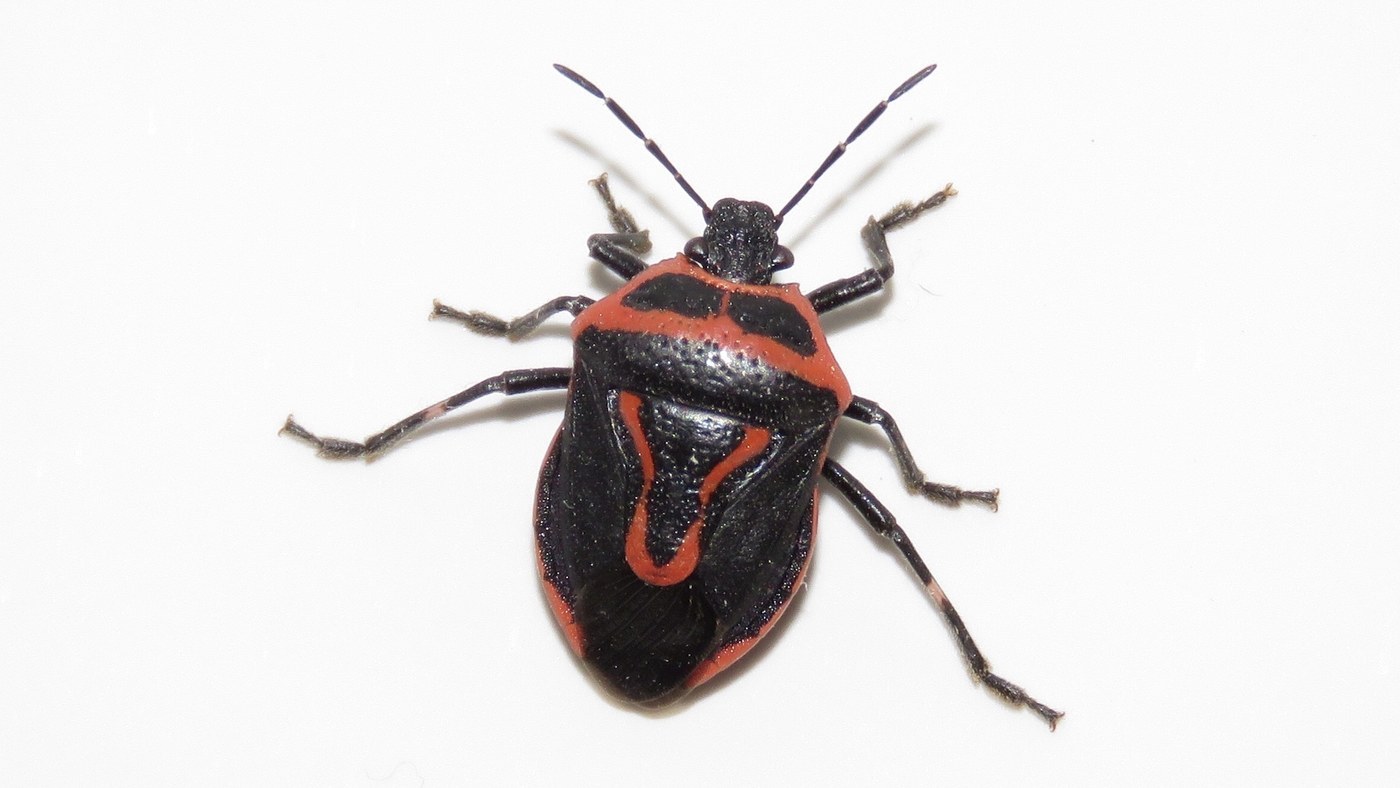
Two-Spotted Stink Bug
Gardens and fields with potato and nightshade-family plants
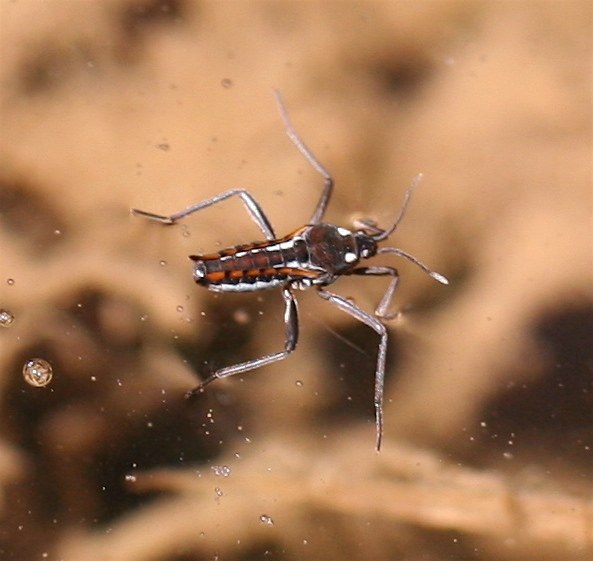
Water Cricket
Fast-flowing streams and stream-fed pond margins