Yellowjacket Identification Guide
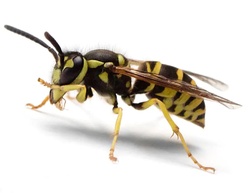
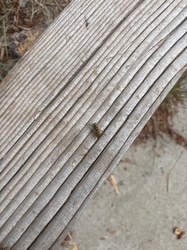
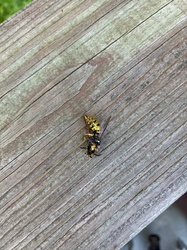
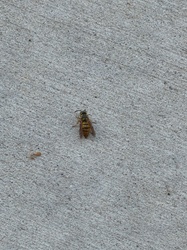
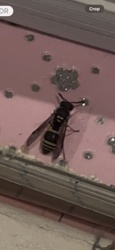
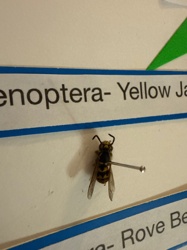
Identify a Yellowjacket by its sharp black-and-yellow banding and smooth, hairless body.
Read the full Yellowjacket encyclopedia entry →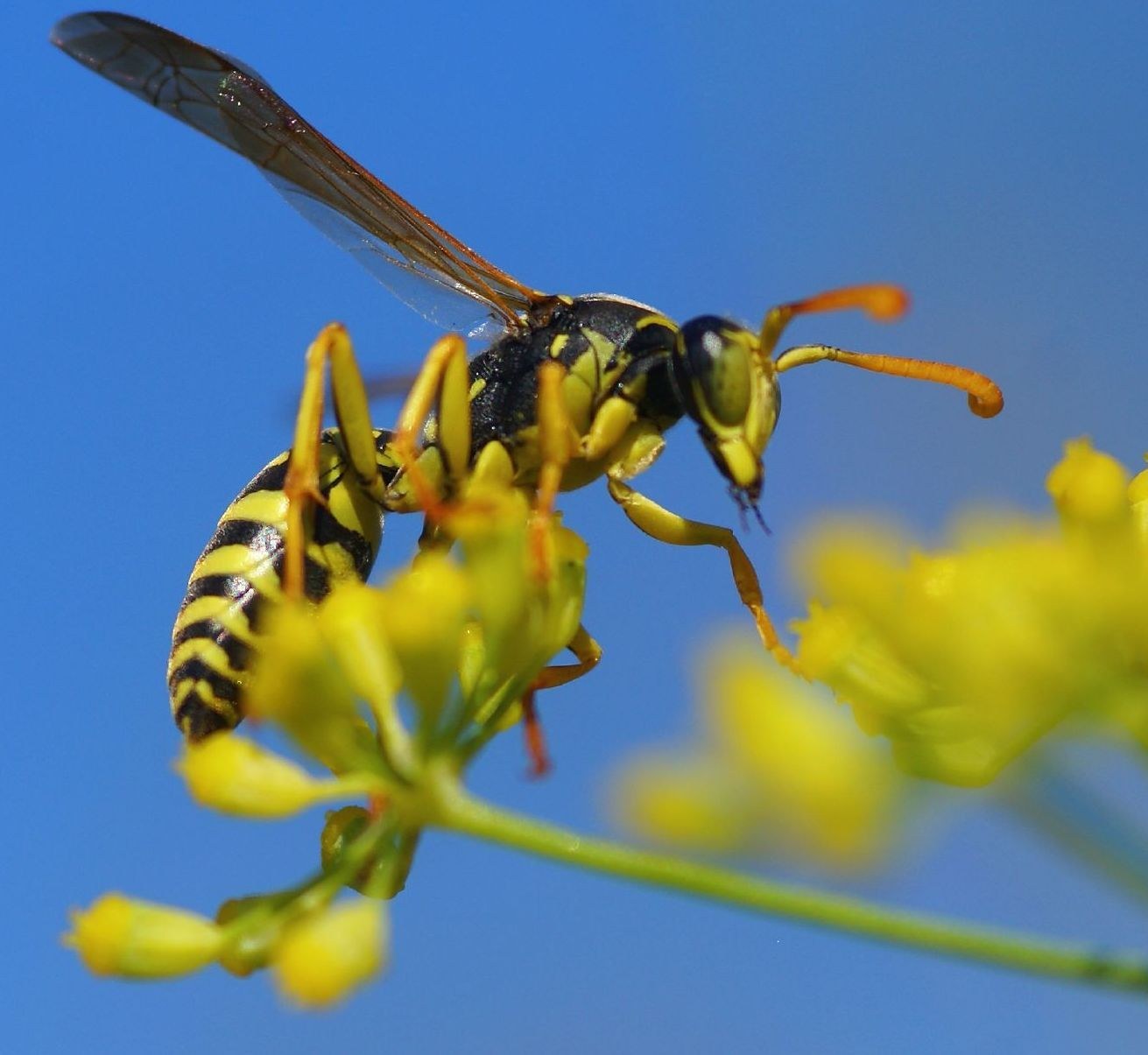
Key Visual Features
- Medium-sized wasp, roughly 12-16 mm long, with a smooth, shiny exoskeleton (unlike the fuzzy look of bees).
- Bold, well-defined black and bright yellow banding across the abdomen, often in a jagged or zigzag pattern.
- Distinctly narrow, pinched "wasp waist" connecting the thorax and abdomen.
- Two pairs of clear wings that fold lengthwise along the body when at rest.
- Legs are mostly yellow and relatively thin, without the pollen-carrying structures seen in bees.
- Head is broad with large compound eyes and short, dark, elbowed antennae.
- Body outline is generally compact and cylindrical, without the elongated, spindly look of some other wasps.
Where and When You're Likely to See It
- Widespread across temperate regions, found in gardens, parks, woodland edges, and around human structures.
- Nests are built underground in old rodent burrows, in wall voids, or in other sheltered cavities, and are made of a papery material chewed from wood fibers.
- A single fertilized queen starts a nest alone in spring, with the colony growing through the season as new workers are added.
- Colonies are most numerous and noticeable in late summer and early autumn, when worker numbers peak.
- Frequently seen around outdoor food and drink, garbage bins, and ripening or fallen fruit, especially as natural nectar sources decline later in the season.
- Active during the day, with the greatest activity on warm, sunny afternoons.
Similar-Looking Species
- Honeybees and bumblebees are fuzzy and rounder, while yellowjackets are smooth, slender, and shiny.
- Paper wasps have a longer, more slender abdomen and longer legs that dangle noticeably during flight, plus they build open, umbrella-shaped combs rather than enclosed paper nests.
- Hornets are similar in pattern but considerably larger, often with more brownish-red tones mixed into the coloring.
- Hover flies mimic the yellow-and-black pattern but have only one pair of wings and short, stubby antennae.
Quick ID Checklist
- Smooth, shiny black-and-yellow banded body, 12-16 mm long.
- Sharply pinched narrow waist.
- Legs dangle less than paper wasps during flight; body appears more compact.
- Nest entrance often at ground level or hidden in a wall/cavity.
- Frequently seen near food, sweet drinks, or fruit in late summer.
Frequently asked questions
How can I tell a Yellowjacket from a honeybee?
Yellowjackets have smooth, shiny, hairless bodies with crisp black-and-yellow bands, while honeybees are fuzzy and amber-brown with less contrasting bands.
Why do I see more Yellowjackets in late summer?
Colonies reach their largest worker populations by late summer, and as natural food sources decline, workers range further in search of sugary and protein food.
Where do Yellowjackets typically build their nests?
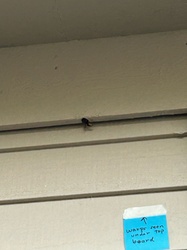
Most species nest underground in abandoned burrows or in enclosed cavities like wall voids, though some build exposed paper nests in shrubs or under eaves.
What's the difference between a Yellowjacket and a paper wasp?
Paper wasps have longer bodies and legs that hang down in flight and build open comb nests, while yellowjackets are stockier with legs held closer to the body.
Yellowjacket identified by the community
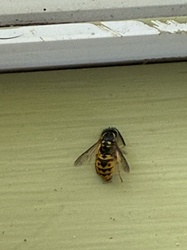
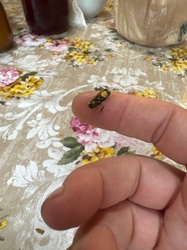
Recent Yellowjacket finds identified with Bug Identifier.