
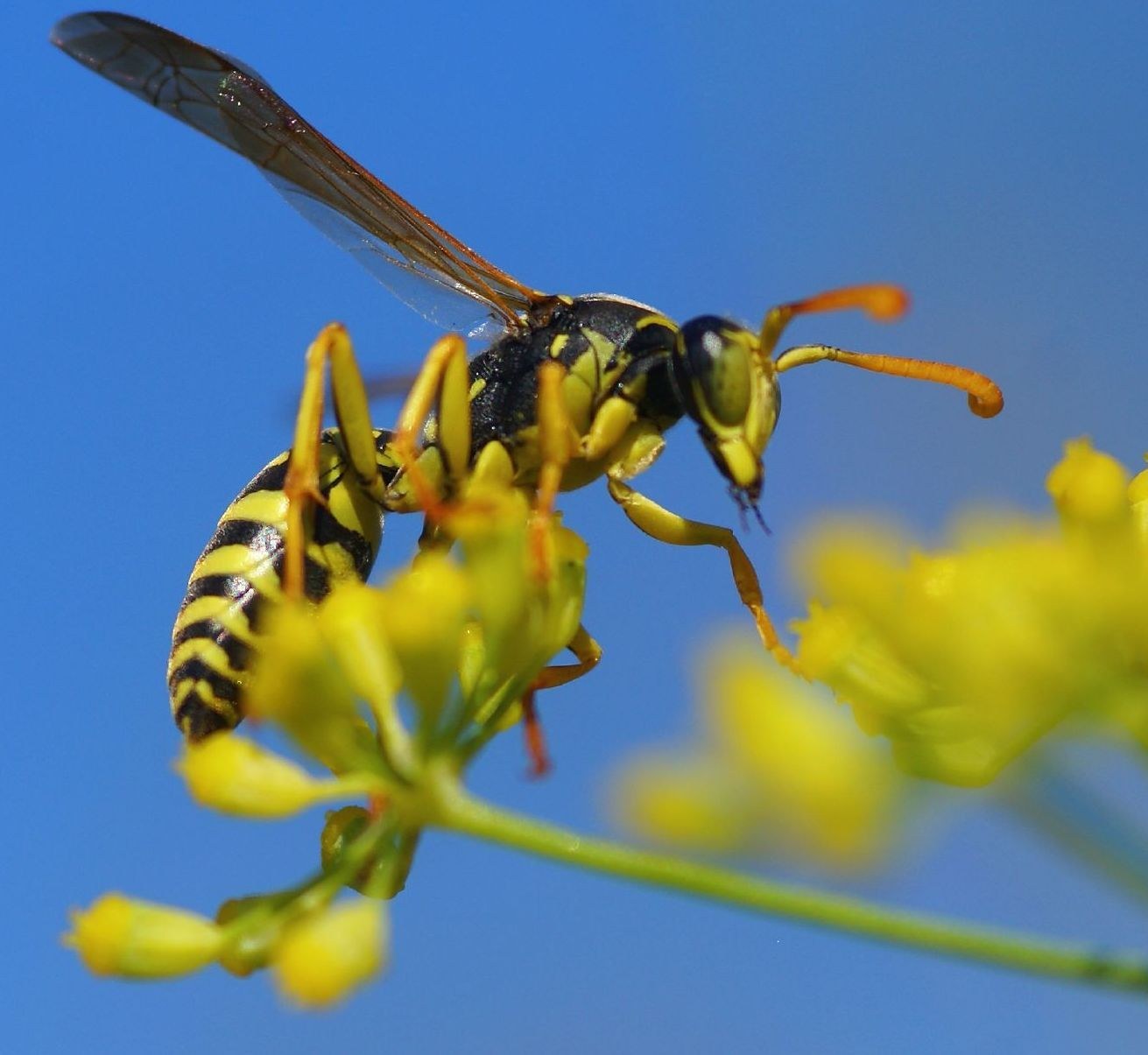
Yellowjacket
Vespula spp.
A boldly striped black-and-yellow social wasp with a smooth, shiny body and a fast, darting flight, often noticed hovering around food and sugary drinks in late summer.
- Size
- 10–16 mm (workers)
- Habitat
- Underground nests, wall voids, gardens, picnic areas
- Danger
- Stings
Spotted a bug like this?
Identify any bug or insect from a photo, free.
Overview
Yellowjackets are social wasps in the genus Vespula (and the closely related genus Dolichovespula), part of the family Vespidae. They form annual colonies that can grow to include thousands of individuals by late summer, built from a papery nest material the wasps create by chewing wood fibers mixed with saliva.
Unlike honeybees, yellowjackets are predatory as well as scavenging, and workers hunt other insects to feed developing larvae in the nest while also being drawn to sugary substances and proteins later in the season, which is why they are frequently seen around garbage cans, picnics, and fallen fruit in late summer and fall. Their smooth, hairless, glossy black-and-yellow bodies distinguish them at a glance from the fuzzier bees they are often confused with.
Ecologically, yellowjackets serve as significant predators of caterpillars, flies, and other insects, helping to regulate populations of many garden and agricultural insects, even as they are also considered a nuisance around human food sources.
How to Identify
- Smooth, shiny, mostly hairless body with bold, well-defined bands of black and bright yellow (some species show white instead of yellow).
- Narrow, distinctly "wasp-waisted" body with a pinched connection between thorax and abdomen.
- Wings are translucent and folded lengthwise along the back at rest.
- Legs are relatively short and not adapted for pollen carrying, unlike bees.
- Lookalikes include honeybees and paper wasps; yellowjackets are distinguished from honeybees by their smooth, glossy, hairless bodies and from paper wasps by their stockier build and shorter legs that do not dangle noticeably in flight.
Habitat & Range
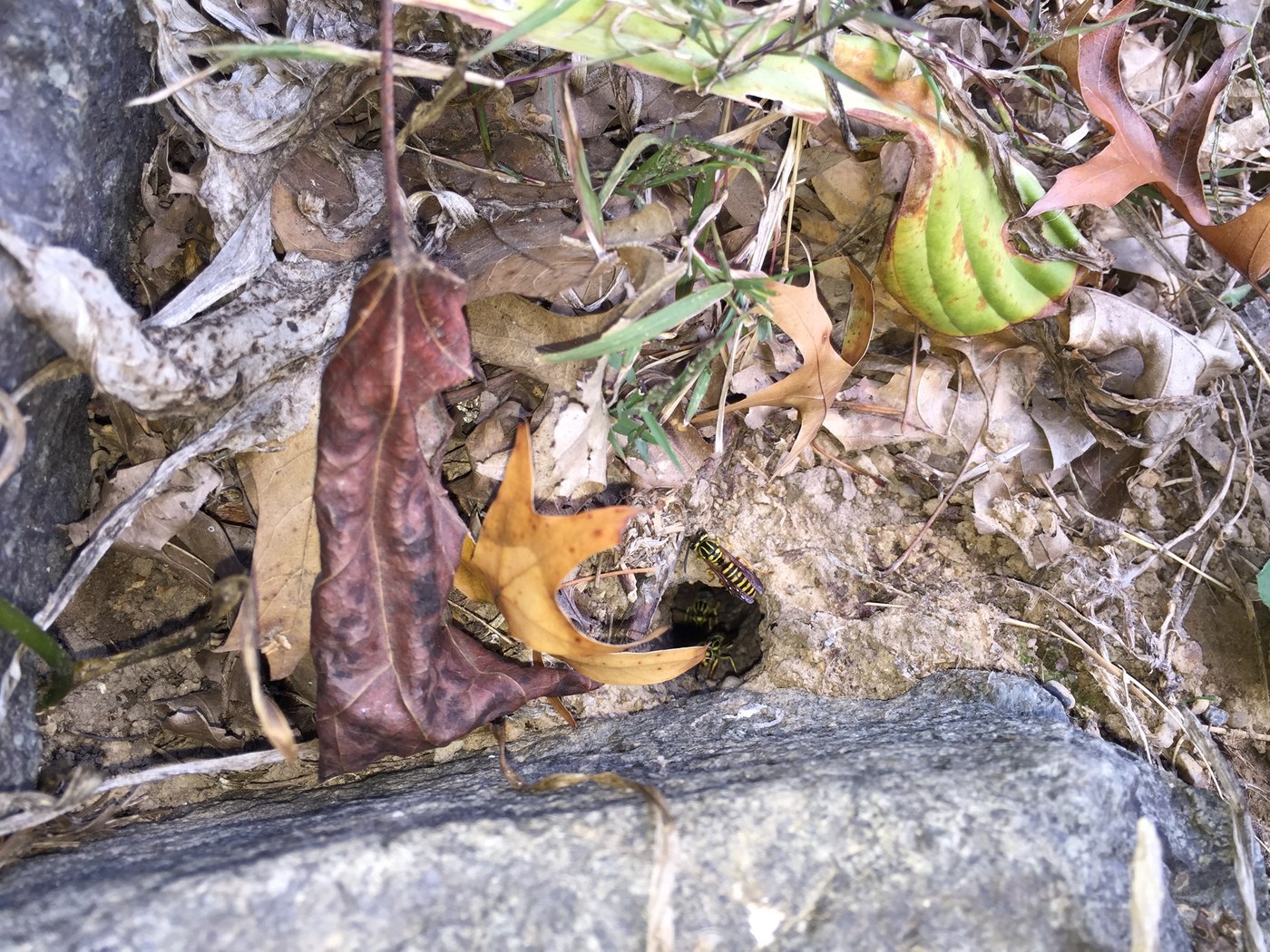
Widespread across North America, Europe, and other temperate regions, nesting underground in abandoned rodent burrows, within wall voids, or in other sheltered cavities depending on the species. Active from spring through fall, with colonies reaching peak size and worker numbers in late summer, when they are most commonly encountered around gardens, trash receptacles, and outdoor food areas.
Behavior & Diet
Yellowjackets live in annual social colonies founded each spring by a single overwintered queen, who builds an initial small paper nest and rears the first batch of workers. Workers forage to capture insect prey, which is chewed and fed to developing larvae, while also collecting sugary substances such as nectar, ripe fruit, and other sweet materials for adult nutrition, a habit that intensifies as colonies grow large in late summer. They communicate and cooperate to defend the nest, and can sting in defense of the colony or when provoked.
Life Cycle
A mated, overwintered queen emerges in spring, builds a small paper nest, and raises the first generation of workers alone. Once workers mature, they take over nest expansion, foraging, and brood care, allowing the colony to grow rapidly through summer via complete metamorphosis from egg to larva to pupa to adult. In late summer the colony produces new queens and males, which mate before the original colony declines and dies off with the onset of cold weather, leaving only newly mated queens to overwinter and start new colonies the following spring.
Frequently asked questions
How can I tell a yellowjacket from a honeybee?
Yellowjackets have smooth, shiny, hairless bodies with bold black-and-yellow bands, while honeybees are fuzzier with a more muted, matte amber-and-brown coloring.
Why do yellowjackets show up around food in late summer?
As colonies grow large late in the season, workers increasingly forage for sugary foods and proteins, drawing them to picnics, trash, and ripe fruit.
Do yellowjackets build nests like honeybees?
No, they build papery nests from chewed wood fibers, often underground or in wall voids, rather than wax honeycomb.
What do yellowjacket colonies do in winter?
The colony dies off in fall except for newly mated queens, which overwinter alone and found new colonies the following spring.
Yellowjacket guides
In-depth guides for identifying, understanding, and living alongside Yellowjacket.
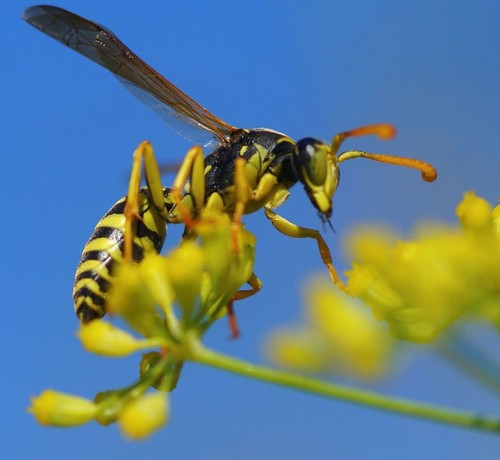
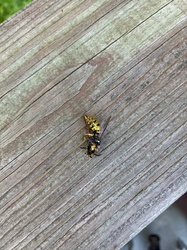
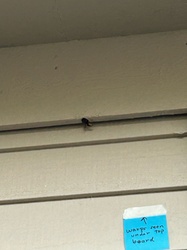
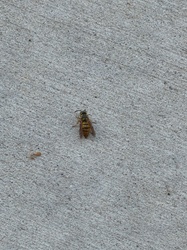
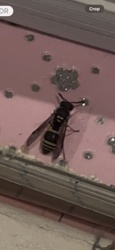
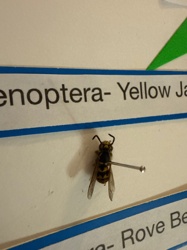
Yellowjacket identified by the community
Real finds identified with Bug Identifier.
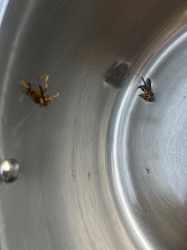
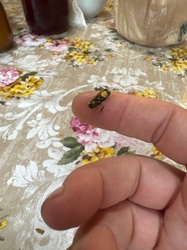
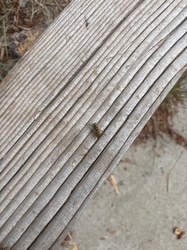
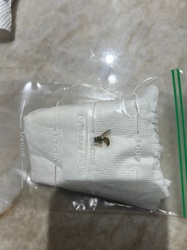
Other bugs you may enjoy
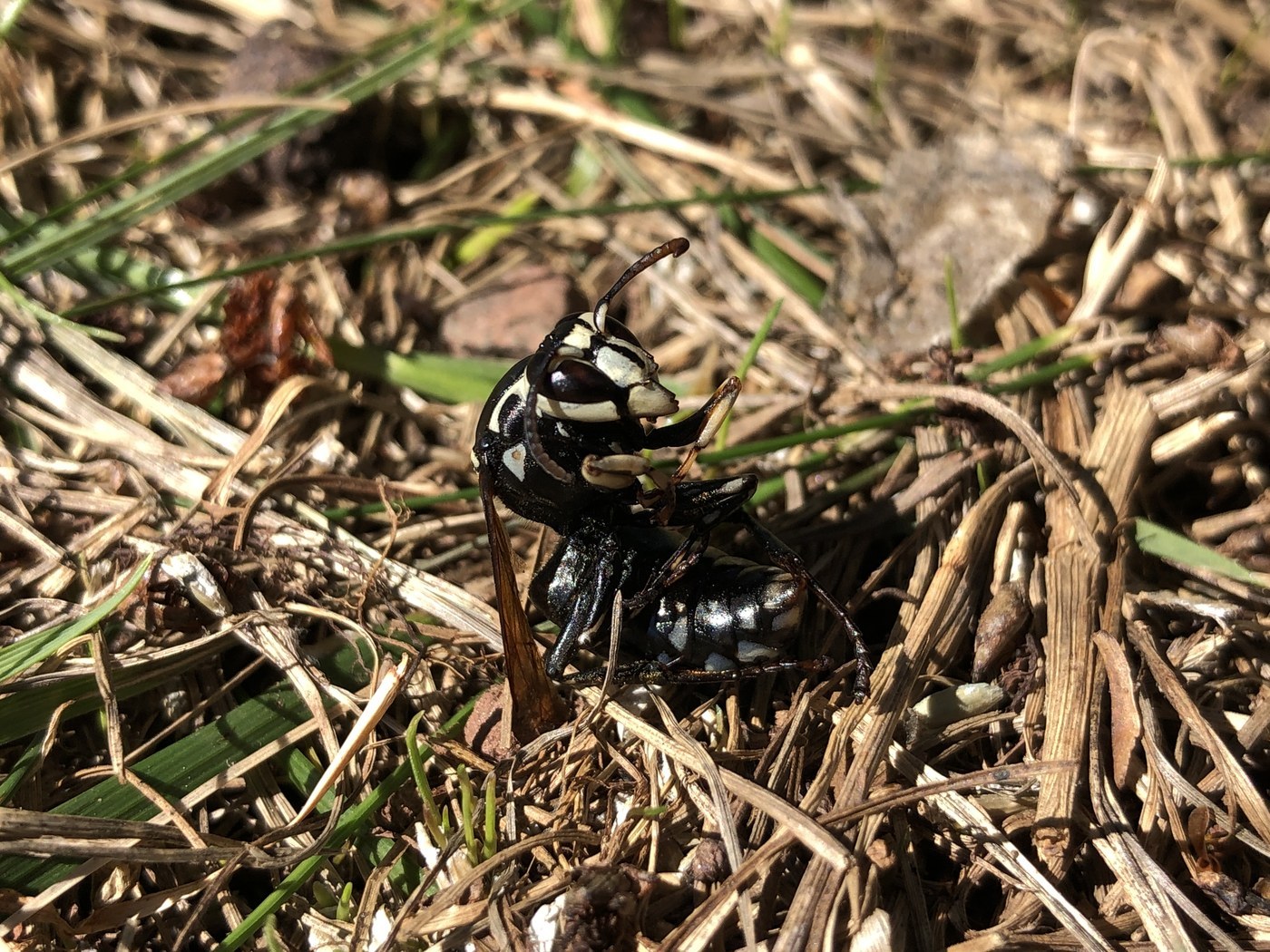
Bald-faced Hornet
Woodland edges, shrubs, and tree branches across North America
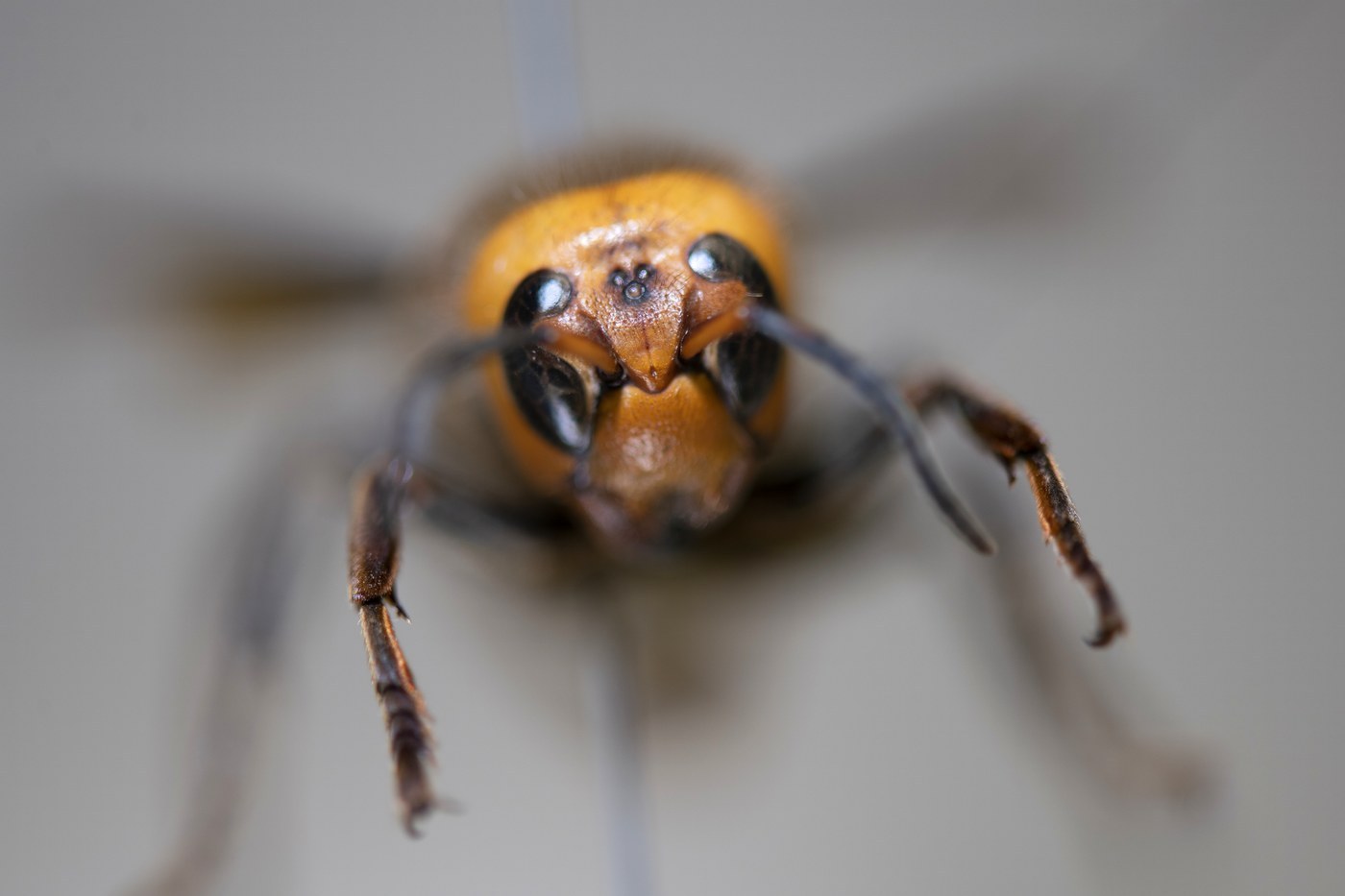
Asian Giant Hornet
Forested lowlands and mountains of East and South Asia; low tree hollows
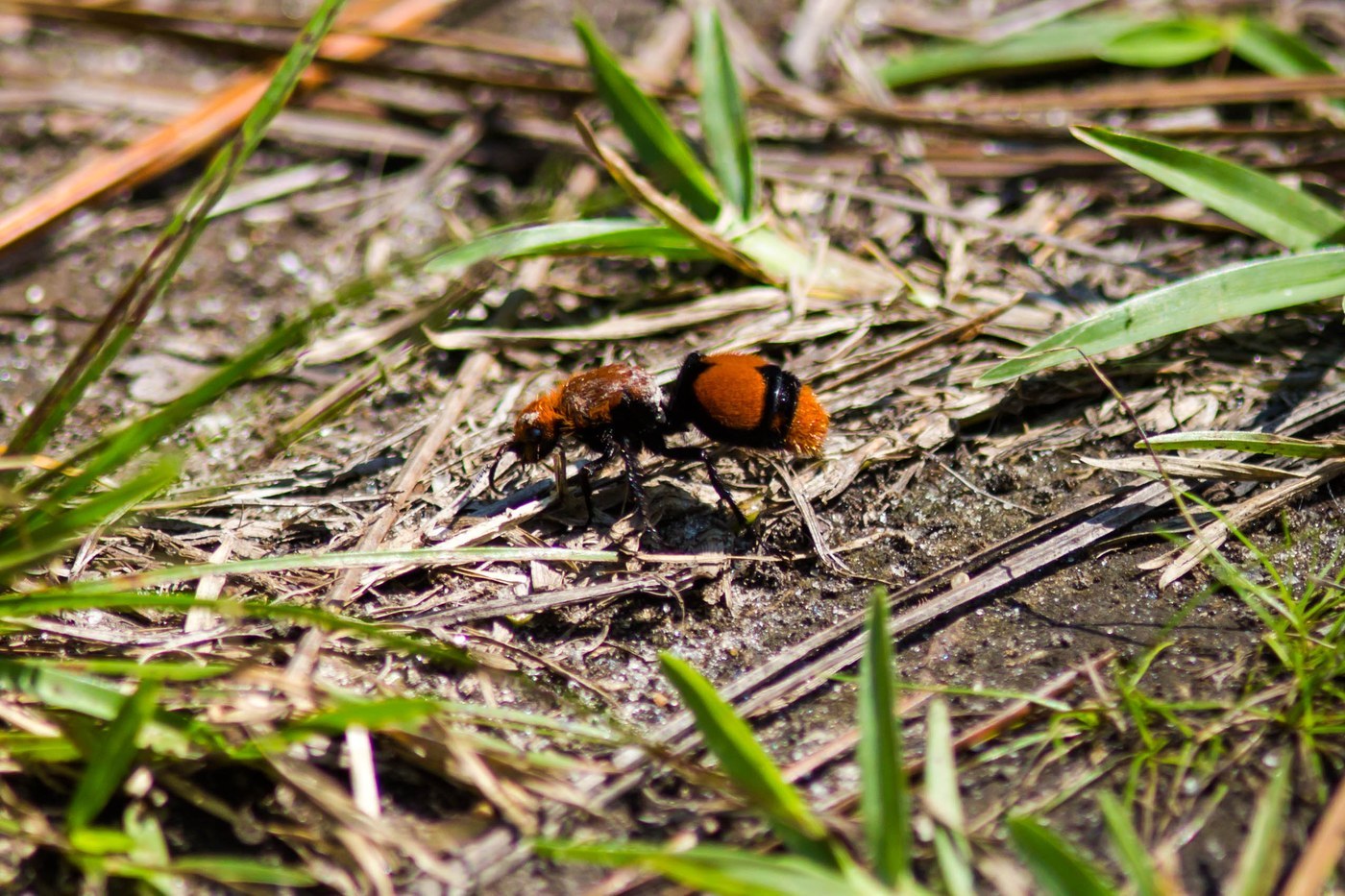
Velvet Ant
Sandy soils, open fields, dunes, roadsides in warm regions
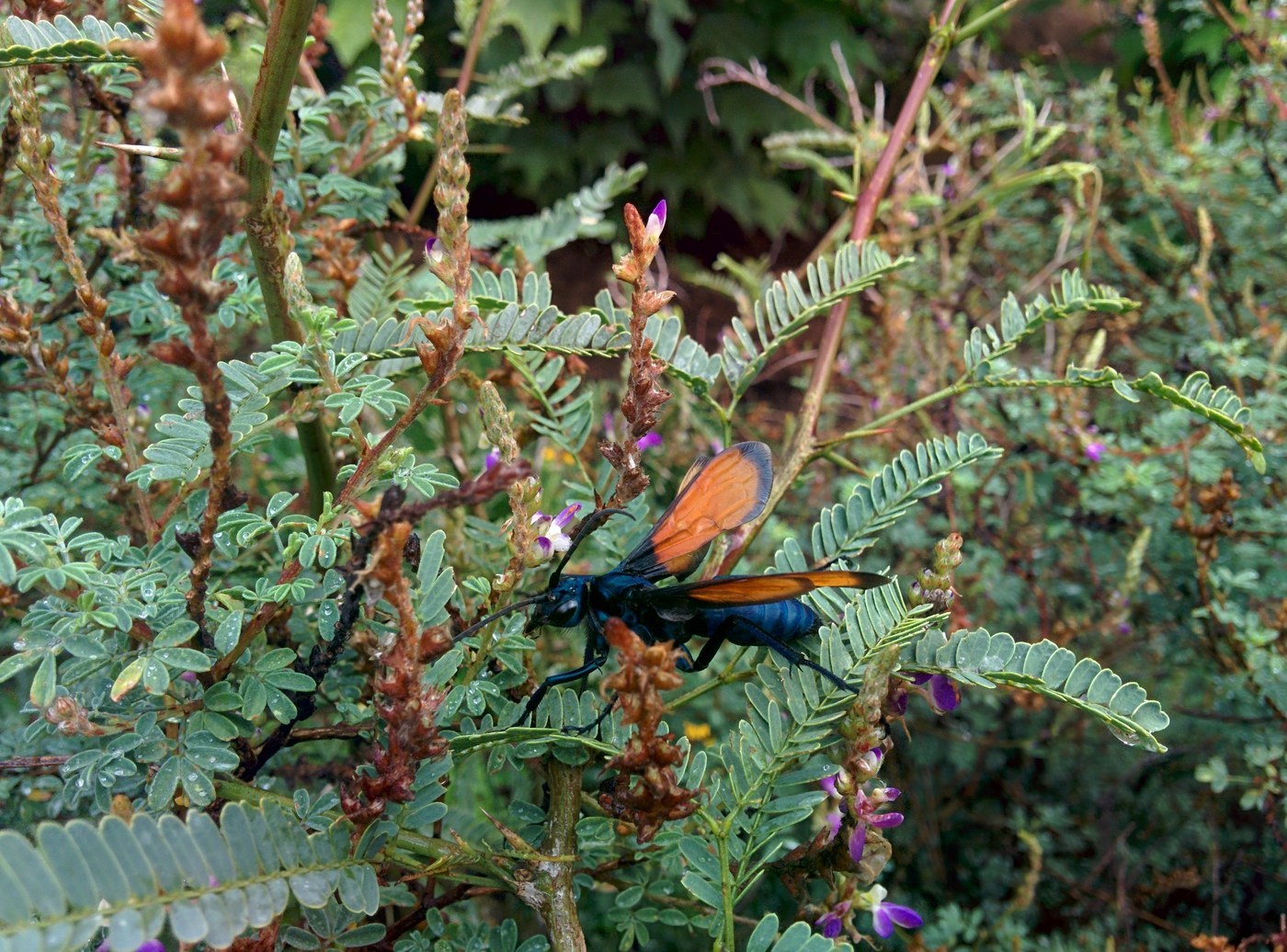
Tarantula Hawk
Deserts, arid scrublands, and dry grasslands
Tarantula Hawk Wasp
Deserts, grasslands, and scrub of the Americas
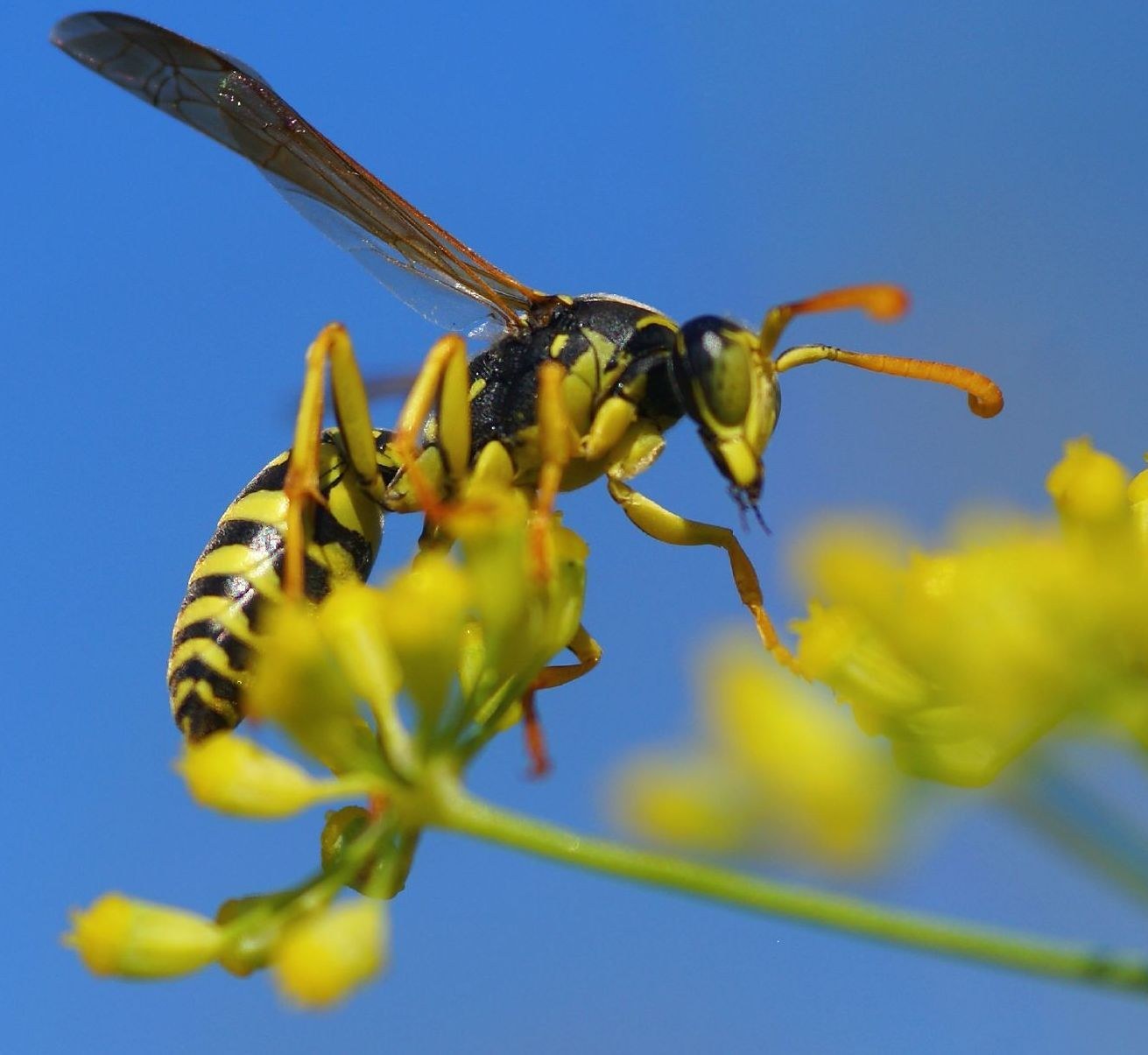
Wasp
Gardens, woodlands, eaves, and urban areas worldwide
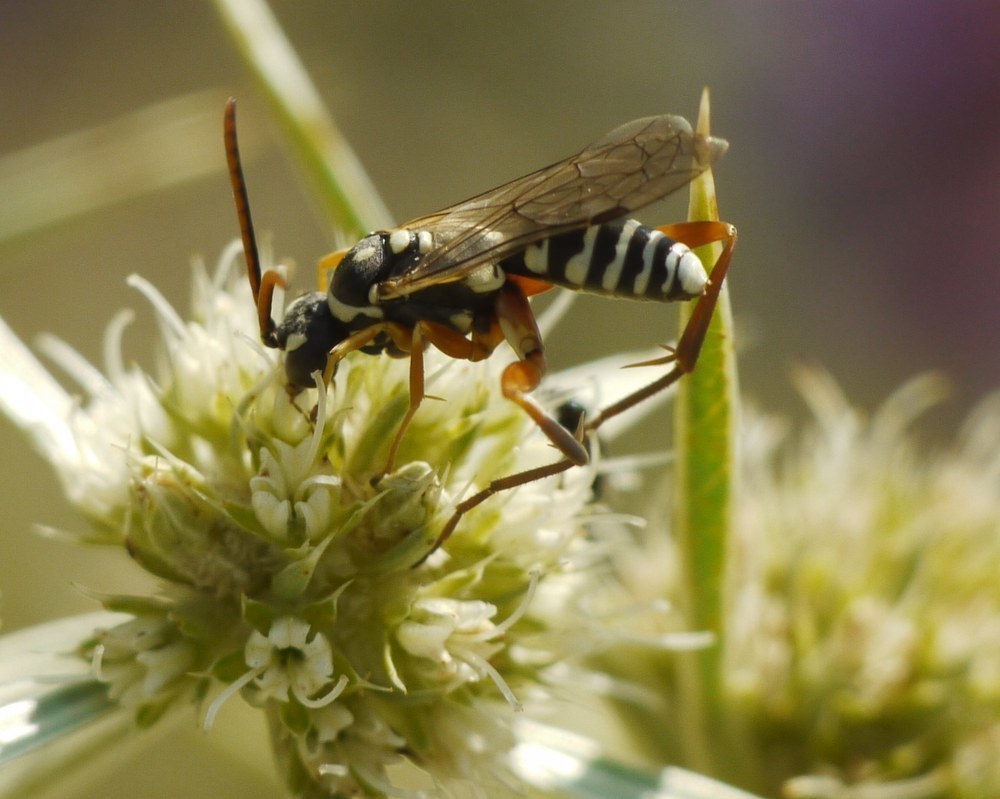
Spider Wasp
Gardens, grasslands, and sandy open areas worldwide
Yellow Jacket
Ground nests, wall voids, parks, and areas near food sources
Sawfly
Gardens, woodlands, and orchards on host foliage
Red Paper Wasp
Eaves, porch ceilings, sheds, open woodland edges, gardens
Trichogramma Wasp
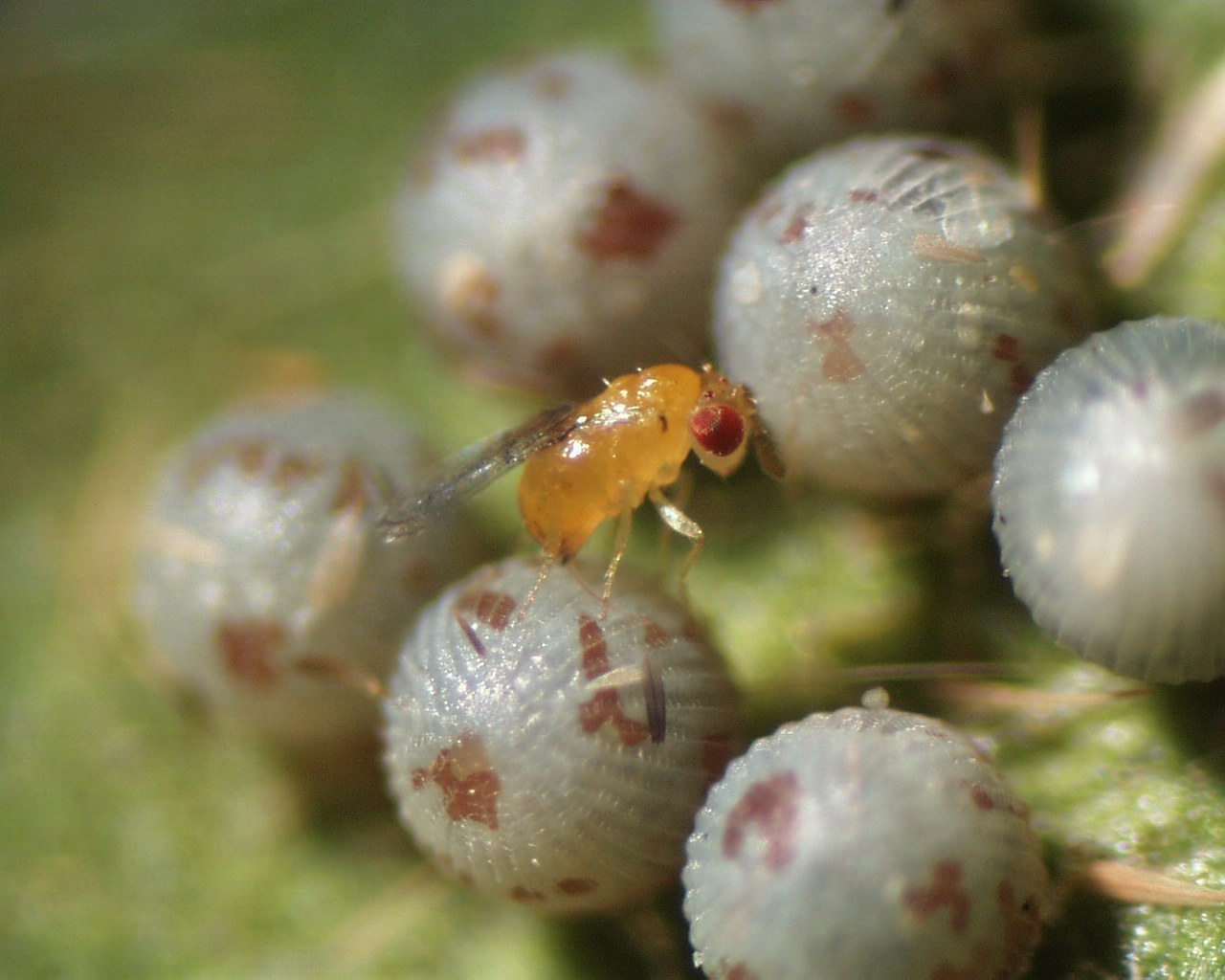
Fields, gardens, and crops worldwide
Sand Wasp
Sandy soils, dunes, beaches, and bare open ground