Boxelder Bug Identification Guide
Learn to spot the boxelder bug's telltale red-and-black stripes and the fall clusters that give it away.
Read the full Boxelder Bug encyclopedia entry →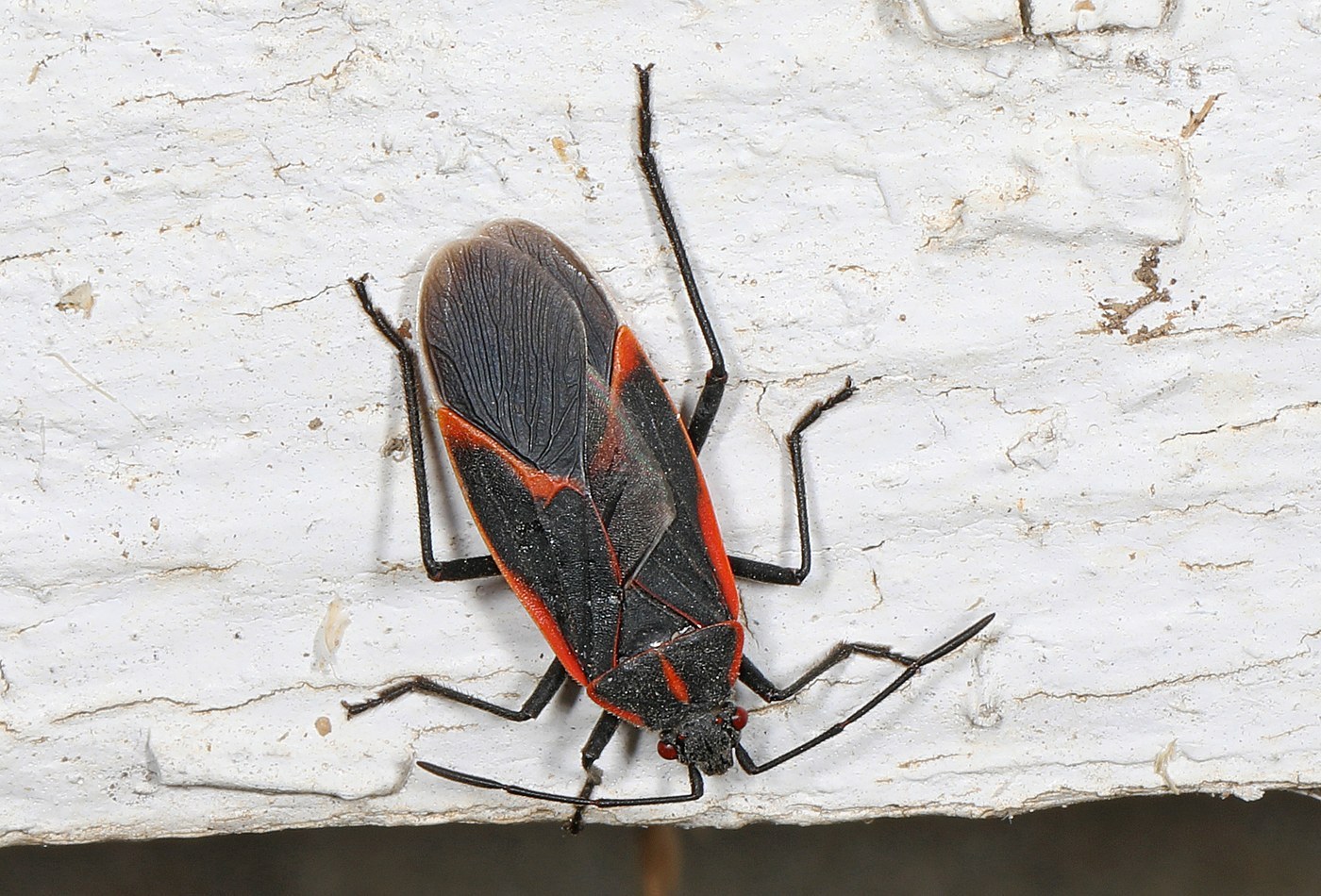
Key Visual Features
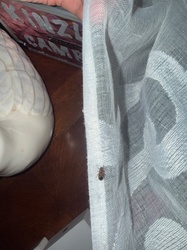
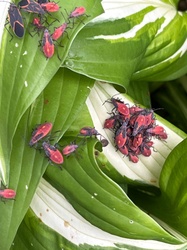
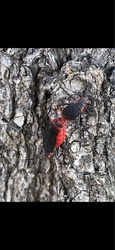
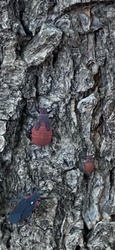
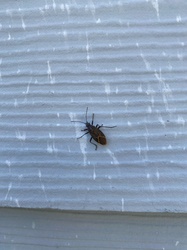
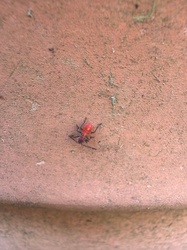
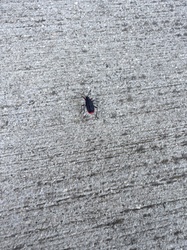
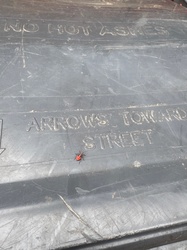
The boxelder bug (Boisea trivittata) is a medium-sized true bug, roughly 1/2 inch (12–14 mm) long, with a flattened, elongated-oval body. Its base color is black to dark gray, marked with three distinct red-orange lines on the pronotum (the shield-like plate behind the head) and red edging along the folded wings. The eyes are dark red, the legs and thread-like antennae are black, and the wings lie flat over the back in a slight "X" pattern when folded. Immature nymphs look quite different: they are wingless, rounder, and bright solid red-orange, gradually developing black wing pads as they mature.
Where and When You'll See It
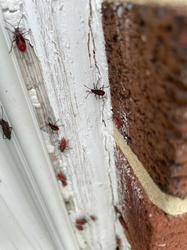
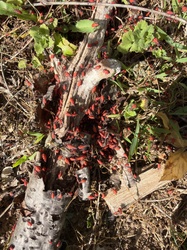
Boxelder bugs are closely tied to boxelder, maple, and ash trees, where they feed on seeds and foliage. They're most conspicuous in early fall, when large numbers gather in tight clusters on tree trunks, rocks, fences, and the sun-warmed south- or west-facing walls of buildings as they search for sheltered spots to spend the winter. In spring, adults re-emerge from these overwintering sites and disperse back to host trees. They're active during the day and prefer warm, sunny surfaces.
Similar-Looking Bugs
- Milkweed bugs: Share a red-and-black color scheme but have a more oval, rounded shape and are typically found on milkweed plants rather than maples.
- Red-shouldered bugs / other scentless plant bugs: Similar coloring but different stripe patterns on the pronotum.
- Assassin bugs: Some red-and-black species exist, but these have a narrower head and a curved, pointed beak rather than the boxelder bug's straight one.
The combination of three parallel red lines on the thorax, red-lined wing edges, and the habit of forming dense fall aggregations on sunny surfaces near boxelder or maple trees is diagnostic.
Quick ID Checklist
- Body about 1/2 inch long, black with three red-orange stripes on the thorax
- Red lines visible along the edges of the folded wings
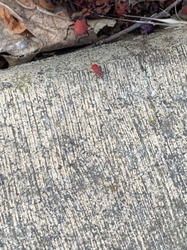
- Nymphs are solid bright red-orange and wingless
- Found clustering in large numbers on tree trunks or sunny walls in fall
- Associated with boxelder, maple, or ash trees
Frequently asked questions
How can I tell a boxelder bug from a stink bug?
Boxelder bugs have a narrower, more elongated body with visible red stripes, while stink bugs are shield-shaped and usually solid brown, green, or gray without red markings.
Why do boxelder bugs gather in such large groups?
They cluster together on warm, sunny surfaces near their host trees in autumn as they seek sheltered spots to spend the winter, then disperse again in spring.
Do young boxelder bugs look like the adults?
No. Nymphs are wingless and solid bright red-orange, while adults are black with red stripes and fully developed wings.
What trees are boxelder bugs usually found on?
They are most commonly associated with boxelder trees, though they also occur on other maples and occasionally ash trees, since these provide their preferred seeds and foliage.
Boxelder Bug identified by the community
Recent Boxelder Bug finds identified with Bug Identifier.