
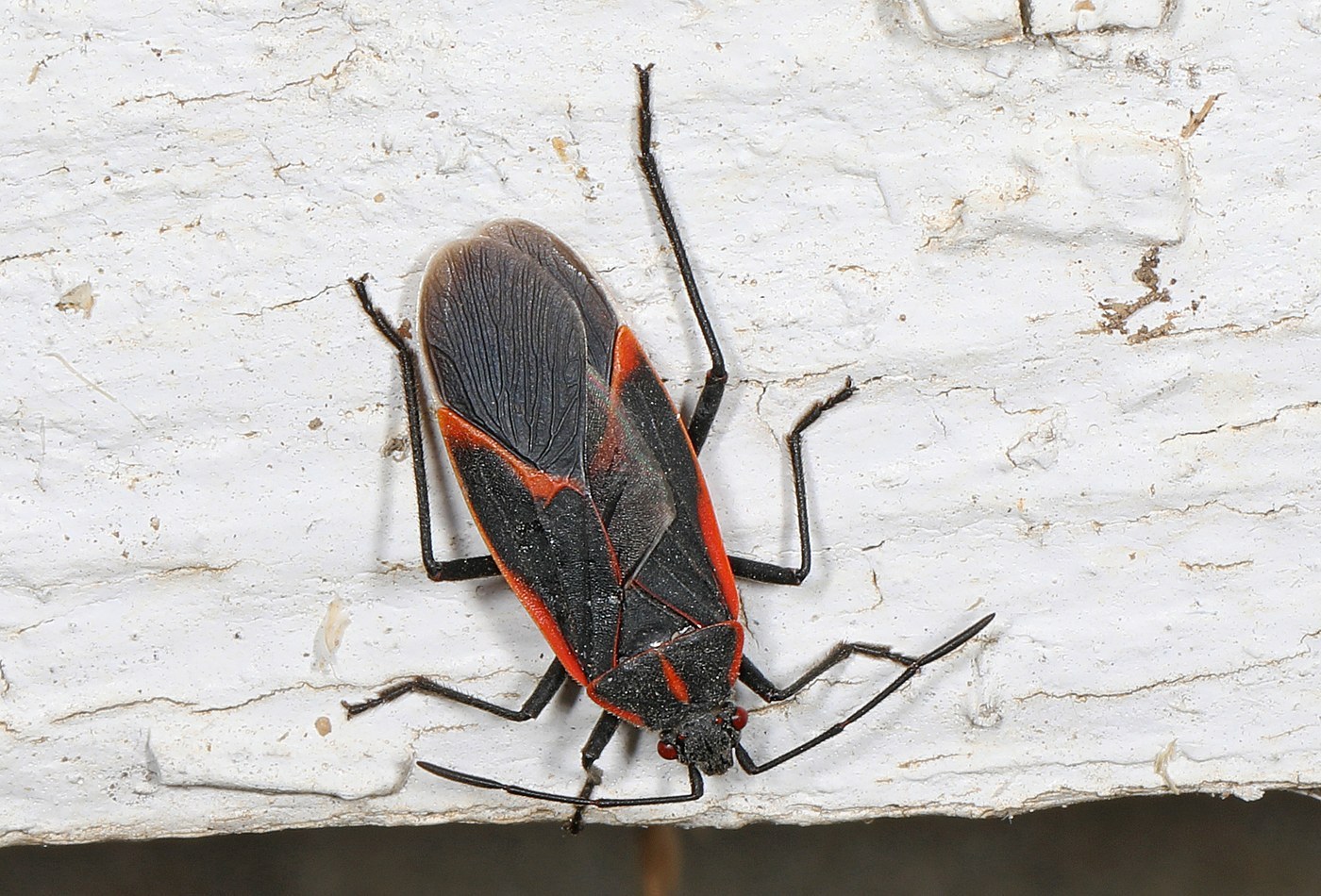
Boxelder Bug
Boisea trivittata
A slender black true bug marked with three bold red-orange stripes on its thorax and red wing veins, famous for massing by the hundreds on tree trunks and sun-warmed walls in autumn.
- Size
- 11–14 mm
- Habitat
- Boxelder, maple, and ash trees; sunny building walls in fall
- Danger
- Nuisance pest
Spotted a bug like this?
Identify any bug or insect from a photo, free.
Overview
The boxelder bug belongs to the family Rhopalidae (scentless plant bugs), order Hemiptera, and is native to North America. It gets its name from its close association with boxelder trees (Acer negundo), a species of maple, though it also uses other maples and ash trees as hosts.
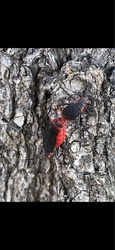
The species is notable primarily for its striking fall aggregation behavior, when large numbers gather on tree trunks, rocks, and building exteriors, making it one of the most recognizable seasonal true bugs in much of the United States.
Despite its conspicuous swarming habit, its feeding on plant seeds generally causes little lasting harm to host trees.
How to Identify
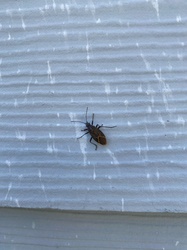
- Elongated oval body, black background color with red-orange markings forming three stripes on the pronotum
- Red veins visible on the folded, membranous wings
- Four-segmented antennae; six legs
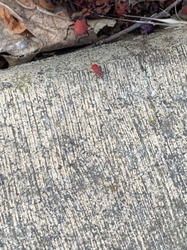
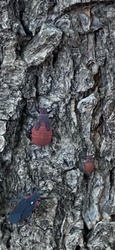
- Body length roughly 11–14 mm; nymphs are bright red and wingless
- Lookalike is the red-shouldered bug, a similar rhopalid, but the boxelder bug's specific striping and strong association with boxelder/maple trees are distinguishing
Habitat & Range
Native to North America; found wherever boxelder, maple, or ash trees grow, across much of the United States and southern Canada. Feeds on tree seeds and foliage during the growing season, then forms large sunning aggregations on trunks, rocks, and sunny exterior walls in autumn before seeking overwintering shelter.
Behavior & Diet
Feeds primarily on developing seeds of boxelder and other maple trees using piercing-sucking mouthparts, occasionally feeding on fallen fruit as well. Highly gregarious, forming large sunning aggregations especially in fall. Feeding generally causes minimal damage to host trees. Considered a nuisance mainly when large numbers enter buildings to overwinter; it does not feed while sheltering indoors.
Life Cycle
Incomplete metamorphosis. Eggs are laid on or near host trees in spring. Nymphs — bright red and wingless — develop through several instars over summer. One to two generations occur per year depending on climate, and adults overwinter in leaf litter, bark crevices, or structures.
Frequently asked questions
Why do boxelder bugs cluster on walls in fall?
They aggregate on sun-warmed surfaces such as walls and tree trunks while seeking sheltered spots to overwinter.
Do boxelder bugs damage trees?
Their feeding on seeds and foliage is generally minor and rarely affects the health of mature trees.
What do young boxelder bugs look like?
Nymphs are wingless and bright red, gradually darkening and developing wings as they mature.
Are boxelder bugs the same as stink bugs?
No, though both are true bugs, boxelder bugs belong to a different family (Rhopalidae) and are slimmer, with a distinct red-and-black pattern.
Boxelder Bug guides
In-depth guides for identifying, understanding, and living alongside Boxelder Bug.
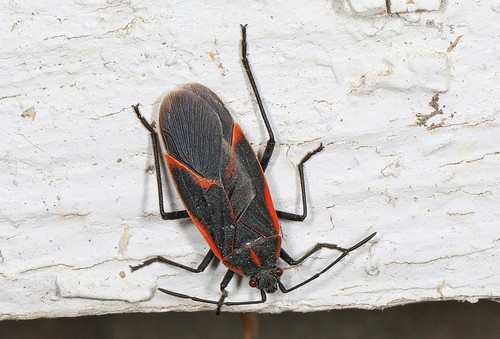
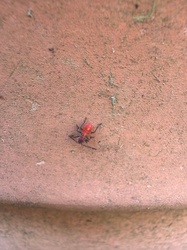
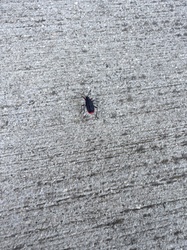
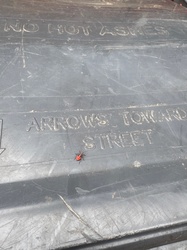
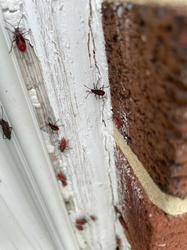
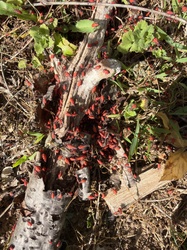
Boxelder Bug identified by the community
Real finds identified with Bug Identifier.
Other bugs you may enjoy
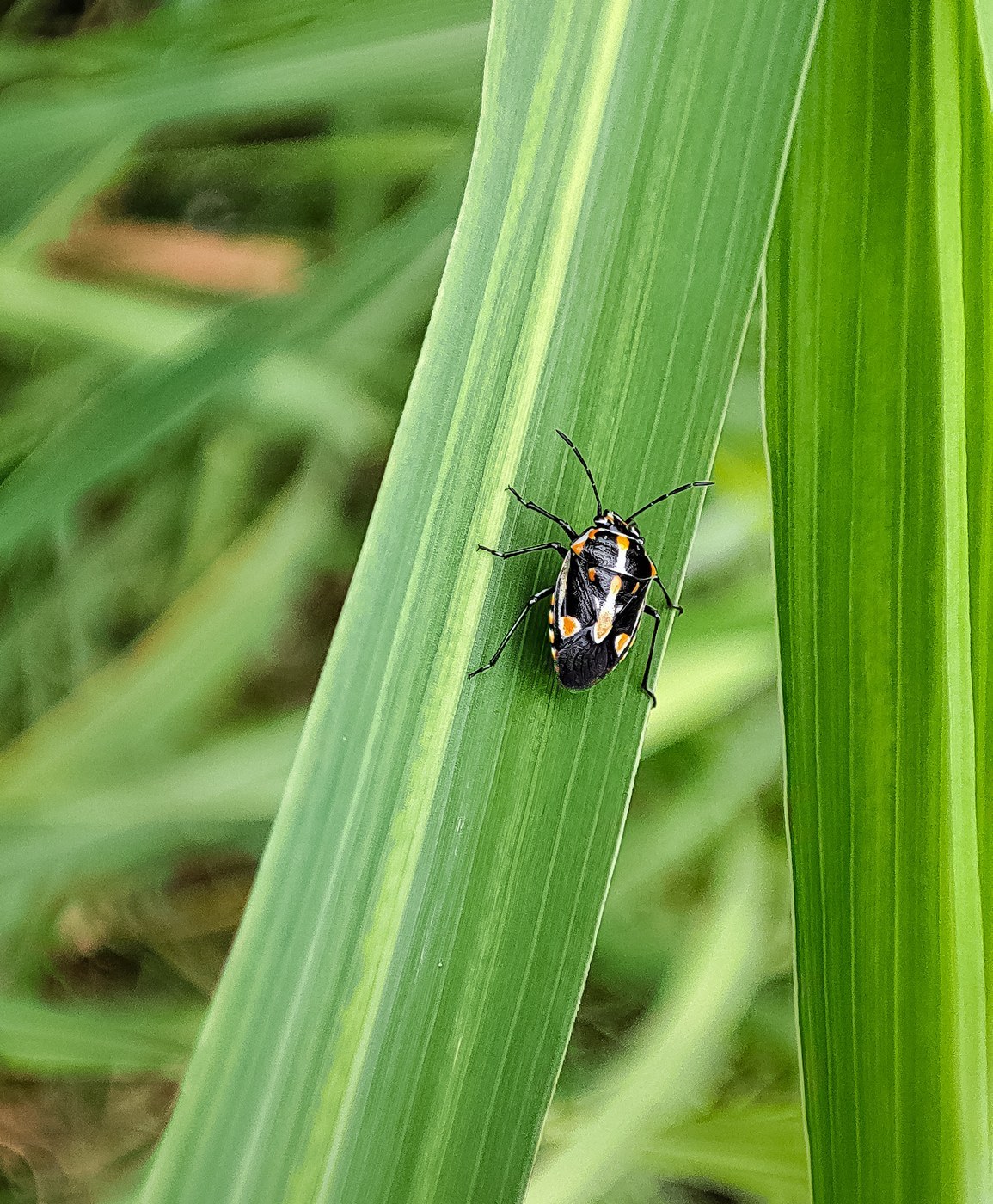
Bagrada Bug
Arid gardens, crucifer fields, desert-adjacent croplands
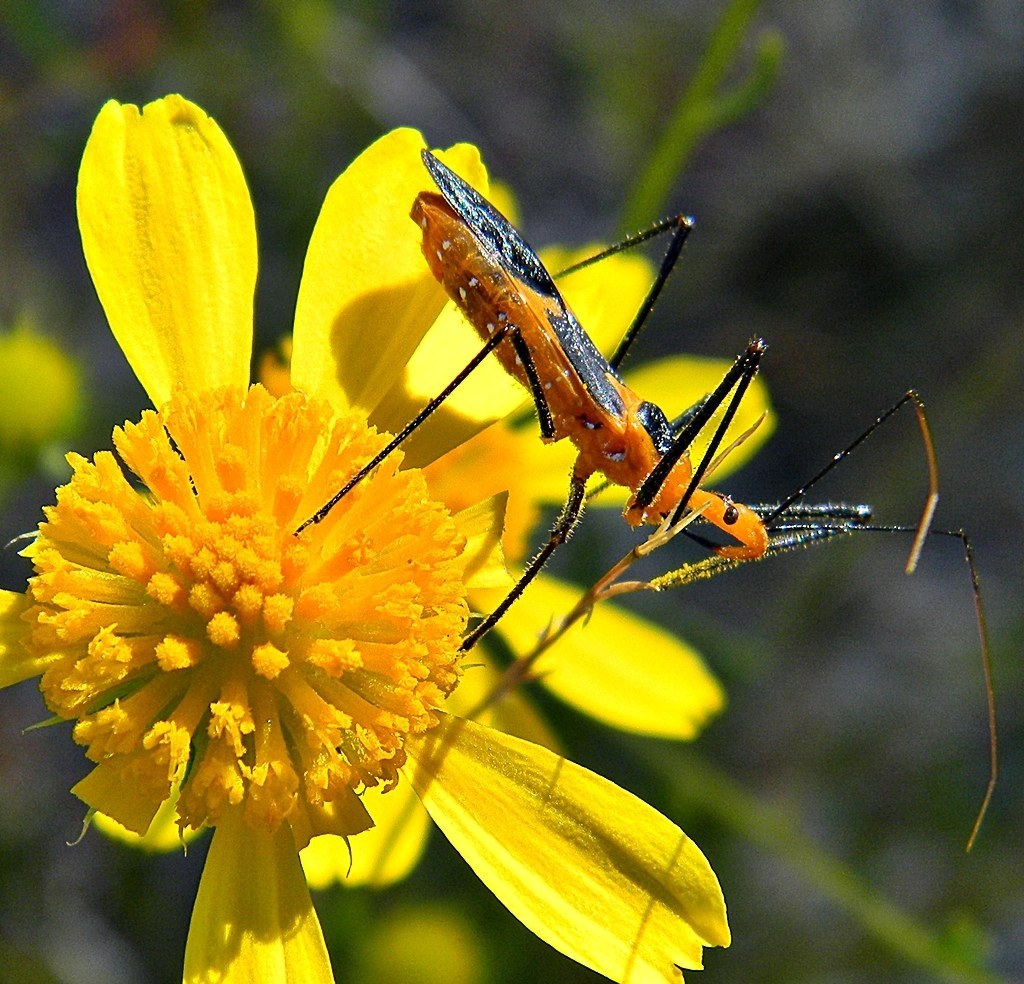
Assassin Bug
Gardens, meadows, and vegetation worldwide
Water Boatman Bug
Ponds, lakes, and slow-moving freshwater
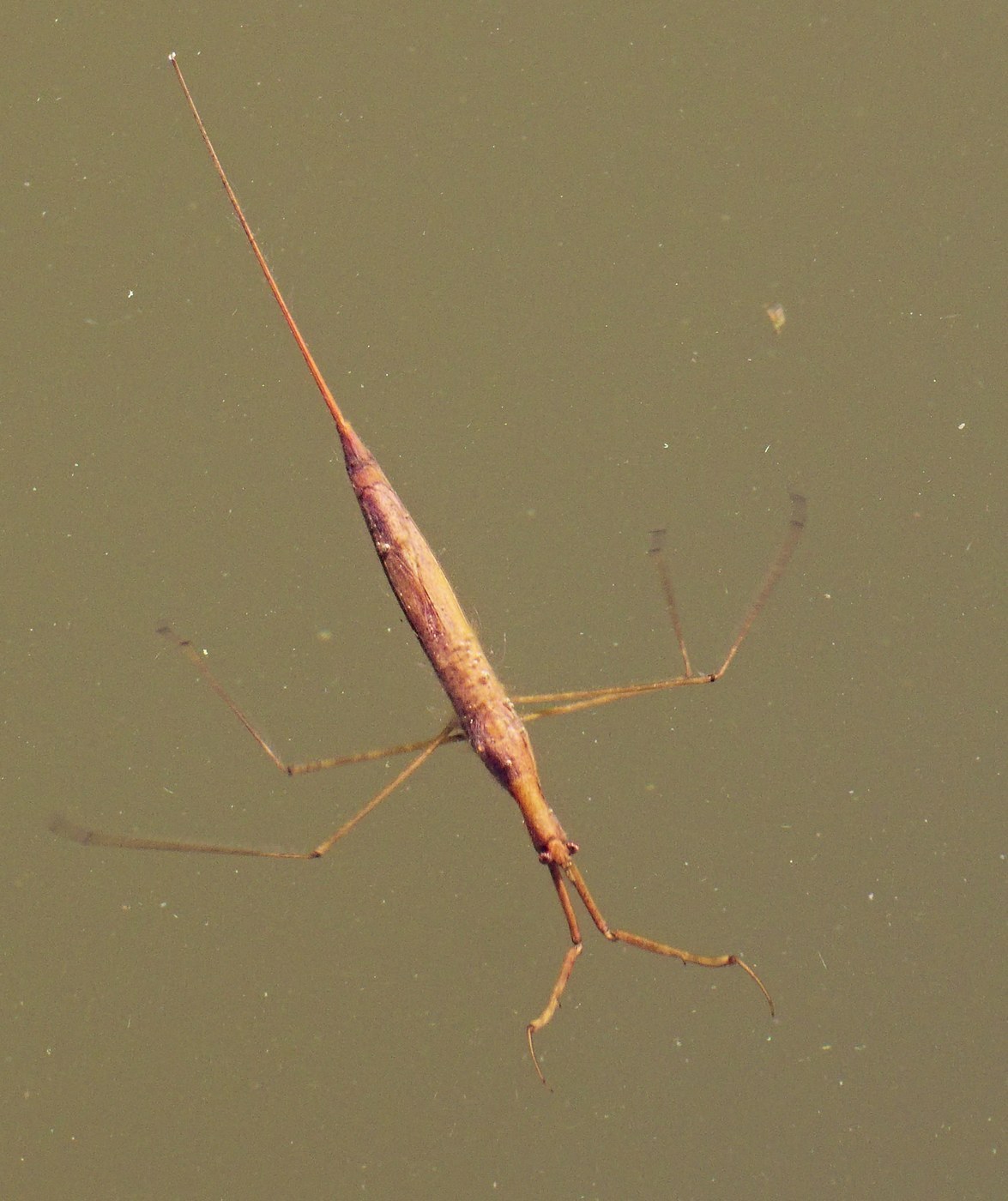
Water Stick Insect
Still and slow-moving water with dense submerged vegetation
Rough Stink Bug
Tree bark, woodlands, orchards, and shrubby vegetation
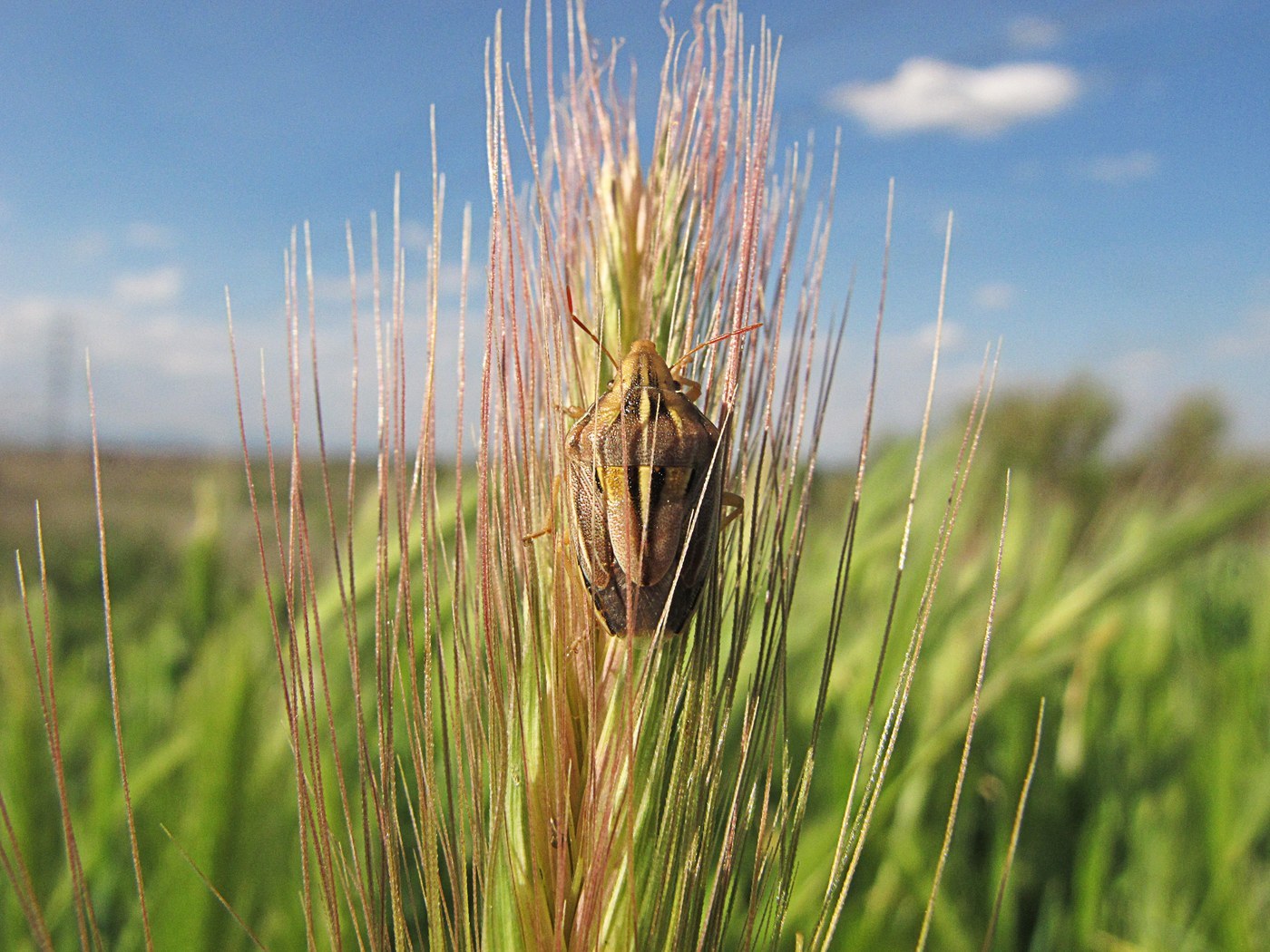
Stink Bug
Gardens, crop fields, and woodlands across temperate and subtropical regions
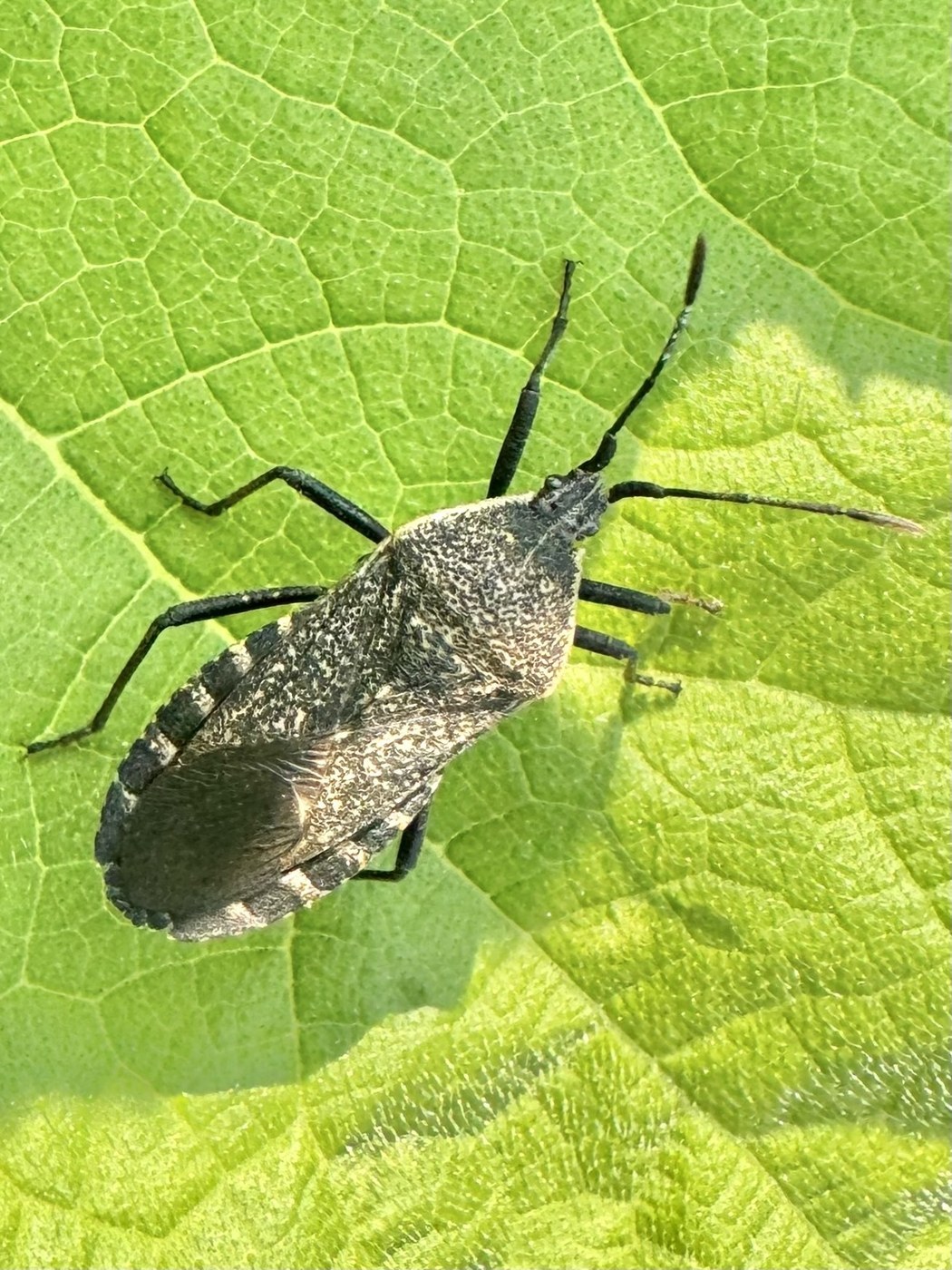
Squash Bug
Vegetable gardens and farm fields growing squash, pumpkin, and other cucurbits
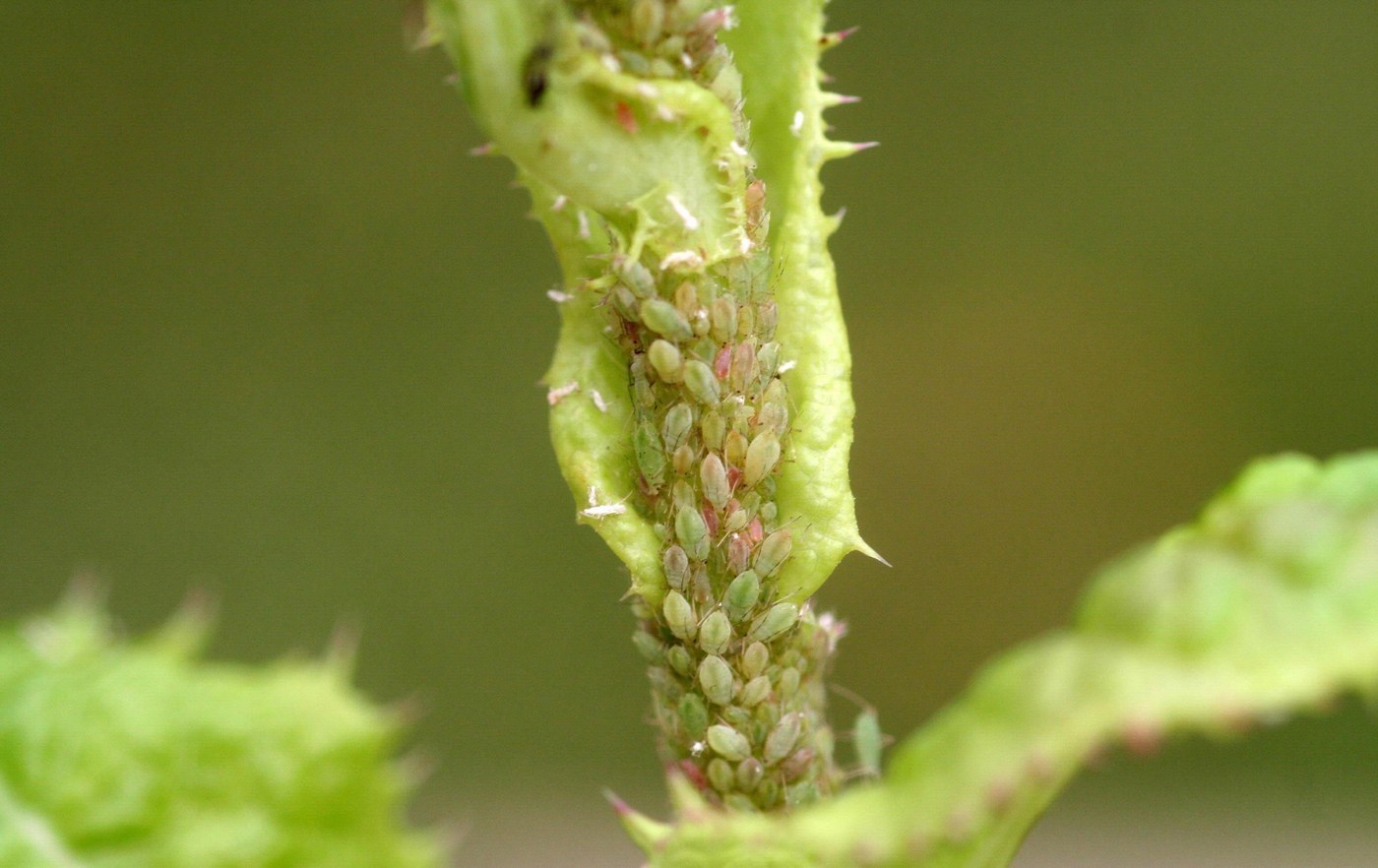
Aphid
On stems, leaves, and buds of a very wide range of host plants
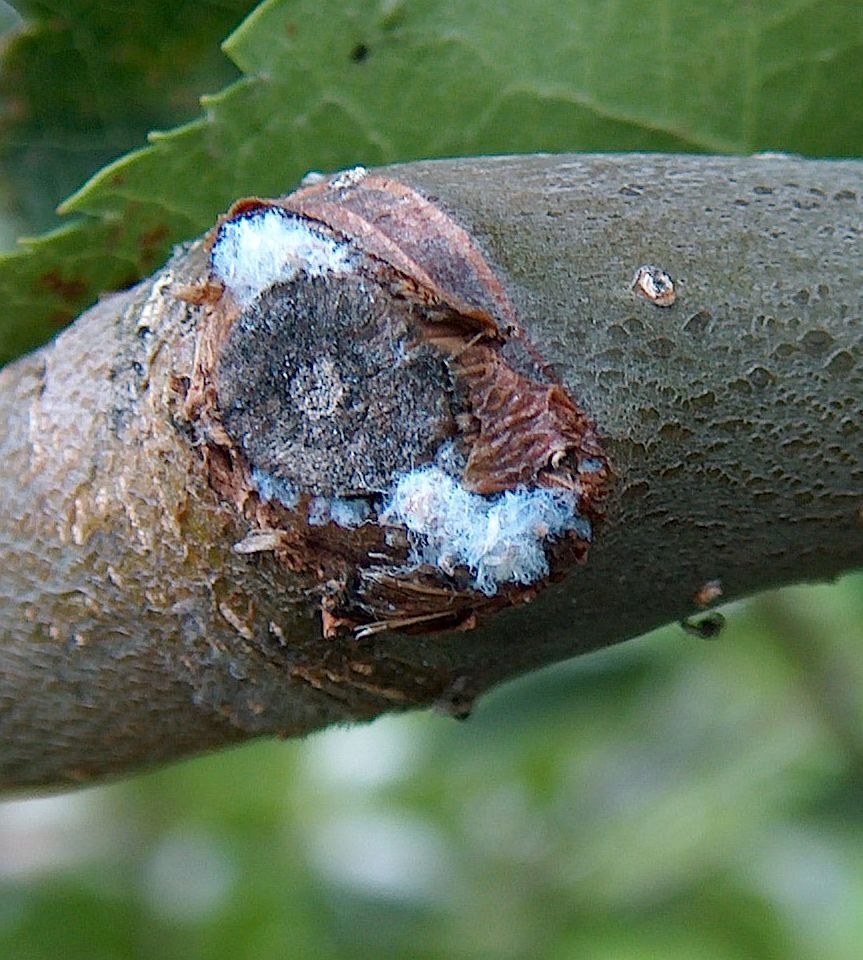
Woolly Aphid
Bark crevices, root collars, and twigs of apple, elm, and alder trees
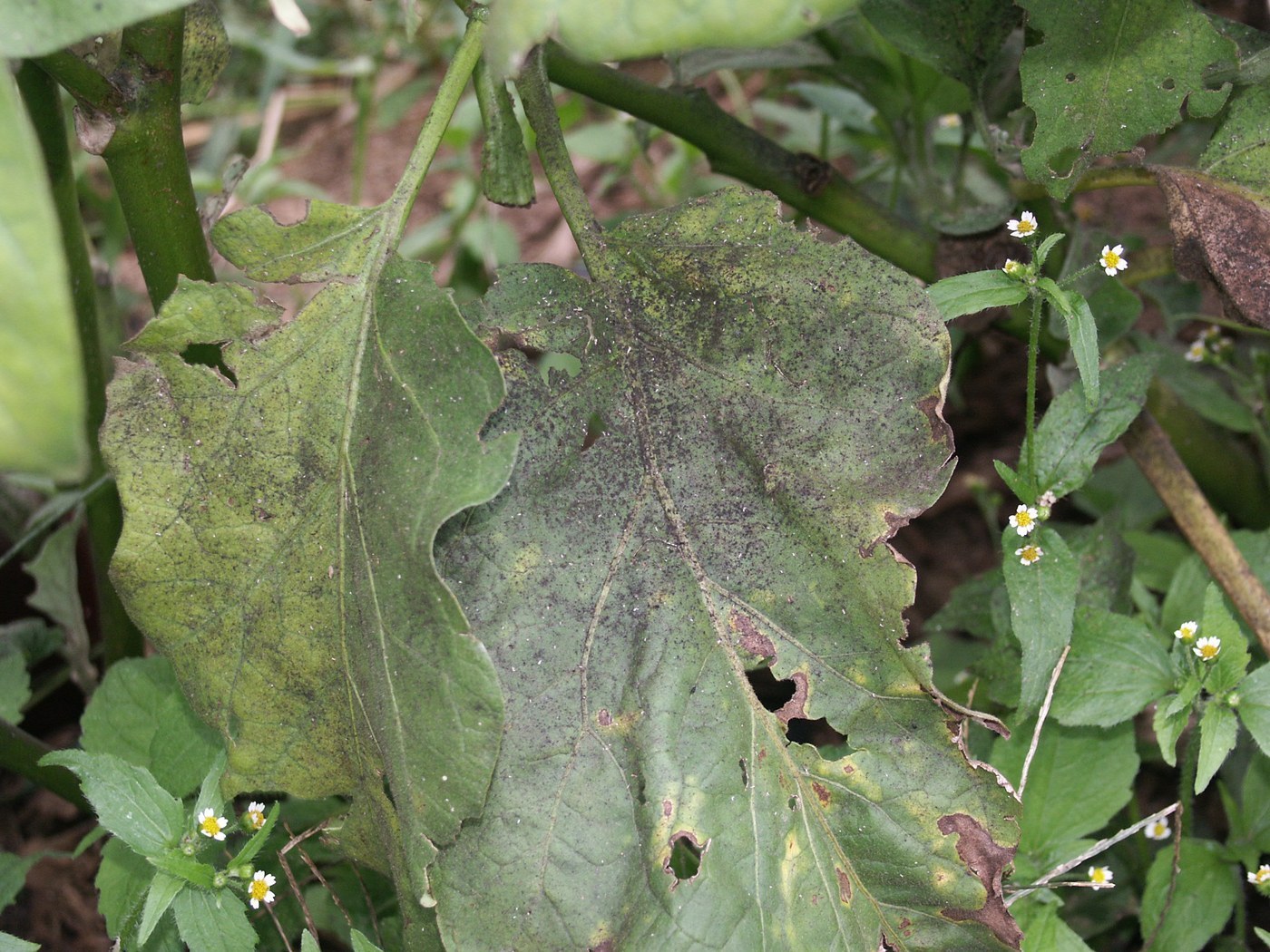
Whitefly
Greenhouses, gardens, and undersides of leaves on host plants
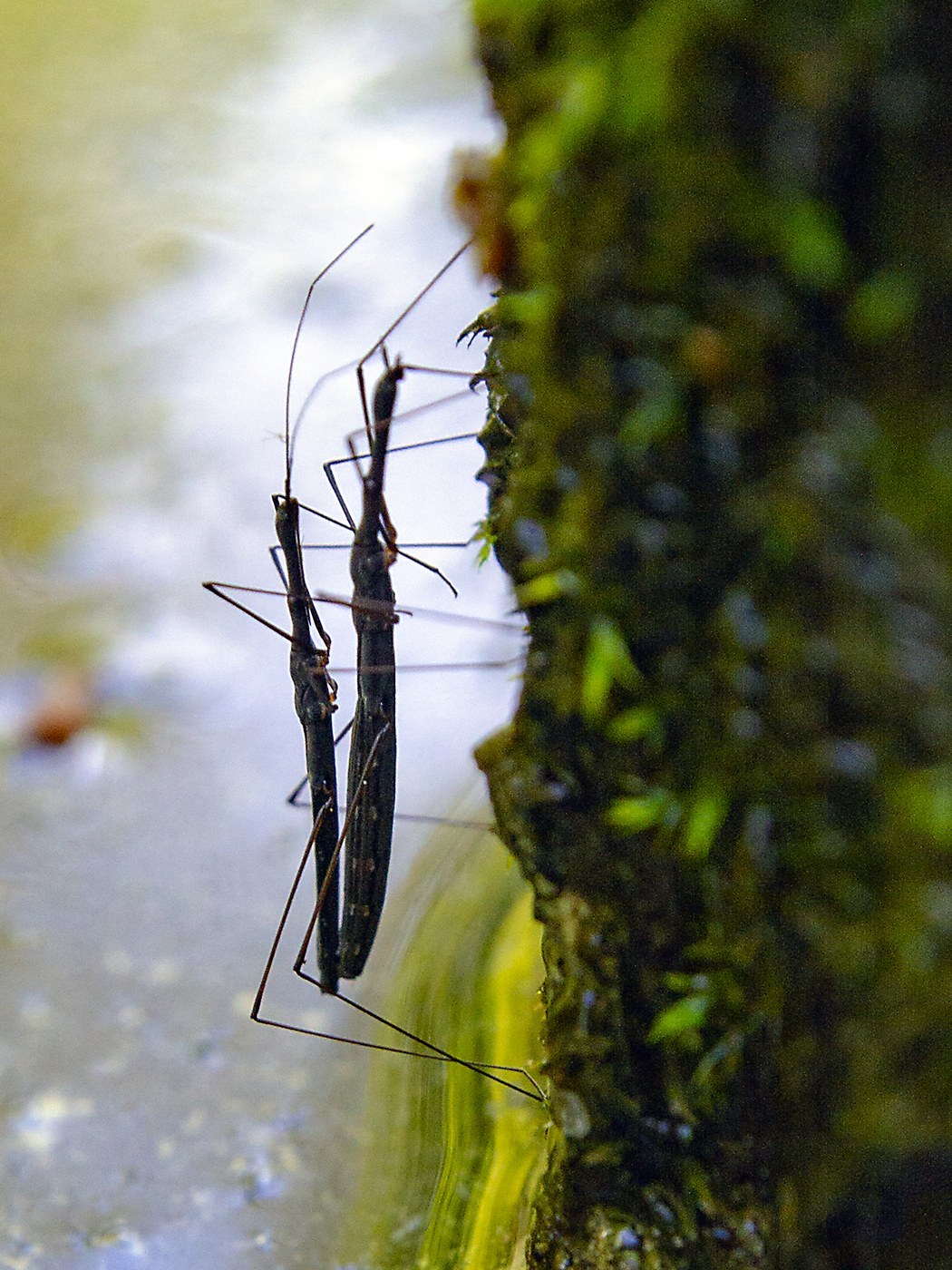
Water Measurer
Quiet edges of ponds, marshes, and slow streams
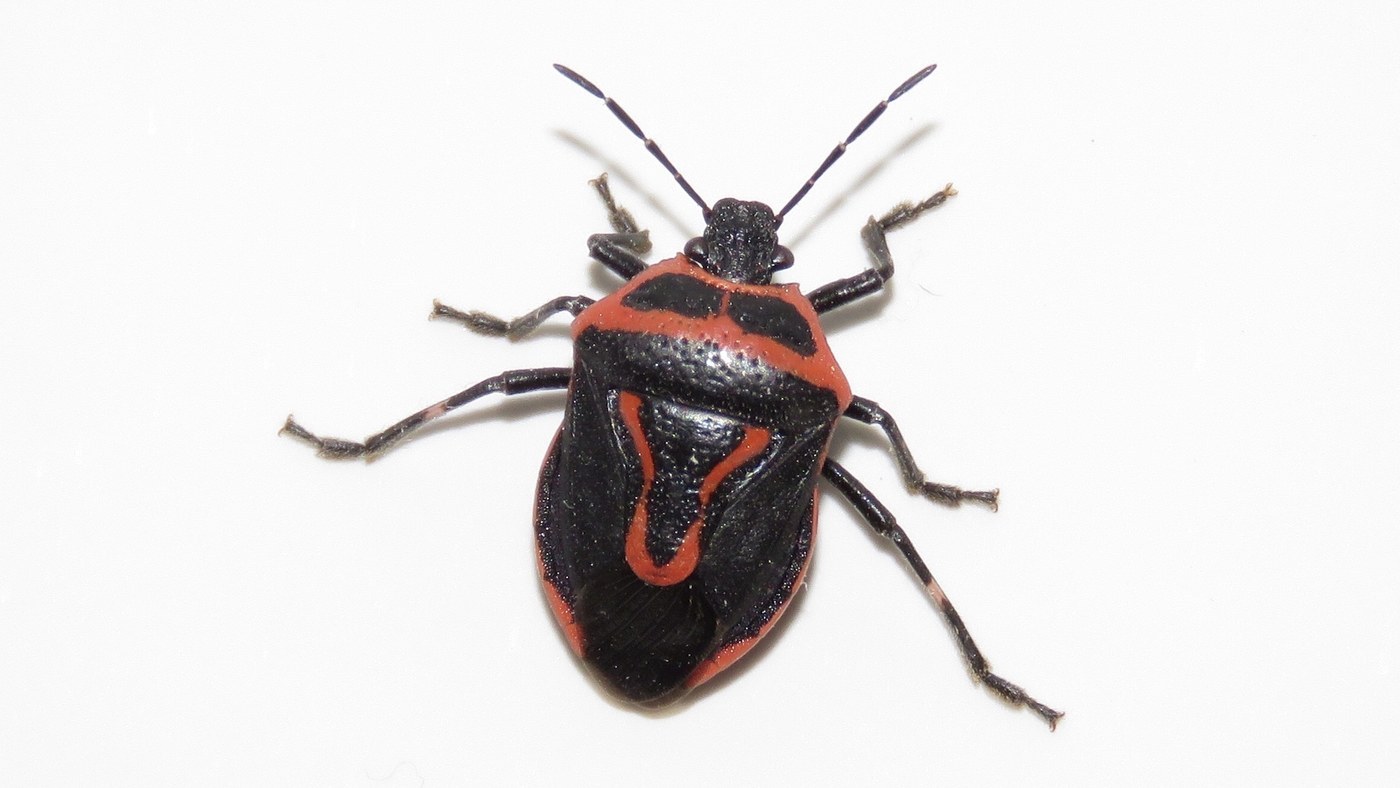
Two-Spotted Stink Bug
Gardens and fields with potato and nightshade-family plants