Brown Lacewing Identification Guide
A small, understated brown relative of the green lacewing, best told apart by its smaller size and duller color.
Read the full Brown Lacewing encyclopedia entry →Key Visual Features
The Brown Lacewing is a small insect, generally around 0.25 to 0.5 inches (6 to 12 mm) long, noticeably smaller and less showy than its green relatives.
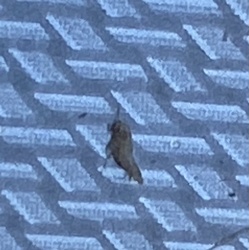
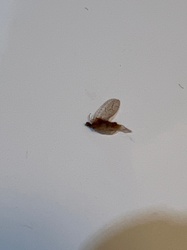
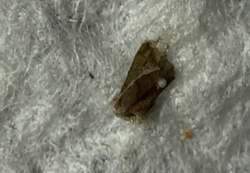
- Color: The body is brown to tan or grayish-brown, lacking the pale green tone of Green Lacewings, and can appear somewhat mottled or dull in coloration.
- Wings: Two pairs of membranous wings held roof-like over the body at rest, each with a fine network of veins similar to other lacewings, though often less conspicuous due to the duller wing color and smaller wing size.
- Eyes: Compound eyes are present but generally less strikingly colored than the metallic gold or copper eyes seen in some Green Lacewings.
- Antennae: Long, thin, thread-like antennae, proportionally similar in length to the body, typical of the lacewing group.
- Body shape: A soft, slender body with a somewhat flattened profile at rest, and a generally more compact, understated appearance overall compared to Green Lacewings.
Where and When You'd See It
Brown Lacewings are found in gardens, woodlands, orchards, and grassy or shrubby habitats across much of North America, often wherever small soft-bodied insects are present on plant foliage. They are active through the warmer months, from spring into fall, and unlike many Green Lacewings, adult Brown Lacewings are less strongly drawn to artificial lights at night, though they can occasionally be found there as well. During the day, look for them resting quietly on leaves and stems in shaded or partly shaded vegetation.
Similar-Looking Species
- Green Lacewing: Larger overall, with a pale green body and wings rather than the brown or tan tones of the Brown Lacewing.
- Small moths: Some tiny brown moths can superficially resemble a resting lacewing, but moths typically have scaly rather than membranous, veined wings and lack the long thread-like antennae held forward.
- Caddisflies: Also have a somewhat mottled brown appearance and roof-like wings, but caddisfly wings are usually hairy rather than clearly netted with fine veins, and their antennae are often longer relative to the body.
Careful attention to overall size, wing color, and the fineness of the wing venation helps separate Brown Lacewings from these similar-looking insects.
Quick ID Checklist
- Small body size, generally under half an inch
- Brown, tan, or grayish-brown body and wing color
- Wings held roof-like over the body with fine, lace-like venation
- Long, thin, thread-like antennae
- Found resting on foliage in gardens, woodlands, and shrubby habitats
Frequently asked questions
How is the Brown Lacewing different from the Green Lacewing?
The Brown Lacewing is smaller and colored in brown, tan, or grayish tones, while the Green Lacewing is larger with a pale green body and wings and often more strikingly colored eyes.
Is the Brown Lacewing as attracted to lights as the Green Lacewing?
It tends to be less strongly drawn to artificial lights at night compared to many Green Lacewings, so it is more commonly encountered resting on foliage during the day.
What does the wing venation look like on a Brown Lacewing?
The wings show a fine network of veins similar to other lacewings, though the pattern can be less noticeable because of the smaller wing size and duller brown coloring.
Where is the best place to look for Brown Lacewings?
Check the undersides of leaves and stems in gardens, orchards, woodlands, and shrubby vegetation, where they tend to rest quietly during the day.
Brown Lacewing identified by the community
Recent Brown Lacewing finds identified with Bug Identifier.