Bumblebee Identification Guide
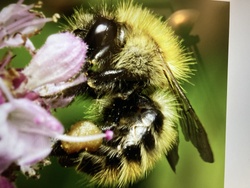
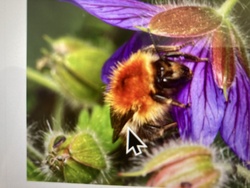
Identify a bumblebee by its large, round, extremely fuzzy body and bold black-and-yellow (or orange) banding.
Read the full Bumblebee encyclopedia entry →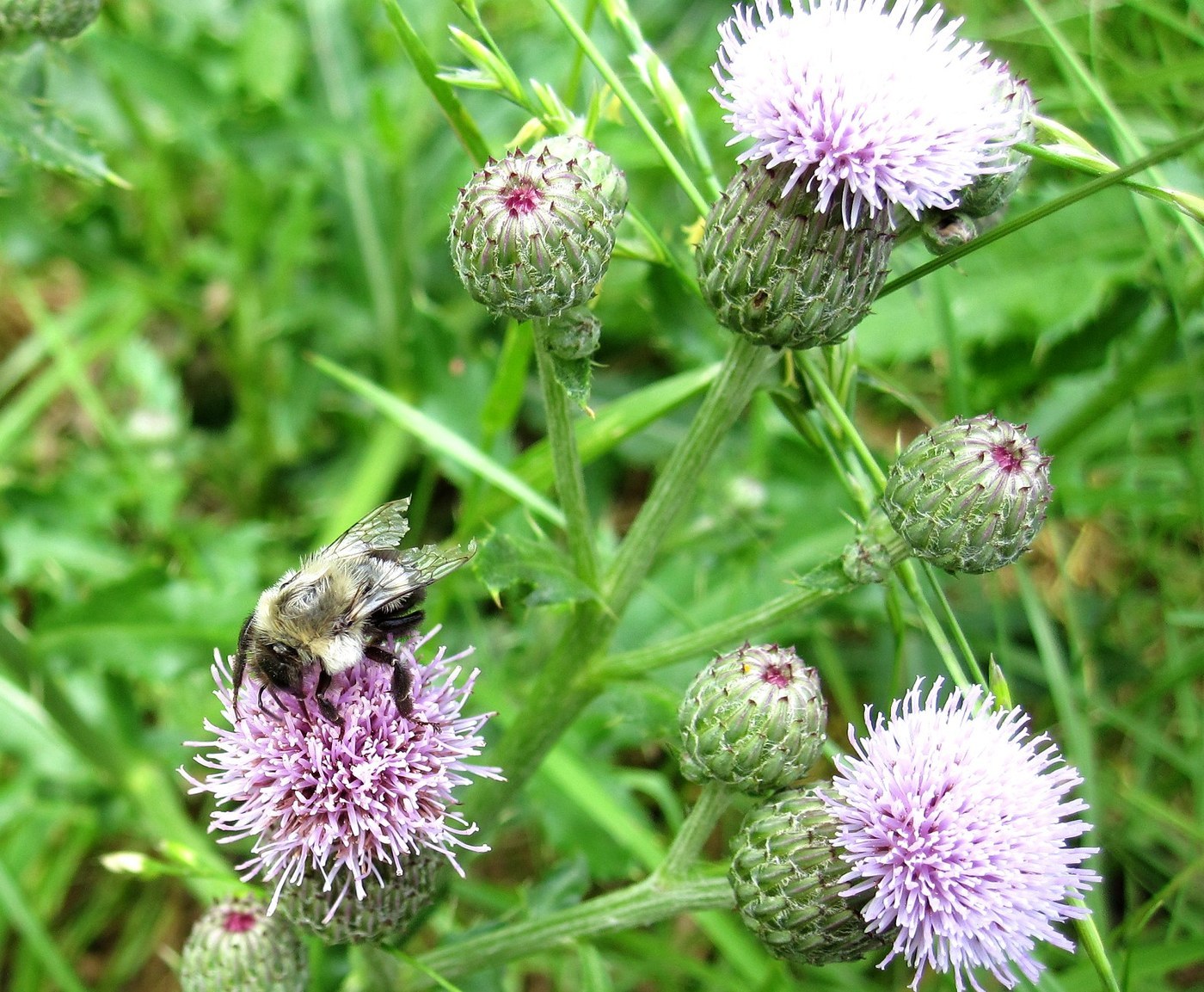
Key Visual Features
Bumblebees are large, robust bees known for their dense, plush fuzz and rounded body shape.
- Size: About 1/2 to 1 inch (13–25 mm) long, making them noticeably larger and bulkier than honey bees; queens are the largest members of a colony.
- Color: Bold bands of black and yellow, and in some species black and orange, with color patterns varying by species.
- Body shape: Very round, plump, and densely covered in long, soft hair (pile) over the entire body, including the legs.
- Legs: Hind legs of worker bumblebees carry a smooth, shiny pollen basket, similar in function to a honey bee's but on a fuzzier leg.
- Wings: Two pairs of wings that appear small relative to the large, rounded body, producing a low, heavy buzzing sound in flight.
- Head: Relatively small compared to the body, with a short-to-medium tongue length depending on species.
Where and When You'll See Them
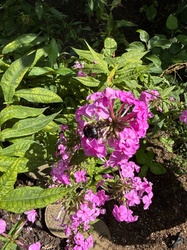
Bumblebees are found in gardens, meadows, woodland edges, and other areas with abundant flowering plants, often nesting in small colonies in the ground, in abandoned rodent burrows, under grass tussocks, or in other sheltered cavities. They tend to be active earlier in the morning and in cooler conditions than many other bees, since their fuzzy coat and ability to generate body heat let them fly in cooler temperatures. Activity is heaviest from spring through summer, with colonies typically dying back in fall except for newly mated queens, which overwinter alone.
Similar-Looking Insects
- Honey bees: Slimmer and less fuzzy, with a more sleekly banded abdomen and a smaller overall body size.
- Carpenter bees: Similar large size and black-and-yellow coloring but have a shiny, mostly hairless, glossy black abdomen, unlike the fully fuzzy abdomen of a bumblebee.
- Robber flies and bee-mimicking flies: Some large flies mimic bumblebee coloring and fuzz but have only one pair of wings and large, fly-like eyes rather than the bee's smaller eyes and two wing pairs.
Quick ID Checklist
- Large, round, extremely fuzzy body, 1/2–1 inch long
- Bold black-and-yellow or black-and-orange banding
- Hair covers the entire body, including legs
- Small wings relative to body size; slow, heavy buzzing flight
- Nests in small ground-level or cavity colonies near flowers
Frequently asked questions
How do I tell a bumblebee from a carpenter bee?
Carpenter bees have a shiny, mostly hairless black abdomen, while bumblebees are fuzzy over their entire body, including the abdomen, making the texture of the abdomen the easiest way to tell them apart.
Why do bumblebees look bigger and fuzzier than honey bees?
Bumblebees have a naturally bulkier body shape and a denser coat of hair, which also helps them stay warm and remain active in cooler temperatures than honey bees typically tolerate.
Where do bumblebees build their nests?
They often nest in small colonies in sheltered spots like abandoned rodent burrows, under clumps of grass, or in other ground-level or low cavities, unlike the large hives built by honey bees.
Are all bumblebees black and yellow?
Most show bold black-and-yellow banding, but some species have orange or reddish bands instead, so exact color patterns can vary between the many different bumblebee species.
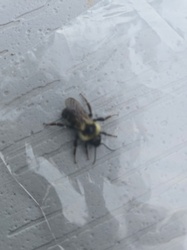
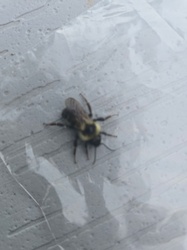
Bumblebee identified by the community
Recent Bumblebee finds identified with Bug Identifier.