
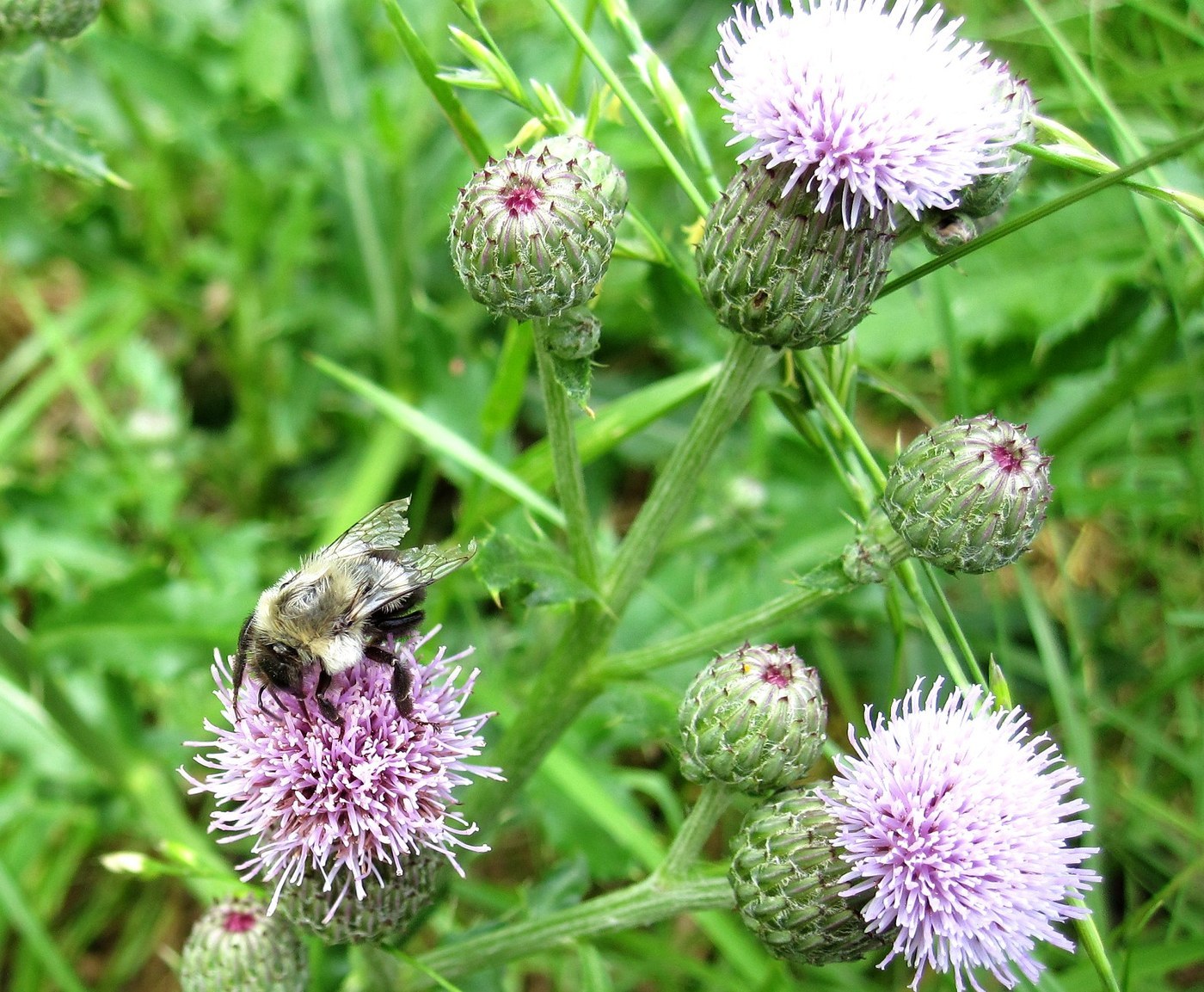
Bumblebee
Bombus impatiens
A large, round, densely furry bee with bold black-and-yellow banding, known for its loud, low-pitched buzz and its ability to fly and forage in cooler temperatures than most other bees.
- Size
- 15–25 mm
- Habitat
- Meadows, gardens, hedgerows, and open woodland edges
- Danger
- Stings
Spotted a bug like this?
Identify any bug or insect from a photo, free.
Overview
Bumblebees, genus Bombus, belong to the family Apidae within the order Hymenoptera, the same broad family that includes honey bees. Around 250 species of bumblebee are found across temperate and cold regions of the Northern Hemisphere as well as parts of South America.
Bumblebees are notable for their large, robust, densely hairy bodies, which allow them to generate body heat through muscle vibration and forage in cooler, cloudier conditions than most other bee species can tolerate. They are also known for buzz pollination, a technique in which they vibrate their flight muscles to shake pollen loose from certain flowers.
Ecologically, bumblebees are important pollinators of wildflowers and many crops, particularly plants that benefit from buzz pollination such as tomatoes and blueberries, making them a key group for both natural ecosystems and agriculture.
How to Identify
- Large, rounded, robust body covered densely in long, soft hair (pile).
- Bold banding pattern of black and yellow, sometimes with orange or white segments depending on species.
- Two pairs of translucent wings relatively small compared to the bulky body.
- Thick hind legs with pollen baskets used to carry collected pollen.
- Lookalikes: carpenter bees look similar in size but have a shiny, mostly hairless black abdomen, whereas bumblebees have a fully hair-covered abdomen.
Habitat & Range
Bumblebees are found across temperate regions of North America, Europe, and Asia, favoring meadows, gardens, hedgerows, and woodland edges rich in flowering plants. They are active from early spring through fall, often among the first and last bees seen foraging each season due to their cold tolerance, and typically nest in abandoned rodent burrows, thick grass tussocks, or other insulated cavities.
Behavior & Diet
Bumblebees forage on nectar and pollen from a wide range of flowering plants, using rapid wingbeat vibrations to warm their flight muscles before takeoff in cool weather. They are especially known for buzz pollination, gripping a flower and vibrating to release pollen that would otherwise remain trapped. Colonies are smaller and less complex than honey bee hives, typically numbering from dozens to a few hundred workers, and defend the nest by stinging if directly threatened.
Life Cycle
Bumblebees undergo complete metamorphosis: egg, larva, pupa, and adult. In spring, a solitary overwintered queen founds a new nest, laying eggs that develop into worker larvae fed pollen and nectar within wax cells. The colony grows through summer, eventually producing new queens and males in late summer, after which the old colony dies off; only mated new queens survive through winter in sheltered hibernation to start the cycle again the following spring.
Frequently asked questions
How is a bumblebee different from a honey bee?
Bumblebees are larger, rounder, and much more densely furry, while honey bees are slimmer with a smoother, more sparsely haired amber-and-black body.
Do bumblebee colonies survive the winter?
No, only newly mated queens overwinter individually; the rest of the colony dies off at the end of the season.
Where do bumblebees build their nests?
They commonly nest in abandoned rodent burrows, dense grass tussocks, or other sheltered, insulated cavities close to the ground.
Why do bumblebees seem active even on cool or cloudy days?
Their dense fur and ability to generate heat by vibrating their flight muscles let them forage in cooler temperatures than many other bees can tolerate.
Bumblebee guides
In-depth guides for identifying, understanding, and living alongside Bumblebee.
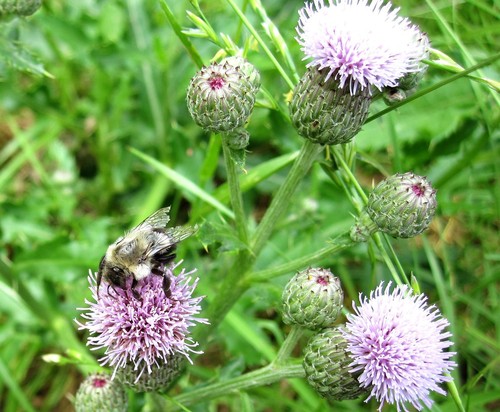
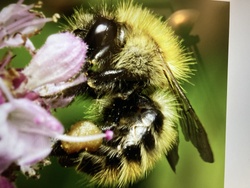
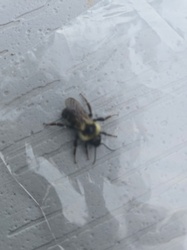
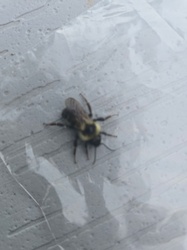
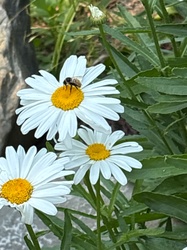
Bumblebee identified by the community
Real finds identified with Bug Identifier.

Other bugs you may enjoy
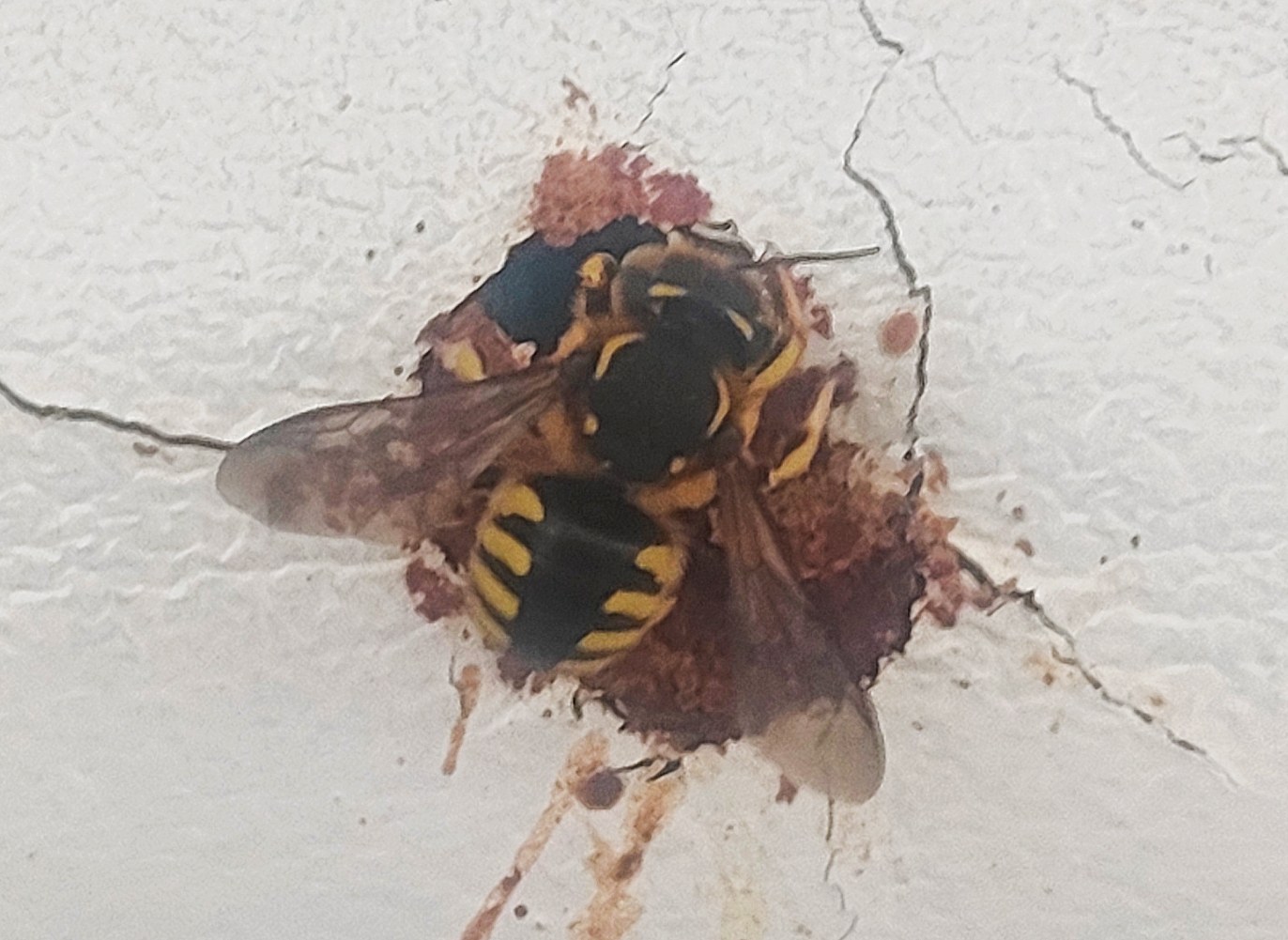
Wool Carder Bee
Gardens, meadows, urban green spaces with fuzzy-leaved plants
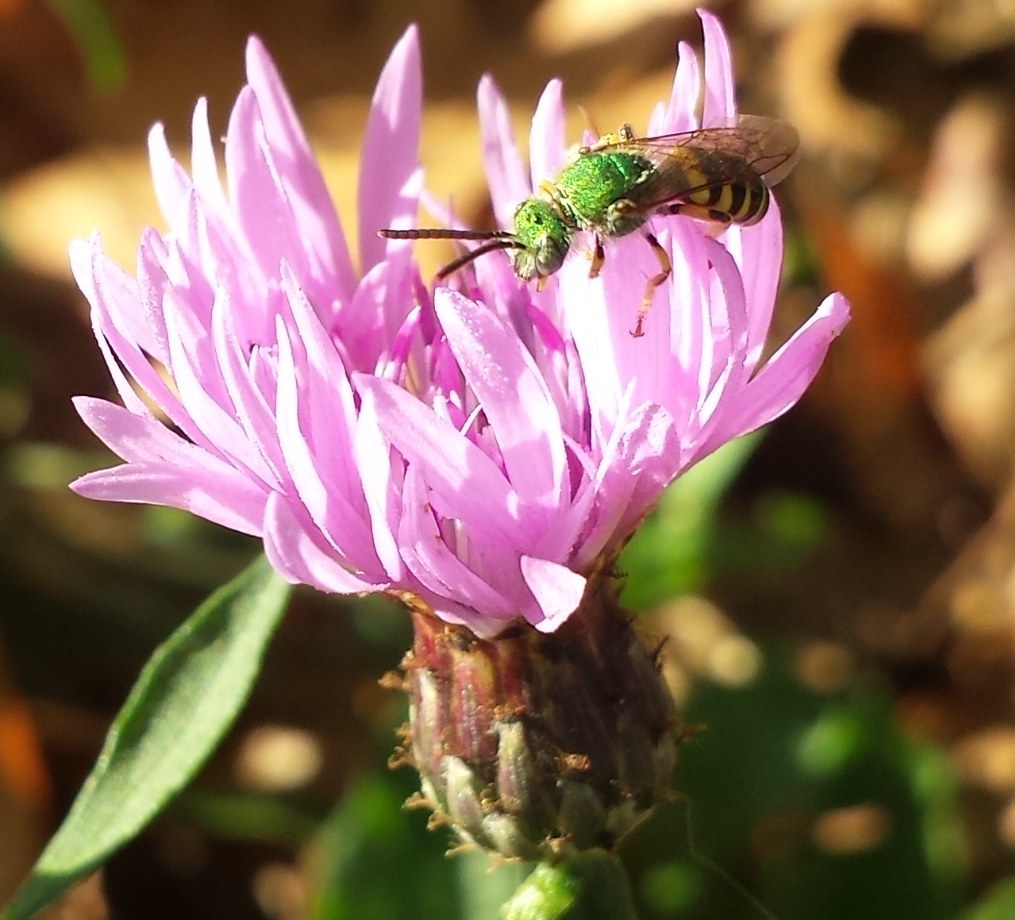
Sweat Bee
Gardens, meadows, and bare or sandy soil worldwide
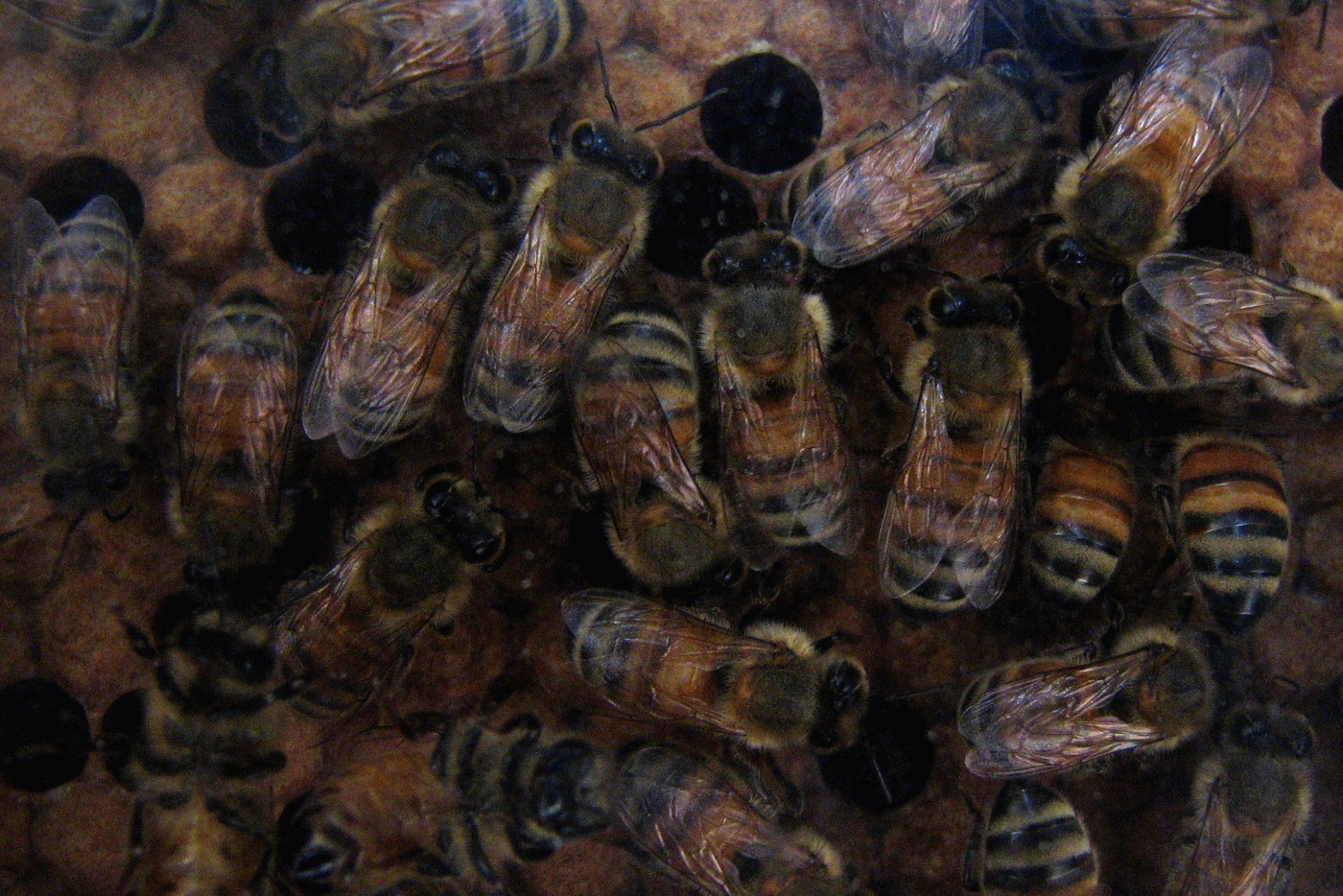
Western Honey Bee
Managed hives and wild colonies in tree cavities, worldwide in temperate and tropical climates
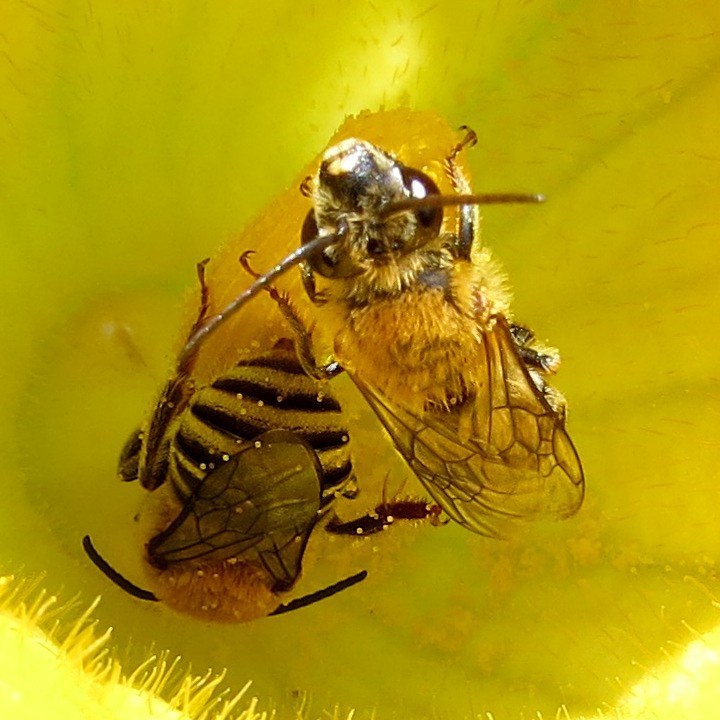
Squash Bee
Vegetable gardens and farm fields growing squash, pumpkin, and gourd plants
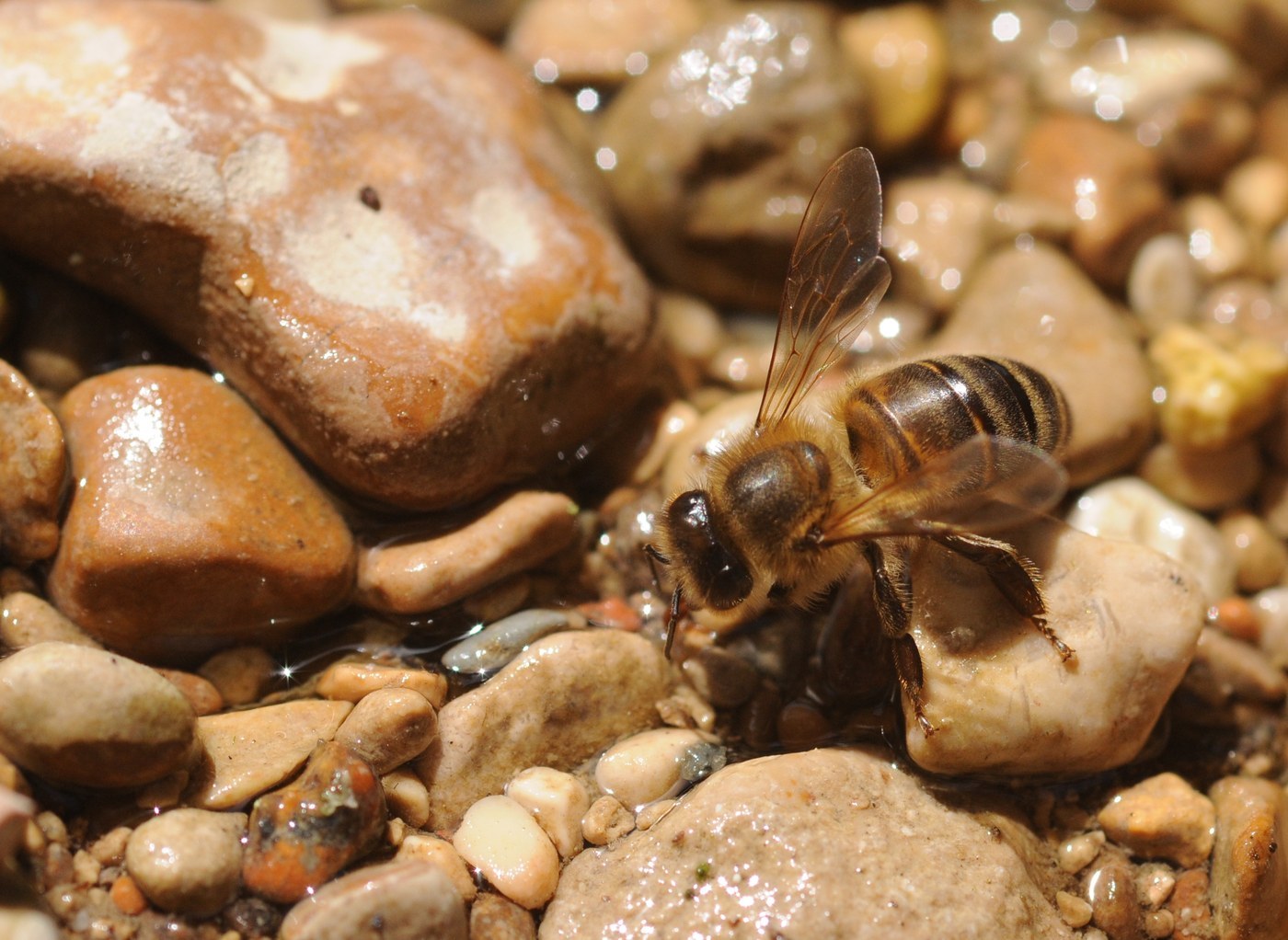
Honey Bee
Flowering meadows, gardens, orchards, and managed hives
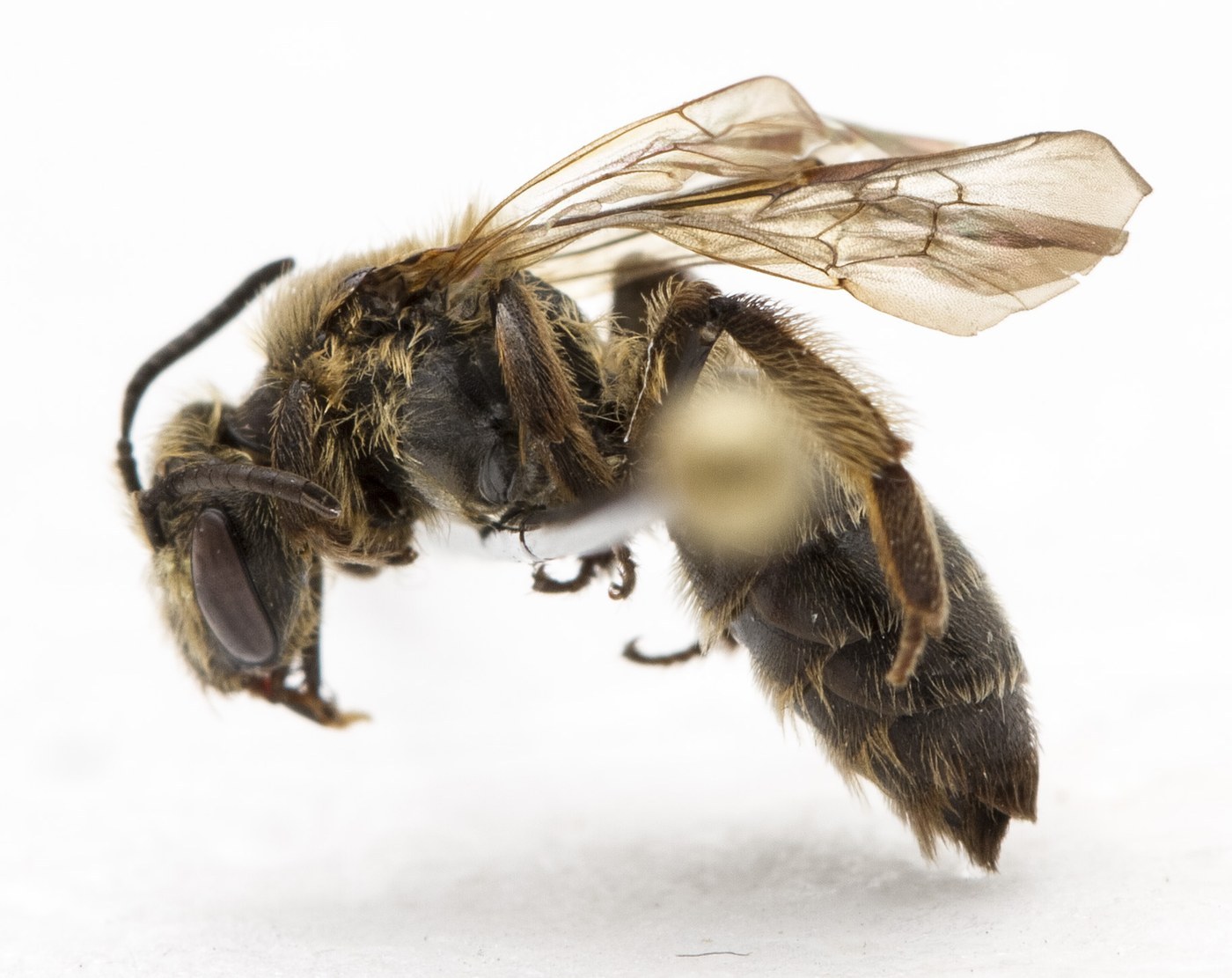
Mining Bee
Bare or sparsely vegetated soil, lawns, gardens, woodland edges
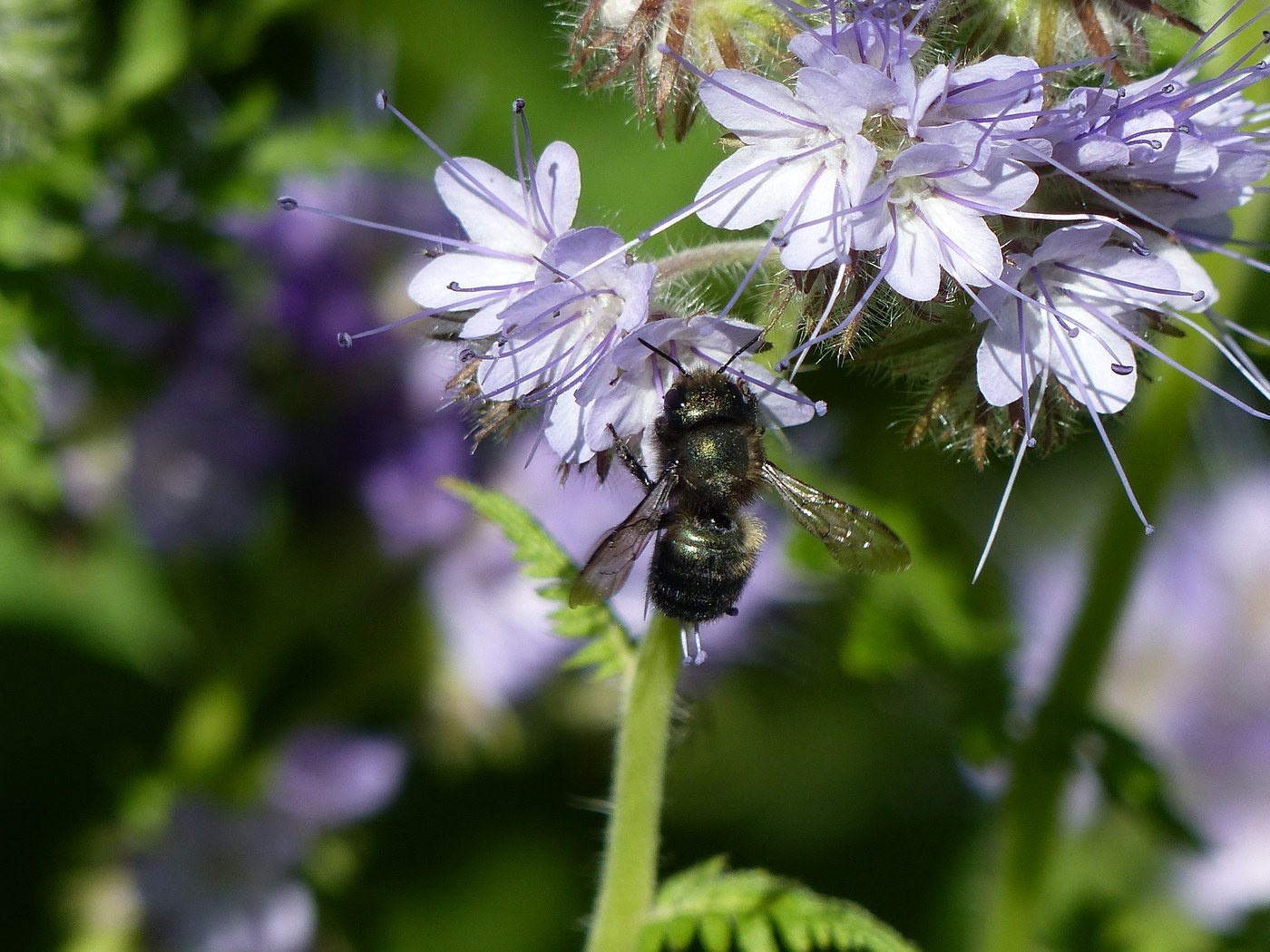
Mason Bee
Orchards, gardens, and wooded edges across temperate regions
Longhorn Bee
Prairies, meadows, gardens, sunflower and aster fields
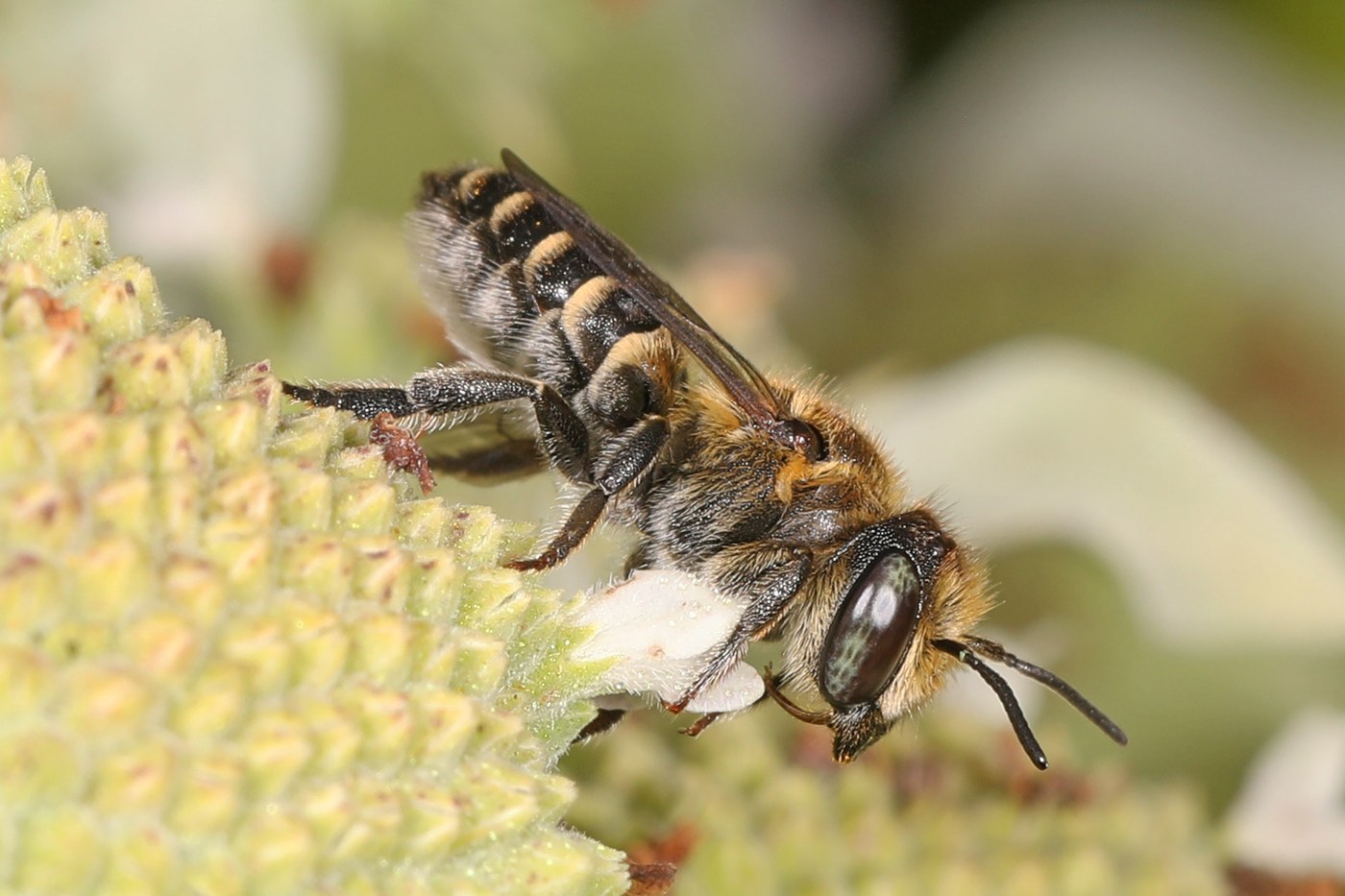
Leafcutter Bee
Gardens, meadows, and agricultural fields across temperate and subtropical regions
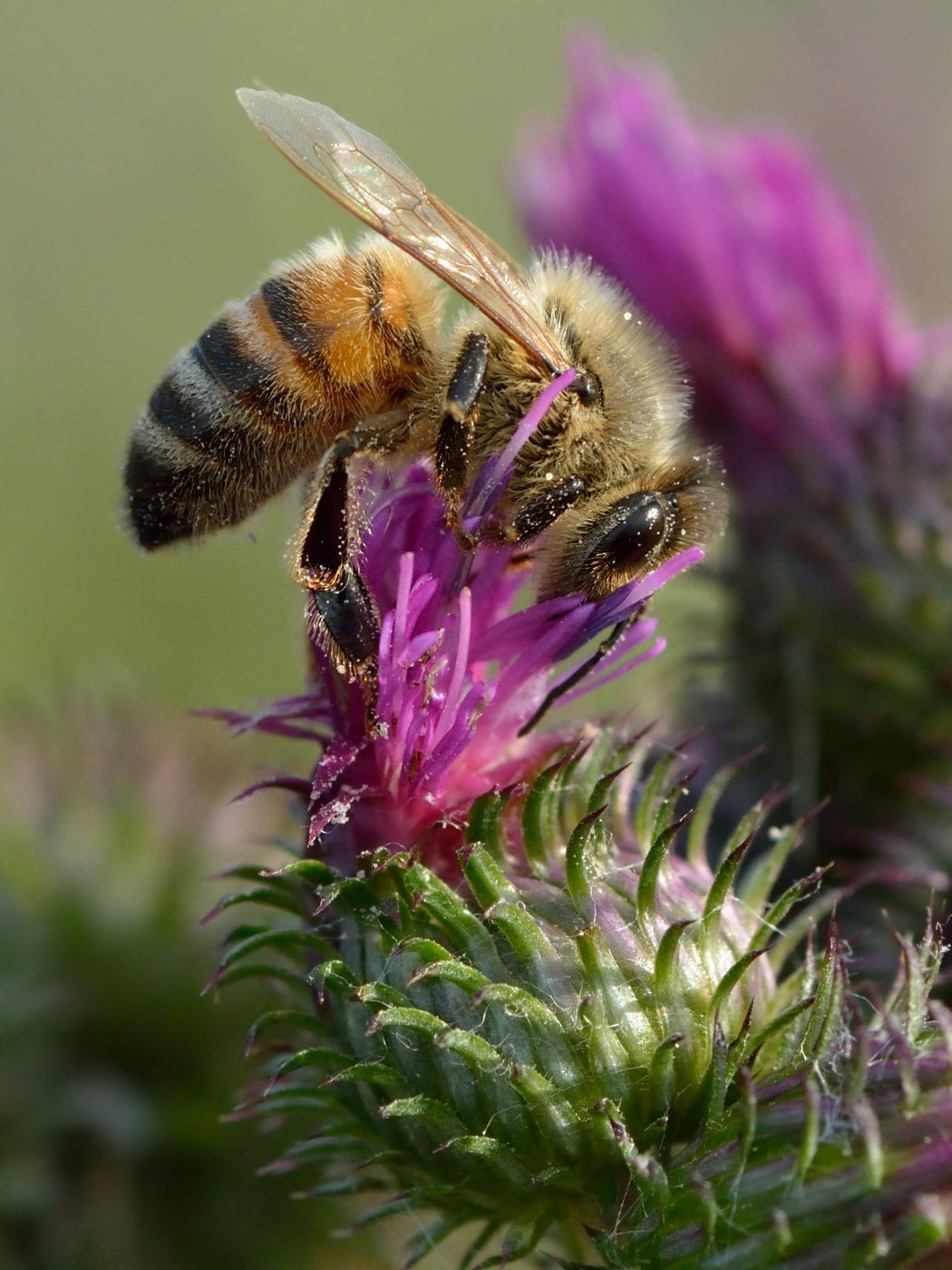
Honeybee
Managed hives, tree cavities, gardens, farmland, meadows
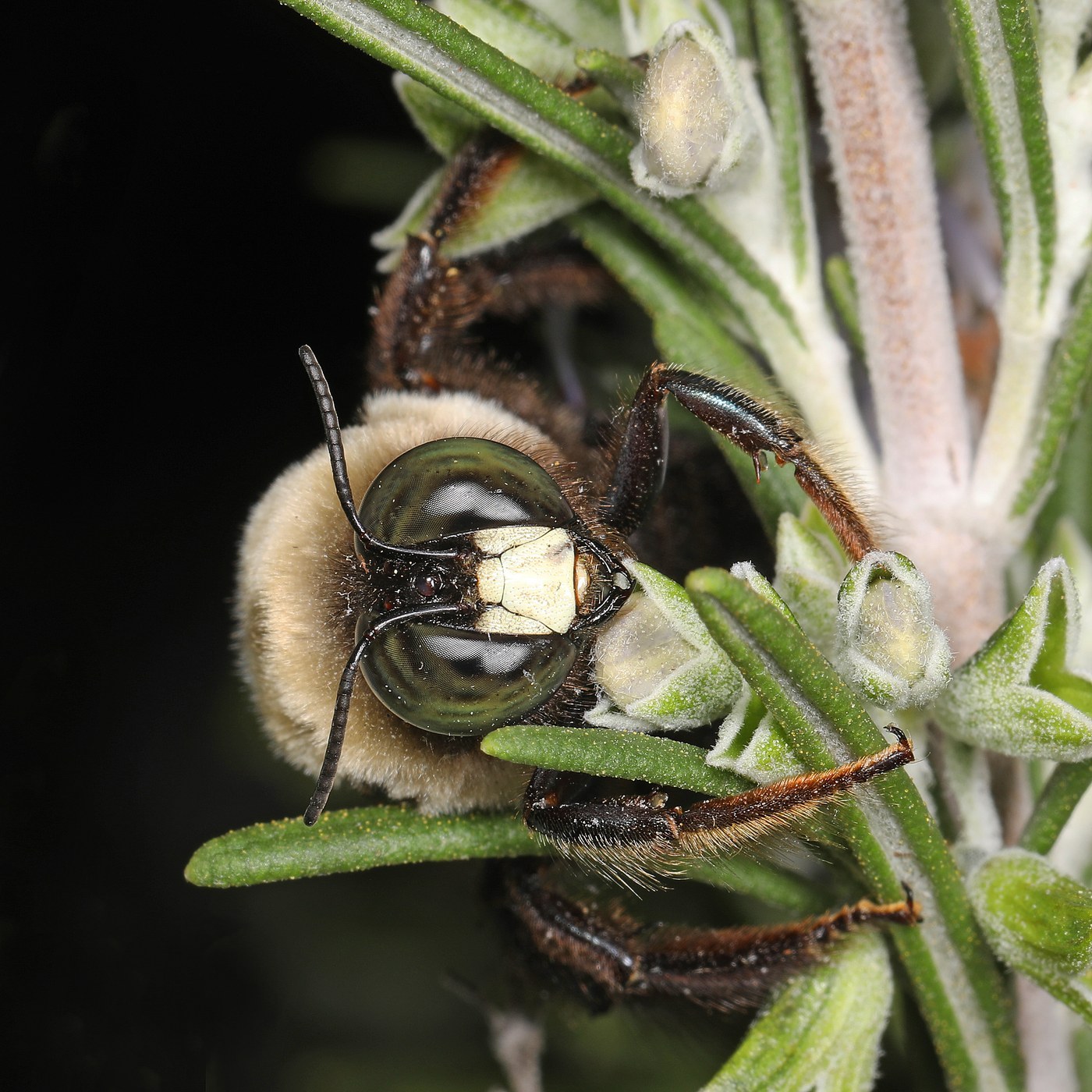
Carpenter Bee
Wooden structures, dead trees, and gardens across temperate and tropical regions
Bumble Bee Queen
Meadows, gardens, woodland edges; underground burrows or leaf litter for overwintering