Caddisfly Identification Guide
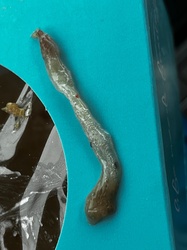
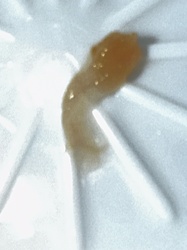
Identify this moth-like, hairy-winged insect that spends its larval life in a self-built case underwater.
Read the full Caddisfly encyclopedia entry →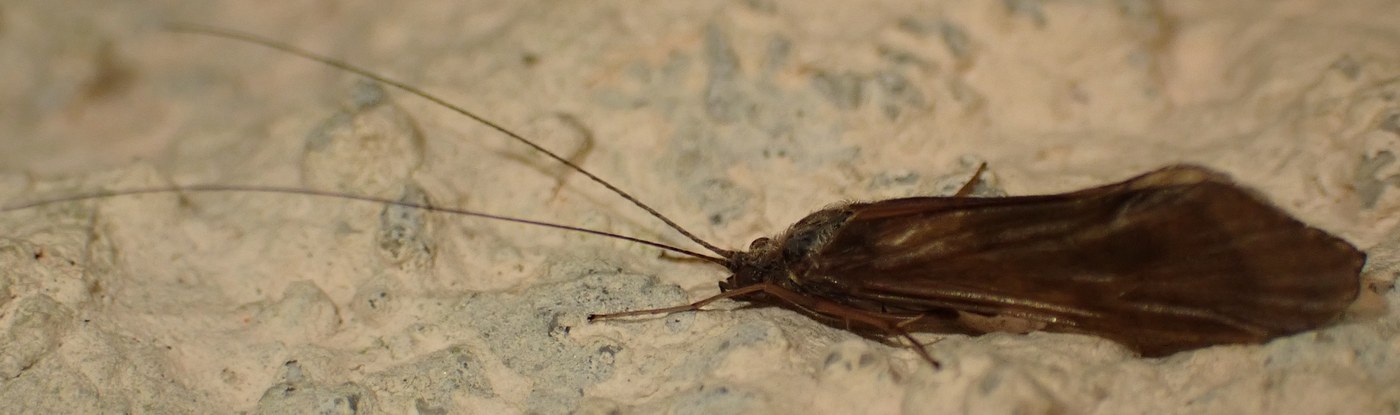
Key Visual Features
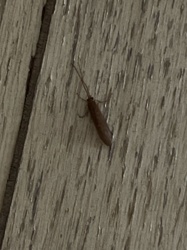
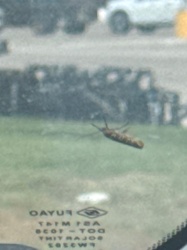
Adult caddisflies resemble small drab moths but are structured quite differently. Key features include:
- A body length of roughly 0.25 to 1 inch depending on species
- Two pairs of wings covered in fine hairs (not the powdery scales of moths), usually held tent-like, sloped over the back at rest
- Long, thread-like antennae that are often as long as or longer than the body — a strong distinguishing trait
- Reduced or non-functional mouthparts, since adults feed very little
- Overall coloring in muted browns, tans, and greys, often with mottled wing patterns
- A somewhat fuzzy or hairy appearance to the body and legs
Where and When You'd See It
Caddisflies are tied closely to clean streams, rivers, ponds, and lakes, since their larvae are aquatic. Adults are most often seen near water at dusk or after dark, frequently gathering near lights, porch lamps, or over the water's surface in large swarms during warmer months, especially late spring through summer. During the day they tend to rest quietly on streamside vegetation, rocks, or bridge structures, folding their wings tightly and staying still until dusk approaches again.
Similar-Looking Bugs
- Moths have wings covered in powdery scales that rub off, while a caddisfly's wings are covered in fine hairs and feel less powdery to the touch.
- Stoneflies have two long tail filaments and hold their wings flatter and more overlapping, and are not found swarming at lights in the same dense way.
- Mayflies have upright, triangular wings and very short-lived adults with obvious long tail filaments, unlike a caddisfly's long antennae and sloped wing posture.
Quick ID Checklist
- Long, thread-like antennae close to body length
- Hairy (not scaly) wings held tent-like over the back
- Moth-like silhouette but drab, mottled coloring
- Found resting near streams, ponds, or lakes
- Active and swarming near water and lights at dusk
Frequently asked questions
How can I tell a caddisfly from a moth without touching it?
Look at the antennae length — caddisflies have long, thread-like antennae often as long as the body, and their wings appear hairy and matte rather than the smooth, scaly wings of most moths.
Why are caddisflies always found near water?
Their larvae are fully aquatic and build protective cases from silk and debris on the streambed or pond bottom, so adults emerge and stay close to that same water source.
What wing position helps identify a resting caddisfly?
At rest, caddisflies fold their wings into a steep tent or roof shape over the abdomen, giving a compact, elongated silhouette.
When is the best time to spot adult caddisflies?
Dusk and after dark during the warmer months are prime times, especially near streamside lights where they commonly gather in numbers.
Caddisfly identified by the community
Recent Caddisfly finds identified with Bug Identifier.