
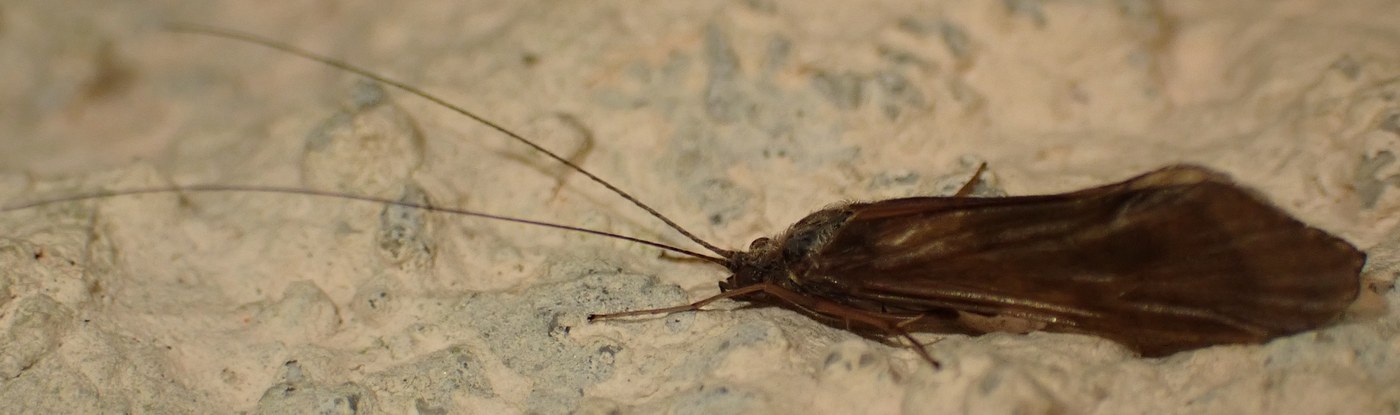
Caddisfly
Trichoptera spp.
A moth-like insect whose larvae are famous for constructing portable protective cases out of silk and whatever sand, twigs, or debris they can find.
- Size
- Body length about 0.6–2.5 cm (0.25–1 in) depending on species
- Habitat
- Streams, rivers, ponds, and lakes with clean water
- Danger
- Harmless
Spotted a bug like this?
Identify any bug or insect from a photo, free.
Overview
Caddisflies make up the order Trichoptera, a diverse group of moth-like insects most closely related to true moths and butterflies, though their wings are covered in fine hairs rather than the flattened scales that give moths their powdery texture. There are thousands of described species worldwide, occupying nearly every kind of freshwater habitat.
The larvae are best known for building elaborate protective cases from silk combined with sand grains, small stones, twigs, or leaf fragments, a behavior unique among aquatic insects and one that varies distinctively by species, allowing biologists to identify many caddisflies from their case architecture alone. Some species instead spin fixed silk nets to filter food from the current rather than building a portable case.
Because caddisfly larvae are highly sensitive to water quality and require clean, well-oxygenated water to thrive, their presence or absence in a stream is widely used by ecologists as a reliable indicator of freshwater health.
How to Identify
- Adult resembles a small, dull-colored moth with wings held tent-like (roof-like) over the body at rest
- Wings covered in fine hairs rather than scales, giving them a somewhat fuzzy or dull texture instead of a moth's powdery sheen
- Long, thread-like antennae, often as long as or longer than the body
- No coiled proboscis like a butterfly or moth; mouthparts are reduced
- Larvae are soft-bodied and often live inside a portable case built from silk and debris (sand, plant bits, tiny stones), though some species are caseless and free-living or net-spinning
- Lookalikes: small moths (caddisflies lack scaled wings and a coiled proboscis)
Habitat & Range
Caddisflies are found worldwide, essentially everywhere there is clean freshwater, including streams, rivers, ponds, and lakes. Larvae occupy a wide range of microhabitats within these waters, from fast riffles to slow pools and still water, depending on species. Adults typically stay close to their natal water body, resting on streamside vegetation, rocks, or structures by day and becoming more active around dusk.
Behavior & Diet
Adult caddisflies feed little, mainly on nectar or not at all in many species, and are most active at dusk and after dark, often drawn to lights near water. Larvae display an unusually wide range of feeding strategies depending on species: some are herbivorous grazers on algae and biofilm, some collect fine organic particles, some are predators of other small invertebrates, and net-spinning species filter drifting food particles directly from the current. As both prey and predator, caddisfly larvae form an important part of freshwater food webs and are a major food source for fish.
Life Cycle
Females lay masses of eggs in or near water, often coated in a gelatinous substance. Larvae hatch and, in case-building species, immediately begin constructing a protective case suited to their species and habitat, growing and lengthening the case through several instars over several months to about a year. Mature larvae seal themselves inside their case or a fixed shelter to pupate underwater. The pupa eventually cuts its way free, swims or crawls to the surface, and emerges as a winged adult, which lives for only a short time to mate and lay eggs.
Frequently asked questions
Why do caddisfly larvae build cases?
The silk-and-debris case provides camouflage and physical protection for the soft-bodied larva as it lives and feeds in the water.
How is a caddisfly different from a moth?
Caddisfly wings are covered in fine hairs rather than the flat scales found on moth and butterfly wings, and they lack a coiled feeding tube.
Why are caddisflies used to judge water quality?
Their larvae generally require clean, well-oxygenated water, so their abundance and diversity reflect the health of a stream or lake.
Do all caddisfly larvae build portable cases?
No, some species instead spin fixed silk nets to filter food from flowing water or live freely without a case.
Caddisfly guides
In-depth guides for identifying, understanding, and living alongside Caddisfly.
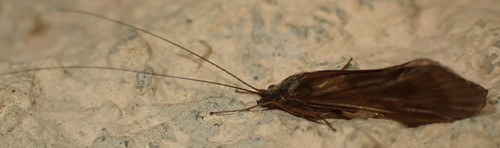
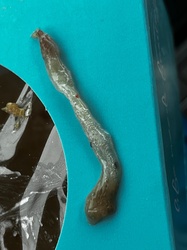
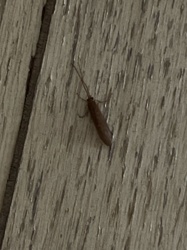
Caddisfly identified by the community
Real finds identified with Bug Identifier.

Other bugs you may enjoy
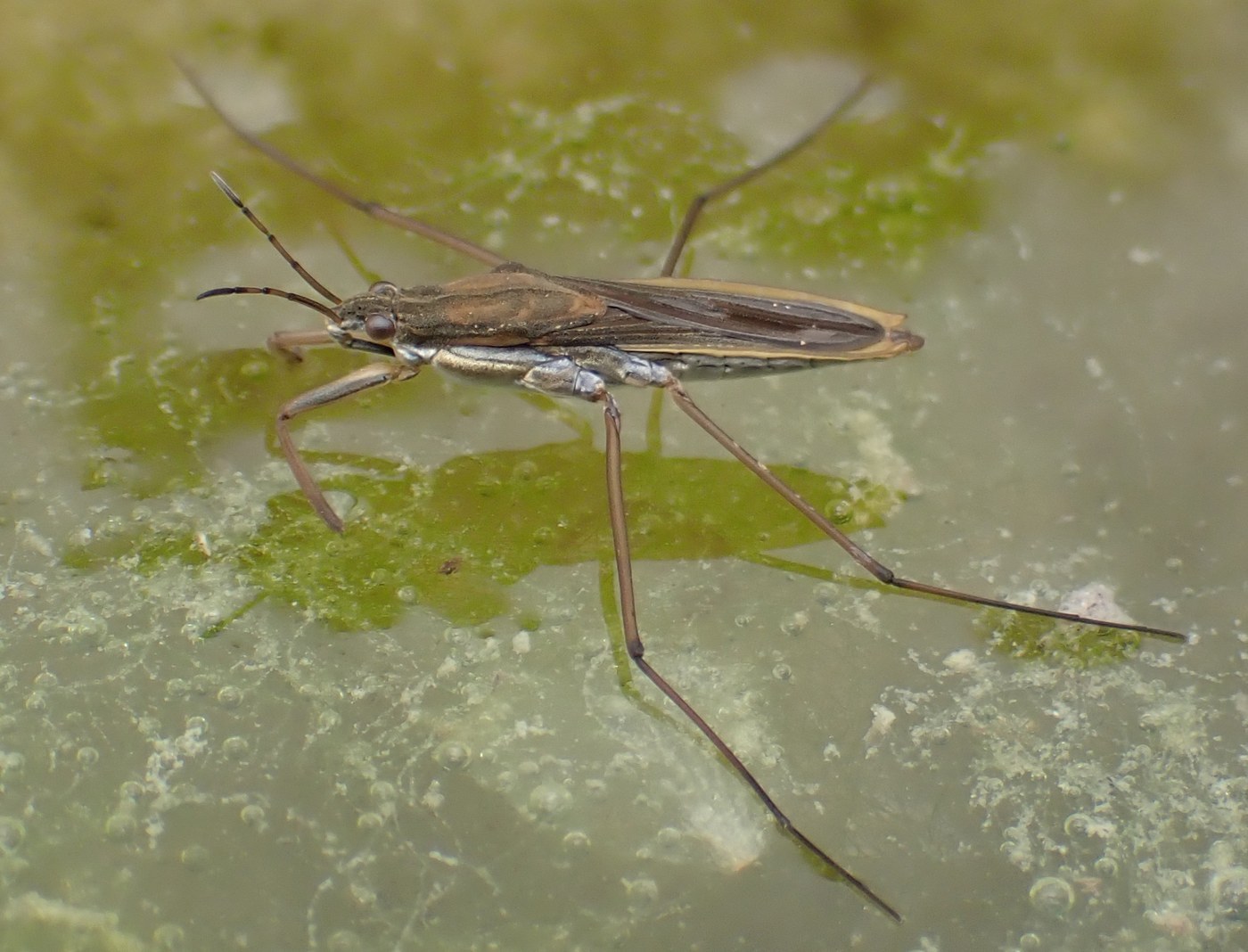
Water Strider
Still or slow-moving fresh water: ponds, lake edges, slow streams, puddles
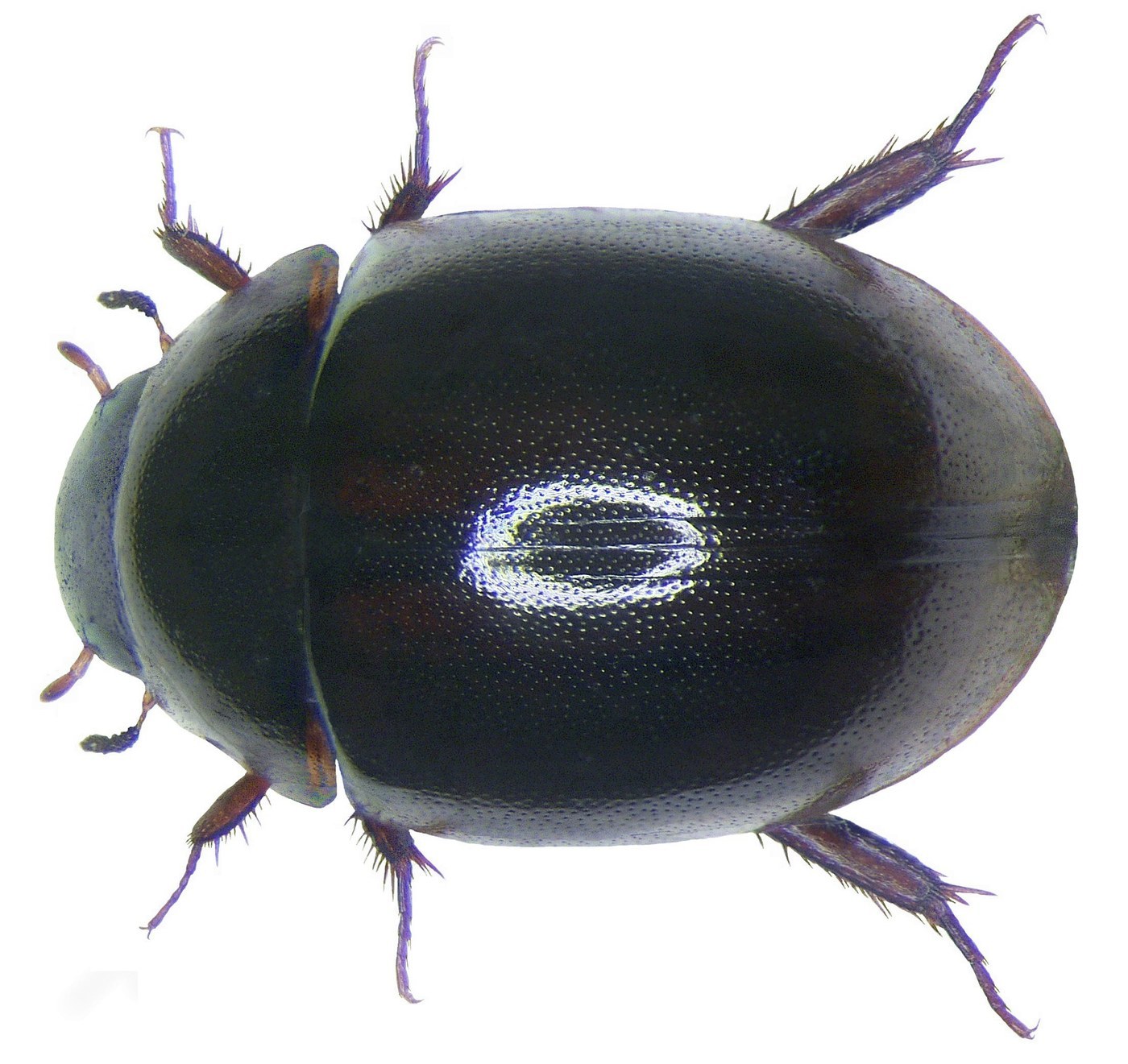
Water Beetle
Ponds, slow streams, marshes, still fresh water
Water Penny Beetle
Fast, rocky, well-oxygenated streams
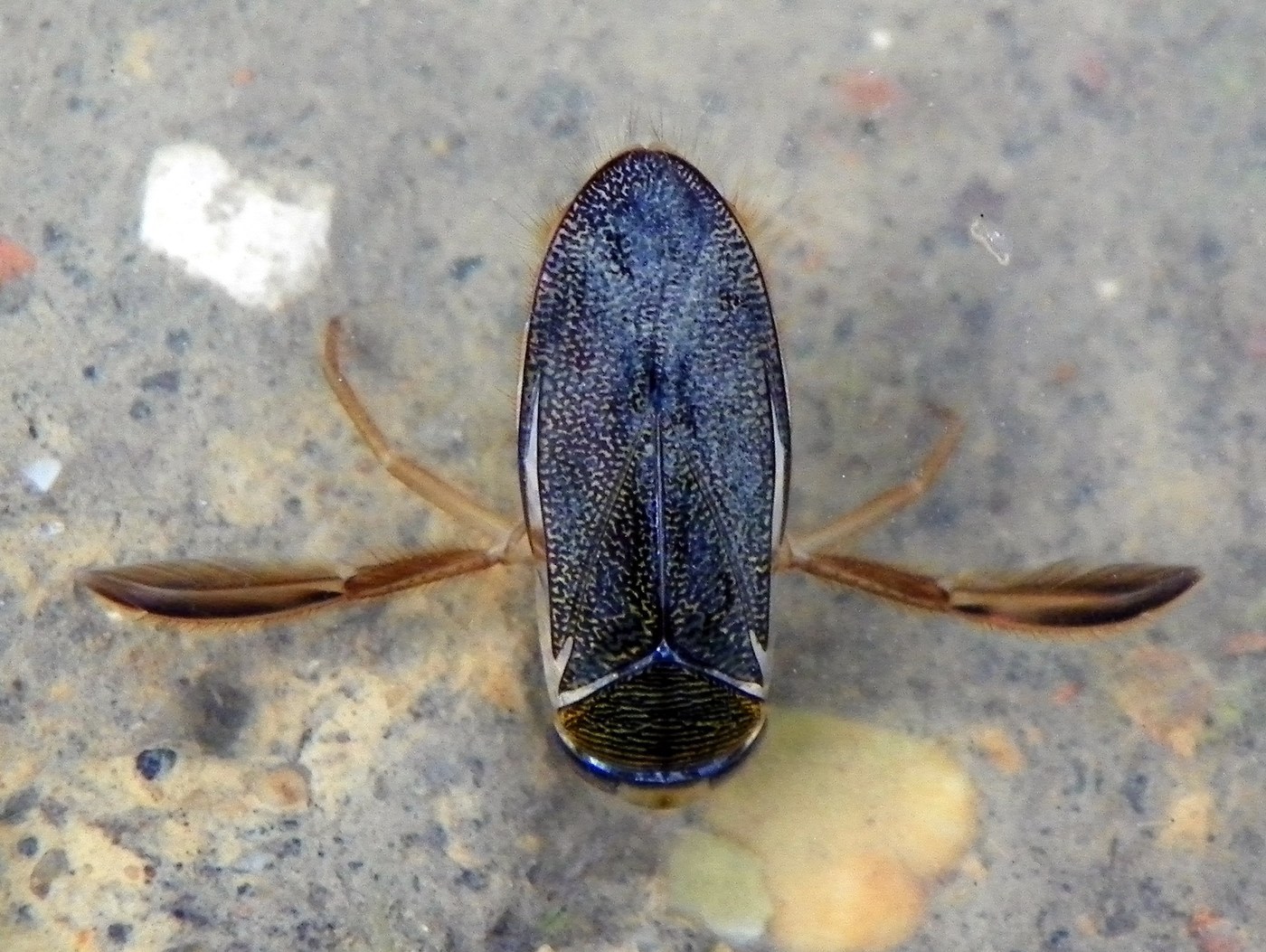
Water Boatman
Ponds, lakes, slow streams, freshwater with vegetation
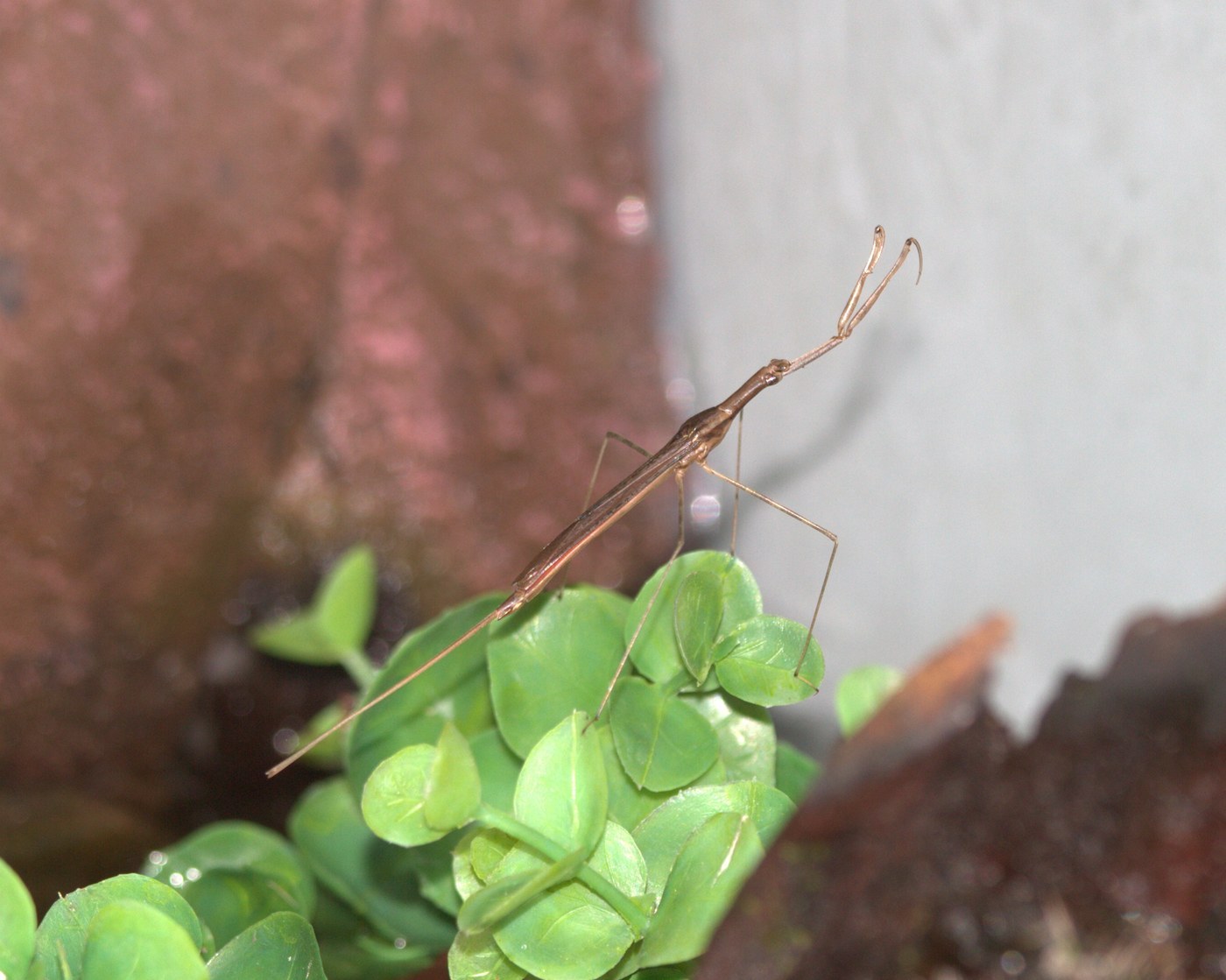
Water Scorpion
Still or slow-moving water with submerged vegetation
Stonefly
Cold, clean, well-oxygenated streams and rivers
Stonefly Nymph
Cold, fast-flowing, well-oxygenated streams
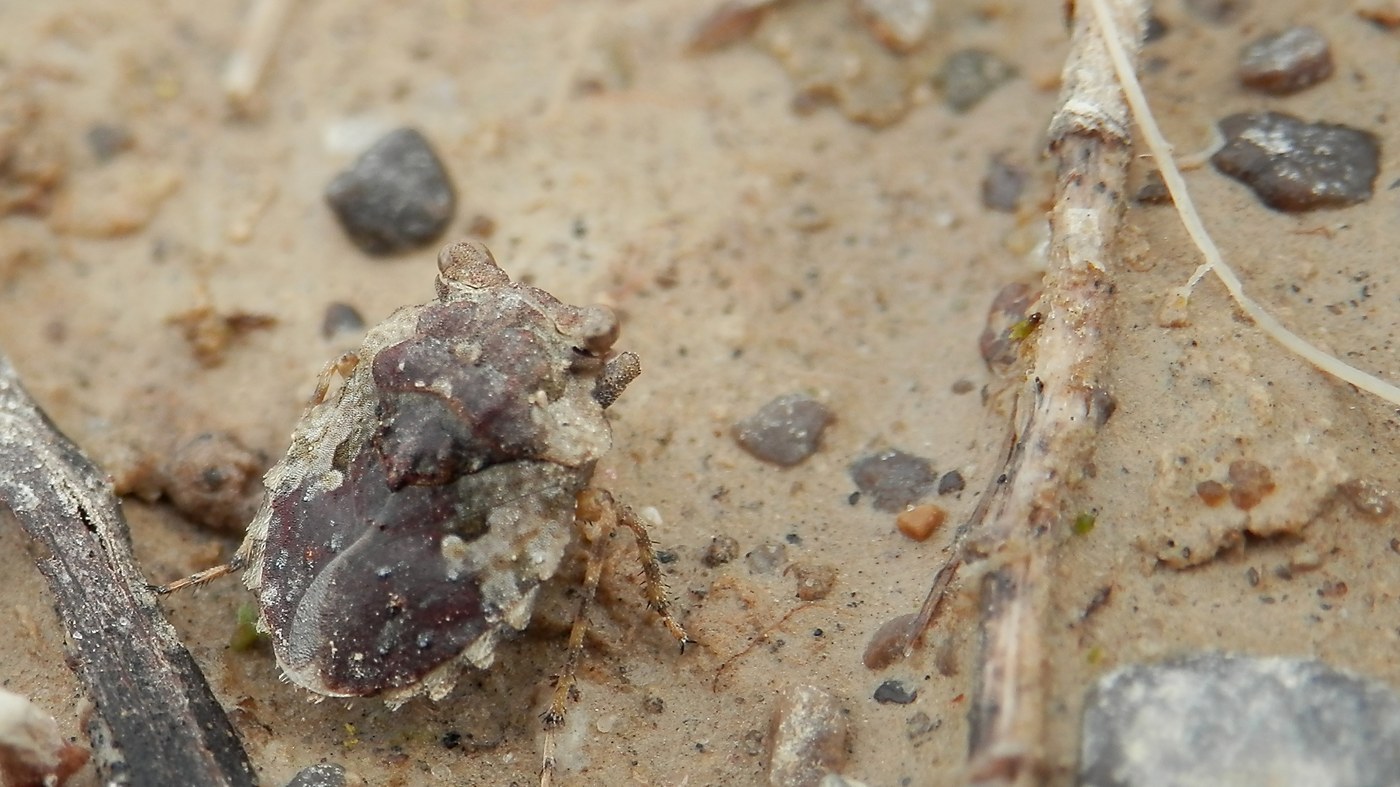
Toad Bug
Muddy or sandy shorelines of ponds, streams, and rivers
Soldier Fly Larva
Ponds, marshes, and slow streams with organic sediment
Mosquito Larva
Standing water in ponds, ditches, containers, and puddles
Whirligig Beetle
Surface of ponds, lakes, and slow streams
Rat-Tailed Maggot
Stagnant, oxygen-poor water such as manure pools, drains, and compost