Camel Cricket Identification Guide
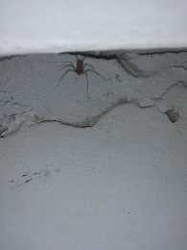
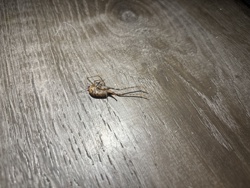
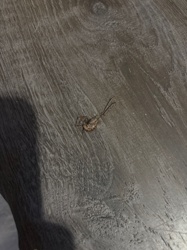
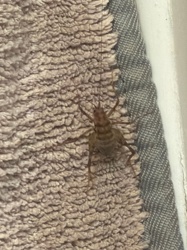
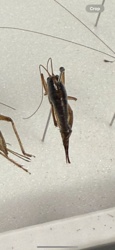
Identify camel crickets by their humped back, wingless body, and extremely long, spindly legs and antennae.
Read the full Camel Cricket encyclopedia entry →Key Visual Features
Camel crickets are distinctive for their arched, hump-backed shape, which sets them apart from nearly every other cricket-like insect.
- Body: Wingless and strongly arched or humped over the back, typically 0.5 to 1.5 inches long, giving rise to both the "camel" name and the alternate nickname "spider cricket."
- Color: Usually mottled brown or tan, sometimes with darker banding, providing camouflage against soil and wood.
- Legs: Extremely long and spindly, especially the hind legs, which are enlarged for jumping; the long legs combined with the humped body can make these insects resemble large spiders at a glance.
- Antennae: Very long and thread-like, often extending well beyond the body length.
- Wings: Entirely absent, meaning camel crickets cannot fly and, unlike most crickets, cannot produce a chirping call.
Where and When You'd See Them
Camel crickets favor dark, damp, and cool environments such as caves, crawl spaces, basements, woodpiles, under stones and logs, and other sheltered spots with high humidity. They are active year-round in favorable, temperature-stable environments like caves or damp cellars, though outdoor populations are most noticeable in warmer months. Being nocturnal, they hide during the day and become active at night, and when disturbed they are known for sudden, erratic jumping in seemingly random directions rather than a steady escape.
Similar-Looking Bugs
- Field and house crickets: Have wings, a flatter back profile, and produce an audible chirping call; camel crickets are wingless, humped, and silent.
- Spiders: The long-legged, arched silhouette can superficially resemble a spider, but camel crickets have six legs and antennae, while spiders have eight legs and no antennae.
- Katydids: Winged with a leaf-like body shape and calling ability, quite different from the wingless, humped camel cricket.
- Grasshoppers: Have wings and shorter antennae; camel crickets lack wings and have much longer antennae.
Quick ID Checklist
- Wingless body with a distinctly arched or humped back
- Mottled brown or tan coloring
- Extremely long, spindly legs and long thread-like antennae
- Silent—produces no chirping sound, unlike most crickets
- Found in dark, damp, cool spots such as caves, basements, and woodpiles
Frequently asked questions
Why are camel crickets sometimes called spider crickets?
Their long, spindly legs combined with a humped, arched body give them a silhouette that can resemble a large spider at first glance, even though they have six legs and antennae rather than eight legs.
Do camel crickets chirp like other crickets?
No, camel crickets are wingless and lack the wing structures other crickets use to produce sound, so they are silent.
Where are camel crickets typically found?
They favor dark, damp, cool environments such as caves, basements, crawl spaces, and woodpiles, where humidity stays consistently high.
How is a camel cricket different from a field cricket?
Camel crickets are wingless with a strongly humped back and produce no sound, while field crickets have wings, a flatter profile, and are well known for their chirping call.
Camel Cricket identified by the community
Recent Camel Cricket finds identified with Bug Identifier.