
Camel Cricket
Rhaphidophoridae spp.
A wingless, humpbacked cricket with unusually long legs that gives it a spider-like appearance, often startling people when it turns up in damp basements or crawl spaces.
- Size
- 12–25 mm
- Habitat
- caves, basements, crawl spaces, and other damp, dark areas
- Danger
- Harmless
Spotted a bug like this?
Identify any bug or insect from a photo, free.
Overview
Camel crickets belong to the family Rhaphidophoridae, a group found worldwide and named for the pronounced hump of the thorax and abdomen that gives them a camel-like silhouette. Unlike field or house crickets, camel crickets are entirely wingless as adults and produce no chirping song, relying instead on their long antennae and powerful legs for navigating dark, humid environments.
Their extremely long hind legs and antennae, combined with their arched back and quick, erratic jumping, often lead people to mistake them for large spiders at first glance, earning them the nickname spider crickets in parts of North America. They are naturally cave-dwelling insects in many regions, but several species, including some introduced from Asia, have become common inhabitants of basements, crawl spaces, and other artificially dark, moist structures.
As omnivorous scavengers, camel crickets play a useful ecological role in caves and similar habitats, breaking down organic debris and fungal material, and they in turn serve as prey for cave-dwelling spiders, salamanders, and other predators.
How to Identify
- Wingless, humpbacked body, 12–25 mm, arched noticeably at the thorax
- Extremely long, thin hind legs and long, thread-like antennae
- Mottled brown coloration, sometimes with darker banding on the legs
- No wings and no chirping sound, unlike field or house crickets
- Lookalikes: spiders have eight legs and no antennae; field and house crickets have wings and a flatter back
Habitat & Range
Camel crickets are found worldwide, naturally inhabiting caves, rotting logs, hollow trees, and other cool, dark, humid microhabitats. Several species readily adapt to human structures, becoming common in damp basements, crawl spaces, garages, and window wells, particularly in temperate regions of North America.
Behavior & Diet
Camel crickets are nocturnal omnivorous scavengers, feeding on fungi, decaying organic matter, fabric, and occasionally other insects, living or dead. They lack wings and the sound-producing structures found in true crickets, so they are entirely silent, relying on jumping and rapid, erratic movement to escape threats. In their natural cave habitat, camel crickets are an important part of the detritus food web, recycling nutrients in an environment with little plant growth, and they serve as prey for cave salamanders, spiders, and other predators.
Life Cycle
Females lay eggs in moist soil or organic debris using a slender ovipositor. Nymphs hatch resembling small, wingless versions of the adults and pass through several molts over the course of a few months, gradually increasing in size while retaining the same wingless, humpbacked body form. Development to adulthood generally takes several months, and in temperate climates many species overwinter as nymphs or eggs in sheltered, insulated locations such as caves or deep leaf litter.
Frequently asked questions
Why are camel crickets sometimes called spider crickets?
Their unusually long legs and antennae combined with a humped back and quick, erratic jumps give them a spider-like appearance at a glance.
Do camel crickets chirp?
No, they are wingless and lack the sound-producing structures of true crickets, so they are completely silent.
Where are camel crickets usually found?
They favor cool, dark, humid places such as caves, rotting logs, basements, and crawl spaces.
What do camel crickets eat?
They are omnivorous scavengers that feed on fungi, decaying organic matter, fabric, and occasionally other insects.
Camel Cricket guides
In-depth guides for identifying, understanding, and living alongside Camel Cricket.
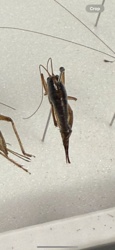
Camel Cricket identified by the community
Real finds identified with Bug Identifier.
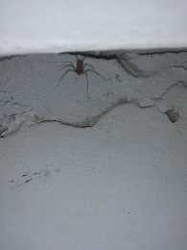
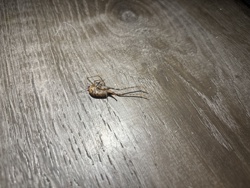
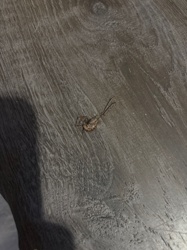
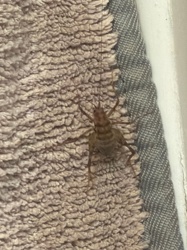
Other bugs you may enjoy
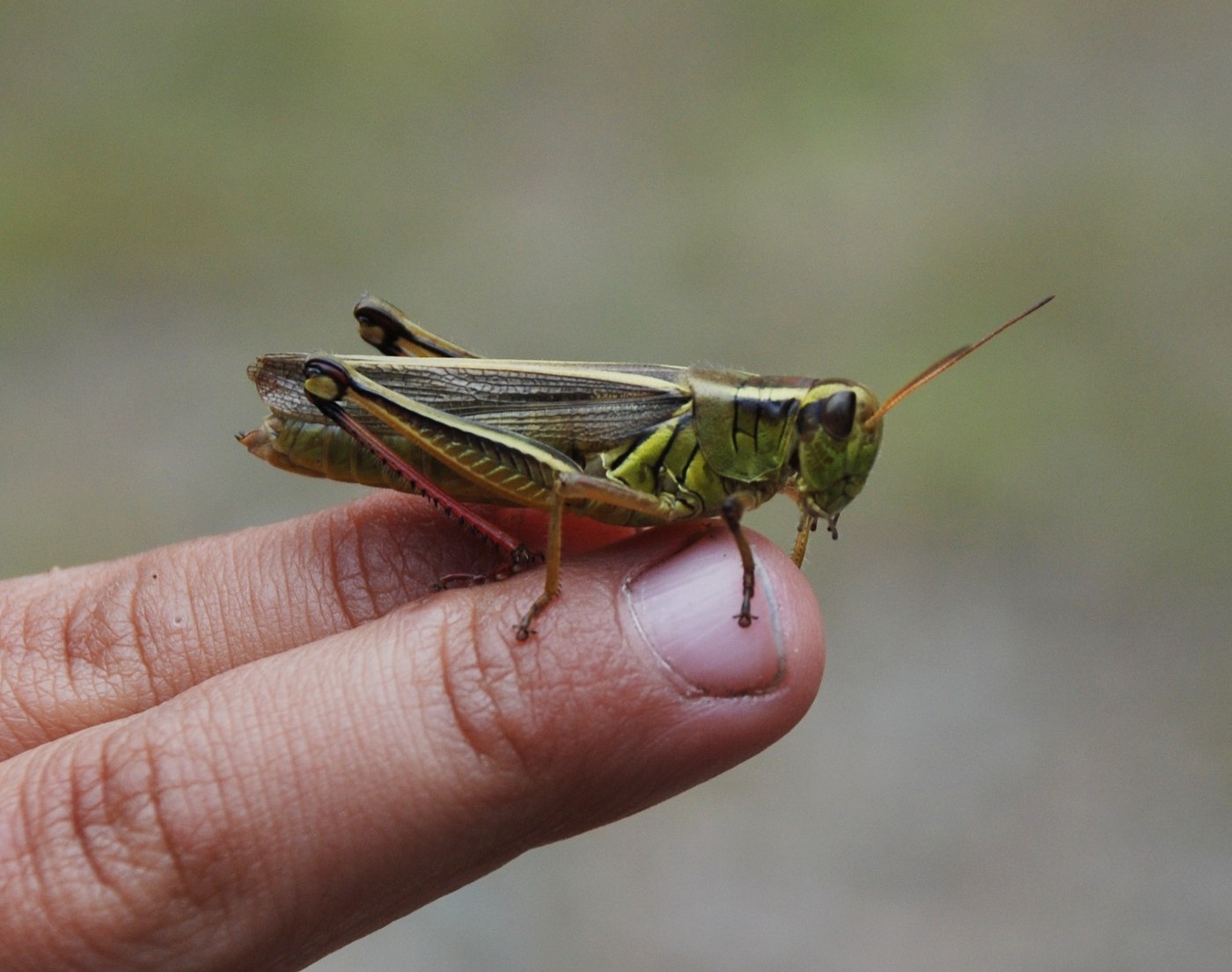
Two-striped Grasshopper
Meadows, pastures, riverbanks, and agricultural fields across North America
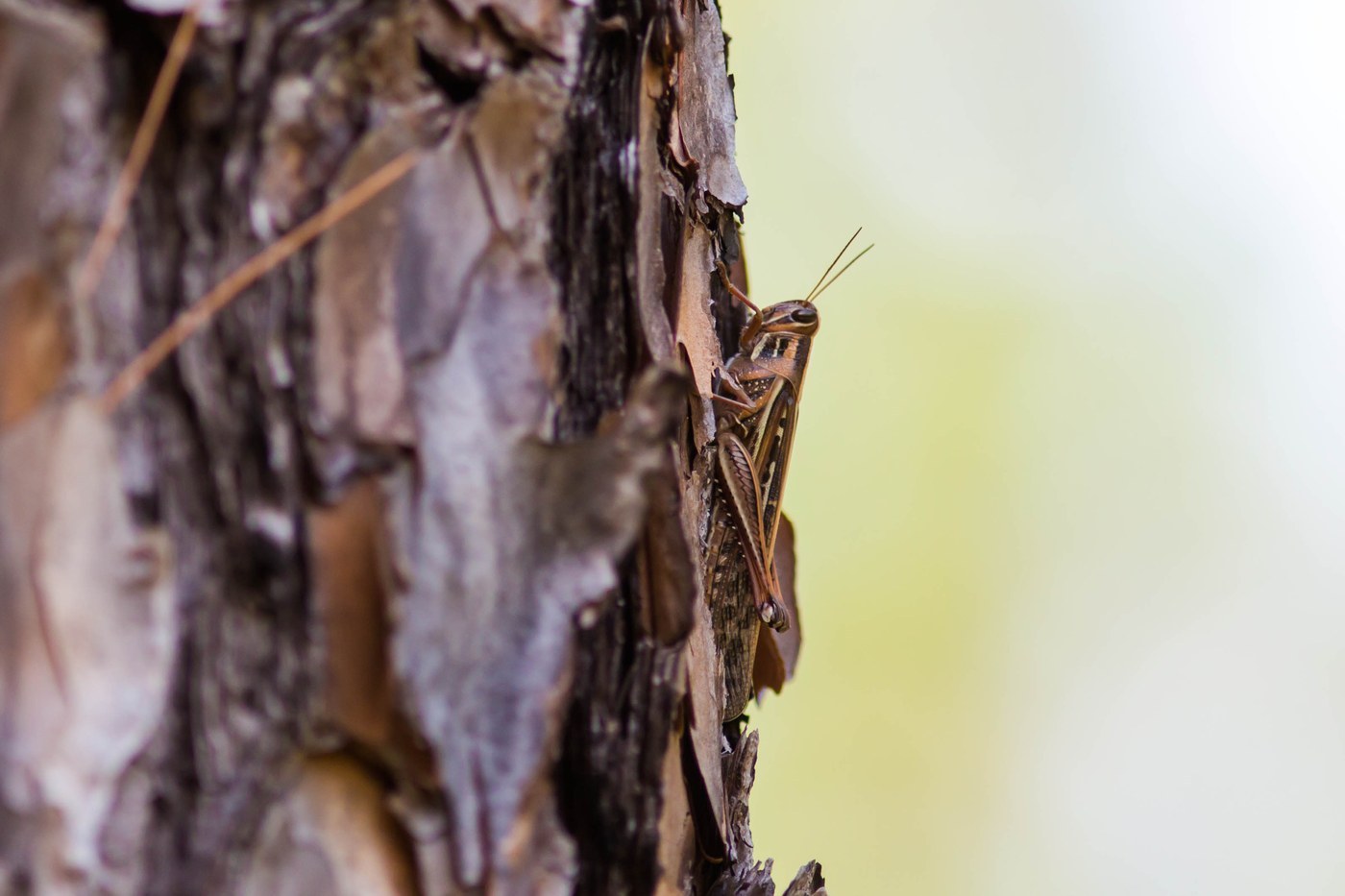
American Grasshopper
Woodland edges, citrus groves, gardens, and open fields across the southern and southeastern United States
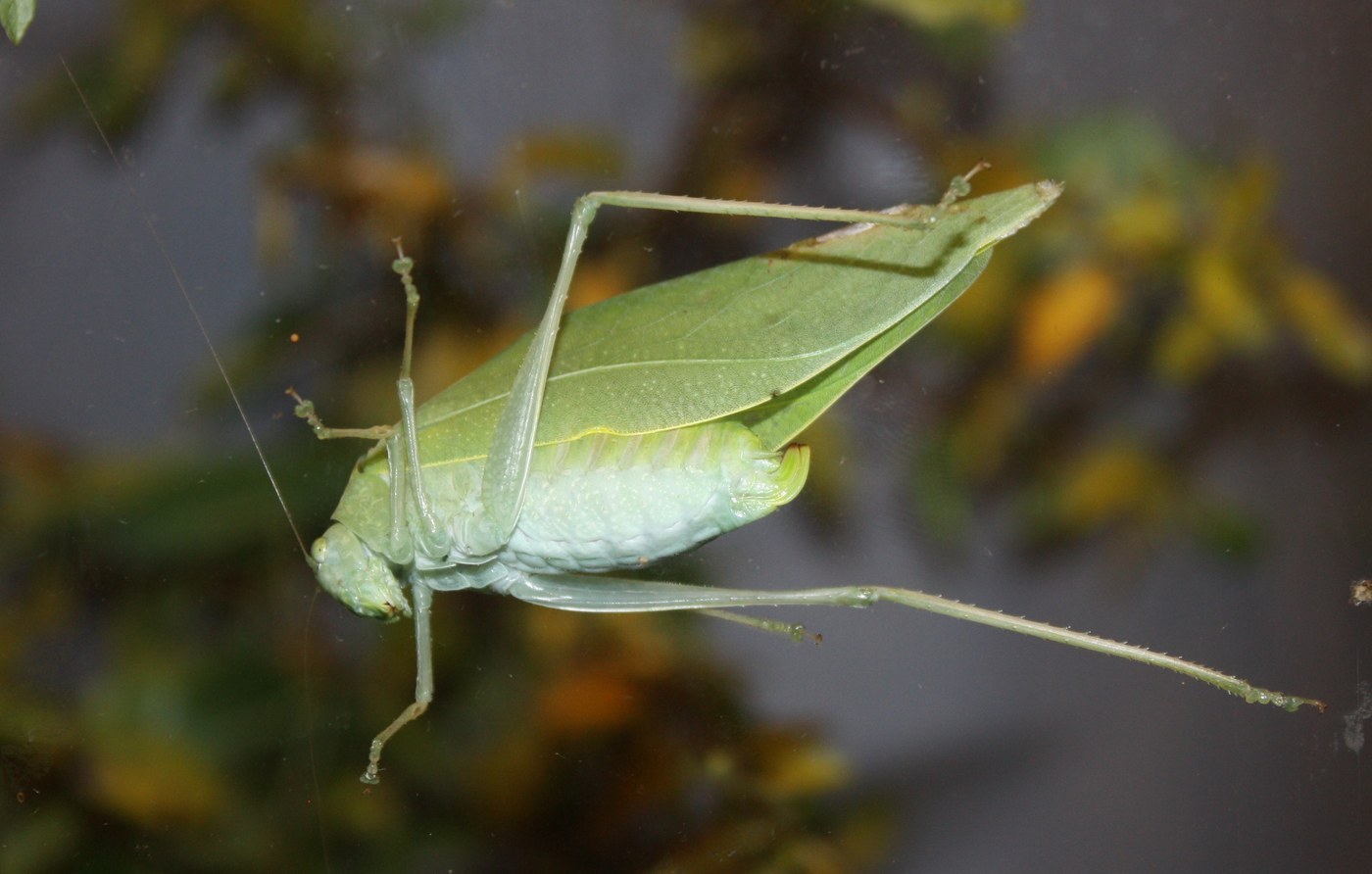
Angular-winged Katydid
deciduous trees, shrubs, and hedgerows across eastern and central North America
Spur-throated Grasshopper
grasslands, meadows, croplands, and roadsides across North America
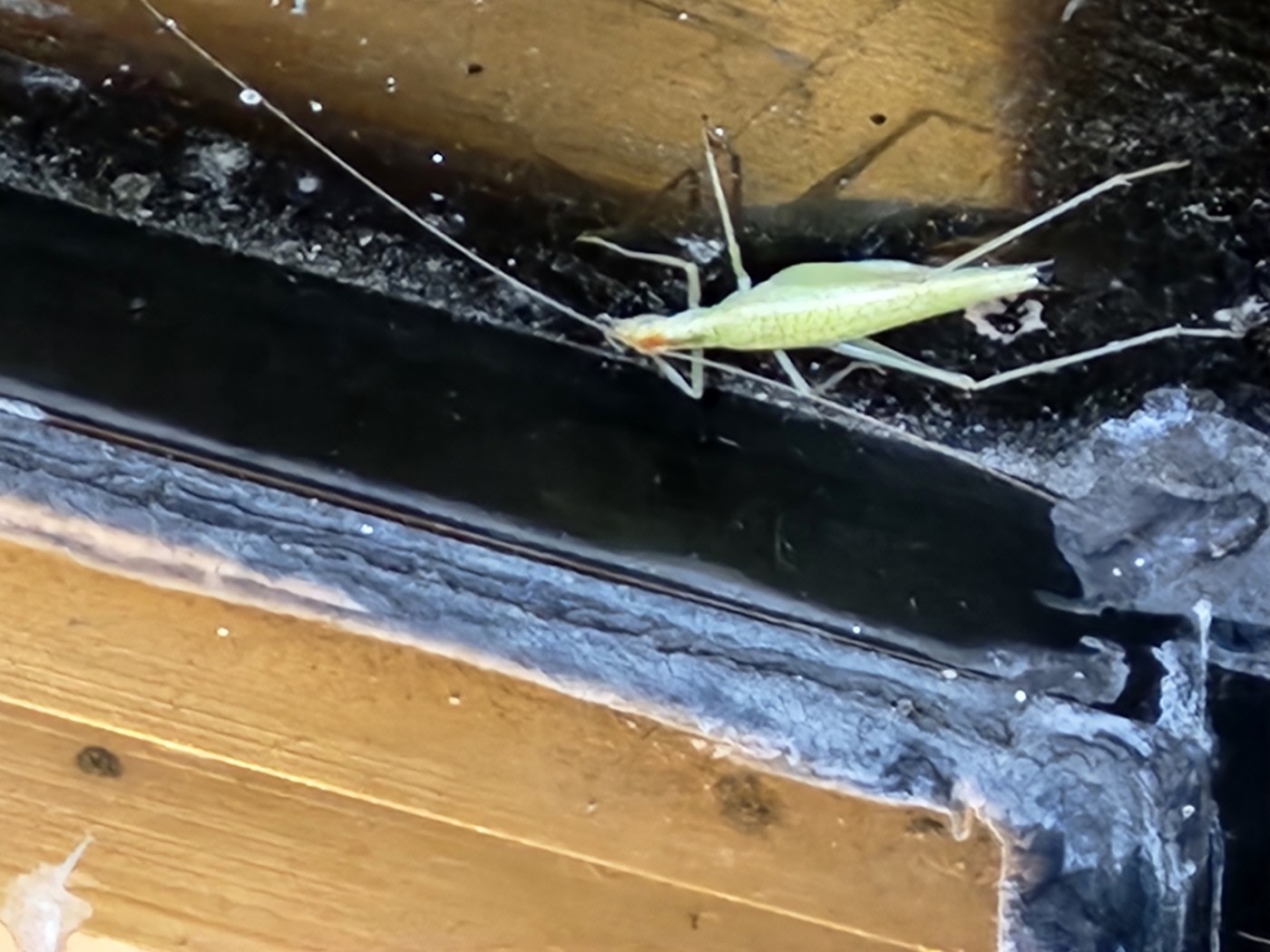
Snowy Tree Cricket
Shrubs, trees, and tall vegetation across North America
Rocky Mountain Locust
historically open grasslands and river valleys of the Rocky Mountains and Great Plains (now believed extinct)
Spotted Camel Cricket
damp caves, crawl spaces, basements, leaf litter, and rotting logs in eastern North America
Pygmy Grasshopper
damp soil, mud, and low vegetation near ponds, streams, and marshes
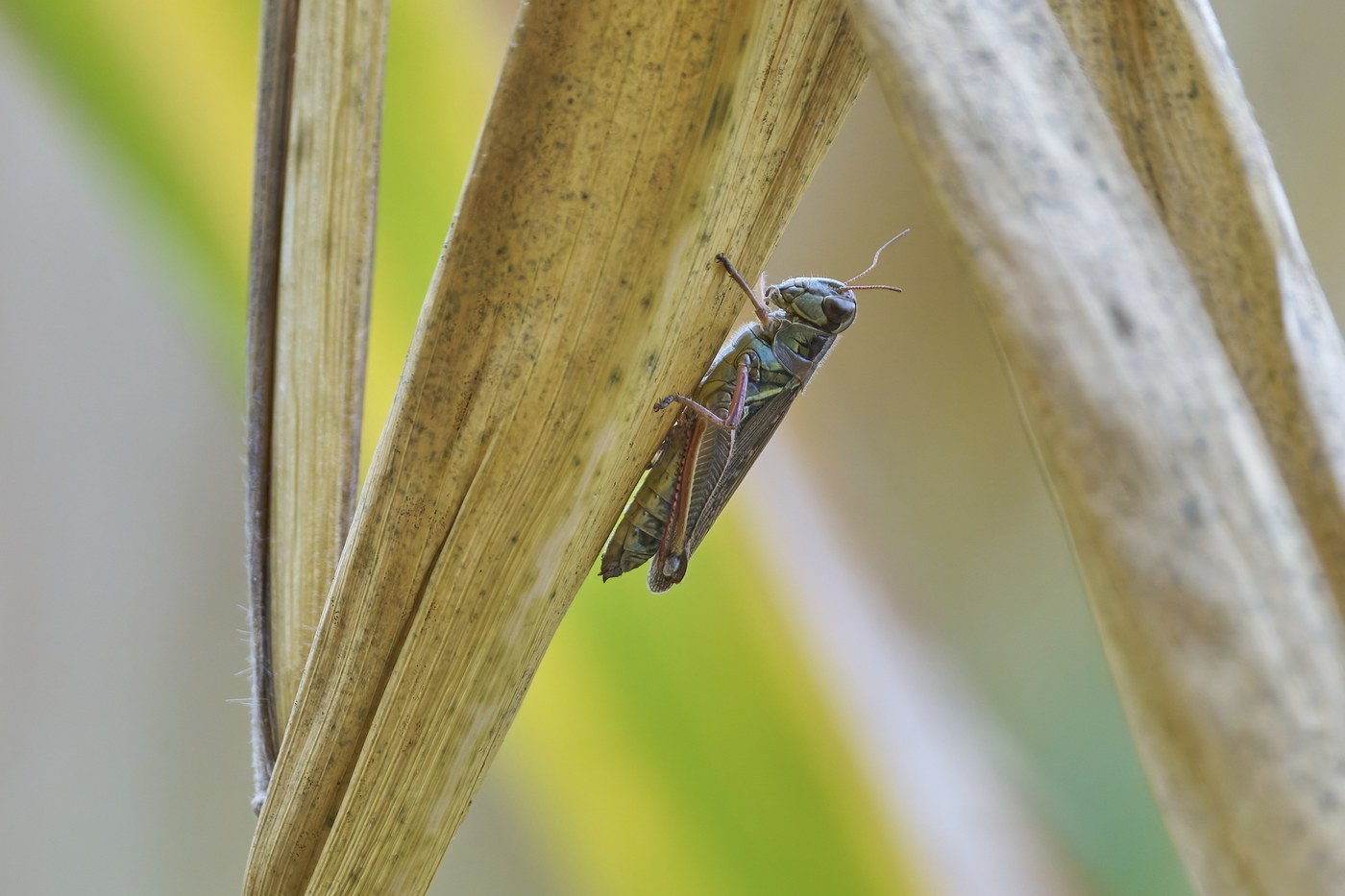
Red-legged Grasshopper
Meadows, pastures, field edges, and gardens across North America
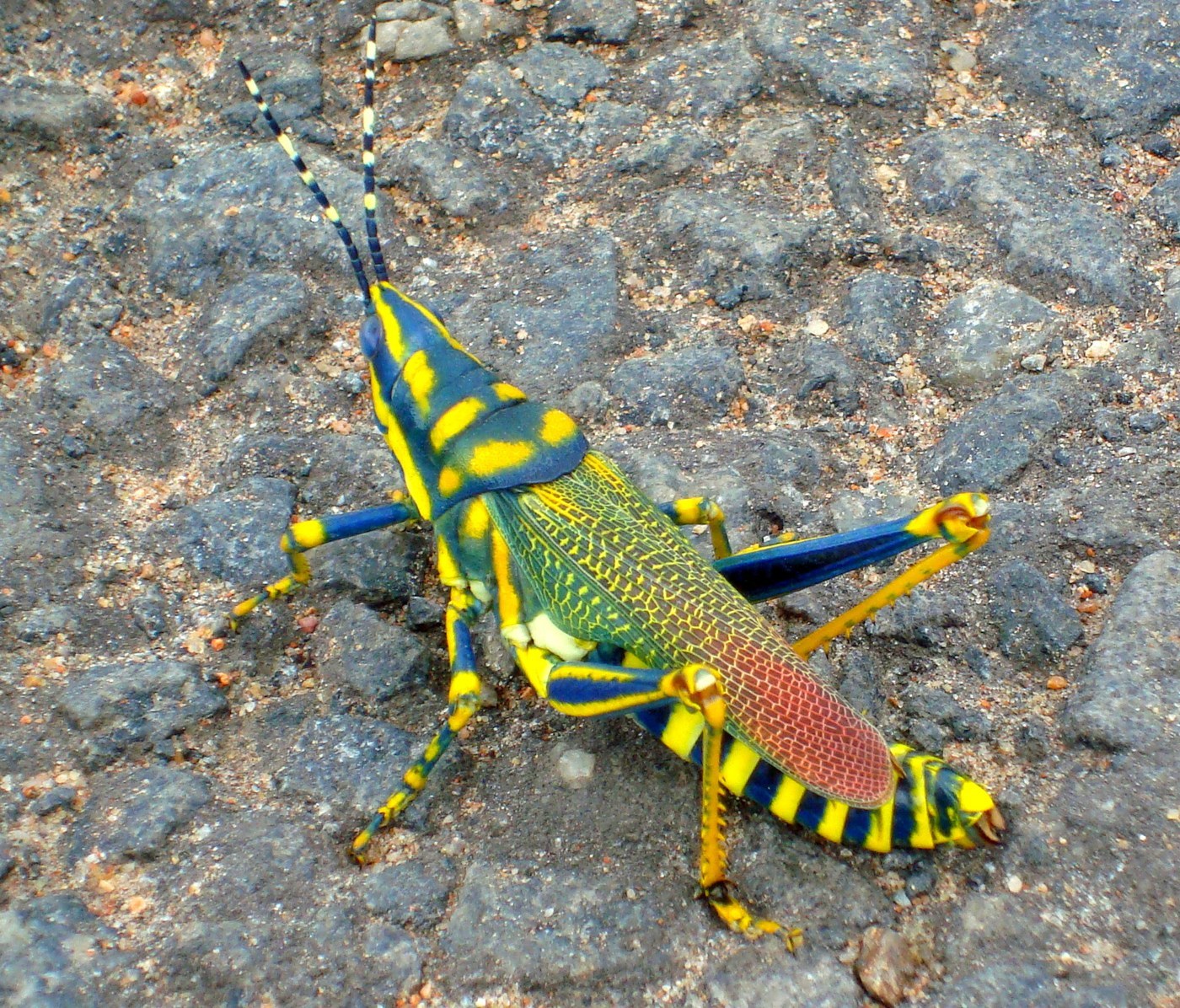
Painted Grasshopper
arid scrub, wastelands, and gardens of the Indian subcontinent, especially near milkweed plants
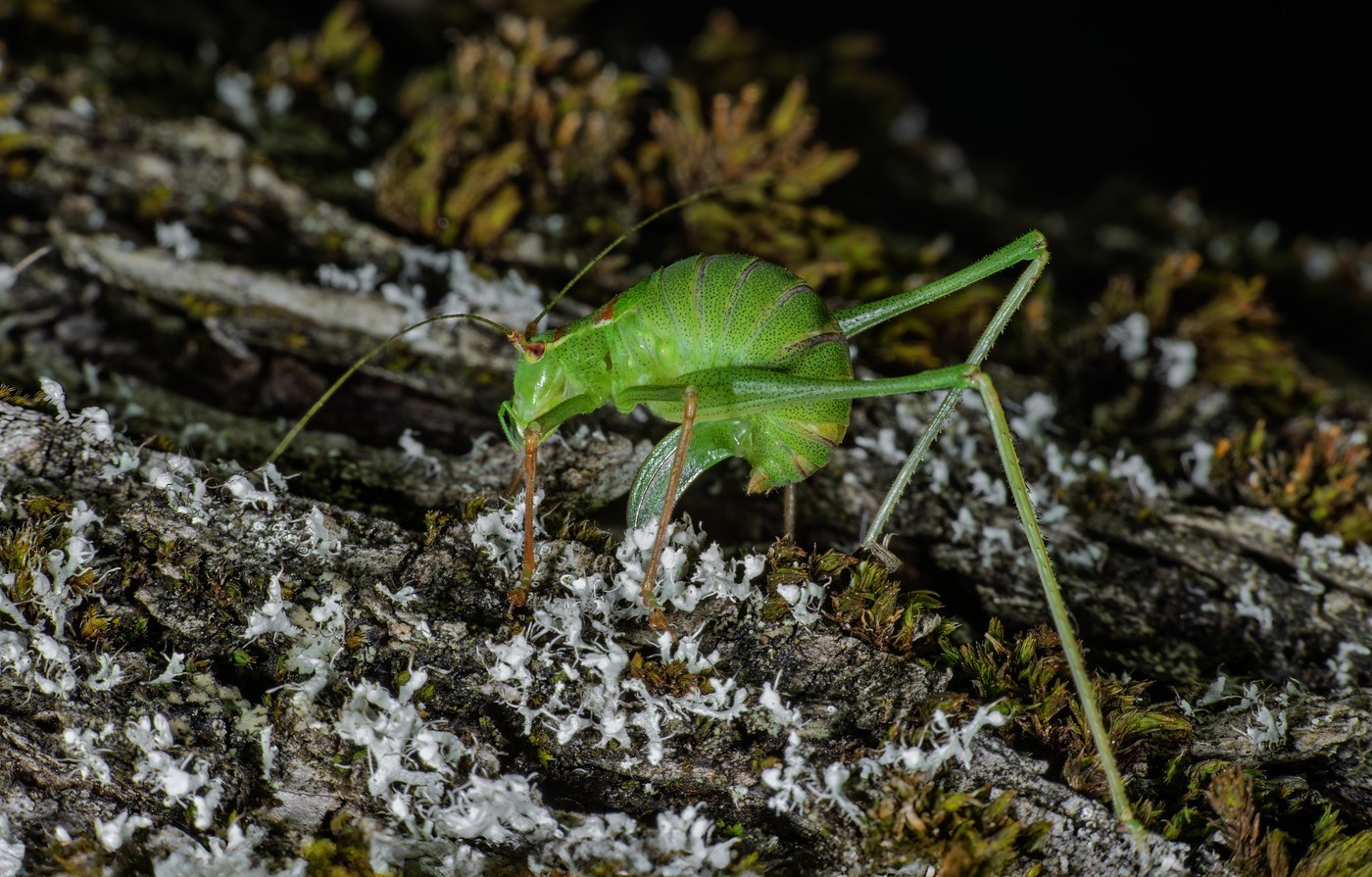
Speckled Bush Cricket
Brambles, hedgerows, nettles, and shrubby vegetation
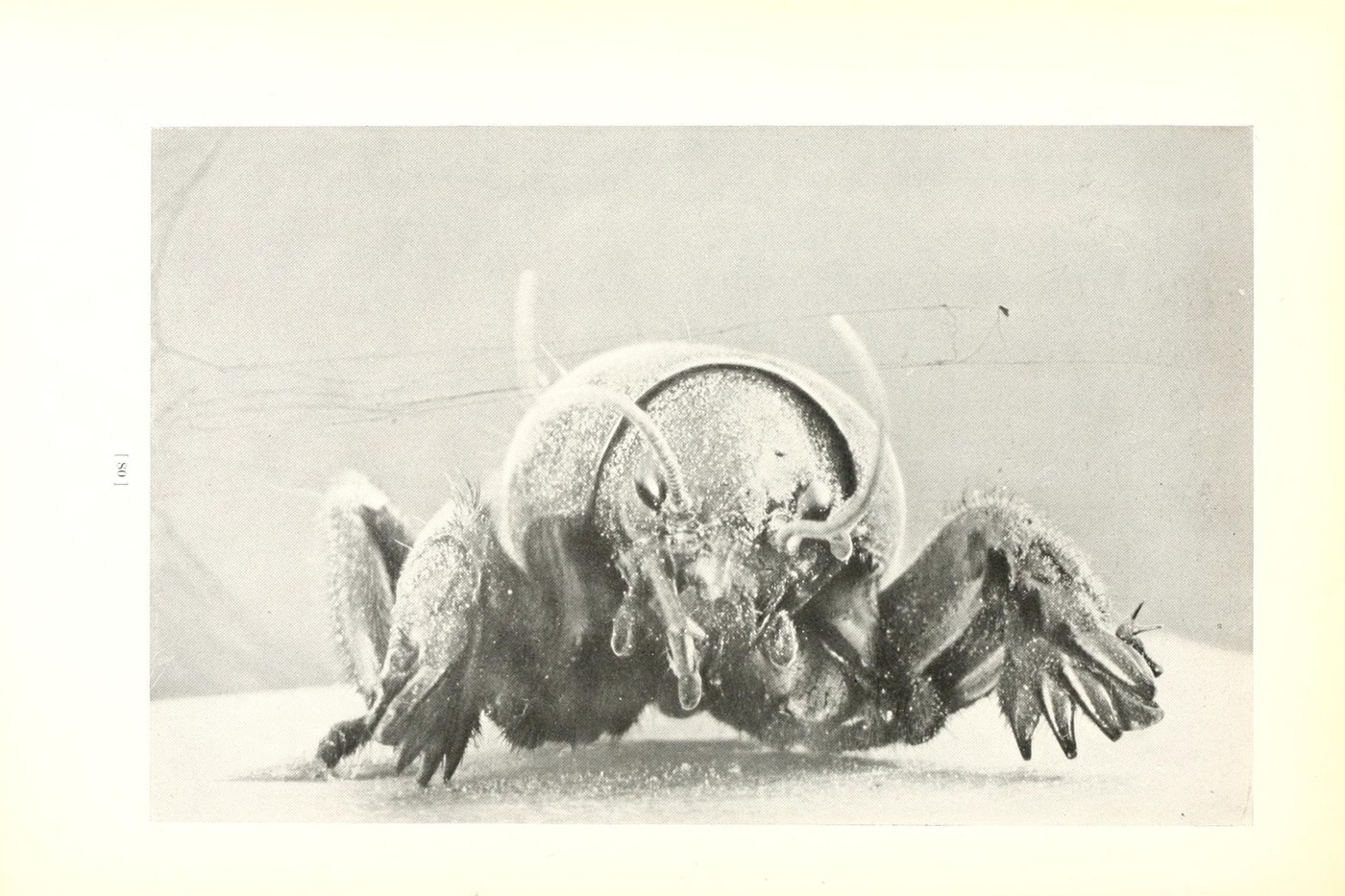
Northern Mole Cricket
wet soil, pond margins, and marshy ground across eastern and central North America