Cicada Identification Guide
Learn to recognize cicadas by their bulky bodies, wide-set red or dark eyes, and clear, vein-etched wings.
Read the full Cicada encyclopedia entry →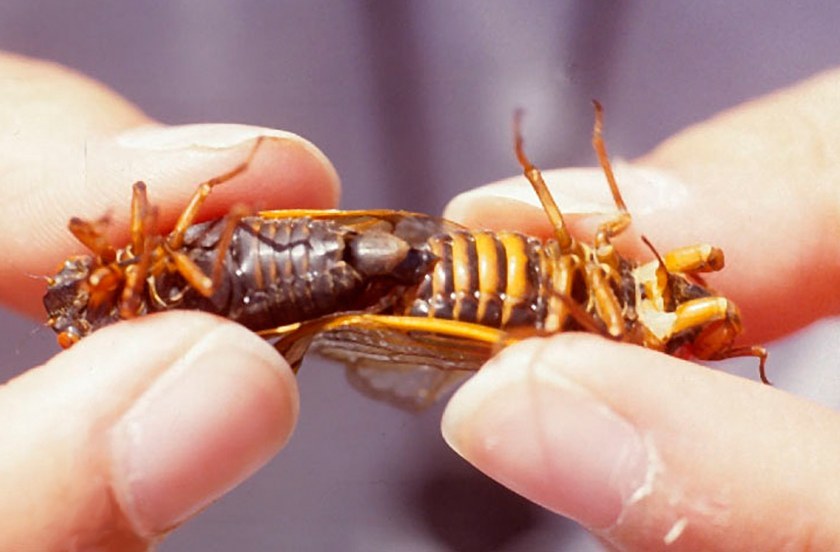
Key Visual Features
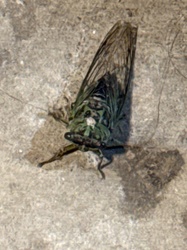
Cicadas are large, chunky insects, typically 1 to 2 inches long, with a broad head, short antennae, and prominent, wide-set eyes that sit on either side of the head (often red, but sometimes black or gray depending on species).
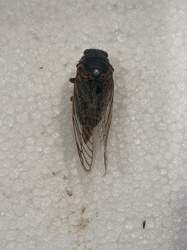
- Body: Stout and wedge-shaped, tapering slightly toward the rear, usually in shades of black, brown, or green, often with patterned markings on the thorax.
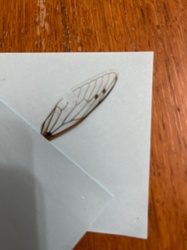
- Wings: Two pairs of clear, membranous wings held roof-like (tent-shaped) over the body when at rest, with thick, visible veins that create a lace-like pattern; wingspan can reach 3 inches or more.
- Eyes: Large, rounded, and set far apart, giving the head a distinctive wide look.
- Legs: Six sturdy legs adapted for gripping bark rather than jumping.
- Sound organs: Males have ribbed membranes (tymbals) on the sides of the abdomen used to produce their well-known buzzing calls, though this is easier to hear than see.
Where and When You'd See It
Cicadas are found clinging to tree trunks, branches, and shrubs, especially in wooded areas, parks, and gardens with mature trees. Annual species appear every summer, usually from late June through September, while periodical species emerge in large synchronized broods every 13 or 17 years, often in late spring. Adults are most active and vocal during the warmest part of the day. Look for their split, empty exoskeletons (exuviae) still clinging to bark after molting, a strong sign cicadas are present nearby.
Similar-Looking Bugs
Cicadas are sometimes confused with:
- Grasshoppers – Grasshoppers have long hind legs built for jumping and slender bodies, while cicadas have a broader body and no jumping legs.
- Katydids – Katydids have very long, thread-like antennae, whereas cicada antennae are short and bristle-like.
- Large moths – Moths have scaled, often opaque wings, while cicada wings are clear and heavily veined.
- Stink bugs – Much smaller and shield-shaped, lacking the cicada's large eyes and wide wingspan.
Quick ID Checklist
- Wide-set, prominent eyes on a broad head
- Clear, heavily veined wings held tent-like over the body
- Stout, wedge-shaped body around 1-2 inches long
- Short, bristle-like antennae (not long and thread-like)
- Found clinging to tree bark, with cast-off nymph shells nearby
Frequently asked questions
How can I tell a cicada from a locust?
Cicadas have wide-set eyes, clear veined wings, and short antennae, while locusts (a type of grasshopper) have long back legs for jumping and much shorter, less veined wings held flat, not tented.
Why do I find crunchy shells on tree bark that look like cicadas?
Those are exuviae, the shed exoskeletons left behind when cicada nymphs climb up from the ground and molt into winged adults.
Do all cicadas look the same?
No, coloring varies by species, from black-bodied types with orange wing veins to green or brown forms, but the wide eyes, tented clear wings, and stout body shape are consistent across species.
What time of year are cicadas easiest to spot?
Most annual species are visible from midsummer into early fall, while periodical broods appear in large numbers over a few weeks in late spring on their multi-year cycle.
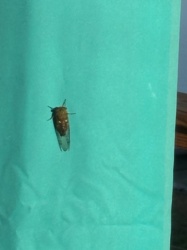
Cicada identified by the community
Recent Cicada finds identified with Bug Identifier.