
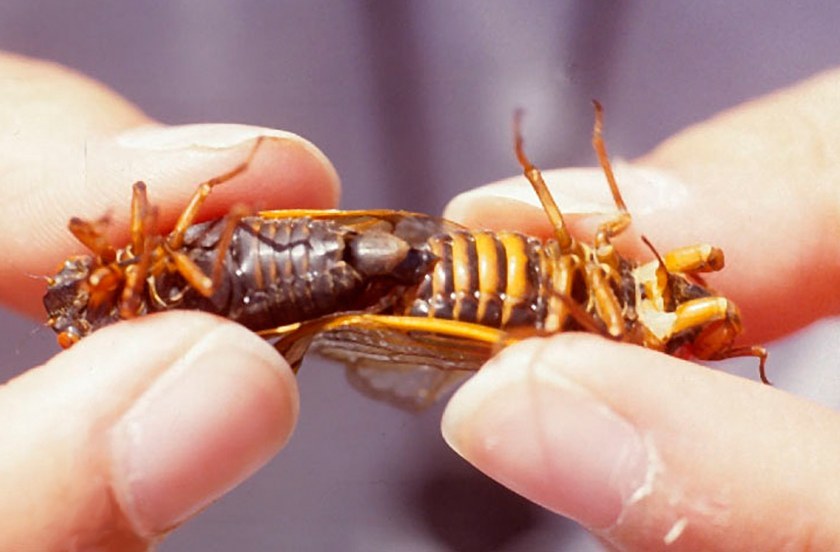
Cicada
Magicicada spp.
A stout, big-eyed insect best known for the loud, buzzing chorus of song produced by males, and for periodical species that emerge from the ground by the millions after living underground for over a decade.
- Size
- 25–50 mm body length
- Habitat
- Deciduous and mixed forests, wooded suburbs, trees
- Danger
- Harmless
Spotted a bug like this?
Identify any bug or insect from a photo, free.
Overview
Cicadas belong to the order Hemiptera (true bugs), family Cicadidae, and are best known for two things: the powerful, droning song produced by males and, in certain North American species, remarkably long life cycles spent almost entirely underground. Annual cicadas emerge every summer in modest numbers, while periodical cicadas of the genus Magicicada spend 13 or 17 years developing underground before emerging together in massive, synchronized broods.
Adult cicadas have a thick, wedge-shaped body, large compound eyes set widely apart, and two pairs of transparent, veined wings held roof-like over the back at rest. Males produce their characteristic song using a pair of ribbed membranes called tymbals on the sides of the abdomen, which they vibrate rapidly to create sound, amplified by a mostly hollow abdominal cavity.
Cicadas are ecologically significant both above and below ground: their nymphs spend years feeding on root fluids, aerating and mixing soil, while mass emergences of periodical species provide an enormous, temporary food pulse for birds, mammals, and other predators.
How to Identify
- Stout, wedge-shaped body with a broad head and large, widely spaced compound eyes, plus three small simple eyes (ocelli) between them.
- Two pairs of large, transparent, heavily veined wings held tent-like over the body at rest, extending well past the abdomen.
- Short, bristle-like antennae and strong, short legs adapted for gripping bark rather than jumping far.
- Coloring varies by species from black with orange-red eyes and wing veins (periodical cicadas) to green, brown, or mottled patterns (annual/dog-day cicadas).
- Lookalikes include large leafhoppers and planthoppers, but cicadas are notably larger and thicker-bodied, with a loud song that leafhoppers do not produce.
Habitat & Range
Cicadas are found on every continent except Antarctica, with the greatest diversity in tropical and temperate forests. In North America, annual (dog-day) cicadas emerge every summer in wooded areas and suburbs, while periodical cicadas emerge in specific geographic broods across the eastern United States on 13- or 17-year cycles. Nymphs live entirely underground, attached to plant roots, while adults are found in trees and shrubs during their brief above-ground season, typically late spring through late summer depending on species.
Behavior & Diet
Nymphs feed by tapping into plant roots and drawing out xylem fluid, a process that continues for years underground before emergence. Adult cicadas feed lightly on plant sap from twigs and stems using piercing-sucking mouthparts. Males produce loud, species-specific calls using tymbal organs to attract females, often forming large choruses in trees during the heat of the day. After mating, females use a saw-like ovipositor to cut slits into twigs and deposit eggs; mass emergences of periodical cicadas also provide a significant, short-term food source for many predators.
Life Cycle
Eggs are laid in slits cut into tree twigs, and the nymphs that hatch drop to the ground and burrow underground, where they attach to roots and feed on xylem sap for an extended developmental period — one to several years for annual species, or precisely 13 or 17 years for periodical Magicicada broods. Nymphs undergo incomplete metamorphosis, molting through several instars underground before tunneling to the surface, climbing a vertical surface, and molting a final time into the winged adult form, leaving behind the familiar hollow exoskeleton shell. Adults live for only a few weeks above ground, focused entirely on mating and egg-laying before dying, while periodical species are famous for emerging synchronously across an entire region in a single dramatic season.
Frequently asked questions
Is a cicada the same as a locust?
No, though periodical cicadas are sometimes informally called locusts. True locusts are a type of grasshopper, while cicadas are true bugs in an entirely different insect order.
Why are periodical cicadas famous for 13 or 17 years?
Certain North American Magicicada species spend that many years developing underground as nymphs before emerging together in enormous synchronized broods, an unusually long and precisely timed life cycle.
What produces the loud cicada sound?
Male cicadas vibrate a pair of ribbed membranes called tymbals on the abdomen, and the sound is amplified by the mostly hollow body cavity.
What is the shell often found stuck to tree bark?
It is the shed exoskeleton left behind when a cicada nymph molts into its final winged adult form.
Cicada guides
In-depth guides for identifying, understanding, and living alongside Cicada.
Cicada identified by the community
Real finds identified with Bug Identifier.
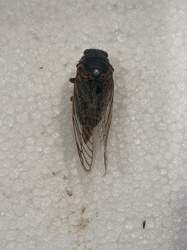
Other bugs you may enjoy
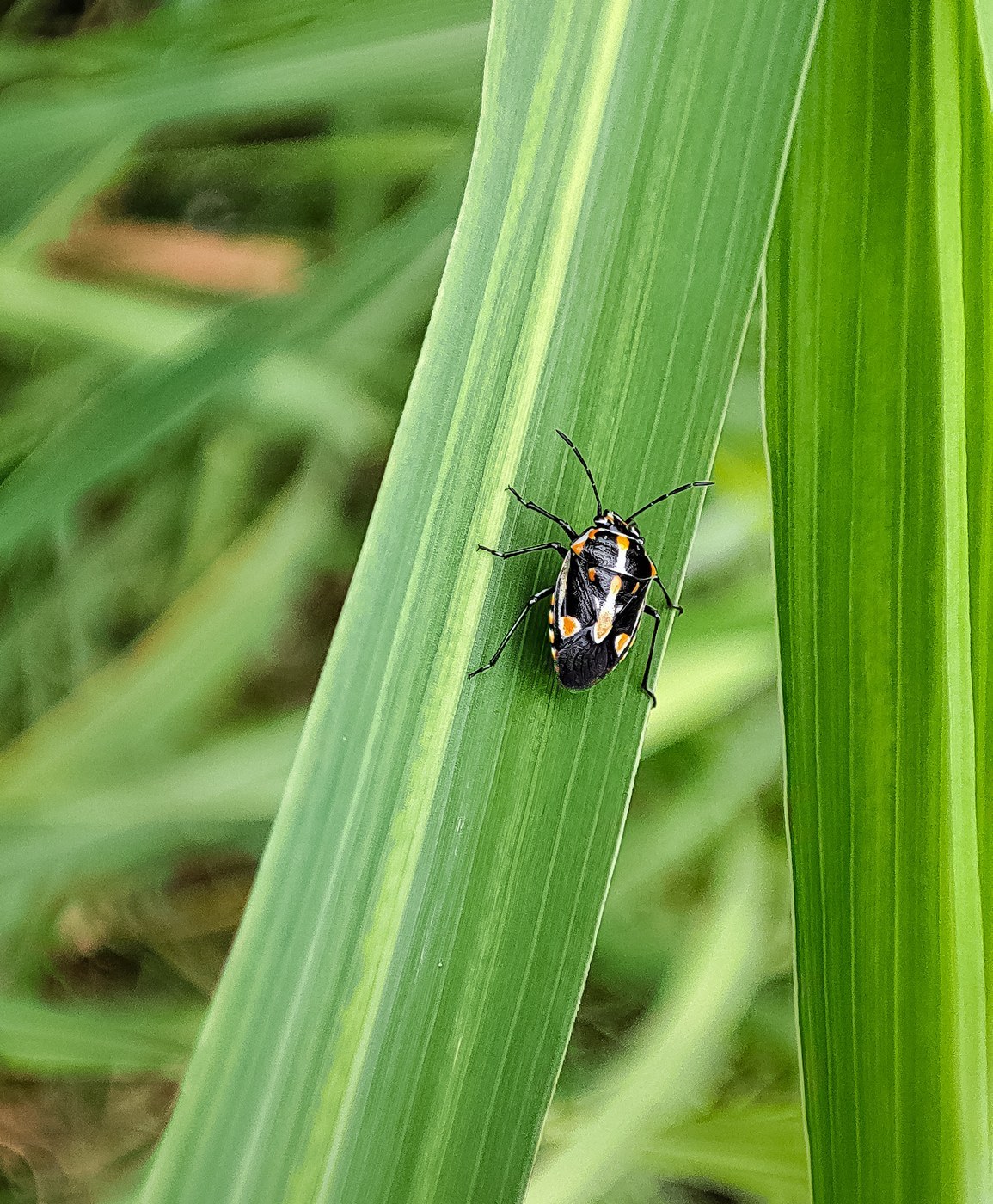
Bagrada Bug
Arid gardens, crucifer fields, desert-adjacent croplands
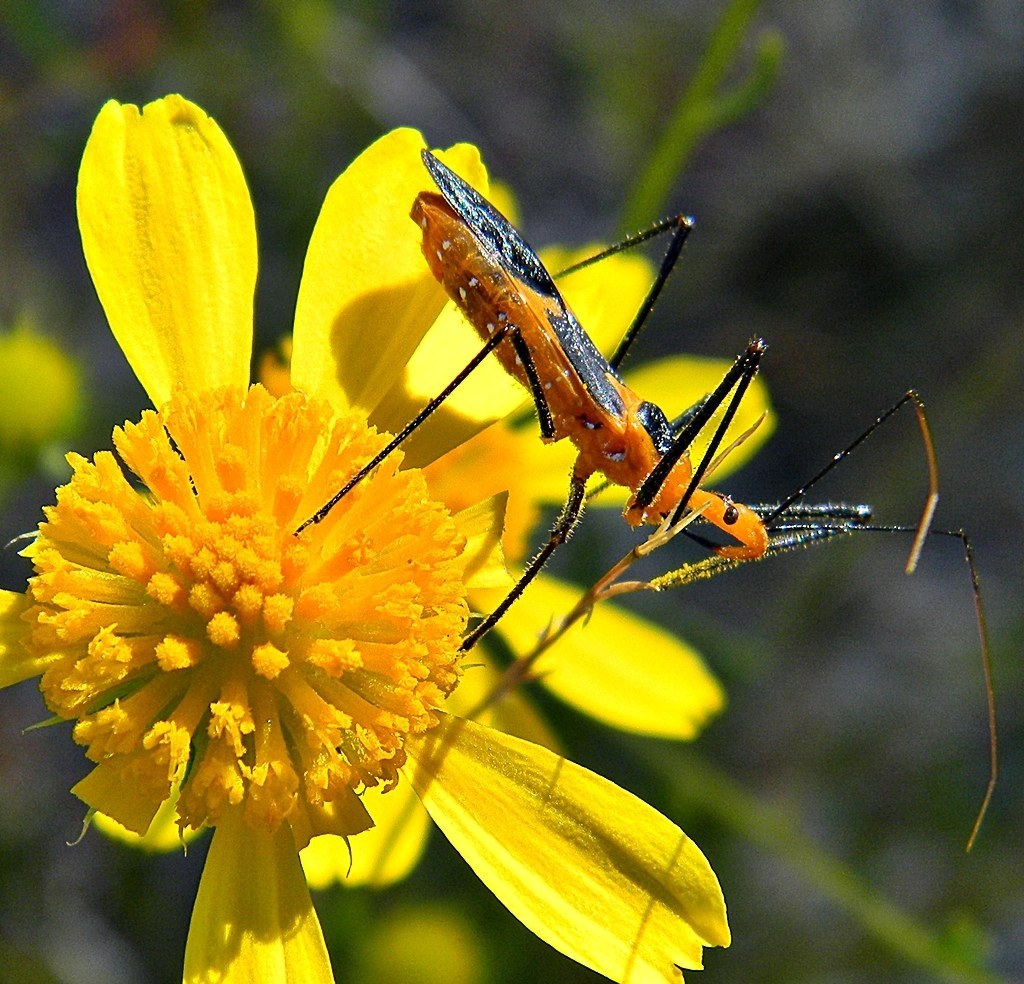
Assassin Bug
Gardens, meadows, and vegetation worldwide
Water Boatman Bug
Ponds, lakes, and slow-moving freshwater
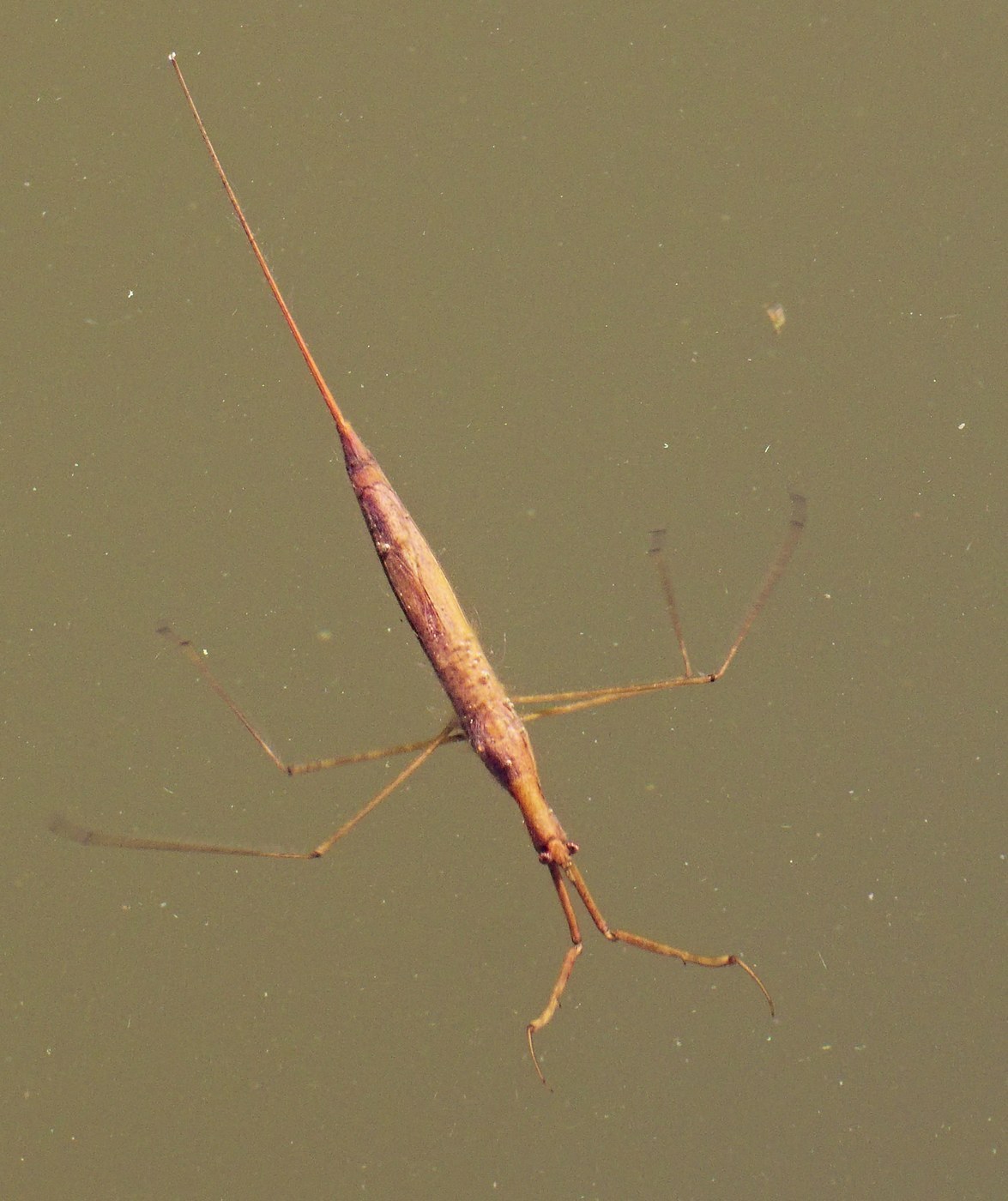
Water Stick Insect
Still and slow-moving water with dense submerged vegetation
Rough Stink Bug
Tree bark, woodlands, orchards, and shrubby vegetation
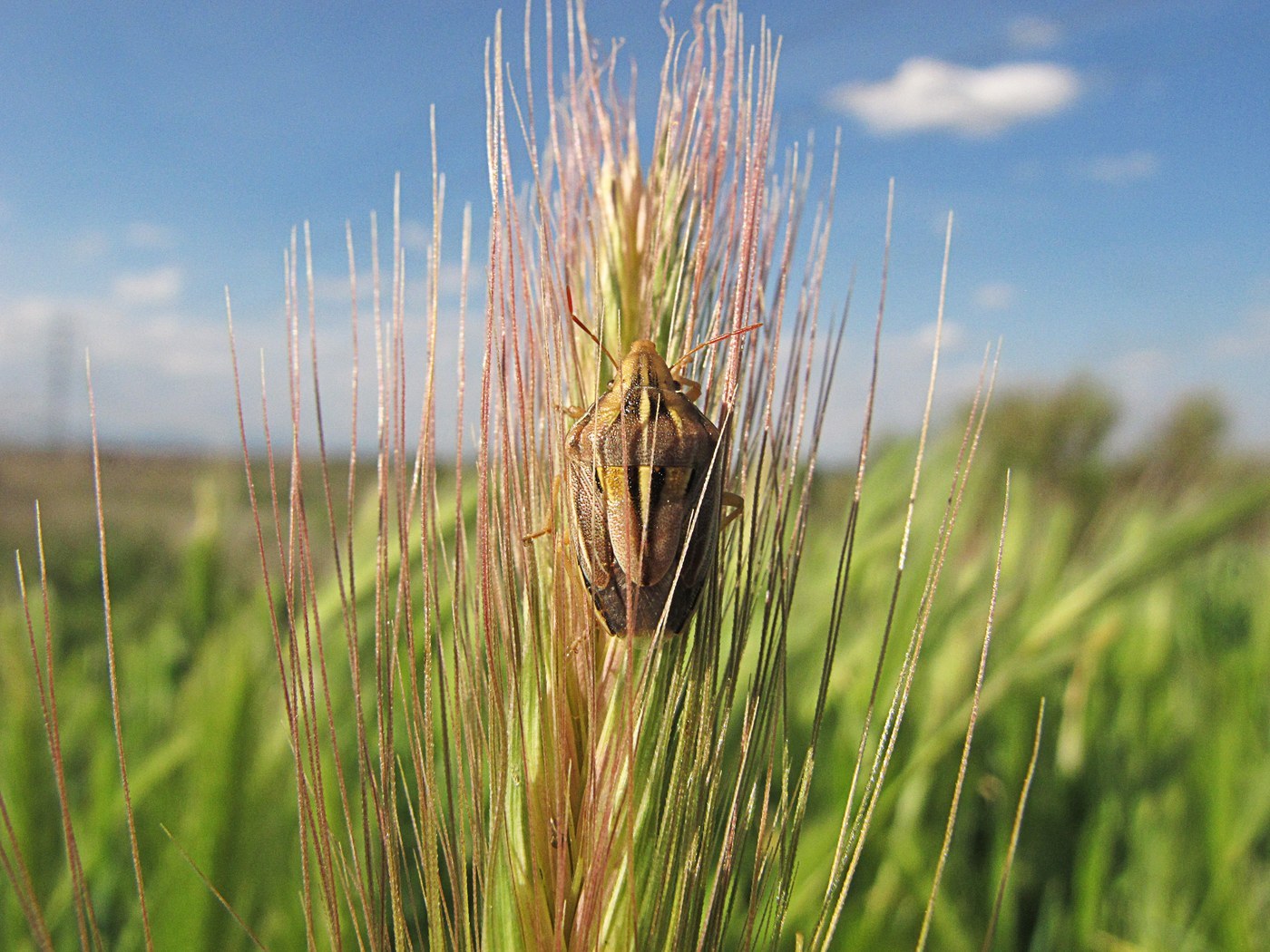
Stink Bug
Gardens, crop fields, and woodlands across temperate and subtropical regions
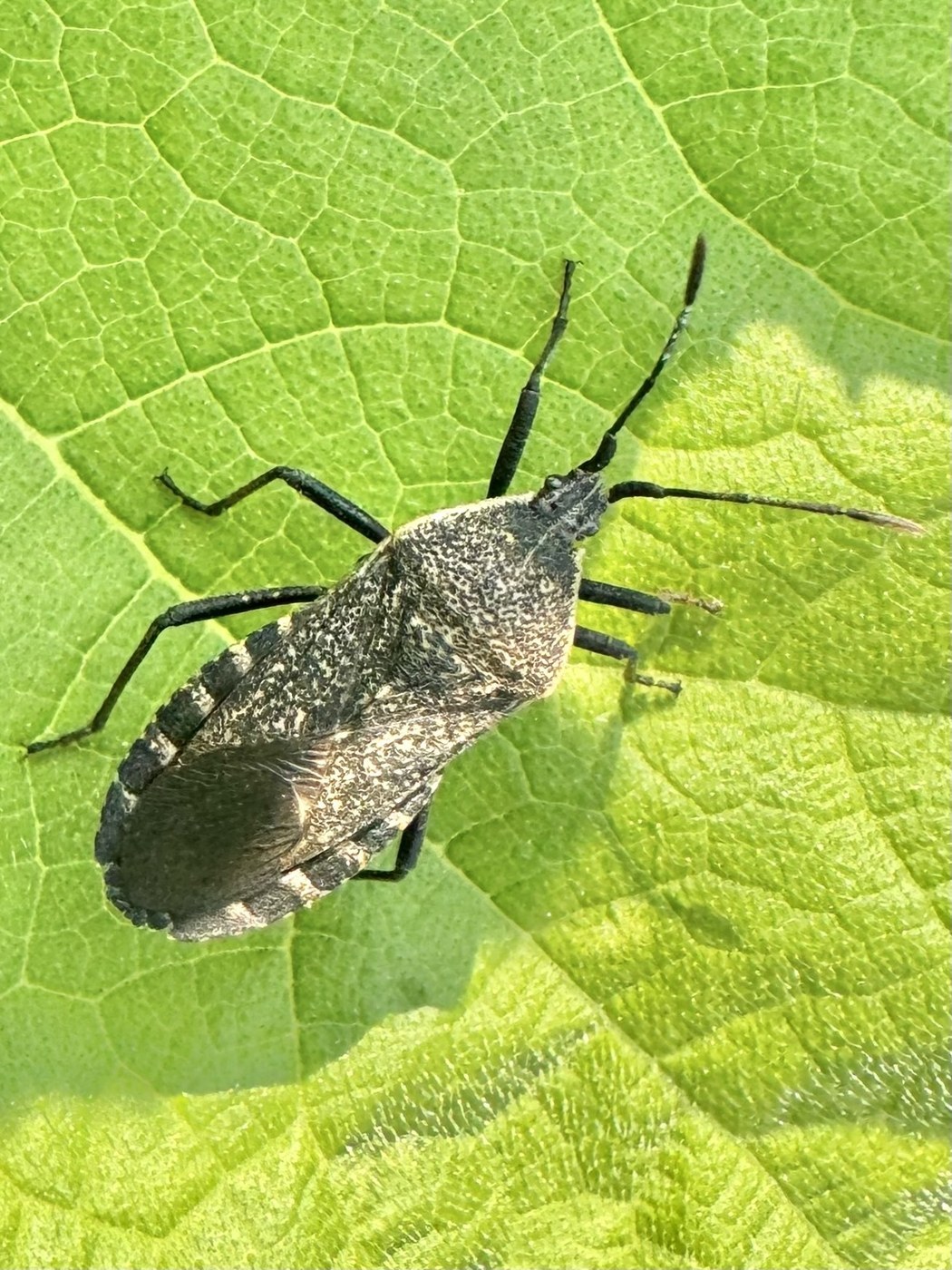
Squash Bug
Vegetable gardens and farm fields growing squash, pumpkin, and other cucurbits
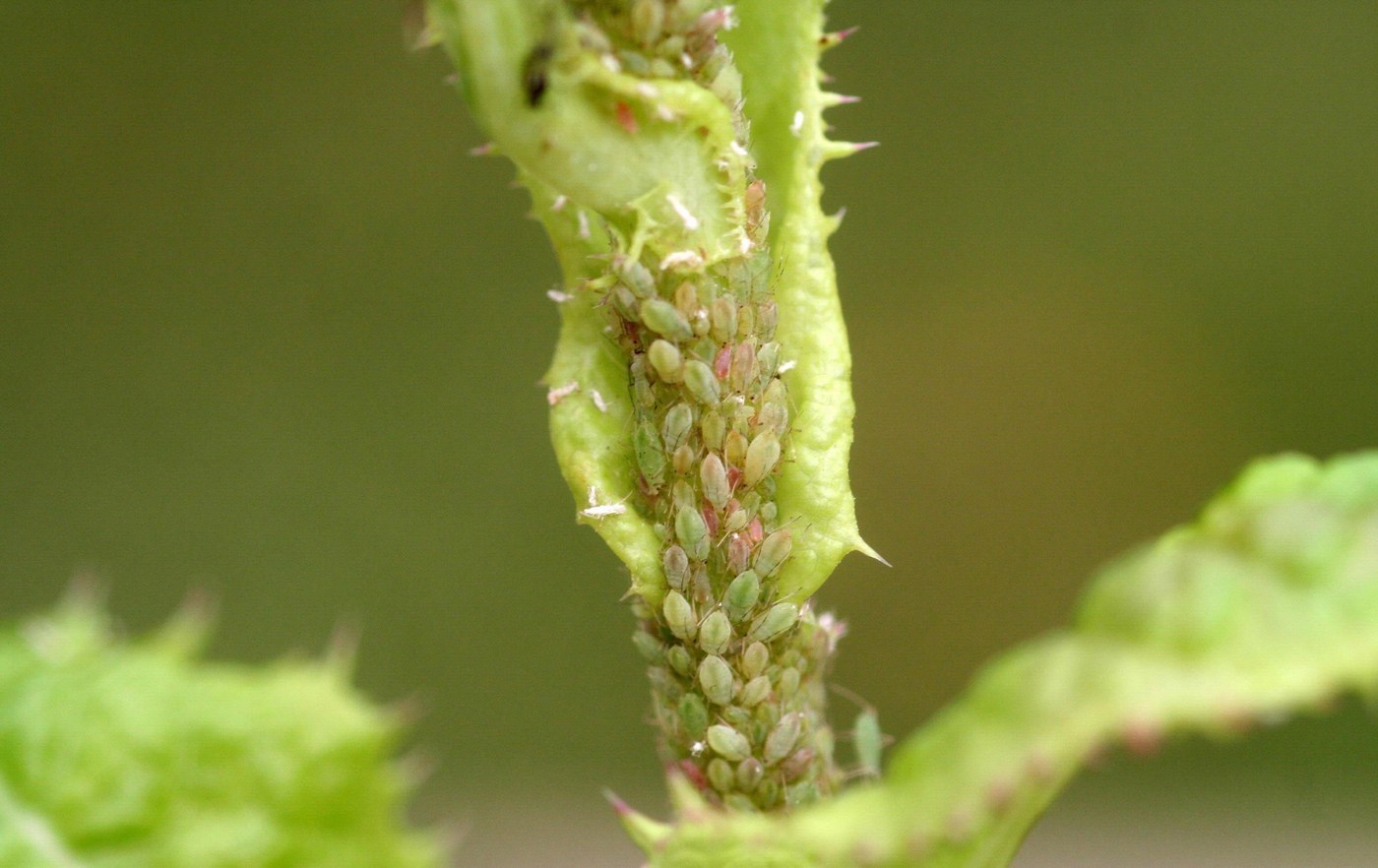
Aphid
On stems, leaves, and buds of a very wide range of host plants
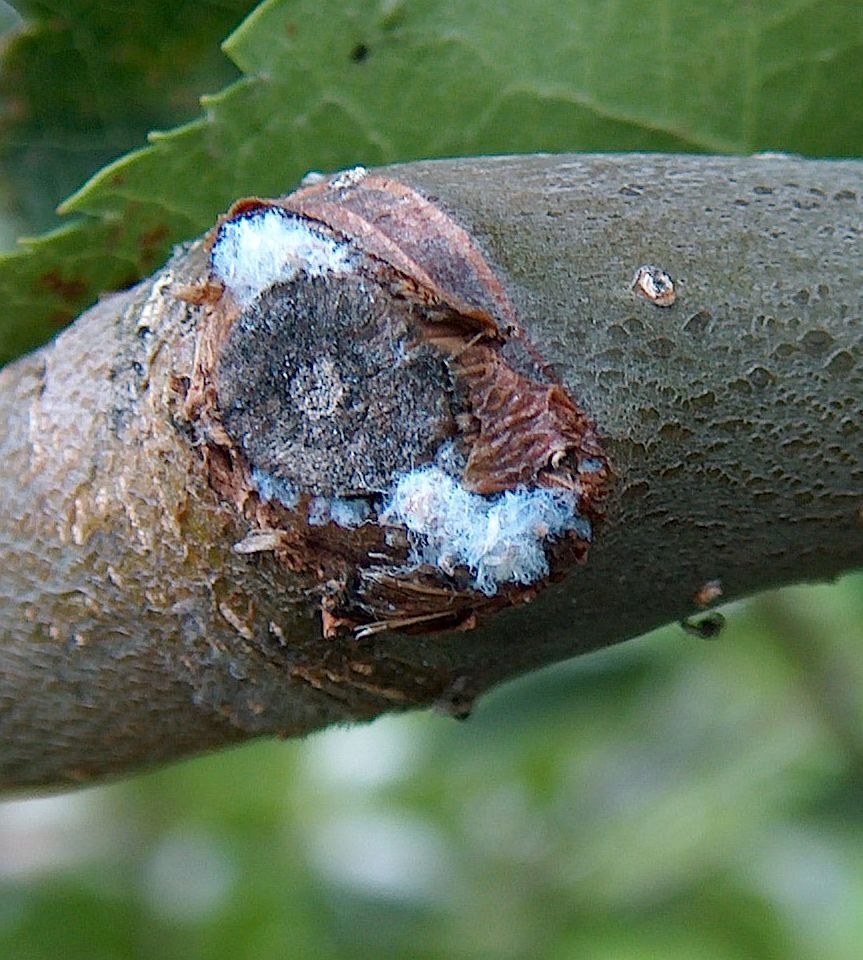
Woolly Aphid
Bark crevices, root collars, and twigs of apple, elm, and alder trees
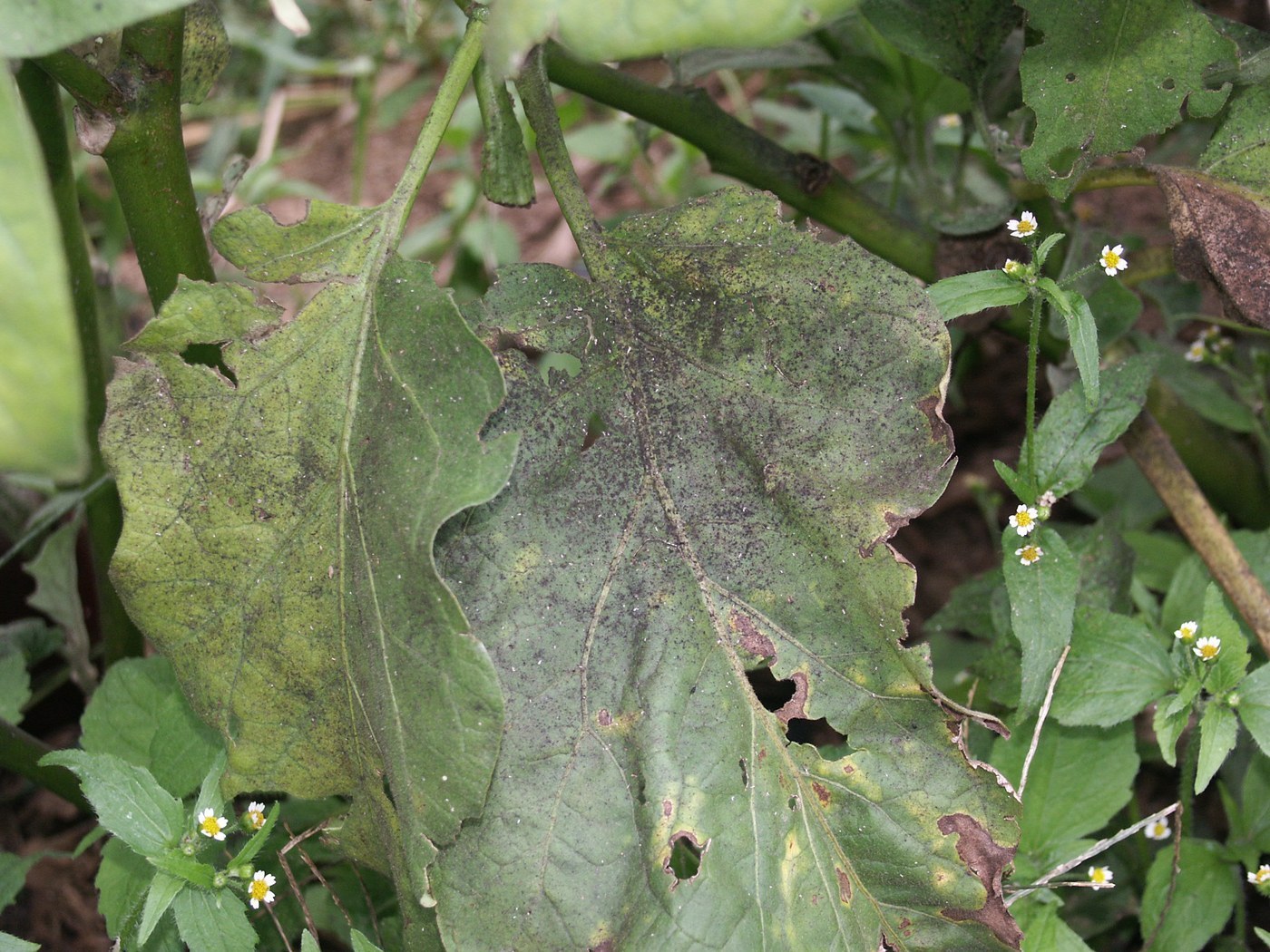
Whitefly
Greenhouses, gardens, and undersides of leaves on host plants
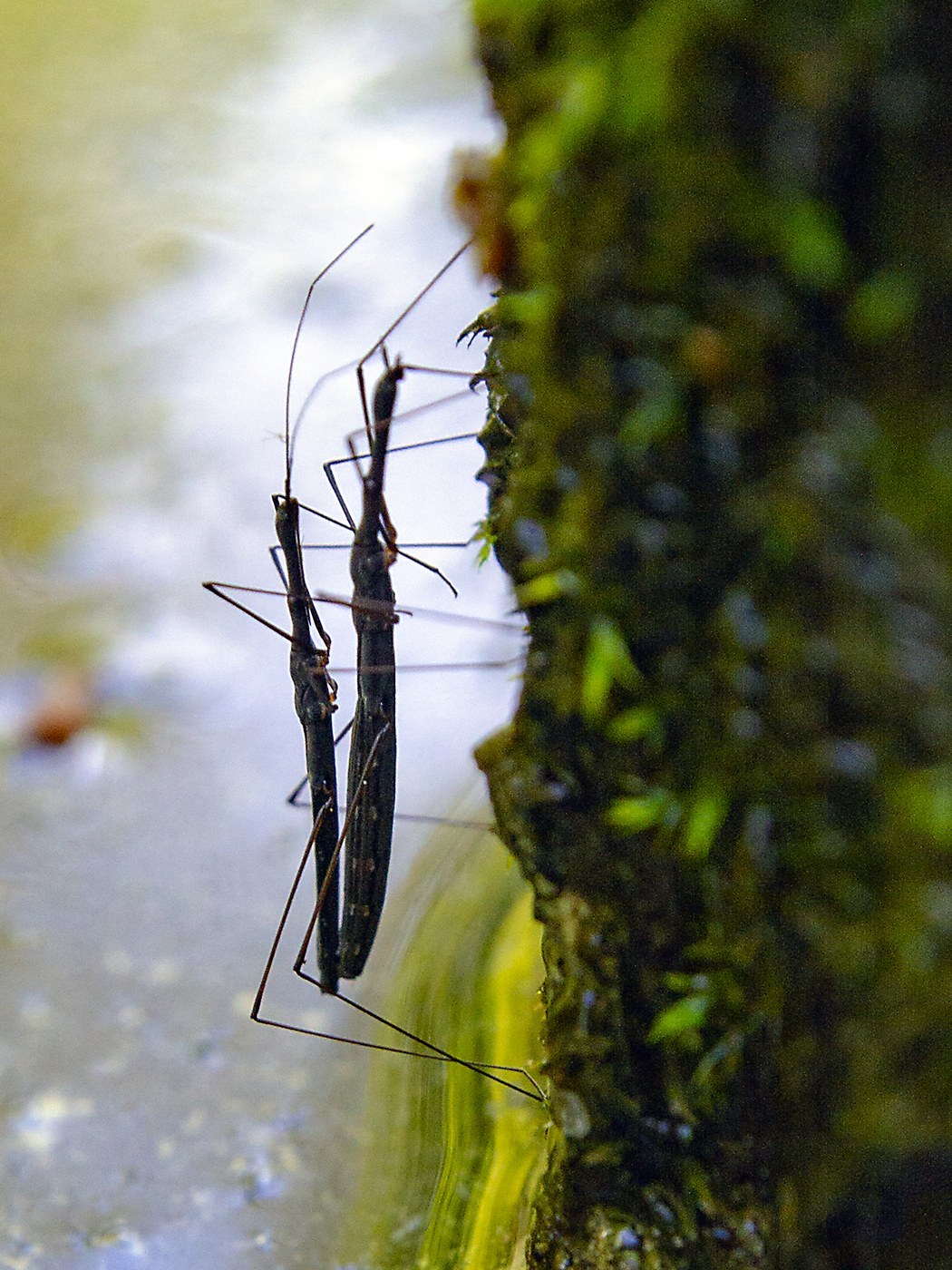
Water Measurer
Quiet edges of ponds, marshes, and slow streams
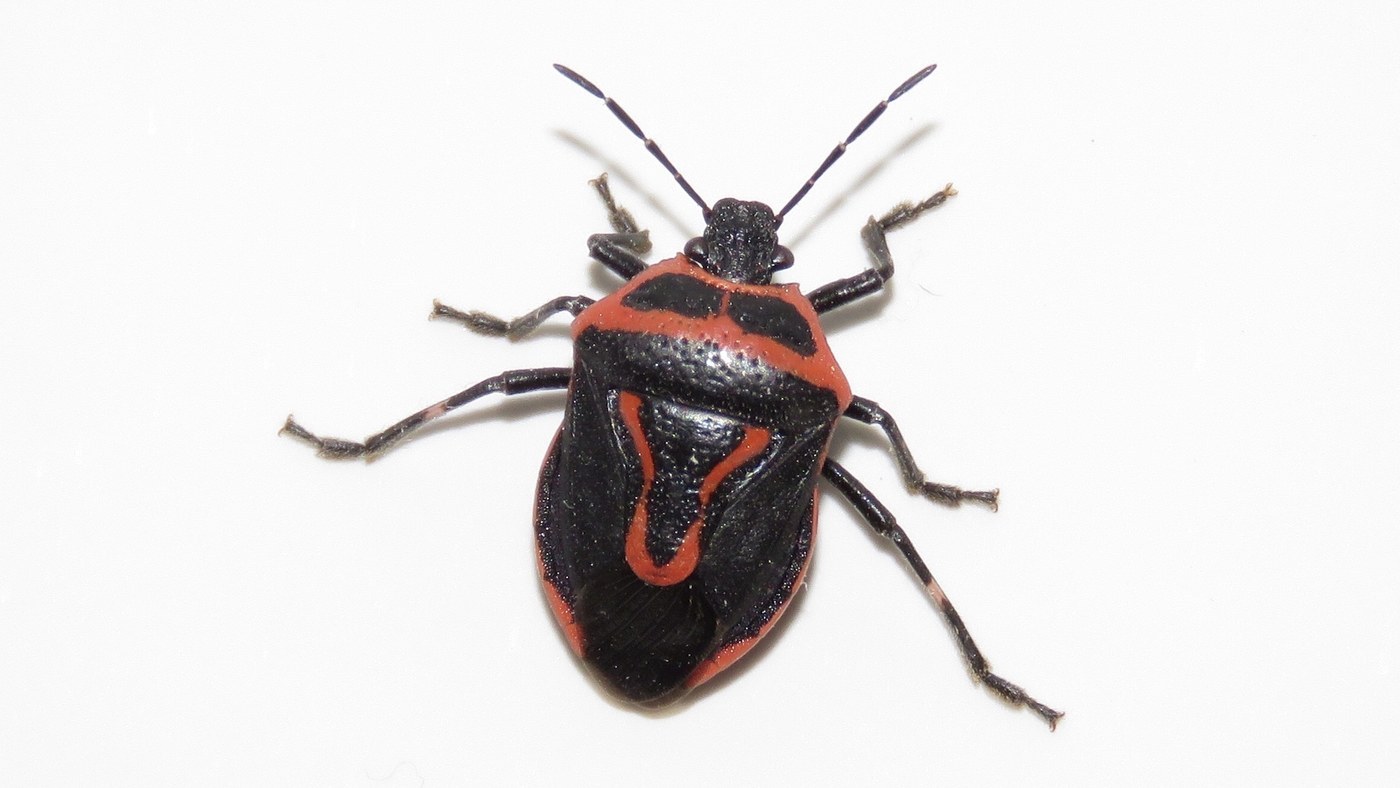
Two-Spotted Stink Bug
Gardens and fields with potato and nightshade-family plants