Common Earwig Identification Guide
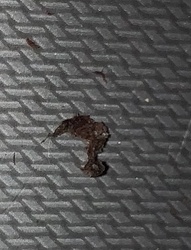
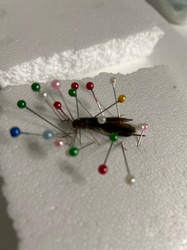
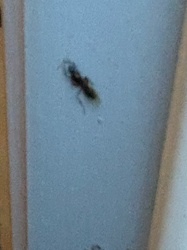
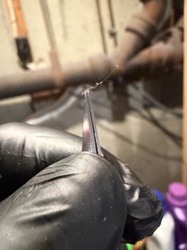
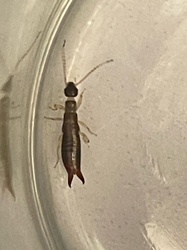
Recognize the common earwig by its reddish-brown body and distinctive rear pincers used for display and defense.
Read the full Common Earwig encyclopedia entry →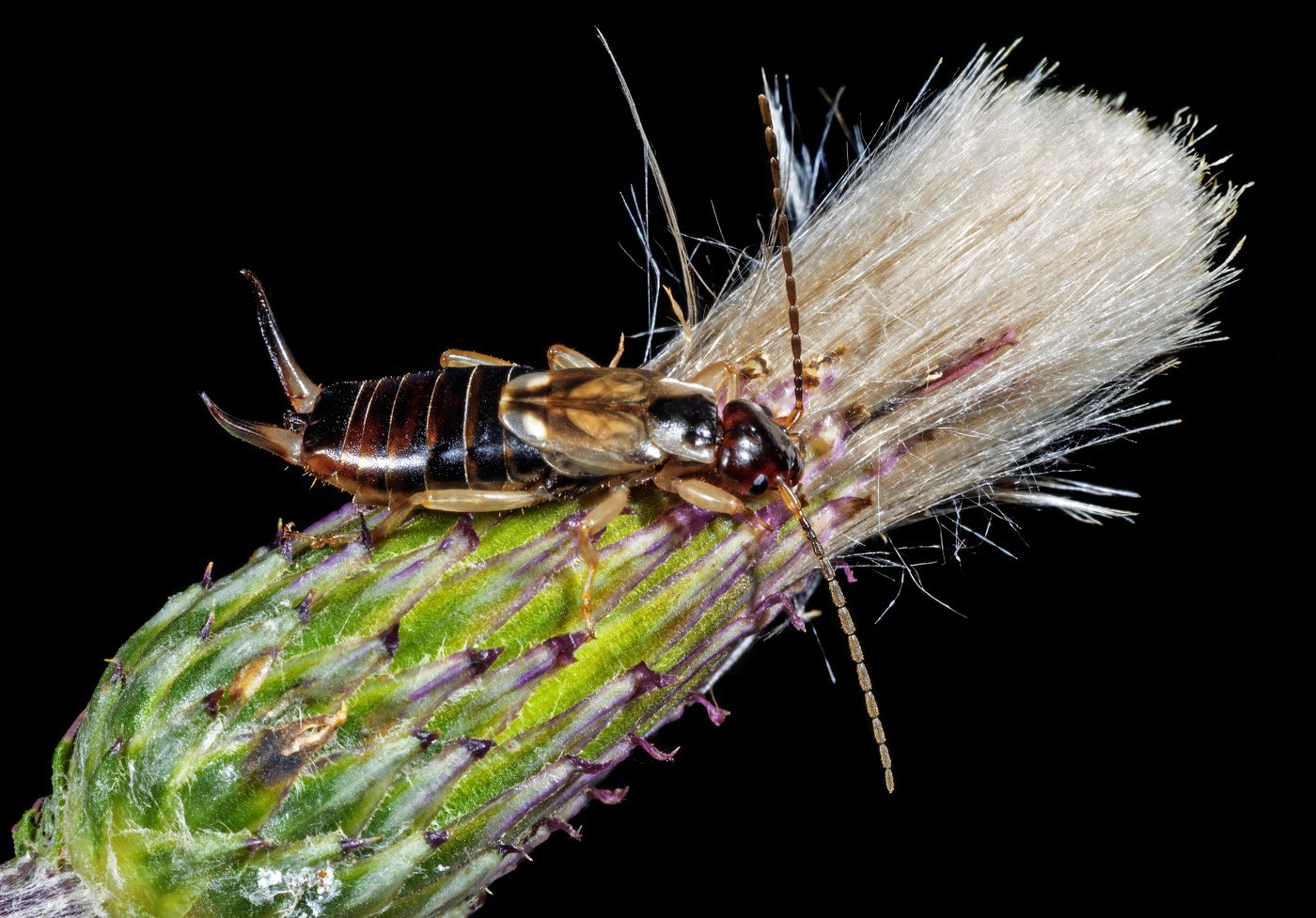
Key Visual Features
The common earwig (Forficula auricularia), also called the European earwig, is easily recognized by its rear appendages.
- Size: adults measure about 1/2 to 3/4 inch long, not including the pincers.
- Color: reddish-brown body with lighter brown legs and antennae.
- Pincers (cerci): a pair of forceps-like appendages extends from the tip of the abdomen; males have noticeably curved, more robust pincers, while females have straighter, more slender ones.
- Body shape: elongated and flattened, allowing easy movement into tight cracks and crevices.
- Wings: front wings are short, leathery, and cover only a small portion of the abdomen; hind wings are membranous and fan-shaped but are folded away and rarely used for flight.
- Antennae: thread-like and segmented, extending forward from the head.
Where and When You'd See It
- Prefers cool, moist, dark environments such as under mulch, stones, logs, bark, and in garden debris.
- Primarily active at night, hiding in tight, damp crevices during the day.
- Most numerous in spring and summer, with activity dropping off as temperatures cool in fall.
- Can wander indoors, especially near ground-level entry points, when outdoor conditions become too dry or hot.
Similar-Looking Bugs
- Rove beetles: some species have a similarly elongated body but lack pincers, instead having short wing covers and a more beetle-like head.
- Silverfish: lack pincers entirely, instead having long thread-like tail bristles rather than forceps.
- Other earwig species: differ mainly in size and subtle pincer shape; overall body plan with rear pincers is a reliable clue that an insect is some type of earwig.
Behavior Notes
Earwigs are omnivorous scavengers and are frequently found clustered together in tight groups within a single moist hiding spot during the day, sometimes numbering a dozen or more individuals under one board or flower pot. They tend to disperse quickly and scurry for cover the moment their hiding place is disturbed and exposed to light.
Quick ID Checklist
- Reddish-brown, flattened, elongated body
- Forceps-like pincers at the tip of the abdomen
- Curved pincers in males, straighter in females
- Short leathery front wings
- Found in damp, dark spots like mulch, bark, and stones
Frequently asked questions
How can I tell a male earwig from a female earwig?
Males have noticeably curved, more robust pincers, while females have straighter, more slender pincers.
What are the pincers on an earwig used for?
They are used mainly for display and defense and are a distinguishing physical feature of the insect.
Where do common earwigs typically hide during the day?
They hide in cool, moist, dark places such as under mulch, stones, bark, and garden debris.
Can common earwigs fly?
They have fan-shaped hind wings folded beneath short front wing covers, but they rarely use them and are mostly seen walking or hiding.
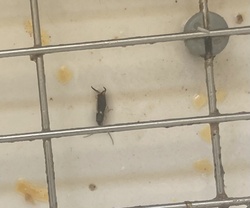
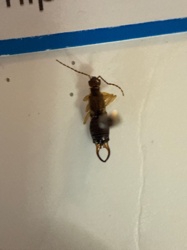
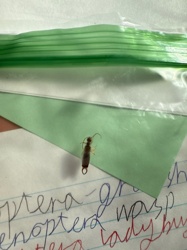
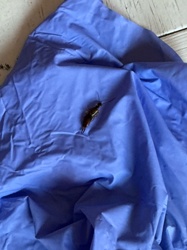
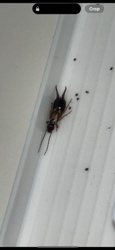
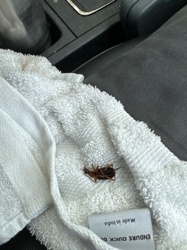
Common Earwig identified by the community
Recent Common Earwig finds identified with Bug Identifier.